

Melissa & Doug Wooden Building Blocks Set
Daily building sessions for ages 2+.
$20-25
Melissa & Doug Wooden Building Blocks Set Durable, colorful blocks perfect for spatial and creative play; promotes fine motor skills.
Get the App
Better experience on mobile
Learn 8 fun, proven activities to sharpen your child's memory, focus, problem-solving, and creativity using everyday items.
In today's fast-paced world, kids face constant screen distractions, but building strong cognitive skills like memory, attention, and logical thinking is crucial for school success and lifelong learning. Parents often worry about 'screen time overload'—studies from the American Academy of Pediatrics show that interactive play boosts brain development far better than passive viewing.
This guide breaks down 8 engaging activities proven by child development experts (like those from Piaget's stages of cognitive growth) to enhance key skills. You'll get simple explanations, why they work, and easy steps to try at home—no fancy equipment needed. Each activity takes 15-45 minutes and suits ages 3-10.
Expect noticeable improvements in focus and confidence after consistent play (2-3 times a week). Let's dive in and turn playtime into brain-boosting fun!
Estimated Time: 15-45 minutes per activity; 1-2 hours total for a full session Difficulty: beginner
Puzzles train spatial reasoning, problem-solving, and patience by requiring kids to visualize piece fits. Start with 20-50 piece wooden puzzles for ages 3-5, progressing to 100+ for older kids. Why it matters: Research from the Journal of Applied Developmental Psychology shows puzzles improve executive function by 20-30% with regular use.
Lay out pieces on a flat surface. Guide your child to find edge pieces first, then match colors/shapes. Celebrate small wins to build persistence. Expect trial-and-error—frustration is normal but fades with practice.
💡 Tips:
⚠️ Warnings:
Stacking blocks develops fine motor skills, geometry understanding, and creativity. Use wooden blocks, Legos, or magnetic tiles. Why it boosts cognition: It enhances 3D spatial awareness, linked to better math performance per STEM studies.
Provide a pile of blocks and a simple prompt like 'Build a tower taller than you!' Let them experiment freely, then discuss 'How did you make it stable?' Expect collapses—they teach engineering basics.
💡 Tips:
Matching pairs sharpens short-term memory and concentration. Create cards from paper (draw pairs of animals) or use pre-made sets. Why it works: Activates the hippocampus, improving recall by up to 25% (per cognitive science research).
Lay 6-12 cards face down. Take turns flipping two—if they match, keep them; no match, flip back. Start with fewer cards for beginners. Kids will get competitive—keep it fun!
💡 Tips:
⚠️ Warnings:
Reading aloud or inventing stories builds vocabulary, sequencing, and empathy. Pick picture books or start with 'Once upon a time...' Why cognitive boost: Enhances language processing and narrative skills, foundational for comprehension.
Read 10-15 minutes daily, asking 'What happens next?' or let them narrate. Alternate roles. Expect giggles and wild plots—they're wiring comprehension circuits.
💡 Tips:
Drawing, cutting, or collage-making fosters creativity, planning, and fine motor control. Supply paper, glue, recyclables. Why it matters: Promotes divergent thinking, key for innovation (Harvard studies).
Set a theme like 'Draw your dream house.' Guide through steps: plan, create, share. Mess is okay—focus on process over perfection.
💡 Tips:
Games like matching or sequencing teach turn-taking, strategy, and rules. Use kid-friendly ones. Boosts: Logical reasoning and social cognition.
Explain rules simply, play 2-3 rounds. Model good sportsmanship. They'll improve quickly.
💡 Tips:
Outdoor hunts build observation, categorization, and physical coordination. List 5-10 items (red leaf, smooth rock). Why: Combines sensory input with problem-solving for holistic brain growth.
Hide or search in yard/park. Use clues for challenge. Pure joy expected!
💡 Tips:
⚠️ Warnings:
Measuring/following recipes teaches sequencing, math, and cause-effect. Simple: No-bake cookies. Boosts: Practical cognition and confidence.
Read recipe aloud, measure together. Discuss 'Why add flour?' Cleanup teaches responsibility.
💡 Tips:
Problem: Child loses interest quickly
Solution: Shorten sessions to 10 min, add themes they love, or pair with favorite toy.
Problem: Frustration during challenges
Solution: Break into smaller steps, model first, offer hints sparingly.
Problem: No materials on hand
Solution: Improvise with household items like socks for matching or boxes for building.
Problem: Hyperactive kid won't sit
Solution: Opt for active activities like hunts first, then calm ones.
Durable, colorful blocks perfect for spatial and creative play; promotes fine motor skills.
Best for: Daily building sessions for ages 2+.
Price Range: $20-25
Magnetic ease for frustration-free 3D builds; STEM-approved for geometry learning.
Best for: Complex structures for ages 3-8.
Price Range: $25-35
Fast-paced matching boosts memory and vocab; award-winning for engagement.
Best for: Quick 15-min games for groups.
Price Range: $15-20
Large 50-piece puzzle teaches geography and spatial skills safely.
Best for: Floor play for toddlers.
Price Range: $15-20
Interactive sound book for vocabulary and listening skills.
Best for: Bedtime reading alternative.
Price Range: $20-25
Daily building sessions for ages 2+.
Melissa & Doug Wooden Building Blocks Set Durable, colorful blocks perfect for spatial and creative play; promotes fine motor skills.
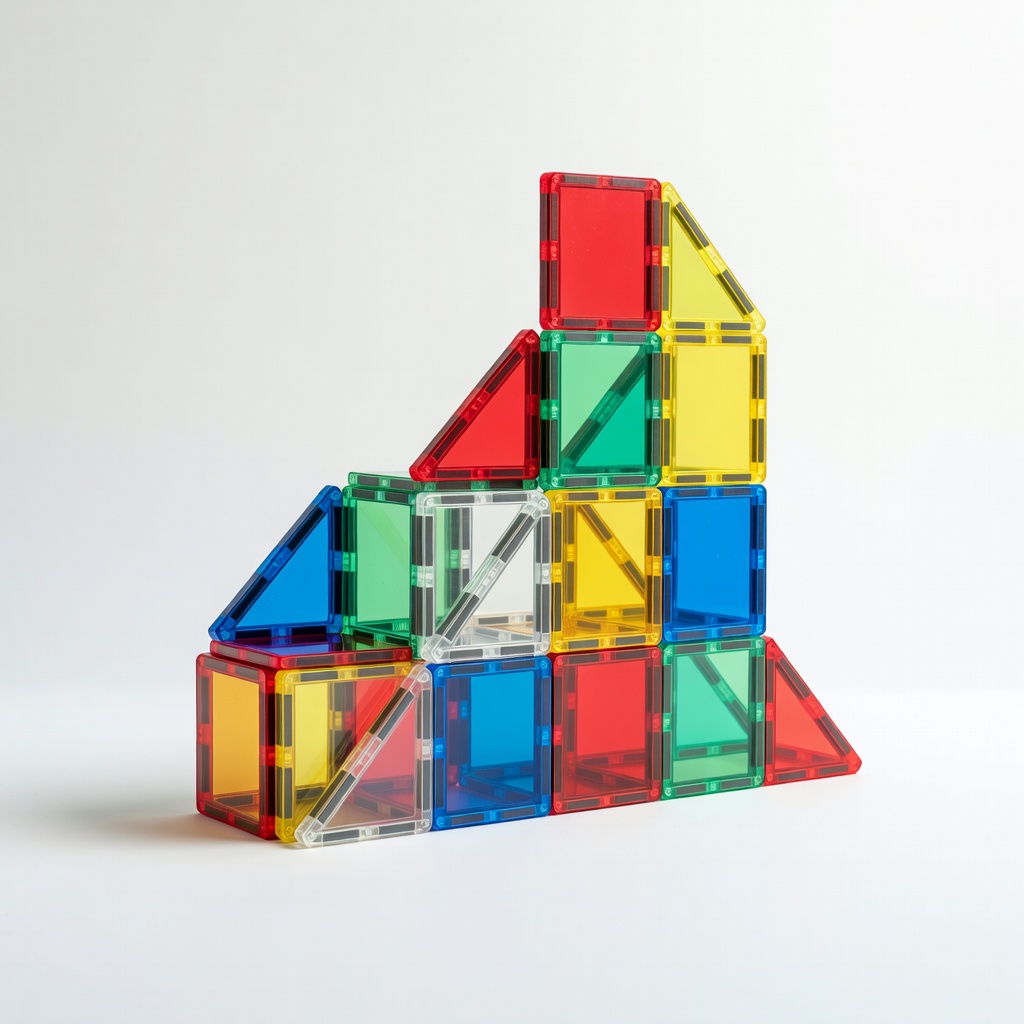
Complex structures for ages 3-8.
PicassoTiles 100 Piece Magnetic Building Tiles Magnetic ease for frustration-free 3D builds; STEM-approved for geometry learning.
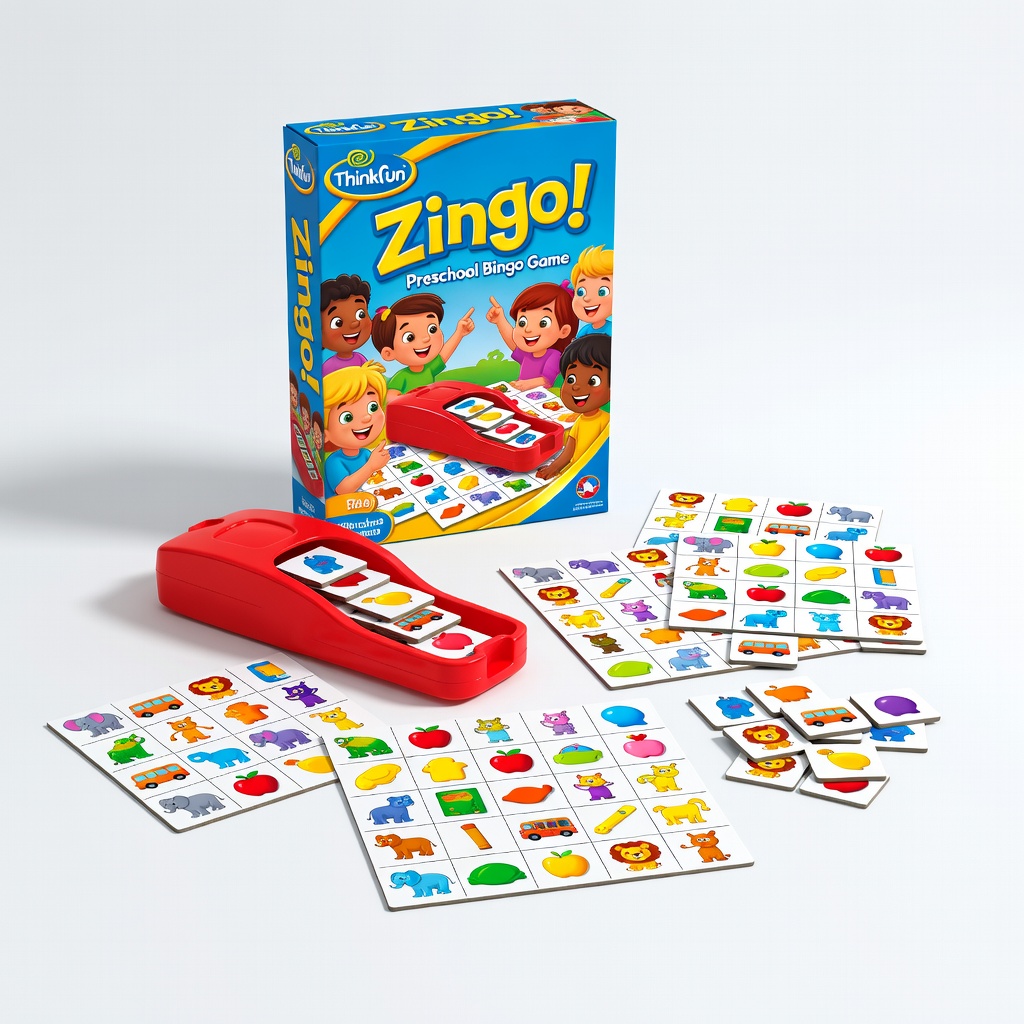
Quick 15-min games for groups.
ThinkFun Zingo! Preschool Bingo Game Fast-paced matching boosts memory and vocab; award-winning for engagement.

Floor play for toddlers.
Melissa & Doug USA Map Floor Puzzle Large 50-piece puzzle teaches geography and spatial skills safely.
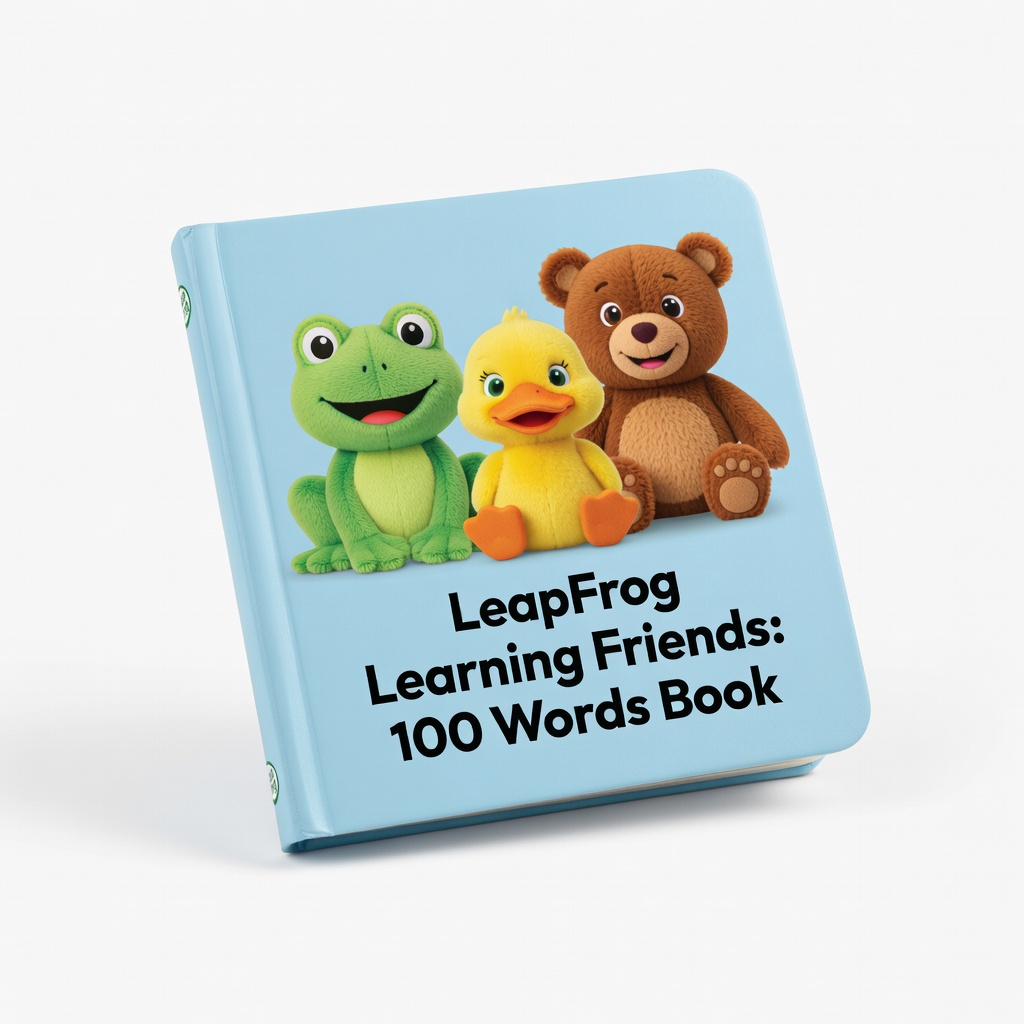
Bedtime reading alternative.
LeapFrog Learning Friends: 100 Words Book Interactive sound book for vocabulary and listening skills.