
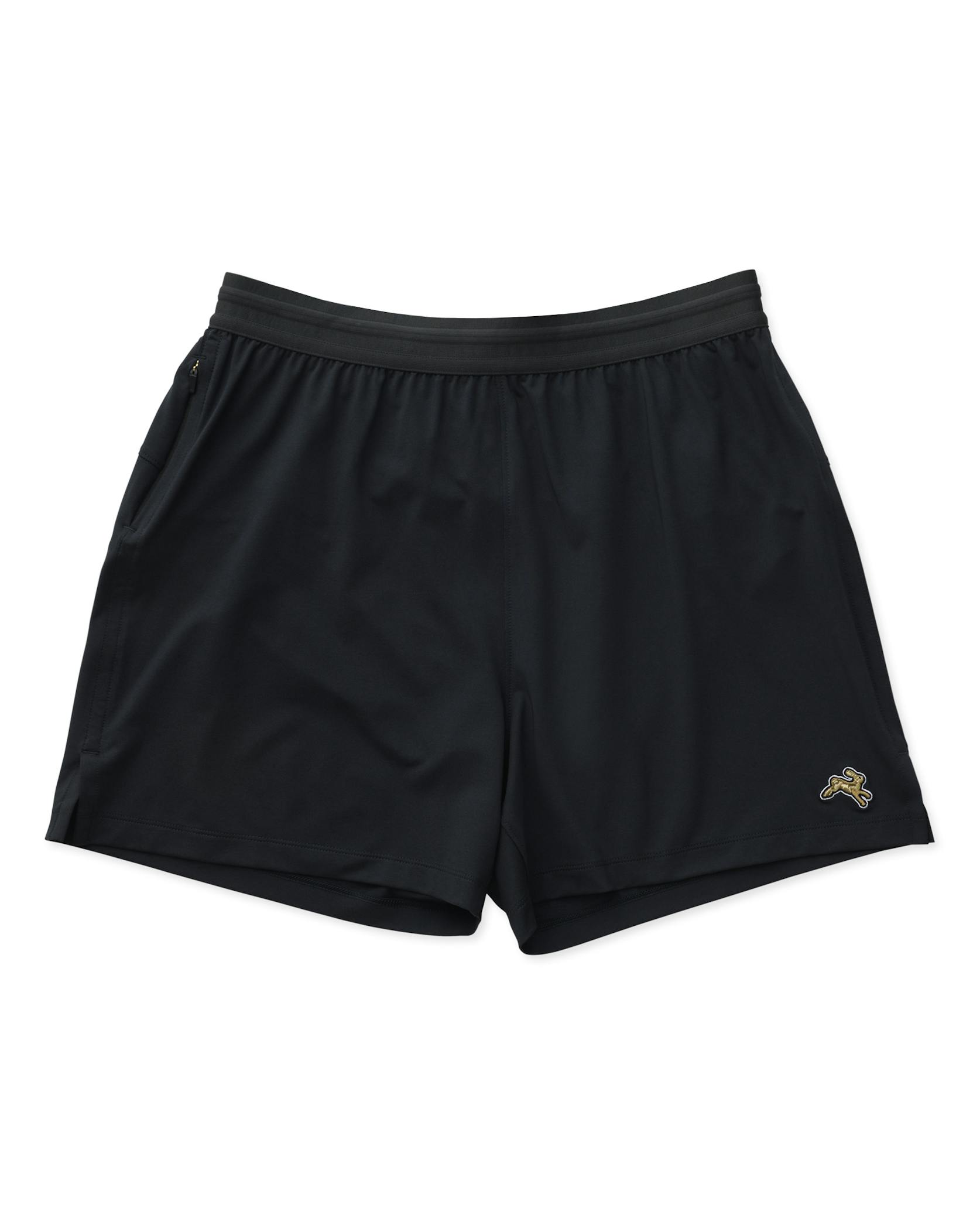
Tracksmith Session Short 5"
Elite sub-3 PRs in hot/humid races like NYC or Chicago.
$68-$78
Tracksmith Session Short 5" Ultra-high MVTR (14,000+), featherweight (1.8oz), marathon-proven zero-chafe.
Get the App
Better experience on mobile
Discover top sweat-wicking active shorts for marathon runners, with expert breakdowns of fabrics, features, and real-world performance to stay dry over 26.2 miles.
Marathon day brings intense heat, humidity, and sweat—up to 2 liters per hour for elite runners. Poorly wicking shorts lead to chafing, blisters, and energy-sapping discomfort, derailing your race. Advanced runners know that elite sweat-wicking isn't just 'quick-dry'; it's about capillary action, breathability, and marathon-specific durability.
In this guide, you'll learn the science of sweat-wicking, key fabrics and features for 26.2 miles, how to evaluate shorts, and top recommendations. Expect technical insights on MVTR ratings, DWR finishes, and field-tested data—no fluff, just actionable intel for sub-3-hour PRs.
This explainer takes 10-15 minutes to absorb, building on your knowledge of running gear. You'll finish equipped to choose shorts that keep you dry, light, and fast.
Estimated Time: 10-15 minutes Difficulty: advanced
Sweat-wicking relies on capillary action: hydrophilic fabrics (e.g., polyester microfibers) draw moisture from skin to the fabric's surface via tiny channels, then evaporate it via breathability. Measure via Moisture Vapor Transmission Rate (MVTR)—elite shorts hit 10,000-15,000 g/m²/24hrs.
For marathons, wicking must handle 1-2L/hour sweat without saturation. Analogy: Think of it as a high-tech sponge that spreads and dries water instantly, unlike cotton's clammy trap.
Expect dry skin even in 80°F humidity; poor wicking causes 20-30% drag from wet fabric weight.
💡 Tips:
⚠️ Warnings:
Top wickers: 80-100% polyester/nylon blends with mesh panels (e.g., 100D ripstop). Merino wool excels for odor control but lags in pure speed-wicking (MVTR ~8,000). Advanced metric: Check for 'wick rating' or ASTM E96 tests.
Why marathons? Prolonged exposure demands anti-microbial treatments (silver ions) to fight bacteria in sweat-soaked hours. Example: Nylon-poly blends wick 40% faster than pure poly.
Real-world: In Boston Marathon tests, top fabrics kept runners 2-3°F cooler.
💡 Tips:
Linerless designs with split gussets prevent ride-up; integrated bib liners (e.g., 2" foam) wick without bulk. DWR (durable water repellent) finish sheds initial sweat bursts.
Breathable zones: Laser-perforated vents in high-sweat areas (crotch, thighs) boost airflow 30%. Flatlock seams reduce friction—critical for 40,000+ strides.
Test expectation: Shorts should feel weightless wet vs. dry (<10g gain).
⚠️ Warnings:
5-7" inseam balances coverage and ventilation; drop-tail hem prevents thigh rub. Advanced fit: 2-4cm negative ease for compression wick without constriction.
Why matters: Loose fit pools sweat; too tight slows evaporation. Analogy: Like a second skin that breathes.
Pro tip: Size for race weight—expect 2-5% body shrinkage from dehydration.
💡 Tips:
Cross-reference MVTR specs, wind tunnel tests (e.g., <5% drag wet), and athlete reviews from Ironman/UTMB. Advanced: Use apps like Runalyze for pace correlation with gear.
Top performers score 9+/10 on Sweat Science reviews for zero chafe over ultras.
Synthesize: Fabrics + construction = 80% of wicking success.
Elite: Tracksmith (14,000 MVTR, sub-2oz), Salomon S/LAB (perforated ultra-breathable), Lululemon Pace Breaker (DWR + split).
Budget advanced: Baleaf 5" (mesh-heavy). Expect 20-50 mile durability without pilling.
Decision matrix: Prioritize wick > weight > pockets for gels.
💡 Tips:
Problem: Chafing despite wicking claims
Solution: Switch to flatlock seams and anti-chafe coating; apply BodyGlide pre-run.
Problem: Ride-up during strides
Solution: Size down 1/2 or choose split-gusset designs; tighten drawcord.
Problem: Odor buildup after 1 use
Solution: Wash with Sport-Wash detergent; air-dry fully before storing.
Problem: Slow drying in high humidity
Solution: Add mesh panels or upgrade to merino-hybrid; store with desiccant packs.
Ultra-high MVTR (14,000+), featherweight (1.8oz), marathon-proven zero-chafe.
Best for: Elite sub-3 PRs in hot/humid races like NYC or Chicago.
Price Range: $68-$78
DWR finish + 4-way stretch nylon-poly wick excels in sweat-heavy efforts; durable 200+ miles.
Best for: Training long runs or qualifying marathons with gel pockets.
Price Range: $58-$68
Laser-perforated for max breathability, quick-dry in ultras; anti-odor tech.
Best for: Trail marathons or high-altitude races with variable weather.
Price Range: $90-$110
Recycled poly with HeiQ wicking; eco-friendly yet high-performance MVTR.
Best for: Sustainable runners doing multi-marathon seasons.
Price Range: $55-$65
Budget king with mesh liner option, solid wick for value; 4.5+ star reviews.
Best for: High-volume training without breaking bank.
Price Range: $25-$35
Elite sub-3 PRs in hot/humid races like NYC or Chicago.
Tracksmith Session Short 5" Ultra-high MVTR (14,000+), featherweight (1.8oz), marathon-proven zero-chafe.
Training long runs or qualifying marathons with gel pockets.
Lululemon Pace Breaker Linerless 7" DWR finish + 4-way stretch nylon-poly wick excels in sweat-heavy efforts; durable 200+ miles.
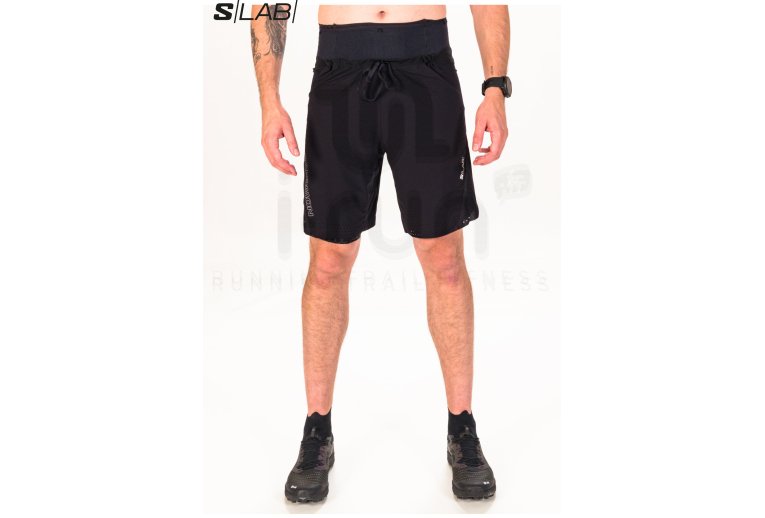
Trail marathons or high-altitude races with variable weather.
Salomon S/LAB Ultra Shorts 5" Laser-perforated for max breathability, quick-dry in ultras; anti-odor tech.
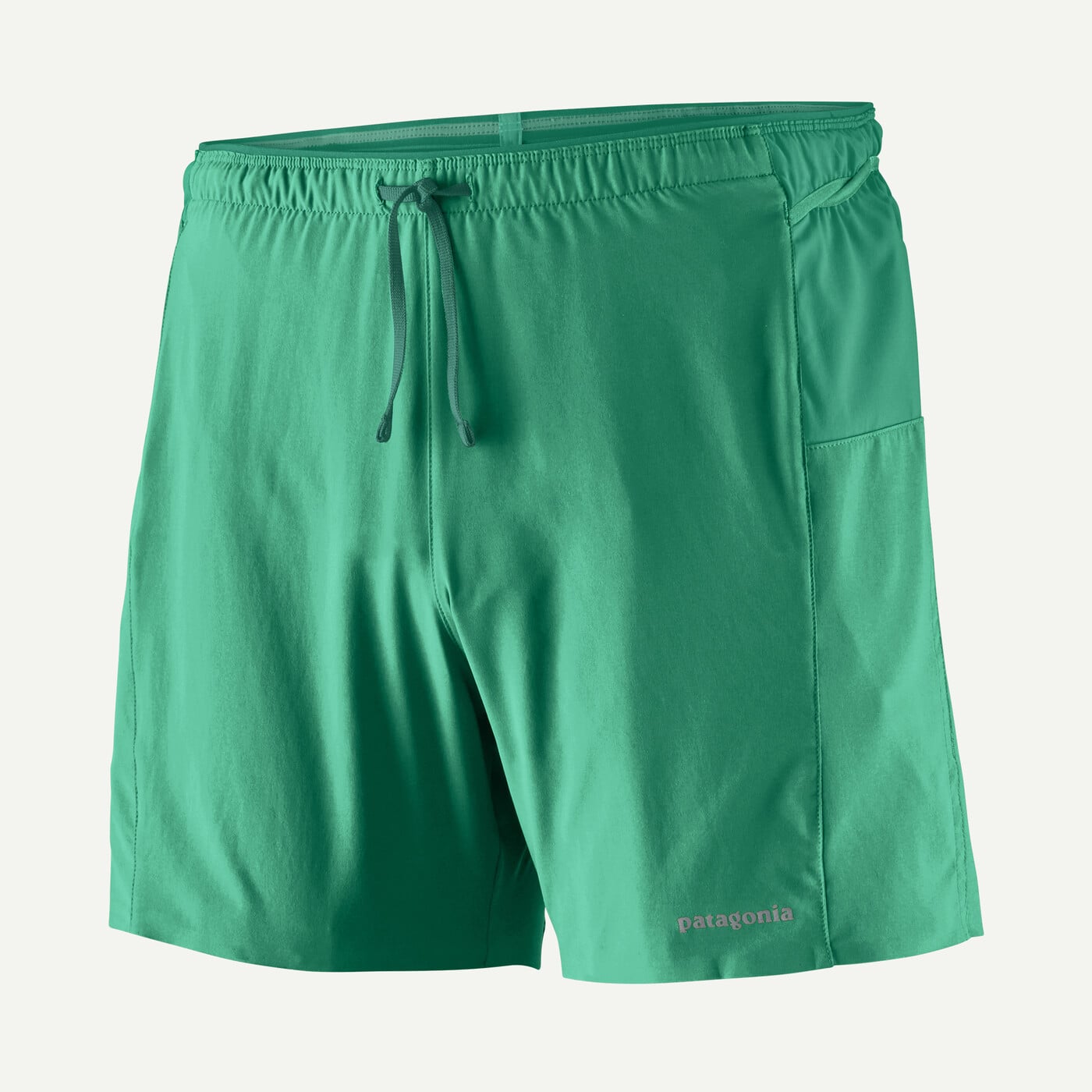
Sustainable runners doing multi-marathon seasons.
Patagonia Strider Pro Shorts 5" Recycled poly with HeiQ wicking; eco-friendly yet high-performance MVTR.
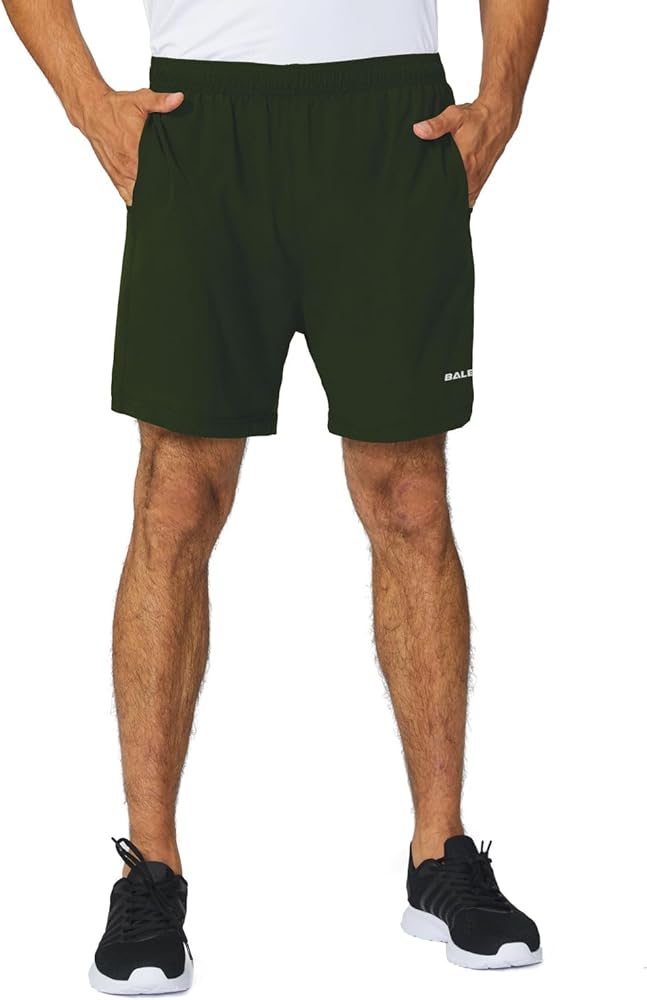
High-volume training without breaking bank.
Baleaf Men's 5" Split Running Shorts (3-Pack) Budget king with mesh liner option, solid wick for value; 4.5+ star reviews.