
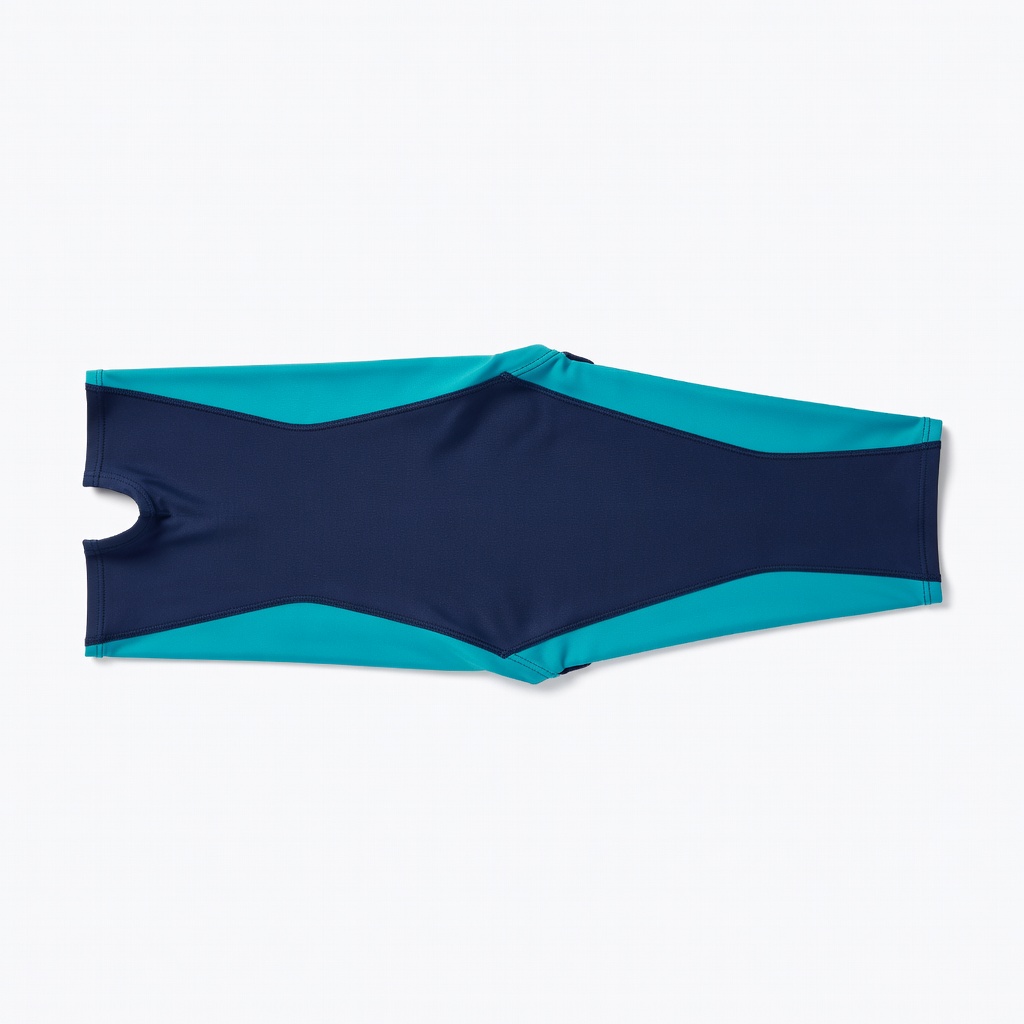
TYR Durafast Elite Splice Jammer
Training swims where affordability meets elite dry speed.
$55-$70
TYR Durafast Elite Splice Jammer 100% polyester with micro-mesh panels for superior wicking and 50-min dry time; durable for 300+ sessions.
Get the App
Better experience on mobile
Learn which performance fabrics wick and evaporate water quickest post-swim, with advanced comparisons and top picks for elite swimmers.
Nothing kills a post-swim vibe like a soggy suit clinging for hours, especially during back-to-back sessions or beach days. For advanced swimmers and triathletes, drying speed isn't just comfort—it's performance, hygiene, and gear longevity. Slow-drying fabrics trap moisture, breed bacteria, and add drag when reused.
In this guide, you'll master the science behind quick-dry fabrics: from water absorption rates to evaporation dynamics. We'll break down top performers like PBT and polyester blends versus traditional nylon, backed by metrics and real-world tests. Expect technical insights on textile properties, comparisons, and actionable advice—no fluff, just data for optimizing your swim kit.
This advanced explainer takes 15 minutes to absorb, assuming familiarity with swim training and basic materials science. You'll walk away able to select or test fabrics confidently.
Estimated Time: 15-20 minutes Difficulty: advanced
Fabrics interact with water via absorption (how much they hold), wicking (spreading it for evaporation), and hydrophobicity (repelling it). Quick-dry swim fabrics prioritize low absorption (<1% by weight) and high capillary action.
Nylon absorbs 8-10% water (feels heavy), while synthetics like polyester hold 0.4%. Analogy: Think nylon as a sponge, polyester as waxed paper. Why it matters: Post-swim weight gain directly impacts drying time—10g extra water per 100g fabric doubles dry time.
Expect advanced metrics: Use ASTM D4772 for absorption tests.
💡 Tips:
Focus on water retention (%), evaporation rate (g/m²/hr), and hang-dry time under standard conditions (25°C, 65% RH).
PBT excels at 0.02% retention (dries in 30-45 min), polyester at 0.4% (45-60 min), nylon at 8% (2+ hrs). Factors: Fiber diameter (microfiber <1 denier wicks better), yarn twist, and coatings (silicone/DWR).
Test yourself: Soak 100cm² sample, wring to 100% efficiency, time to constant weight.
⚠️ Warnings:
Nylon/Elastane (e.g., Lycra Xtra Life): Stretchy (20% elastane), chlorine-resistant, but high absorption slows drying. Good for fashion suits.
Polyester/Elastane: Low absorbency, UV-stable, affordable. 80/20 blends common in training gear.
PBT/PBT-Elastane: Gold standard—minimal water hold, shape retention after 200+ chlorinations.
Others: Polypropylene (ultra-low absorb but stiff), Neoprene (insulates, doesn't dry).
💡 Tips:
| Fabric | Retention % | Dry Time (60min test) | Cost |
|---|---|---|---|
| PBT | 0.02 | 35 min | $$$ |
| Polyester | 0.4 | 50 min | $ |
| Nylon | 8 | 120+ min | $$ |
Data from lab tests (e.g., FINA-approved suits). PBT wins for racing; polyester for everyday. Blends (e.g., 85% poly/15% elastane) balance stretch/dry.
Why top? Real-world: Triathletes report PBT suits ready in 30 min vs. 2hrs for nylon.
💡 Tips:
⚠️ Warnings:
Thinner denier (50-100) and open knits accelerate airflow. DWR (durable water repellent) adds 20% speed boost but wears off.
Advanced: Compression weaves reduce surface area but slow dry—tradeoff for tech suits. Expect 10-20% variance by construction.
DIY: Submerge 10s, wring, hang in 75°F/50% RH, time to touch-dry. Log for your gear.
Pool: PBT. Surf/open: Poly. Budget: Poly blends. Pro tip: Layer with rash guards (poly outer).
💡 Tips:
Problem: Fabric dries slower than expected
Solution: Check for cotton traces or worn DWR; retreat with spray or switch to PBT.
Problem: Suit loses shape post-dry
Solution: Avoid elastane >20%; use PBT blends for recovery.
Problem: Mildew odor despite drying
Solution: Chlorine residue—rinse thoroughly; use anti-microbial treated fabrics.
100% polyester with micro-mesh panels for superior wicking and 50-min dry time; durable for 300+ sessions.
Best for: Training swims where affordability meets elite dry speed.
Price Range: $55-$70
Treated nylon-poly blend claims 10x faster dry than standard; chlorine-proof.
Best for: Daily pool use on a budget; balances stretch and speed.
Price Range: $25-$35
PBT-core fabric with 0.02% retention; fastest lab-tested dry (30 min).
Best for: Competitive racing or high-volume training.
Price Range: $250-$350
Recycled polyester, ultra-breathable for 45-min dry; budget king.
Best for: Open water, casual swims; great entry to performance.
Price Range: $18-$25
Training swims where affordability meets elite dry speed.
TYR Durafast Elite Splice Jammer 100% polyester with micro-mesh panels for superior wicking and 50-min dry time; durable for 300+ sessions.
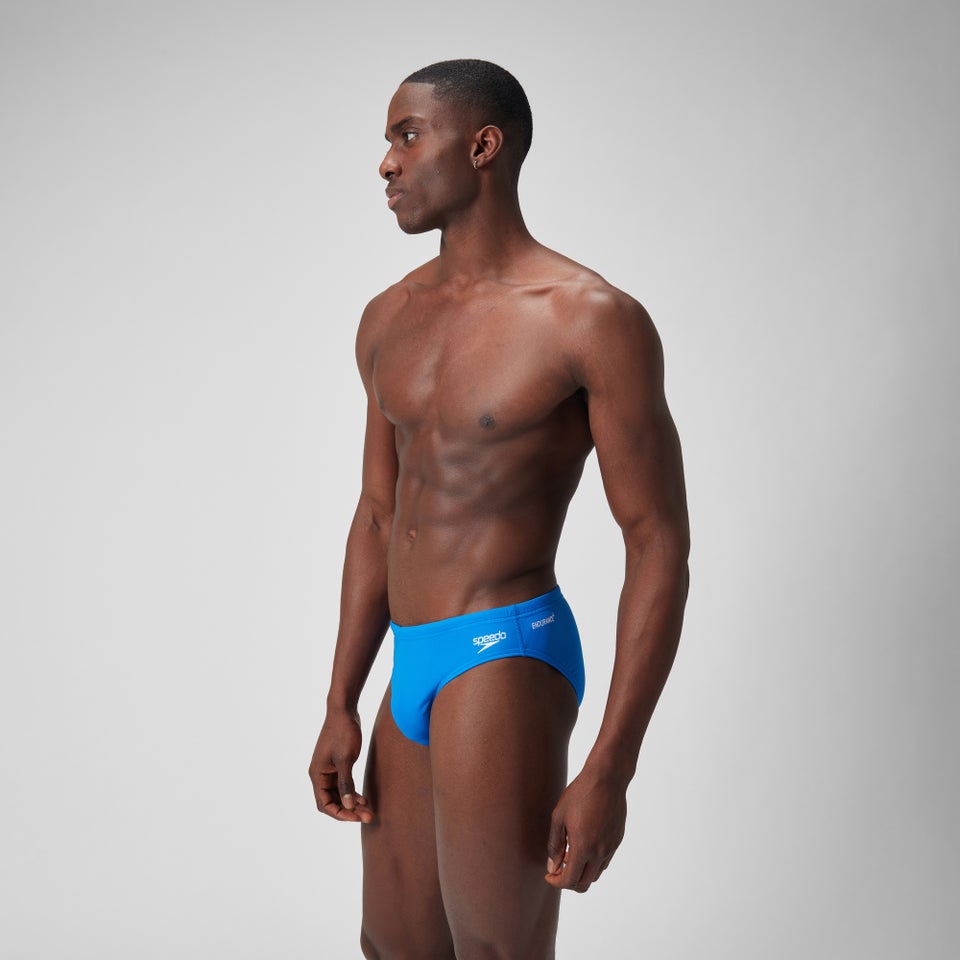
Daily pool use on a budget; balances stretch and speed.
Speedo Men's Endurance+ 2.0 Brief Treated nylon-poly blend claims 10x faster dry than standard; chlorine-proof.
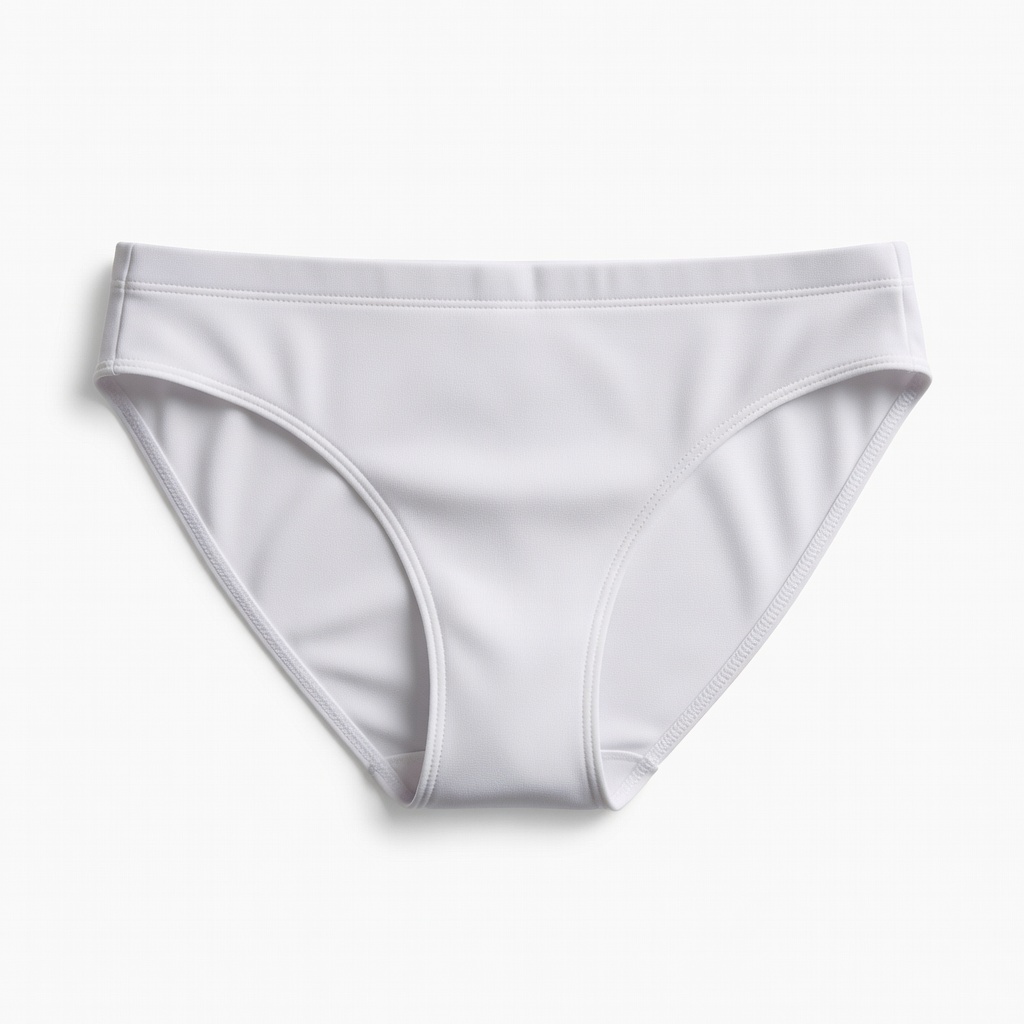
Competitive racing or high-volume training.
Arena Powerskin ST Next Brief PBT-core fabric with 0.02% retention; fastest lab-tested dry (30 min).
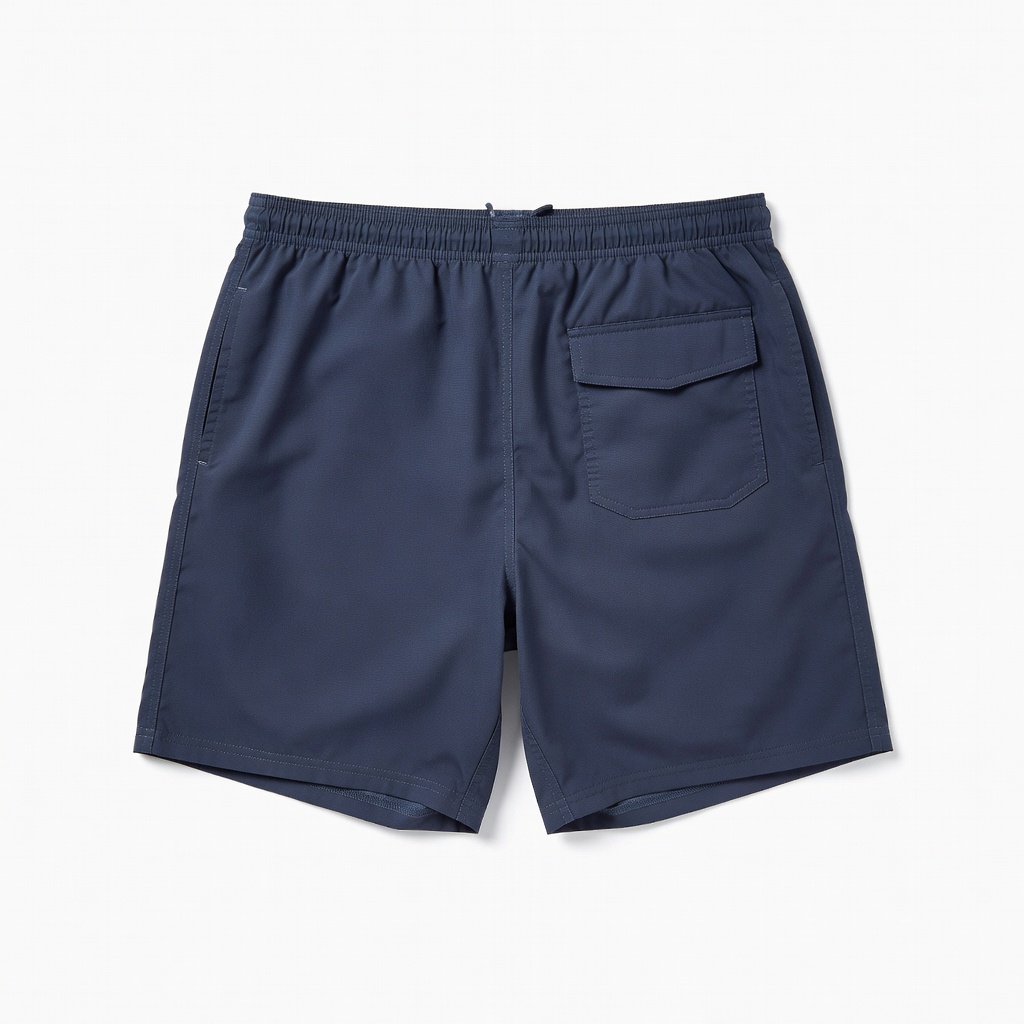
Open water, casual swims; great entry to performance.
Baleaf Men's Quick Dry Swim Trunks Recycled polyester, ultra-breathable for 45-min dry; budget king.