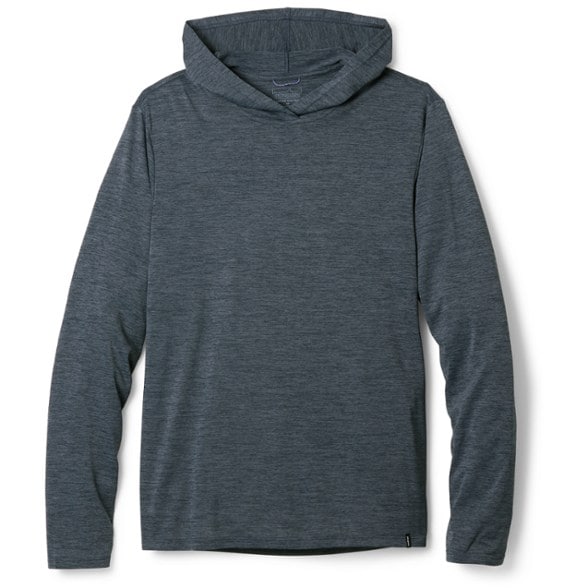
CrossFit workouts are brutal: high-intensity intervals, heavy lifts, and endless burpees leave you drenched in sweat. A hoodie that traps moisture turns discomfort into misery, chafing skin and slowing you down. But the right sweat-wicking hoodie pulls sweat away, evaporates it fast, and keeps you focused on the WOD.
In this guide, you'll learn what makes a hoodie wick sweat effectively, key fabrics and tech to look for, and top recommendations tailored for CrossFit beginners. By the end, you'll know how to pick a hoodie that performs like your favorite gym gear. Expect a straightforward explainer—no jargon overload, just actionable insights in 10-15 minutes.
▸What You'll Need
- •Basic understanding of CrossFit (high-intensity workouts)
- •Measuring tape for sizing (optional but recommended)
- •Online shopping access or store visit
- •Budget of $30-$100
Estimated Time: 10-15 minutes
Difficulty: beginner
▸Step-by-Step Instructions
Step 1: Understand Sweat-Wicking Basics
Sweat-wicking means a fabric pulls moisture from your skin to the surface, where it evaporates quickly. Think of it like a towel in reverse: instead of absorbing sweat, it spreads it out thin to dry fast.
Hydrophilic (water-loving) materials in the fabric create channels via capillary action—tiny tubes that shuttle sweat away. This keeps your skin dry and regulates temperature during explosive CrossFit moves.
What to expect: Dry comfort even after 20 minutes of AMRAPs.
💡 Tips:
- •Analogy: Like a sponge squeezed over a towel—the water jumps to the towel.
Step 2: Why Wicking is Crucial for CrossFit
CrossFit mixes cardio, strength, and gymnastics in short, intense bursts. You sweat profusely—up to 2 liters per hour. Poor wicking leads to heavy, clinging clothes that restrict movement and cause overheating.
Great wicking hoodies maintain performance: lighter weight as sweat evaporates, less chafing on pull-ups or rope climbs.
Why it matters: Beginners often quit sets early from discomfort—wicking fixes that.
⚠️ Warnings:
- •Avoid cotton: it absorbs and holds sweat like a wet rag.
Step 3: Key Fabrics for Superior Wicking
Polyester dominates for wicking—synthetic fibers don't absorb water but transport it. Nylon blends add durability for barbell work. Merino wool (natural) wicks well but pricier and slower-drying.
Blends like poly-elastane (5-10% spandex) stretch without trapping moisture.
Pro pick: 80-100% polyester for budget-friendly, fast dry times.
💡 Tips:
- •Check labels: Look for 'quick-dry' or 'moisture-wicking' claims backed by tech icons.
Step 4: Must-Have Wicking Technologies
Brands embed tech for better performance:
- •Nike Dri-FIT: Micro-threads wick sweat 4x faster than cotton.
- •Under Armour UA Tech: Loose fit, anti-odor treatment.
- •Adidas AeroReady: Laser-perforated for ventilation.
- •Lululemon Silverescent: Silver ions kill bacteria.
These outperform generic 'athletic' fabrics in lab tests and real WODs.
Step 5: Evaluate Fit and Extra Features
Wicking fails if fit traps sweat. Choose relaxed athletic fit: room for layers, thumbholes for grip, adjustable hoods that stay put during cleans.
Lightweight (under 8 oz) and UPF 30+ for outdoor boxes.
Test it: Pinch fabric—quick bounce-back means good wicking.
💡 Tips:
- •Size up for mobility; women's fits often run small.
Step 6: Test Wicking in Real Workouts
Buy from return-friendly sites. Wear for a 20-min EMOM: if inner layer stays drier than outer, it wicks well.
Post-workout: Dries in 1-2 hours? Winner.
Why: Labels lie; real sweat reveals truth.
⚠️ Warnings:
- •Don't test in low-sweat activities—mimic CrossFit intensity.
Step 7: Maintain Wicking Long-Term
Wash cold, inside-out, no fabric softener (clogs fibers). Air dry to preserve elasticity.
Lifespan: 50+ washes if cared for right.
▸Pro Tips
- •Layer with base tanks for max wicking—hoodie as outer shell.
- •Dark colors hide sweat stains better.
- •Thumbholes prevent sleeve ride-up on muscle-ups.
- •Check reviews for 'CrossFit' mentions.
- •Buy during sales—tech doesn't change yearly.
- •Merino for odor control in multi-day boxes.
- •Ventilation zips for variable temps.
▸Common Mistakes to Avoid
- •Choosing fleece hoodies—they trap heat and moisture.
- •Ignoring sizing—too tight restricts wicking channels.
- •Using dryer sheets—coats fibers, kills wicking.
- •Picking cheap no-name brands—poor durability in chalky gyms.
- •Overlooking hood fit—floppy ones snag on bars.
▸Troubleshooting
Problem: Hoodie feels damp after light sweat
Solution: Wrong fabric—exchange for 100% polyester with tech. Pre-wash to activate.
Problem: Persistent odor despite washing
Solution: Use vinegar soak (1 cup per load). Avoid hot water.
Problem: Sleeves ride up during workouts
Solution: Opt for thumbholes or tape sleeves. Size check arms extended.
Problem: Wicking slows over time
Solution: No softener; air dry. Replace after 1-2 years heavy use.
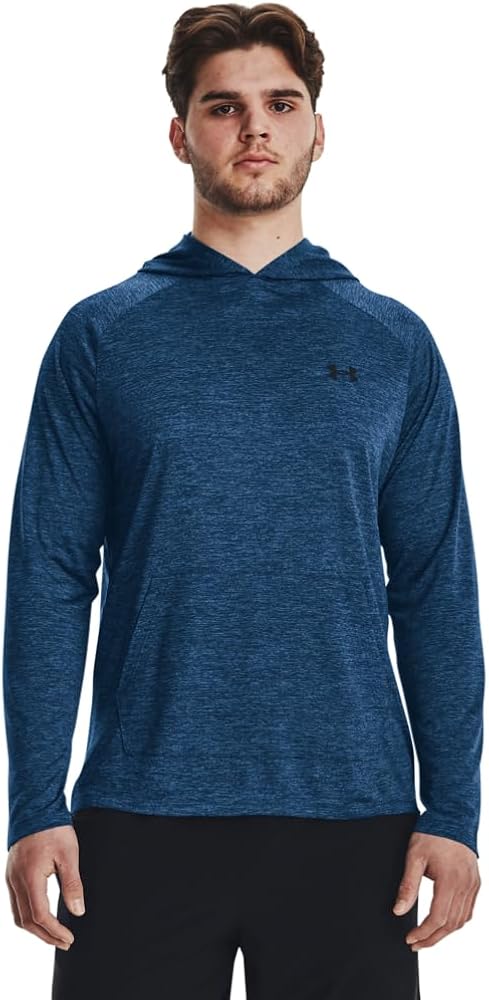
Under Armour Men's UA Tech 2.0 Long-Sleeve Hoodie
UA Tech fabric wicks sweat rapidly with mesh panels for breathability, lightweight for unrestricted CrossFit moves.
Best for: Daily WODs, AMRAPs—stays dry in humid garages.
Price Range: $30-$40
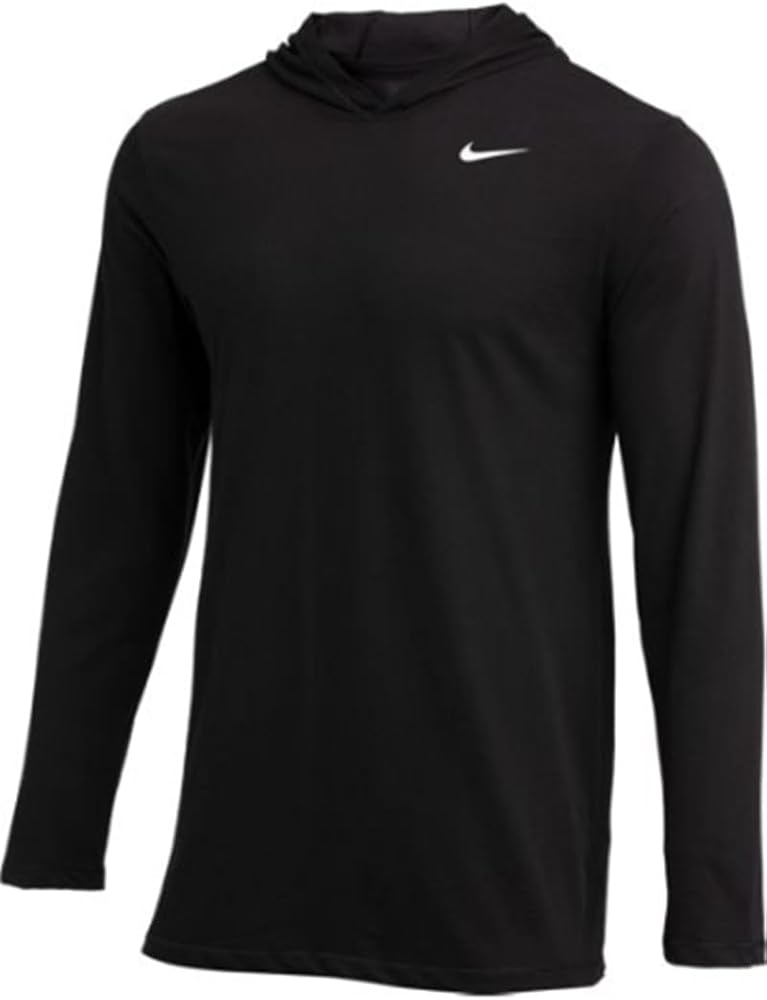
Nike Pro Men's Long-Sleeve Top Hoodie
Dri-FIT technology spreads sweat thin for fast evaporation, plus body-mapped seams reduce chafing.
Best for: High-rep metcons and Olympic lifts.
Price Range: $50-$60
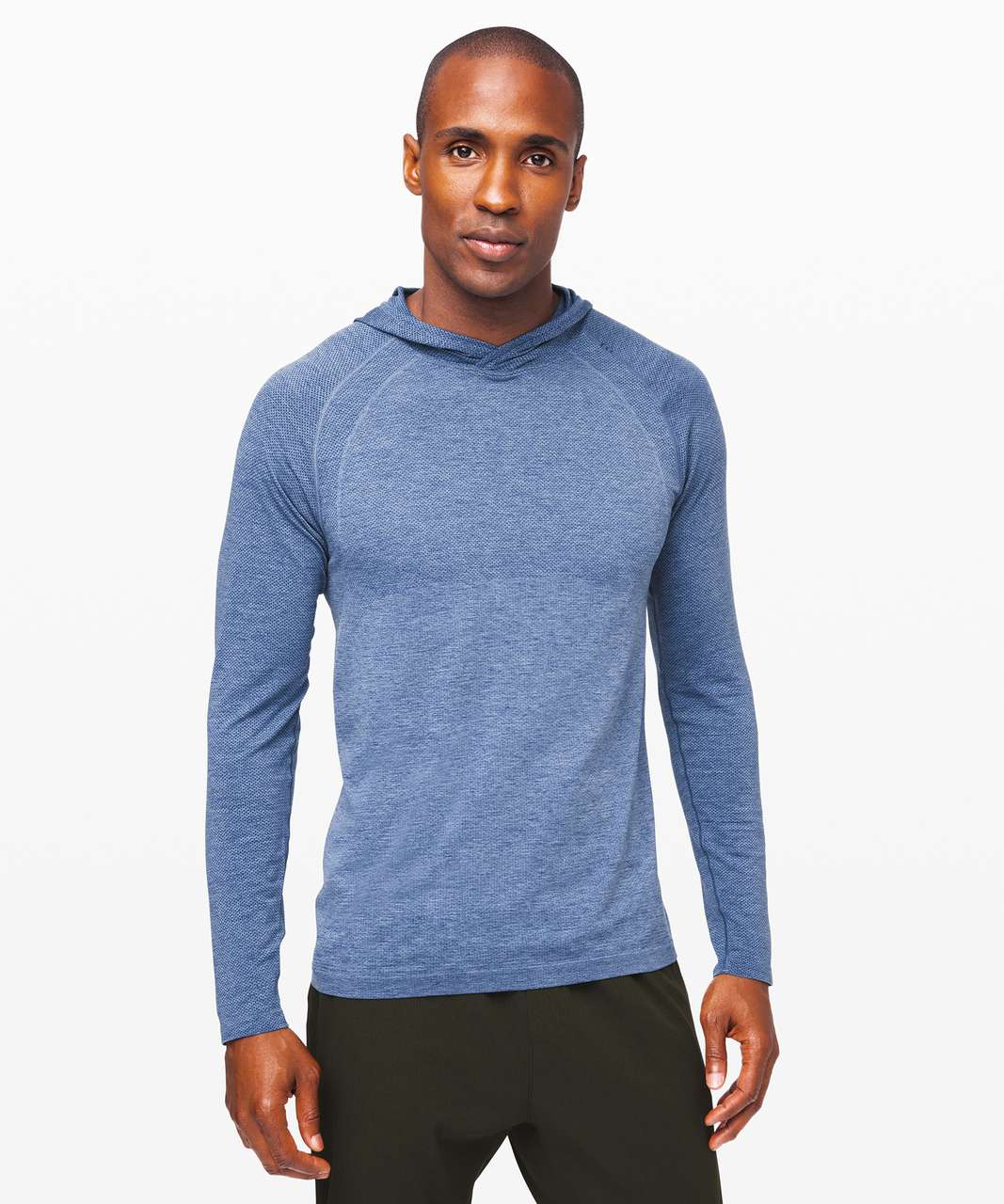
Lululemon Metal Vent Tech Long-Sleeve Hoodie
Silverescent tech kills bacteria, seamless construction maximizes wicking without irritation.
Best for: Sweaty box sessions, multi-sport training.
Price Range: $90-$110
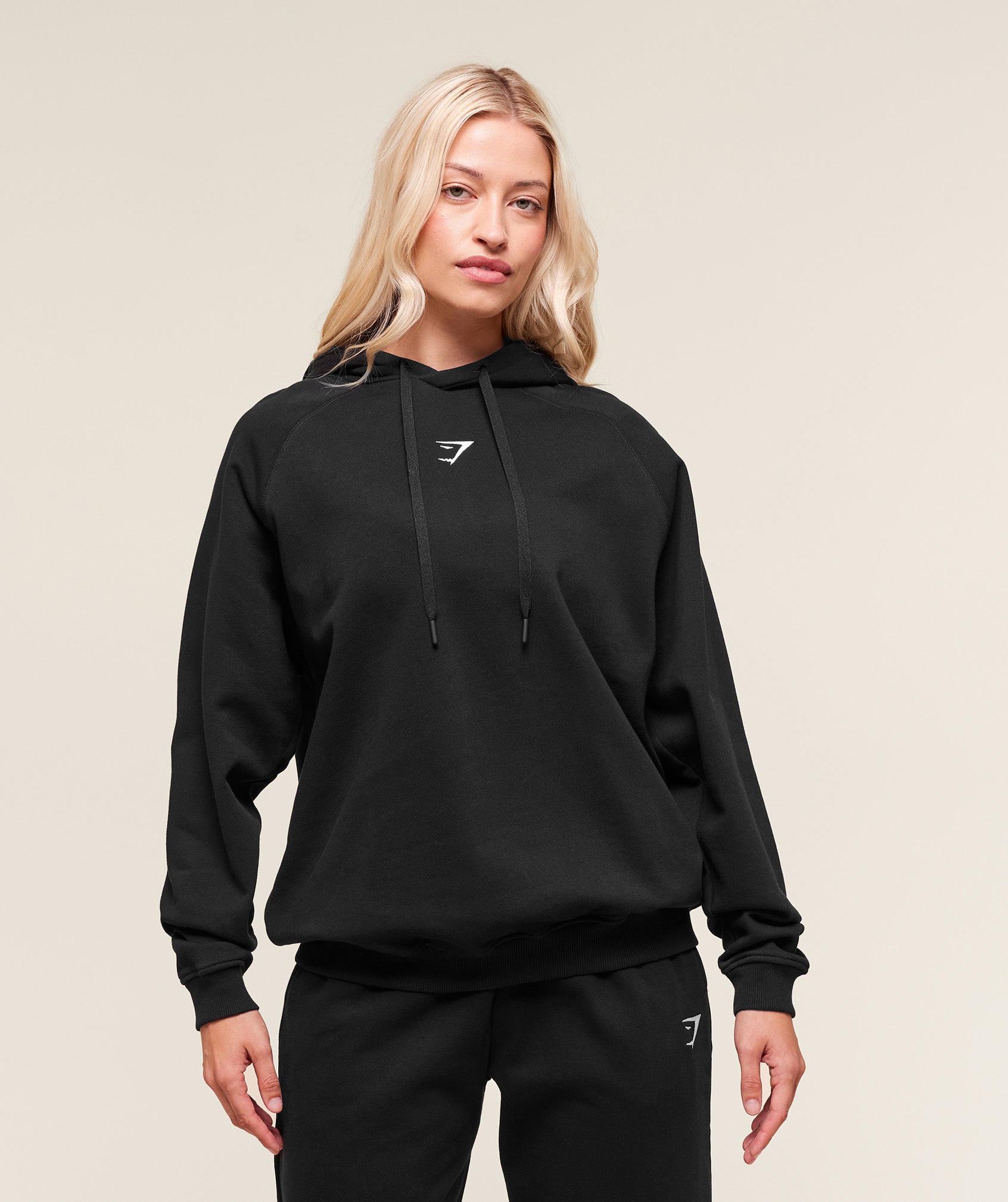
Gymshark Training Hoodie
Seamless fabric with targeted ventilation zones, budget-friendly wicking rivaling premiums.
Best for: Beginner CrossFitters on a budget, home gyms.
Price Range: $40-$50
Patagonia Men's Capilene Cool Daily Hoodie
Recycled polyester wicks 3x faster than cotton, odor-resistant for long days.
Best for: Outdoor CrossFit, eco-conscious athletes.
Price Range: $60-$80