
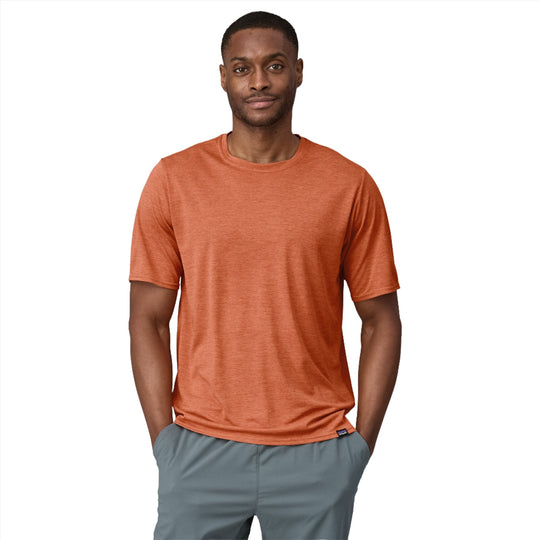
Patagonia Capilene Cool Daily Shirt
Gym bouldering or sport cragging; quick-dry for high-output.
$35-$45
Patagonia Capilene Cool Daily Shirt Polyester with miDori bio-derived yarn wicks 4x faster than cotton, HeiQ odor control for multi-day.
Get the App
Better experience on mobile
Master the science of moisture-wicking fabrics to stay dry and perform at your peak on any climb.
Climbers know the burn: sweat soaks your skin on a sweaty crux or multi-pitch sufferfest, leading to blisters, chills, or slippery grips. Active base layers are your first line of defense, engineered to wick sweat away fast—but how? This guide breaks down the physics and materials that make it happen.
You'll learn the mechanisms, fabrics, and climber-specific tech behind top wicking layers, empowering you to choose and use gear that keeps you dry. No fluff: advanced insights into capillary action, fiber chemistry, and real-world performance. Expect 15 minutes to level up your layering game.
From bouldering sessions to alpine epics, understanding wicking turns sweat from foe to friend.
Estimated Time: 15-20 minutes Difficulty: advanced
Climbing generates eccrine sweat—90% water, salty, produced by glands under stress and heat. In overhanging routes or humid conditions, output spikes to 2L/hour, saturating skin and gear.
Wicking starts here: base layers must transport this moisture laterally (across skin) before it pools. Expect rapid evaporation in low humidity, but high RH (relative humidity) slows it—key for trad leads in the Tetons.
Why it matters: Unwicked sweat drops body temp 1-2°C/min via evaporation, risking hypothermia post-crux.
💡 Tips:
⚠️ Warnings:
Absorption holds moisture (cotton traps 27x its weight—disaster for climbers). Wicking transfers it via capillary action to the fabric's outer surface for evaporation.
Hydrophilic (water-loving) fibers pull sweat; hydrophobic (water-repelling) push it out. Advanced layers blend both: inner hydrophilic, outer hydrophobic.
Outcome: Fabric dries 3-5x faster than cotton, maintaining 20-30% lower skin humidity.
💡 Tips:
Capillary action: Surface tension drives liquid up narrow channels. In base layers, micro-channels in yarns (10-100 microns) suck sweat like a sponge.
Formula basics: Rise height h = (2σ cosθ)/(ρgr), where σ=tension, θ=contact angle. Low θ (hydrophilic) = better wicking.
For climbers: Yarns with high surface area (hollow or textured polyester) wick 2-4x faster under dynamic stretch.
💡 Tips:
⚠️ Warnings:
Polyester/nylon blends: Cheap, fast-wicking (200-400% speed vs. cotton), treated with hydrophilic finishes. Drawback: Odor-prone.
Merino wool: Natural crimped fibers wick via protein structure, plus antibacterial. Hybrid merino-poly excels in multi-day.
Advanced tech: Ionic+ (moisture-activated ions), Graphine-infused fibers boost thermal transfer 30%.
💡 Tips:
Knit structures (jersey, interlock) create pathways. Grid or waffle traps air for evap, adds breathability (RET <6).
Denier variation: Low-denier inner (fine wick), high outer (quick dry). Compression fit enhances skin contact.
Climber edge: 4-way stretch maintains channels under harness rub.
💡 Tips:
In bouldering: High-intensity, needs instant wick (e.g., Polartec Delta). Multi-pitch: Temp swings demand merino regulation.
Data: Layers wick 70-90% sweat in 60s at 40% RH, vs. 20% for cotton.
Under load: Flatlock seams prevent chafe; antimicrobial silver kills bacteria.
⚠️ Warnings:
DIY test: Hang damp layer—dry time <2hrs = good. ASTM D737 airflow test proxies breathability.
Wash: Cold, no fabric softener (coats fibers). Air dry.
Pro: Rotate 2-3 layers to preserve.
💡 Tips:
Problem: Layer feels clammy mid-climb
Solution: Check fit/compression; switch to higher MVTR fabric. Pre-cool in shade.
Problem: Persistent odor despite washing
Solution: Use wool-safe detergent with enzymes; soak in vinegar. Replace if merino pilled.
Problem: Slow drying after wet pitch
Solution: Ensure outer layer breathes; use grid-structure for air trapping.
Problem: Chafing at seams
Solution: Opt for flatlock/ bonded seams; trim loose threads.
Polyester with miDori bio-derived yarn wicks 4x faster than cotton, HeiQ odor control for multi-day.
Best for: Gym bouldering or sport cragging; quick-dry for high-output.
Price Range: $35-$45
Natural merino crimped fibers excel at lateral wicking + temp regulation across 40°F swings.
Best for: Alpine multi-pitch or cool-weather trad; odor-free for 3+ days.
Price Range: $80-$95
Nylon-poly blend with hydrophilic grid for superior capillary action under stretch.
Best for: Overhanging projects; compression fit boosts skin transfer.
Price Range: $65-$75
Advanced polyester-elastane with Phasic AR tech for rapid evap in dynamic moves.
Best for: Ice/mixed climbing; seamless for zero chafe.
Price Range: $90-$110
Gym bouldering or sport cragging; quick-dry for high-output.
Patagonia Capilene Cool Daily Shirt Polyester with miDori bio-derived yarn wicks 4x faster than cotton, HeiQ odor control for multi-day.
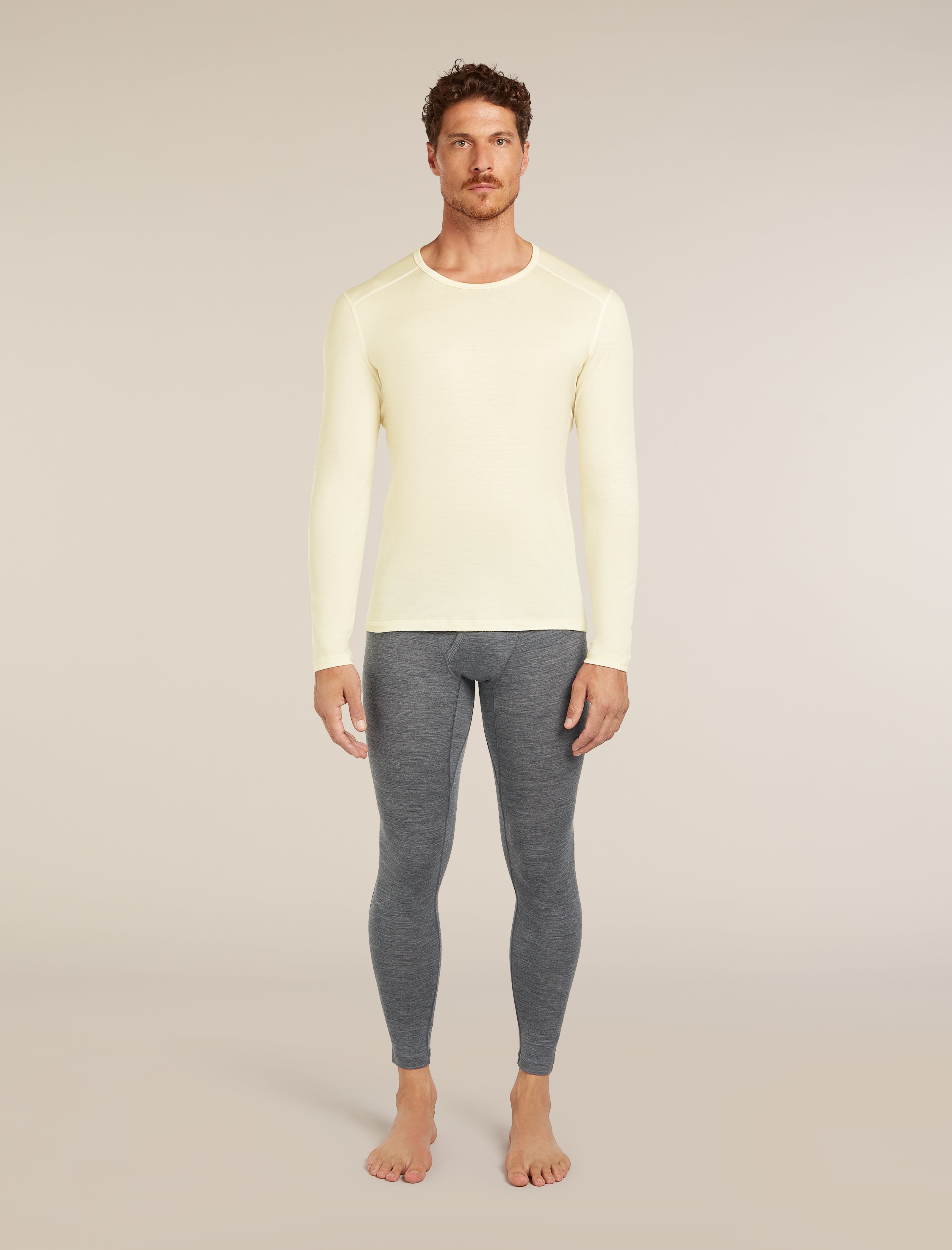
Alpine multi-pitch or cool-weather trad; odor-free for 3+ days.
Icebreaker Merino 150 Oasis LS Thermal Natural merino crimped fibers excel at lateral wicking + temp regulation across 40°F swings.
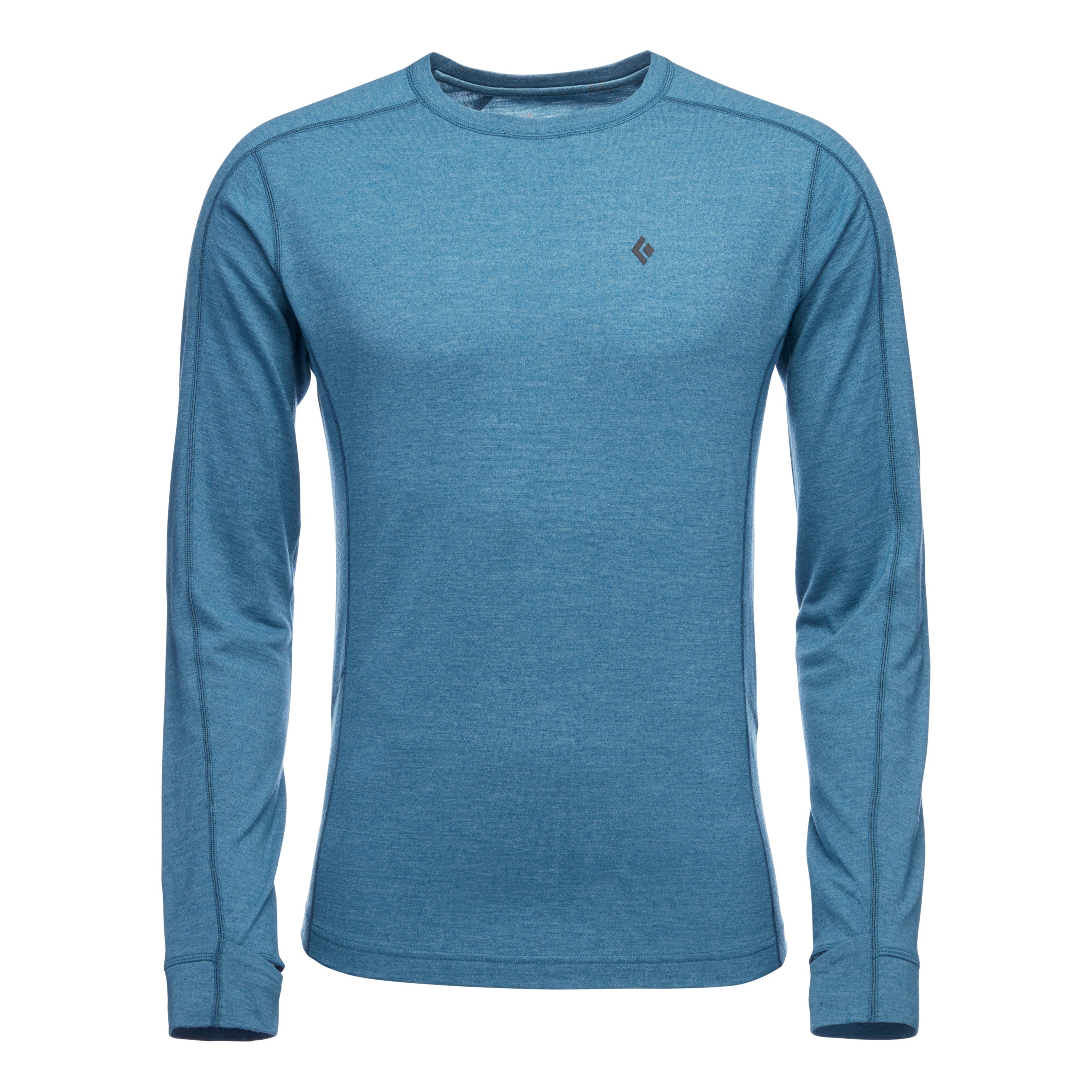
Overhanging projects; compression fit boosts skin transfer.
Black Diamond Solution 150 Baselayer Nylon-poly blend with hydrophilic grid for superior capillary action under stretch.
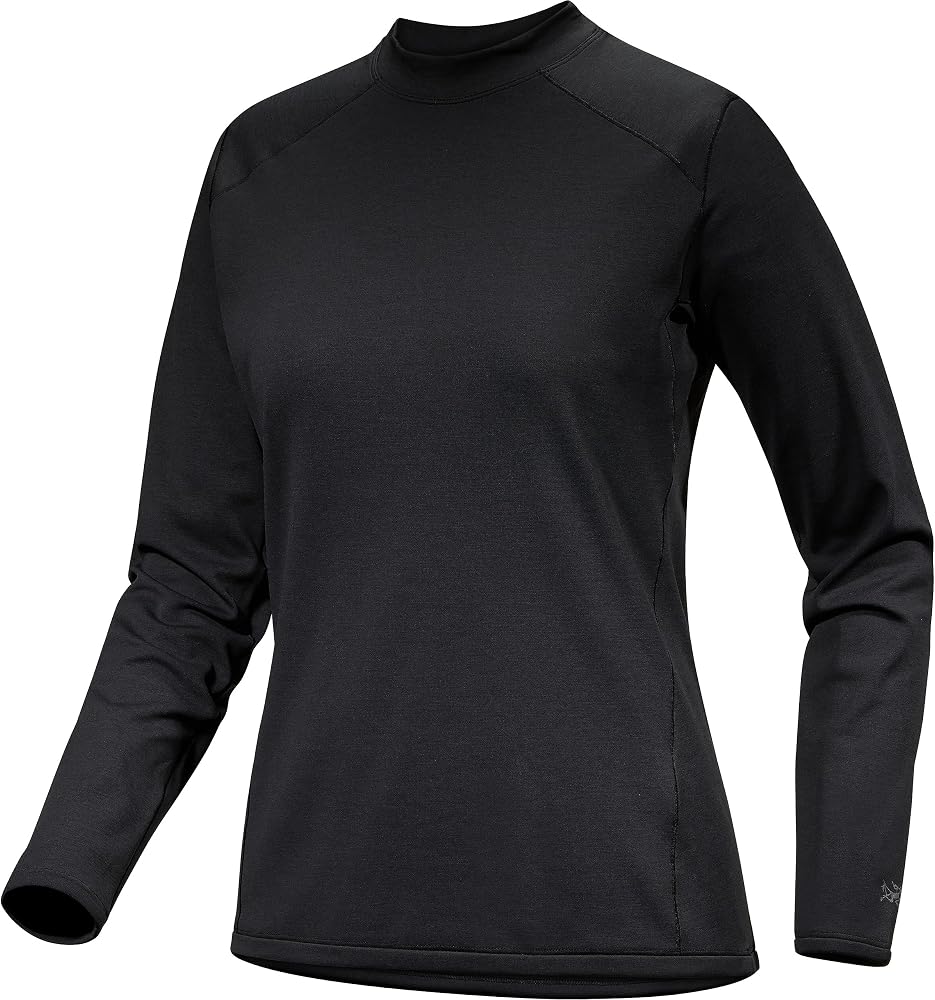
Ice/mixed climbing; seamless for zero chafe.
Arc'teryx Motus AR Base Layer Advanced polyester-elastane with Phasic AR tech for rapid evap in dynamic moves.