Hook: In a world of screens, nothing beats the spark of imaginative play where kids become heroes, explorers, and villains. But not all toys deliver—many fall flat without the right setup.
What you'll learn: This guide breaks down what makes action and adventure playsets ignite creativity, key features to look for, real examples, and product recommendations to get started.
Overview: We'll explore concepts from basics to advanced play ideas in simple steps. Expect 10-15 minutes of reading, beginner-friendly with no prior knowledge needed.
▸What You'll Need
- •Curious mind (no tools required)
- •Child's age and interests (optional: note preferences like superheroes or dinosaurs)
- •Safe play space (flat surface, 4x4 feet minimum)
Estimated Time: 10-15 minutes to read and plan
Difficulty: beginner
▸Step-by-Step Instructions
Step 1: Understand Imaginative Play Basics
Imaginative play is when kids create stories, roles, and worlds using toys—like turning a car into a spaceship. It's crucial for development, boosting problem-solving and empathy.
Playsets amplify this by providing a stage. Without them, action figures are just statues. Think of it like a blank canvas vs. a painted scene—playsets add details that inspire 'what if' scenarios.
Why it matters: Studies show kids with structured yet open-ended toys engage 40% longer.
💡 Tips:
- •Observe your child's current play to gauge interests.
Step 2: Why Action & Adventure Playsets Excel
These playsets feature vehicles, forts, and figures for high-energy stories—battles, rescues, explorations. Unlike static toys, they have moving parts and multi-level designs.
Analogy: A playground vs. a sandbox. Playsets are the playground with slides (vehicles) and towers (bases) that guide but don't limit imagination.
Expect: Endless replay value as kids remix scenarios.
⚠️ Warnings:
- •Avoid overly scripted sets that force one story.
Step 3: Spot Key Features That Inspire
Look for modularity (connectable pieces), interactive elements (buttons, lights), and scale compatibility with figures.
Modularity: Snap-together parts let kids build custom worlds. Interactivity: Sounds/lights trigger actions, like launching rockets.
Why: These reduce 'what now?' boredom, per child psychologists.
💡 Tips:
- •Prioritize 80% open-ended, 20% fixed elements.
Step 4: Explore Popular Playset Types
- •Superhero Bases: Batcaves with gadgets. 2. Vehicle HQs: Garages with ramps. 3. Adventure Forts: Pirate ships or castles. 4. Dino/Jungle Sets: Volcanos with traps.
Each type suits themes: superheroes for good-vs-evil, vehicles for races/chases.
Pro insight: Mix types for hybrid play, like dino vs. superheroes.
Step 5: See Real Examples in Action
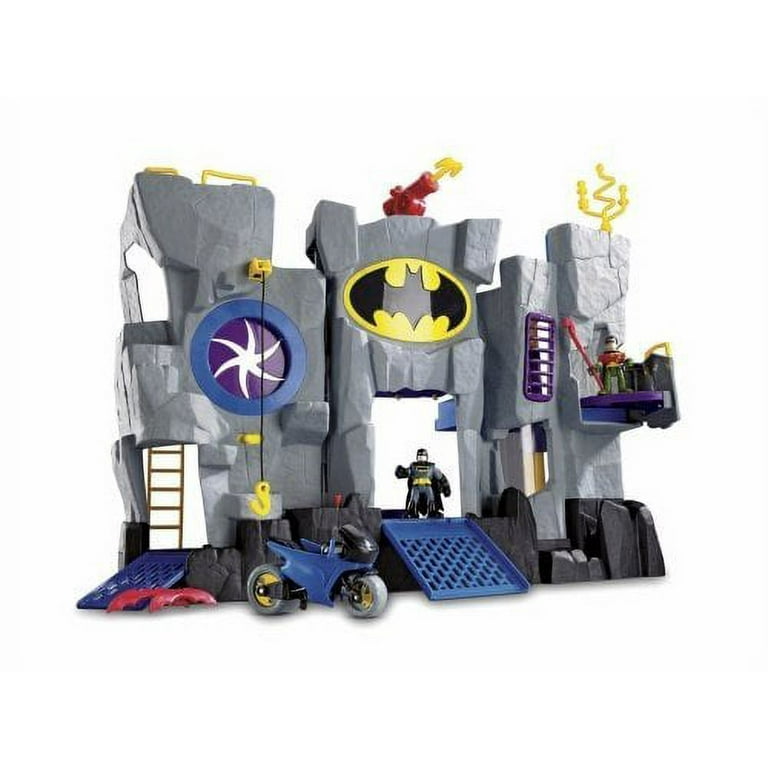
Take Imaginext Batcave: Garage launches Batmobile, elevator moves figures—kids stage sieges.
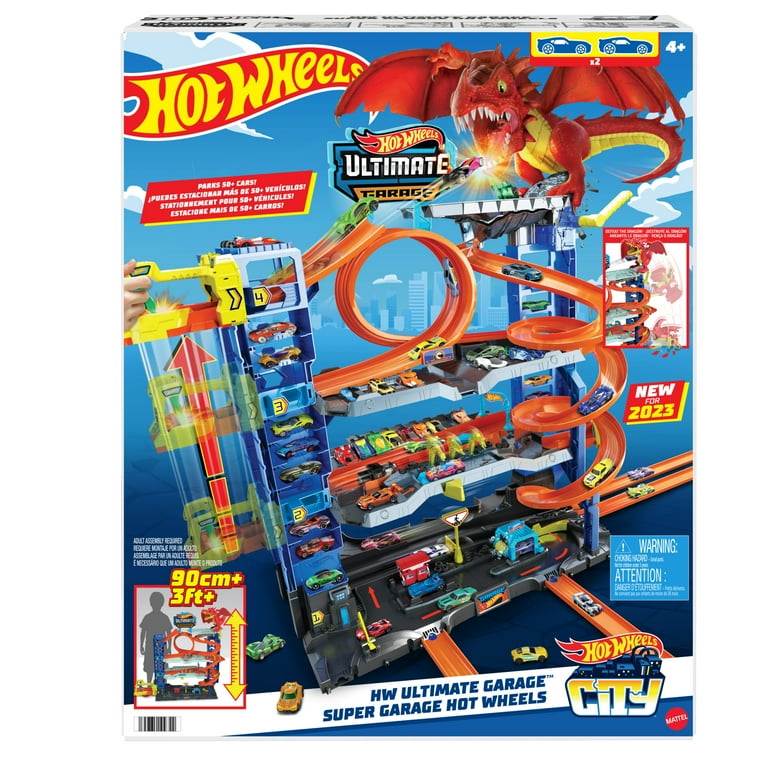
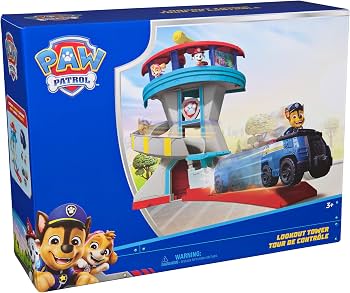
Paw Patrol Tower: Vehicles zip up, lookout spins stories. Hot Wheels Garage: Loops and elevators create crash derbies turned rescues.
Outcome: Kids play 2-3x longer, inventing rules.
💡 Tips:
- •Watch YouTube unboxings for play demos.
Step 6: Choose Playsets for Your Child
Match age (3-5: simple; 6+: complex), interests, and budget. Check reviews for durability.
Steps: 1. List themes. 2. Verify figure compatibility. 3. Ensure expandability.
Expect success: Playset that grows with skill level.
⚠️ Warnings:
- •Skip cheap knockoffs—parts break easily.
Step 7: Maximize Play with Setup Tips
Assemble partially open-ended. Add household items (boxes as mountains). Rotate figures weekly.
Why: Prevents overuse, sparks new stories.
Benefits: Builds language as kids narrate aloud.
💡 Tips:
- •Set 20-min daily play timers for routine.
▸Pro Tips
- •Combine playsets from same brand for seamless play.
- •Store organized by theme to encourage quick starts.
- •Involve kids in assembly—teaches following instructions.
- •Theme nights: 'Pirate battle Tuesday' boosts excitement.
- •Clean weekly with damp cloth to maintain appeal.
- •Photograph play sessions for memory books.
- •Expand with 1 new figure quarterly.
▸Common Mistakes to Avoid
- •Buying mismatched scales—figures don't fit, frustrating play.
- •Over-assembling—leaves no room for kid modifications.
- •Ignoring age ratings—too complex overwhelms beginners.
- •Forgetting storage—lost pieces kill momentum.
- •Choosing licensed-only sets—limits to one story.
▸Troubleshooting
Problem: Playset pieces break easily
Solution: Check for genuine brands; use gentle play rules for under-5s. Glue minor cracks with toy-safe adhesive.
Problem: Kid loses interest quickly
Solution: Introduce new scenarios or mix with other toys. Limit playtime to build anticipation.
Problem: Too much noise from sounds/lights
Solution: Remove batteries for quiet mode or play in designated areas.
Fisher-Price Imaginext DC Super Friends Batcave
Modular cave with launcher, elevator, and Batmobile compatibility inspires superhero battles and hideouts.
Best for: Perfect for 3-8 year olds loving Batman—endless defense/attack stories.
Price Range: $45-$55
Hot Wheels City Ultimate Garage Playset
Multi-level with elevators, loops, and 100+ car capacity fuels racing adventures and city-building.
Best for: Race enthusiasts 5+; great for group play with crashes turning into rescues.
Price Range: $90-$110
PAW Patrol Ultimate Rescue Lookout Tower
Interactive tower with zipline, lights, sounds—sparks rescue missions with vehicle docking.
Best for: 3-6 year olds into pups; teaches teamwork through play.
Price Range: $40-$50
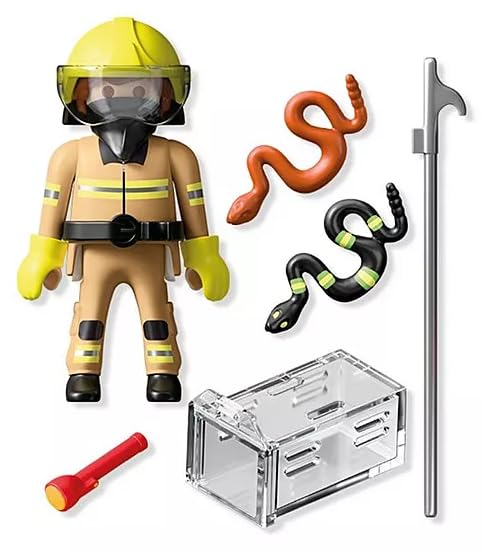
Playmobil 71282 Ninja Warrior Action Playset
Detailed dojo with traps and figures encourages stealth missions and battles.
Best for: 5-12 year olds for martial arts adventures; highly durable.
Price Range: $25-$35
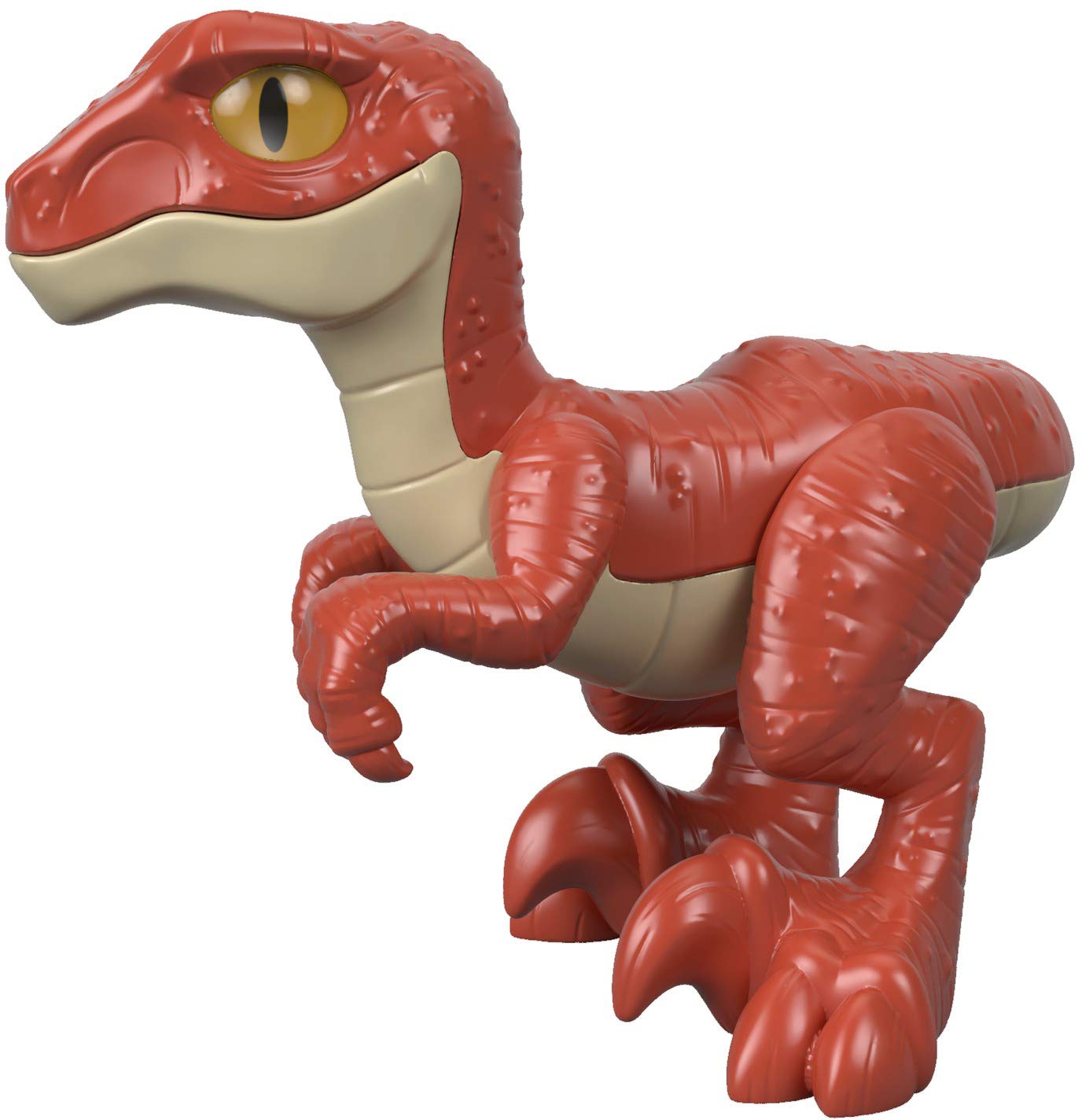
Fisher-Price Imaginext Jurassic World Volcano Raptor Breakout
Erupting volcano with dinos and traps for dino hunts—pure prehistoric imagination.
Best for: Dino fans 3-8; expandable with Imaginext figures.
Price Range: $35-$45