
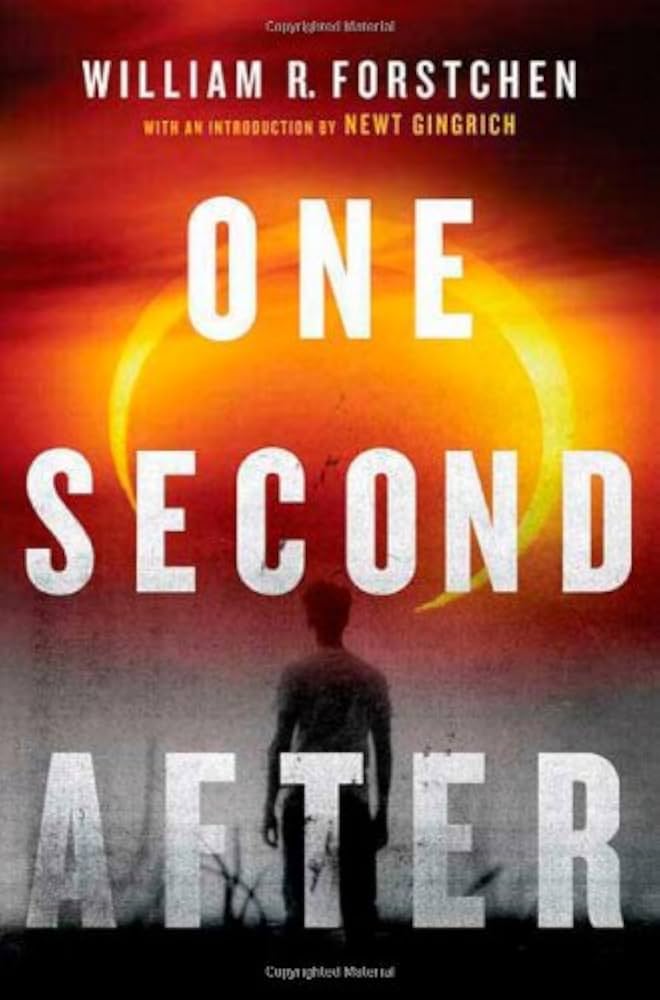
One Second After by William R. Forstchen
Ideal for EMP/nuclear prep; read before stocking meds/barter items.
$9.99
One Second After by William R. Forstchen Realistic EMP portrayal teaches grid-down community survival and defense.
Get the App
Better experience on mobile
Discover top action and adventure novels that build real-world survival skills through thrilling stories, perfect for intermediate preppers.
In an unpredictable world, prepping isn't just about gear—it's about mindset. Many overlook how gripping action and adventure fiction can immerse you in survival scenarios, teaching skills like resourcefulness, decision-making, and resilience far better than dry manuals. These stories make prep fun and memorable.
This guide breaks down why these books matter, key skills they teach, top recommendations, and how to apply lessons to your prep. You'll learn to select books that match your level, extract practical takeaways, and build a prepper reading list. Expect 20-30 minutes to absorb the guide, plus reading time.
No prior expertise needed beyond basic prep interest; we'll use simple analogies and examples to make it accessible for intermediate audiences.
Estimated Time: 20-30 minutes to read guide; 10-40 hours per book Difficulty: intermediate
Action and adventure books simulate high-stakes survival without real danger, building mental toughness. Unlike manuals, they show how characters adapt under stress—like MacGyvering tools from junk—making skills stick via emotion and narrative.
Why it matters: Studies show stories enhance retention by 22x (per Stanford). Expect empathy for panicked decisions, revealing your own gaps.
Analogy: Manuals are recipes; fiction is a chef's chaotic kitchen improv.
💡 Tips:
⚠️ Warnings:
Focus on books covering wilderness foraging, urban scavenging, post-disaster leadership, and psychological endurance. Key themes: water sourcing (boiling/rain collection), fire-making, shelter-building, navigation, self-defense.
Breakdown: Wilderness books emphasize solo skills; post-apoc tales hit group dynamics and long-term sustainability. Expect realistic physics—e.g., calorie deficits causing errors.
Why prioritize: Intermediate preppers need scenario practice beyond basics.
💡 Tips:
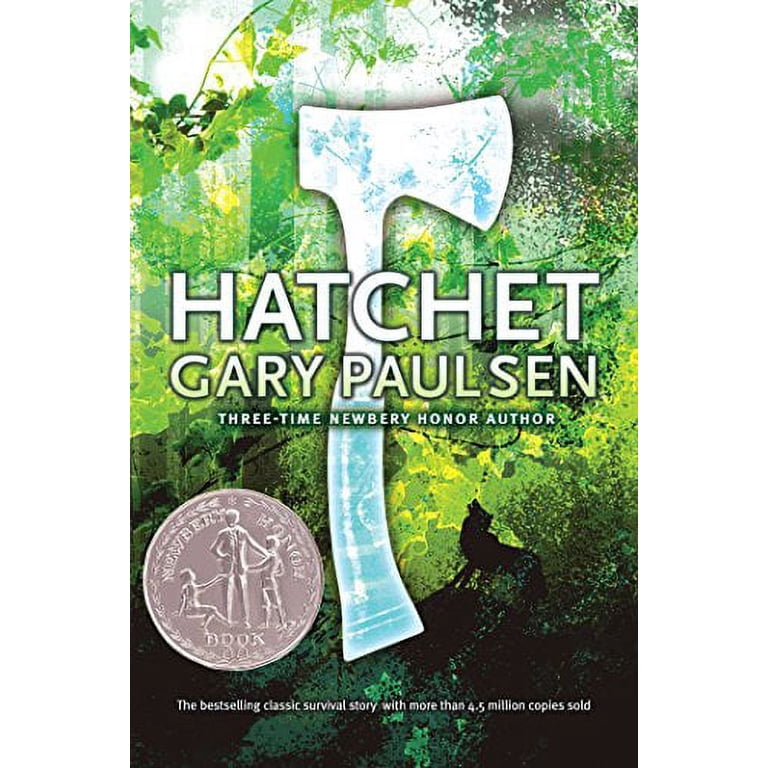
Books like Hatchet drop you in the wild, teaching improvisation. Protagonist Brian survives a plane crash using a hatchet for shelter, fire, and hunting—mirroring real bushcraft.
Lessons: Mood recognition (fear vs. focus), tool multi-use. Expect raw hunger scenes prepping your psyche for rationing.
Great for intermediates bridging basic to advanced.
💡 Tips:
⚠️ Warnings:
One Second After depicts an EMP attack crippling society. Follow a town defending against starvation, raiders—learning barter, community defense, medical improv.
Key takeaways: Grid-down realism (no power = no fridge). Analogies to current events make it prescient.
Why essential: Preps you for SHTF societal breakdown.
💡 Tips:
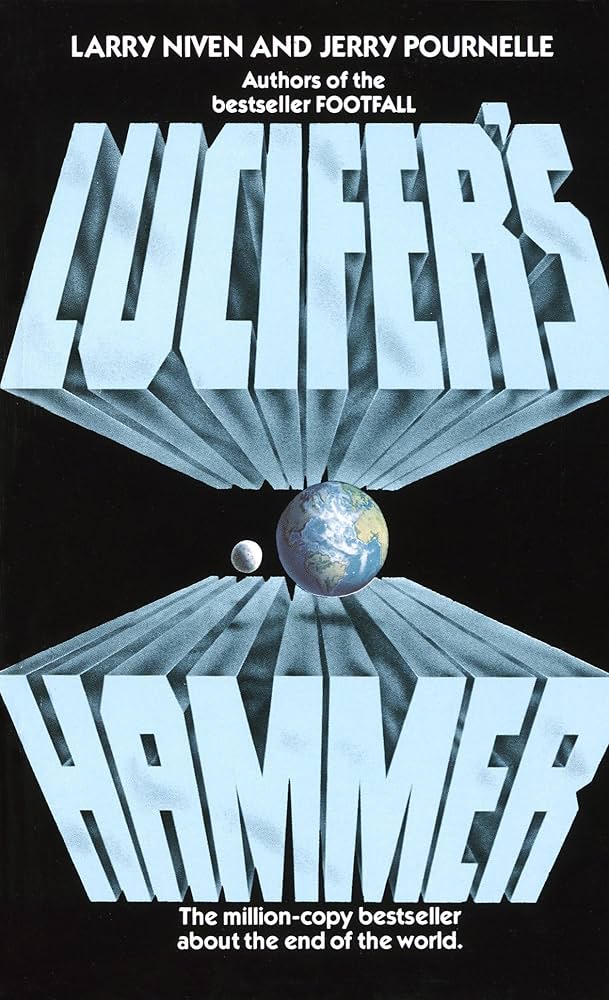
Lucifer's Hammer unleashes a comet, forcing survivors into feudal societies. Covers farming post-impact, tech scavenging, faction wars.
Insights: Ham radio comms, horse husbandry, weapon-crafting from scrap. Expect gritty politics mirroring real group fractures.
Builds strategic thinking for year+ survival.
💡 Tips:
⚠️ Warnings:
Alas, Babylon simulates a U.S.-Soviet exchange; a Florida town rations, scavenges, defends. Highlights radiation myths, fishing/trapping, leadership without authority.
Practical: Penicillin brewing, bike repairs. Timeless since 1959, updated analogies for today.
Perfect for community-focused preppers.
💡 Tips:
Post-read: List 5 skills practiced (e.g., 'forage edibles'). Test one weekly—build a debris hut. Track mindset shifts like stoicism.
Why last: Reinforces learning loop. Expect 'aha' moments linking fiction to gear (e.g., multi-tool like hatchet).
Build a 10-book rotation for ongoing training.
💡 Tips:
Problem: Book feels too unrealistic or dated.
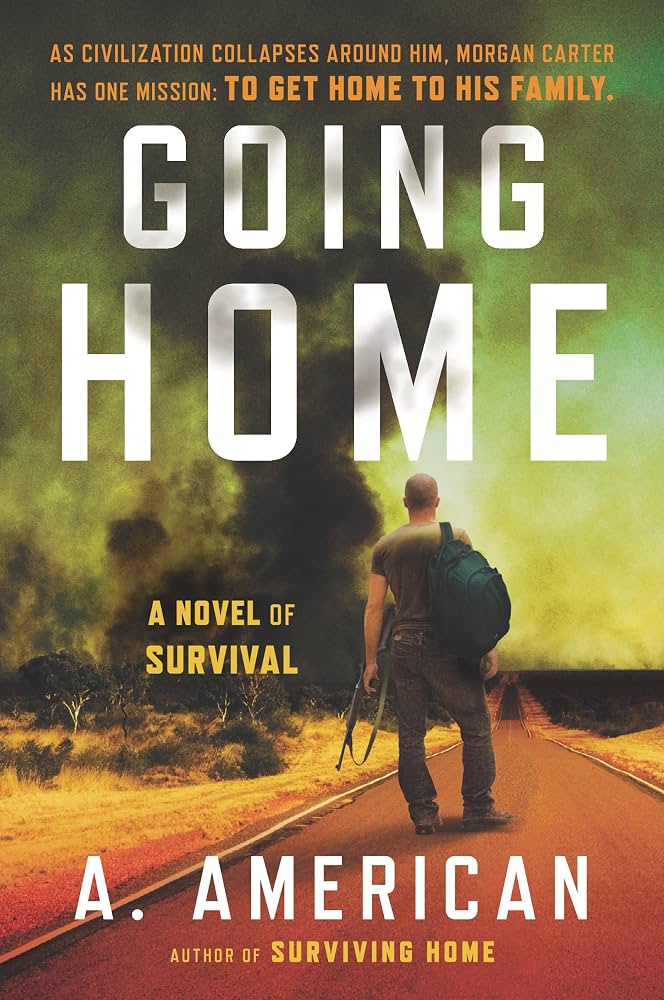
Solution: Skip to modern ones like 'Going Home'; research author's credentials first.
Problem: Overwhelmed by violence/scares.
Solution: Pause, affirm it's fiction; pair with calming non-fiction like SAS Handbook.
Problem: Can't apply urban skills.
Solution: Adapt: e.g., rooftop garden from farming scenes; seek city-prep variants.
Realistic EMP portrayal teaches grid-down community survival and defense.
Best for: Ideal for EMP/nuclear prep; read before stocking meds/barter items.
Price Range: $9.99
Masterclass in solo wilderness improv with one tool.
Best for: Perfect for bug-out bag mindset; practice hatchet skills after.
Price Range: $7.99
Science-based comet strike shows long-term rebuilding.
Best for: For advanced preppers planning 1+ year sustainability.
Price Range: $12.99
Timeless nuclear survival with practical small-town tactics.
Best for: Group prep training; discuss in family meetings.
Price Range: $9.49
Modern SHTF walk-home scenario with gear hacks.
Best for: Vehicle failure prep; budget-friendly series starter.
Price Range: $4.99
Ideal for EMP/nuclear prep; read before stocking meds/barter items.
One Second After by William R. Forstchen Realistic EMP portrayal teaches grid-down community survival and defense.
Perfect for bug-out bag mindset; practice hatchet skills after.
Hatchet by Gary Paulsen Masterclass in solo wilderness improv with one tool.
For advanced preppers planning 1+ year sustainability.
Lucifer's Hammer by Larry Niven and Jerry Pournelle Science-based comet strike shows long-term rebuilding.

Group prep training; discuss in family meetings.
Alas, Babylon by Pat Frank Timeless nuclear survival with practical small-town tactics.
Vehicle failure prep; budget-friendly series starter.
Going Home (Survivalist #1) by A. American Modern SHTF walk-home scenario with gear hacks.