
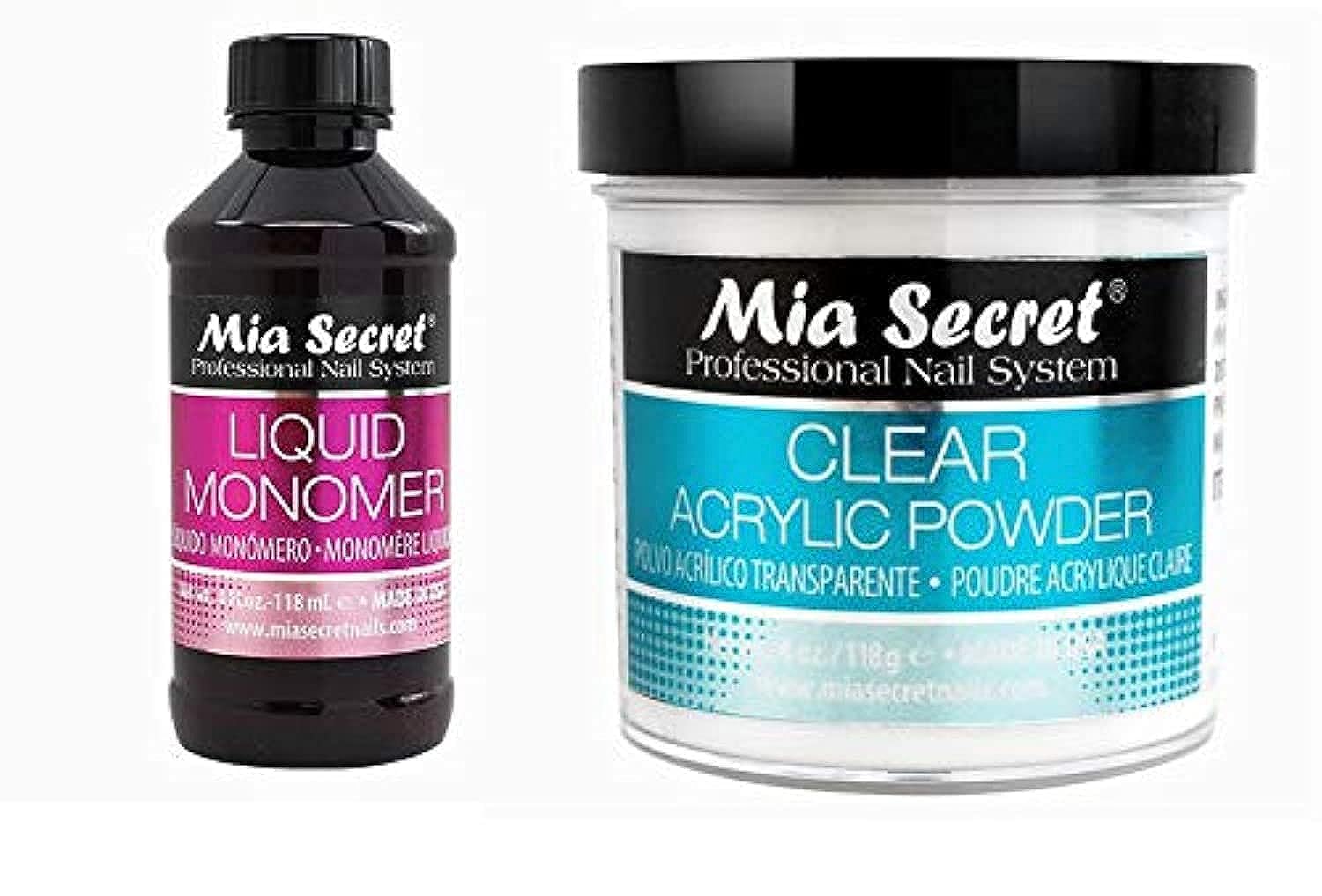
Mia Secret Acrylic Liquid Monomer 4oz
Daily home use on natural or extension nails.
$8-$12
Mia Secret Acrylic Liquid Monomer 4oz High EMA content with strong inhibitors prevents premature hardening and cracking; low odor for beginners.
Get the App
Better experience on mobile
Discover the best acrylic liquids that stop cracking in nail extensions, with beginner-friendly explanations and top product picks to achieve durable, flawless results.
Cracking acrylic nails is a frustrating nightmare for beginners—your beautiful extensions shatter after just a few days, wasting time and money. Whether you're practicing at home or starting a nail career, understanding acrylic liquids is key to long-lasting manicures.
In this guide, you'll learn what causes cracking, the science behind acrylic liquids (monomers), and which ones reliably prevent issues. We'll break it down simply, no chemistry degree needed. Expect to grasp the concept in 10-15 minutes and apply it confidently right away.
By the end, you'll know how to choose liquids for crack-proof nails, avoiding common pitfalls that plague newbies.
Estimated Time: 10-15 minutes to read and understand Difficulty: beginner
Acrylic nails form when acrylic powder (a polymer) mixes with acrylic liquid (a monomer) on the nail. The liquid dissolves the powder into a malleable 'bead' that hardens via polymerization—a chemical reaction turning liquid goo into solid plastic.
Think of it like epoxy glue: mix wrong, and it stays sticky or cracks. For beginners, this duo is everything—poor liquid means weak nails prone to cracking under pressure.
Why it matters: Cracking starts here; quality liquid ensures strong bonds.
💡 Tips:
Cracking happens from weak polymerization, moisture interference, or mismatched products. Common culprits: low-quality liquid with impurities, wrong powder-to-liquid ratio (too dry = brittle), or no inhibitors (chemicals slowing the reaction for control).
Analogy: Like baking without enough eggs—the 'dough' (acrylic bead) dries out and cracks. External factors like hand washing or impact exacerbate it.
Expect: Nails crack along stress points (tips, edges) within 1-3 days if liquid fails.
⚠️ Warnings:
Monomer is the liquid solvent that activates powder. Key ingredients: Ethyl Methacrylate (EMA, safer), solvents, and inhibitors like hydroquinone to prevent premature hardening.
Good monomers have balanced viscosity (thickness)—too thin runs; too thick beads poorly. They ensure even curing under UV/LED or air, forming flexible-yet-strong chains.
Why it prevents cracking: Stable monomers create resilient polymers that flex without snapping.
💡 Tips:
Look for:
Analogy: Like oil in an engine—right type lubricates for smooth performance without seizing (cracking).
Pro pick: Polymer-ready liquids with dehydrators built-in.
💡 Tips:
Mix a small bead: It should mold 30-90 seconds without hardening too fast. Cure on a tip—flex after 24 hours; no cracks = winner.
Apply to fake nail: Wear for a week, tap/wash—intact? Approved.
Why test: Real-world proof beats claims.
⚠️ Warnings:
Dehydrate nail, prime, mix 1:1 ratio (pat liquid off brush). Apply thin layers, cure fully.
Expect: Smooth, shiny set without flooding cuticles.
This maximizes any good liquid's anti-crack power.
💡 Tips:
Problem: Nails crack immediately after curing
Solution: Wrong ratio or expired liquid—remix with fresh monomer, check ratio.
Problem: Cracks after 2-3 days
Solution: Weak bond from no primer or humidity. Dehydrate better, use AC.
Problem: Bead won't set or stays sticky
Solution: Too much liquid or no inhibitors. Switch to quality monomer.
Problem: Yellowing and cracking
Solution: Cheap MMA-based—upgrade to EMA non-yellowing formula.
High EMA content with strong inhibitors prevents premature hardening and cracking; low odor for beginners.
Best for: Daily home use on natural or extension nails.
Price Range: $8-$12
Pro-grade with optimal viscosity and dehydrator compatibility for ultra-durable, flex-resistant sets.
Best for: Salon-quality extensions needing long wear.
Price Range: $15-$20
Affordable, non-yellowing formula with balanced set time to avoid stress cracks.
Best for: Budget beginners practicing techniques.
Price Range: $10-$15
Low-odor, crack-resistant with extra inhibitors; great for sensitive skin.
Best for: All-day wear without lifting.
Price Range: $12-$18
Daily home use on natural or extension nails.
Mia Secret Acrylic Liquid Monomer 4oz High EMA content with strong inhibitors prevents premature hardening and cracking; low odor for beginners.
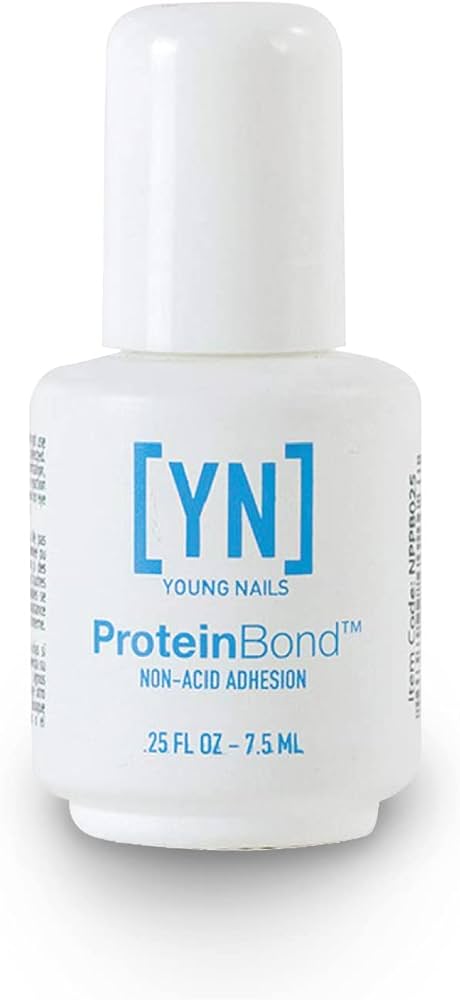
Salon-quality extensions needing long wear.
Young Nails Protein Bond + Speedy Acrylic Liquid Pro-grade with optimal viscosity and dehydrator compatibility for ultra-durable, flex-resistant sets.
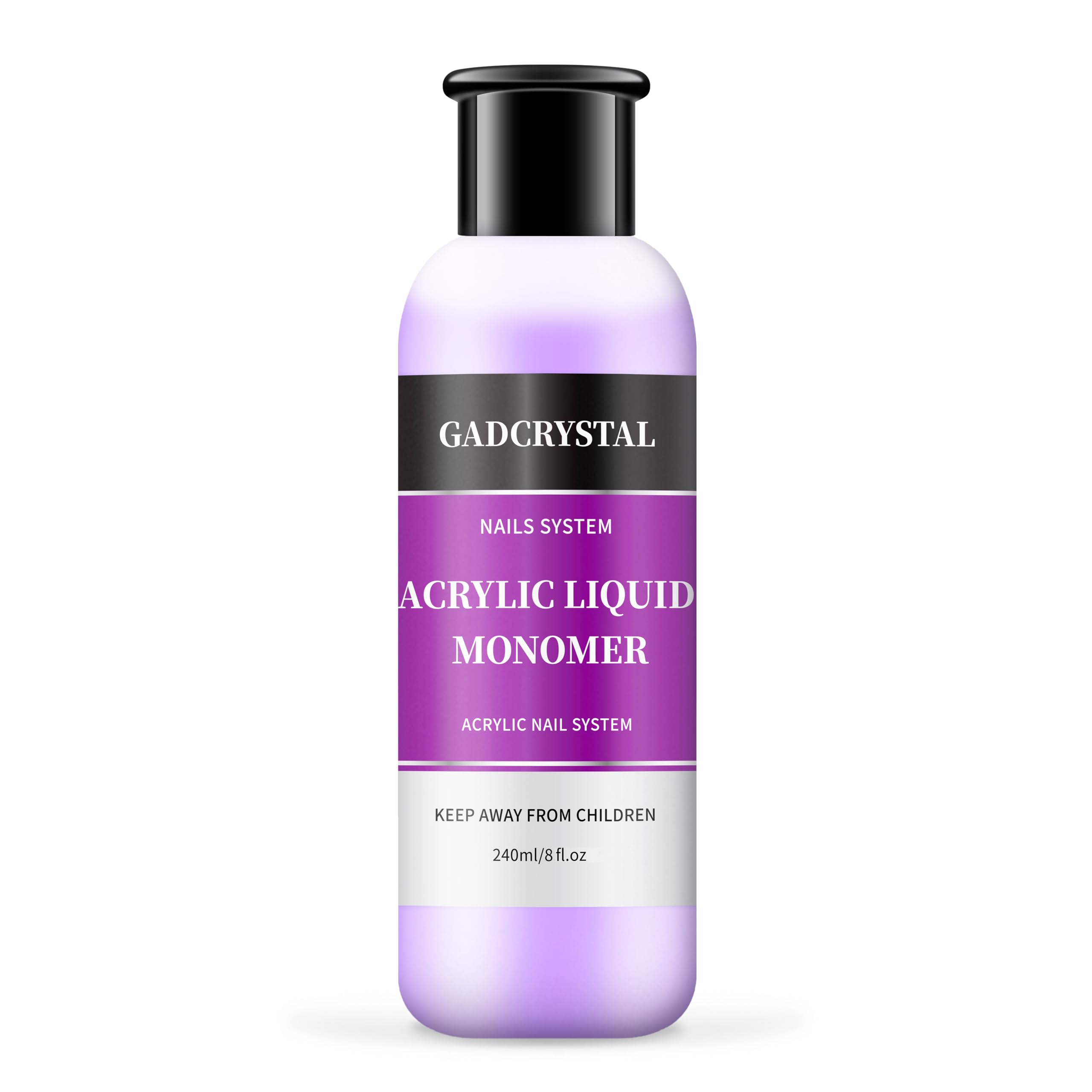
Budget beginners practicing techniques.
Apex Designs Acrylic Monomer Liquid 8oz Affordable, non-yellowing formula with balanced set time to avoid stress cracks.
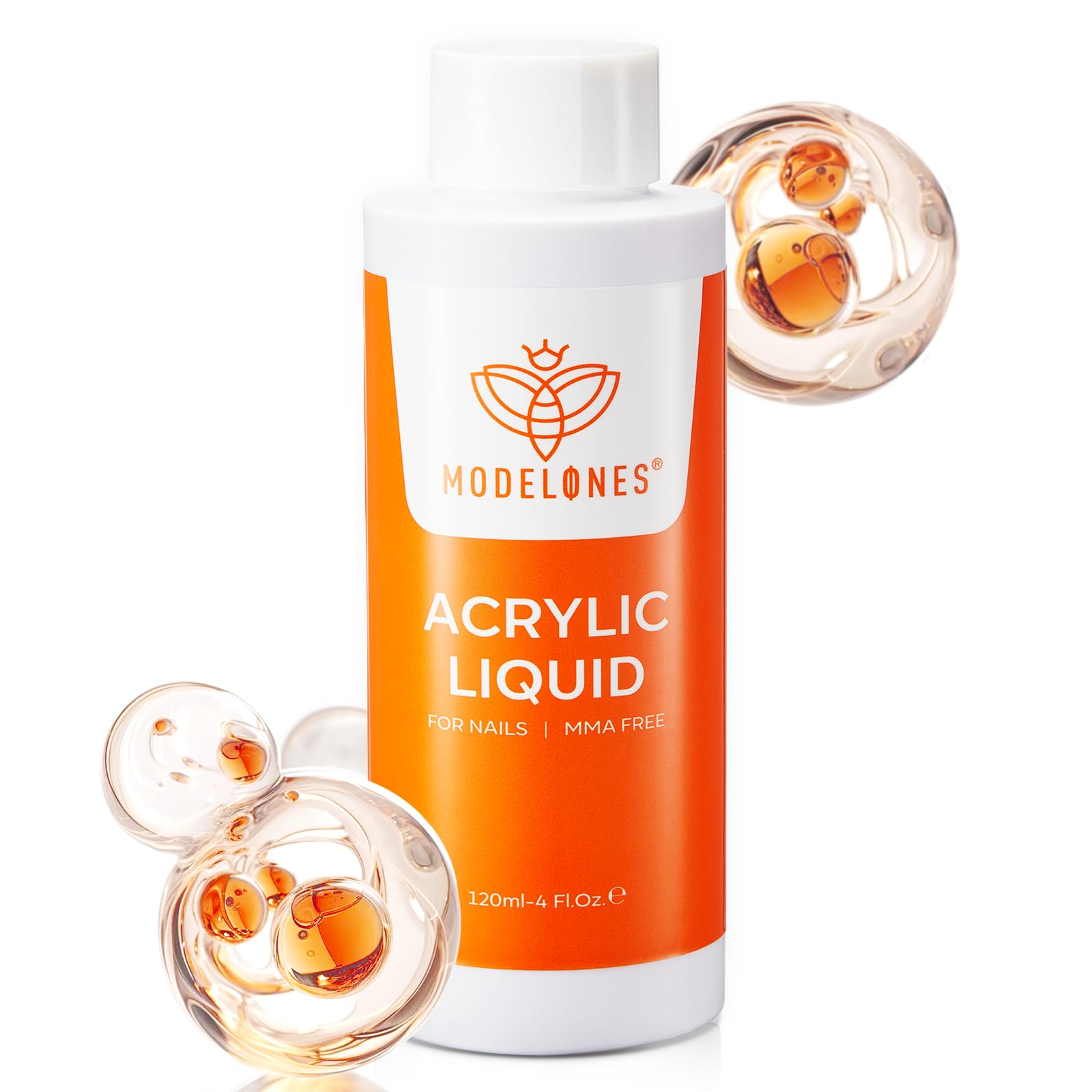
All-day wear without lifting.
Modelones Acrylic Monomer Liquid Low-odor, crack-resistant with extra inhibitors; great for sensitive skin.