
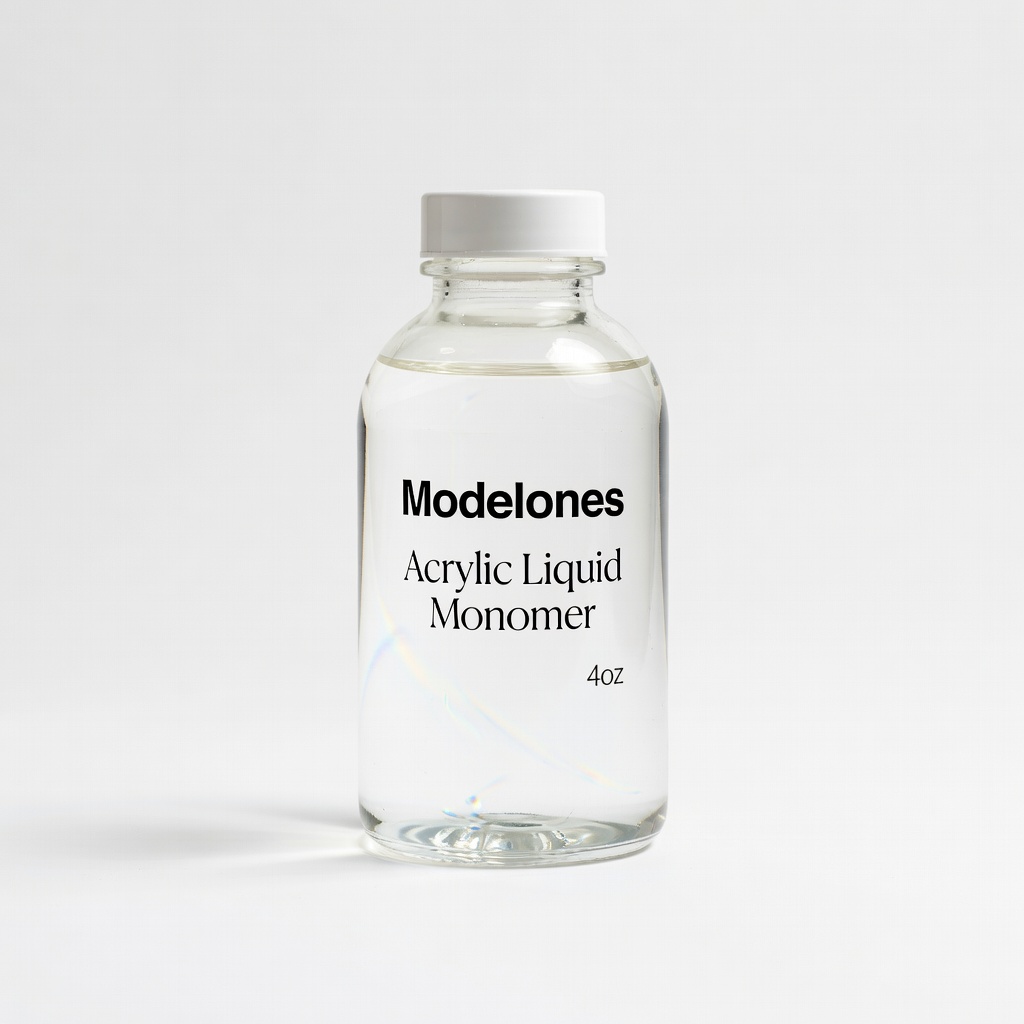
Modelones Acrylic Liquid Monomer 4oz
Ideal for intermediate artists doing full sets; non-yellowing.
$12.99-$15.99
Modelones Acrylic Liquid Monomer 4oz EMA-based with low viscosity and stabilizers for minimal bubbles; highly rated for smooth beads.
Get the App
Better experience on mobile
Learn which acrylic liquids minimize bubbles for smooth, professional nail enhancements and master bubble-free application techniques.
Bubbles in acrylic nails are a nail tech's worst nightmare—they ruin the flawless finish, weaken the structure, and force costly rework. Whether you're an intermediate nail artist struggling with inconsistent results or perfecting your at-home manicures, understanding acrylic liquids is key to bubble-free success.
In this guide, you'll discover what causes bubbles, the science of monomer liquids, and specific products that prevent them. We'll break down properties, ingredients, and techniques with real-world examples. Expect to gain actionable knowledge in 15 minutes—no advanced chemistry degree required.
By the end, you'll confidently select and use acrylic liquids for salon-quality nails every time.
Estimated Time: 15-20 minutes Difficulty: intermediate
Bubbles appear as tiny air pockets trapped in the cured acrylic, making nails look bumpy and unprofessional. They form during the polymerization process when air gets encapsulated between the monomer liquid and polymer powder.
Think of it like mixing batter too aggressively—air gets whipped in and doesn't escape. In nails, this happens if moisture or agitation introduces air. Recognizing bubbles early helps you choose liquids that counteract this.
💡 Tips:
Moisture is the #1 culprit: wet nails, sweaty hands, or a damp brush introduce water that reacts with the acrylic, creating gas bubbles. Other causes include shaking the brush in powder (traps air), incorrect powder-to-liquid ratio (too much liquid dilutes and aerates), and low-quality monomers with impurities or high water content.
Poor ventilation or temperature extremes can also play a role, as monomer evaporates unevenly. Analogy: It's like pouring soda into a glass—fizz (bubbles) from carbonation (moisture/impurities).
⚠️ Warnings:
Acrylic liquid, or monomer, is the solvent that dissolves polymer powder into a workable consistency. It evaporates during curing, leaving hard acrylic. High-quality monomers have optimal viscosity (thickness) that allows air to escape before curing.
Bubble-prone liquids are too thin (runny, trap air) or contaminated. Good ones are ethyl methacrylate (EMA)-based for stability vs. cheaper methyl methacrylate (MMA), which is harsher and bubblier.
💡 Tips:
Look for 'low-odor', 'non-yellowing', and 'professional-grade' labels—these indicate pure formulations with minimal impurities. Optimal viscosity (like honey, not water) lets bubbles rise and pop. Bubble-resistant liquids also have stabilizers to prevent premature evaporation.
They cure faster under UV/LED if needed, reducing air entrapment time. Example: Pro liquids dry tack-free in 30-60 seconds without bubbling.
Top ingredients: EMA monomer base (stable, low reactivity), dehydrating agents (absorb moisture), and polymerization accelerators. Avoid HEMA-heavy formulas (irritating, bubbly). Some premium liquids add ethyl acetate for smoother flow.
Analogy: Like adding oil to dough for tenderness—stabilizers make acrylic pliable without air pockets.
💡 Tips:
Select from reputable brands with reviews mentioning 'no bubbles'. Test: Mix small bead on glass surface—smooth apex without bubbles means it's good. Apply to tip; cure and inspect.
Store in cool, dark place to prevent degradation.
⚠️ Warnings:
Dip brush in liquid, stroke on powder gently (no shaking), pick bead, pat twice. Use 1:1 ratio. Dehydrate nails first. Work in thin layers. This maximizes any liquid's bubble resistance.
💡 Tips:
Problem: Bubbles only on natural nails
Solution: Apply dehydrator/primer first to remove oils/moisture.
Problem: Micro-bubbles in apex
Solution: Check ratio—use less liquid; test new monomer.
Problem: Bubbles after curing
Solution: File gently and buff; switch to EMA-based liquid.
Problem: Persistent bubbles despite good liquid
Solution: Humidity issue—use dehumidifier; seek pro training if technique-related.
EMA-based with low viscosity and stabilizers for minimal bubbles; highly rated for smooth beads.
Best for: Ideal for intermediate artists doing full sets; non-yellowing.
Price Range: $12.99-$15.99
Professional-grade, bubble-resistant formula with optimal flow; trusted in salons.
Best for: High-volume use; pairs perfectly with Mia powders.
Price Range: $19.99-$24.99
Affordable, low-odor EMA monomer designed to reduce air entrapment.
Best for: Beginner-to-intermediate home use; clear, no yellowing.
Price Range: $11.99-$13.99
Fast-curing with anti-bubble additives; consistent for pros.
Best for: Speedy applications without sacrificing smoothness.
Price Range: $22.99-$27.99
Ultra-pure, odorless formula eliminates impurities causing bubbles.
Best for: Premium choice for flawless extensions.
Price Range: $28.99-$34.99
Ideal for intermediate artists doing full sets; non-yellowing.
Modelones Acrylic Liquid Monomer 4oz EMA-based with low viscosity and stabilizers for minimal bubbles; highly rated for smooth beads.
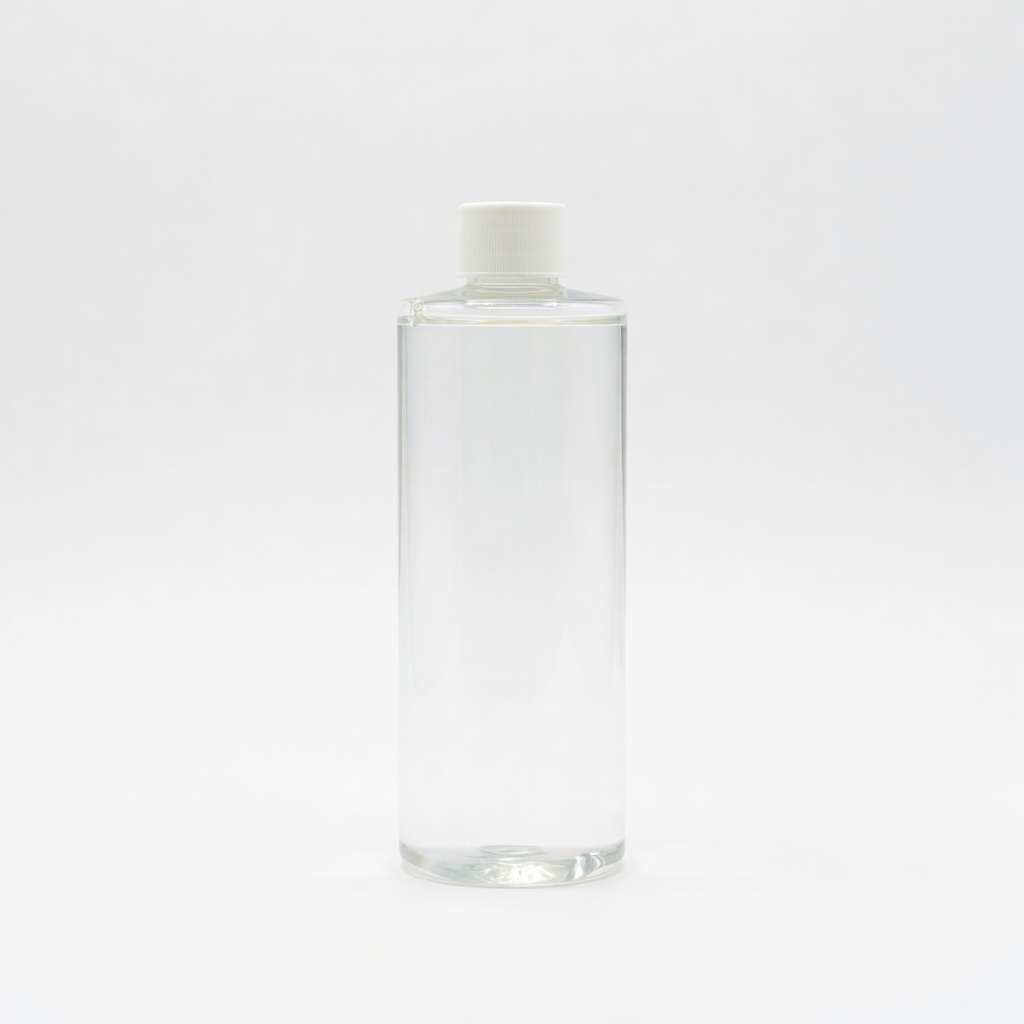
High-volume use; pairs perfectly with Mia powders.
Mia Secret Professional Acrylic Liquid 16oz Professional-grade, bubble-resistant formula with optimal flow; trusted in salons.
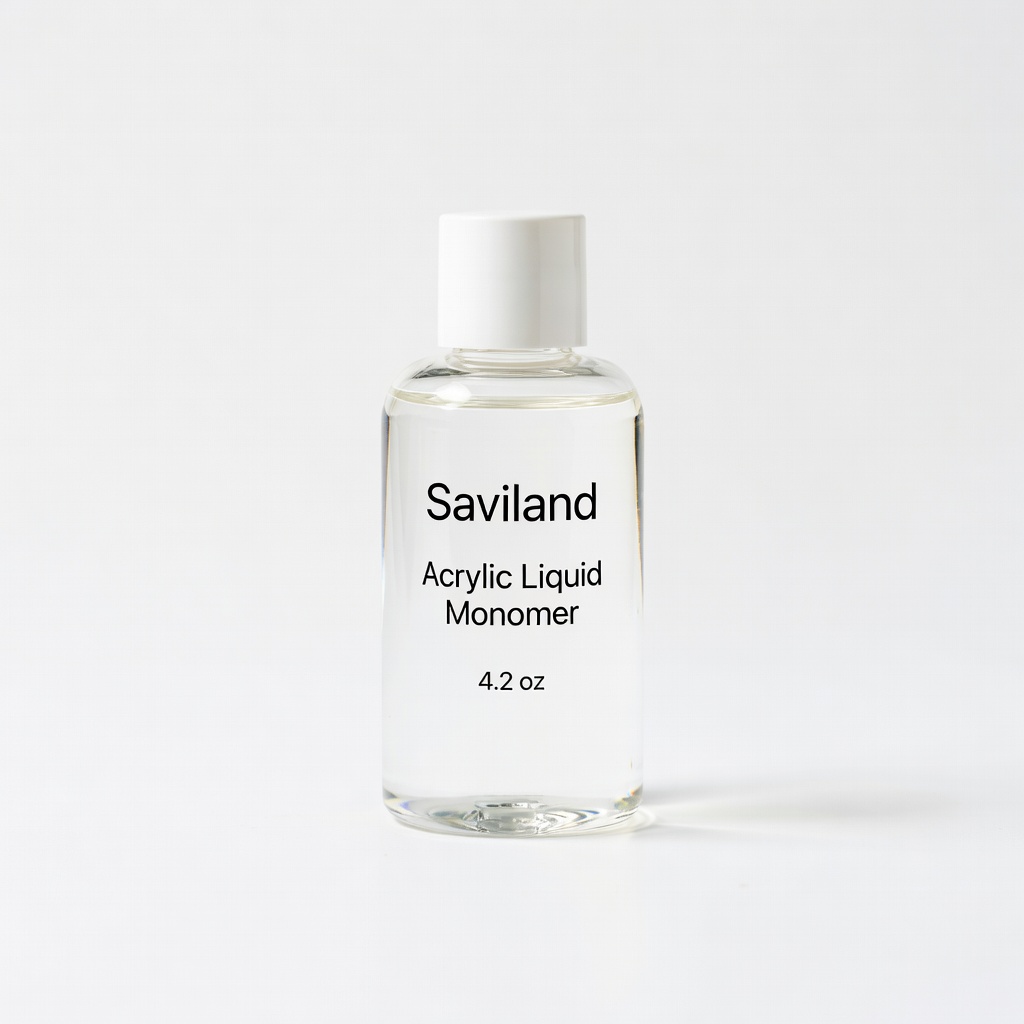
Beginner-to-intermediate home use; clear, no yellowing.
Saviland Acrylic Liquid Monomer 4.2oz Affordable, low-odor EMA monomer designed to reduce air entrapment.
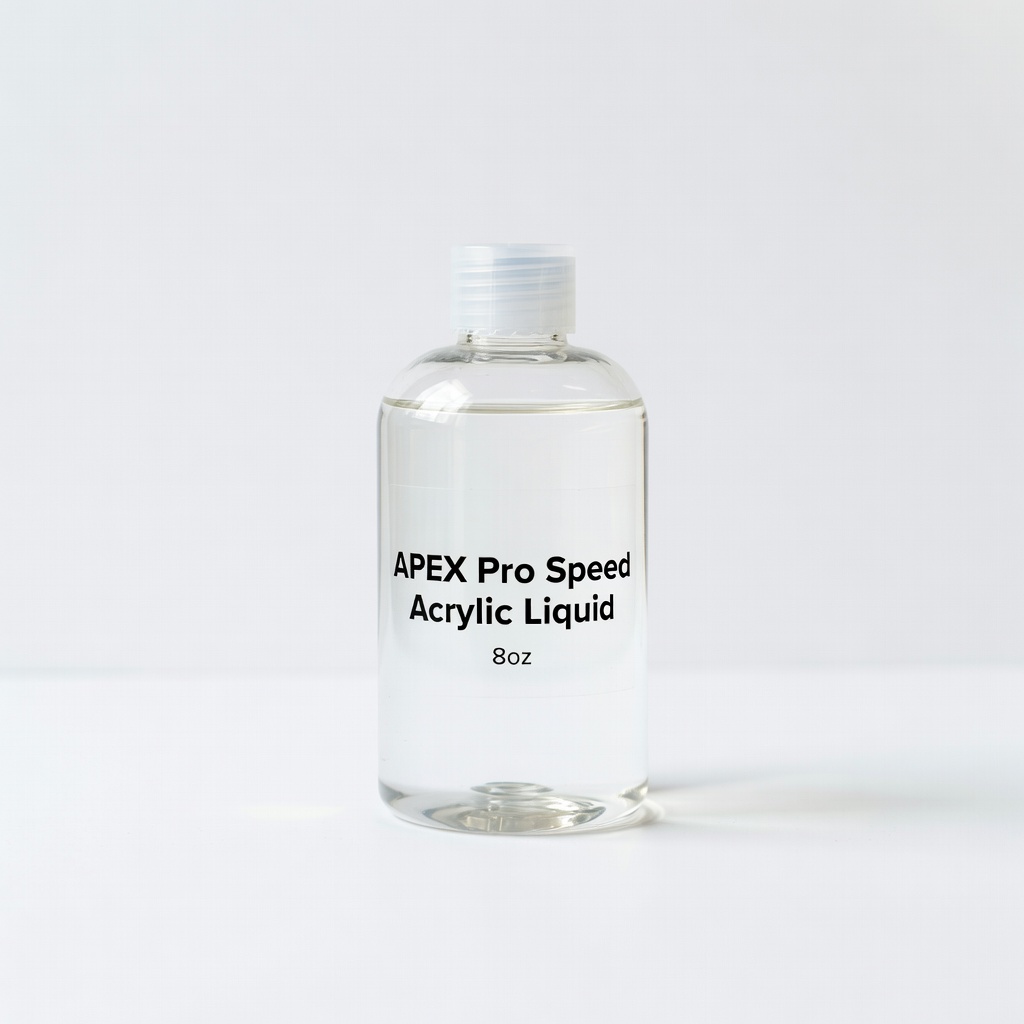
Speedy applications without sacrificing smoothness.
APEX Pro Speed Acrylic Liquid 8oz Fast-curing with anti-bubble additives; consistent for pros.
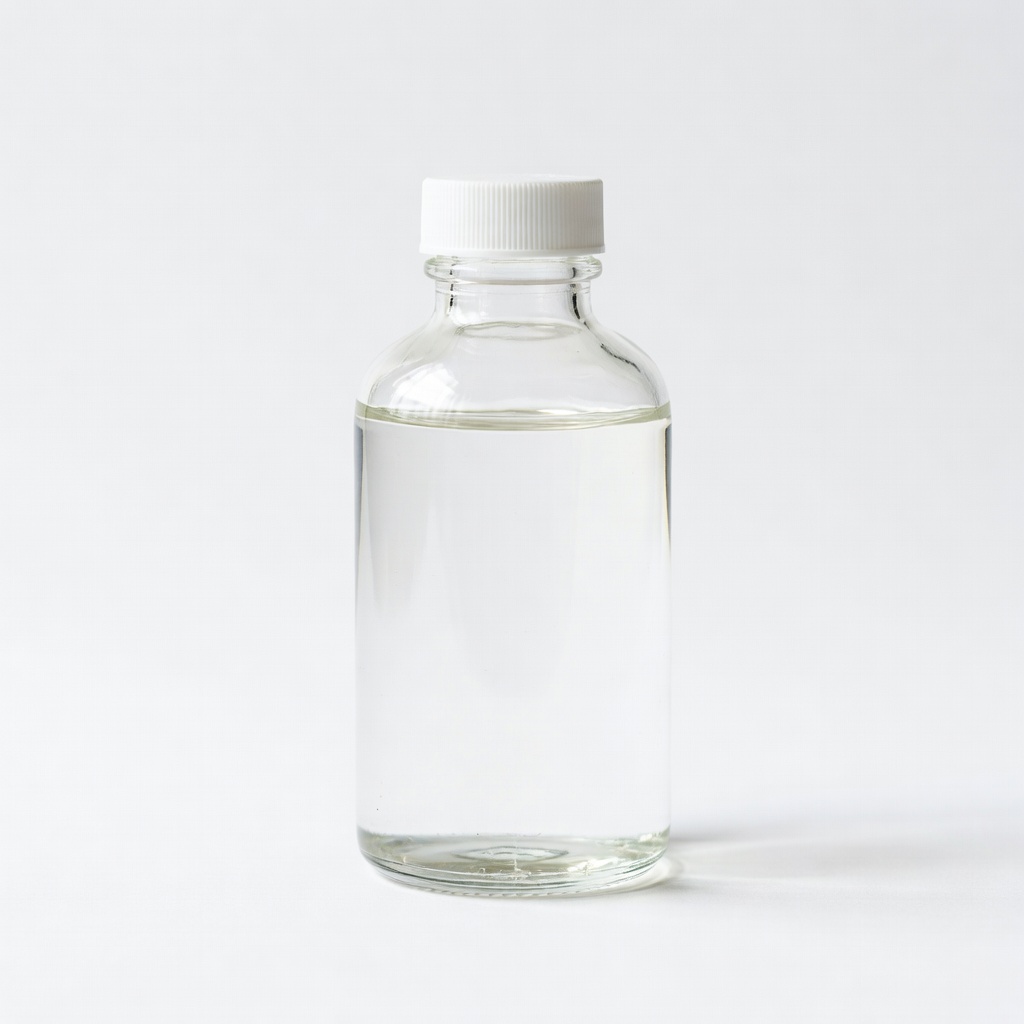
Premium choice for flawless extensions.
Young Nails Pure Acrylic Liquid 4oz Ultra-pure, odorless formula eliminates impurities causing bubbles.