
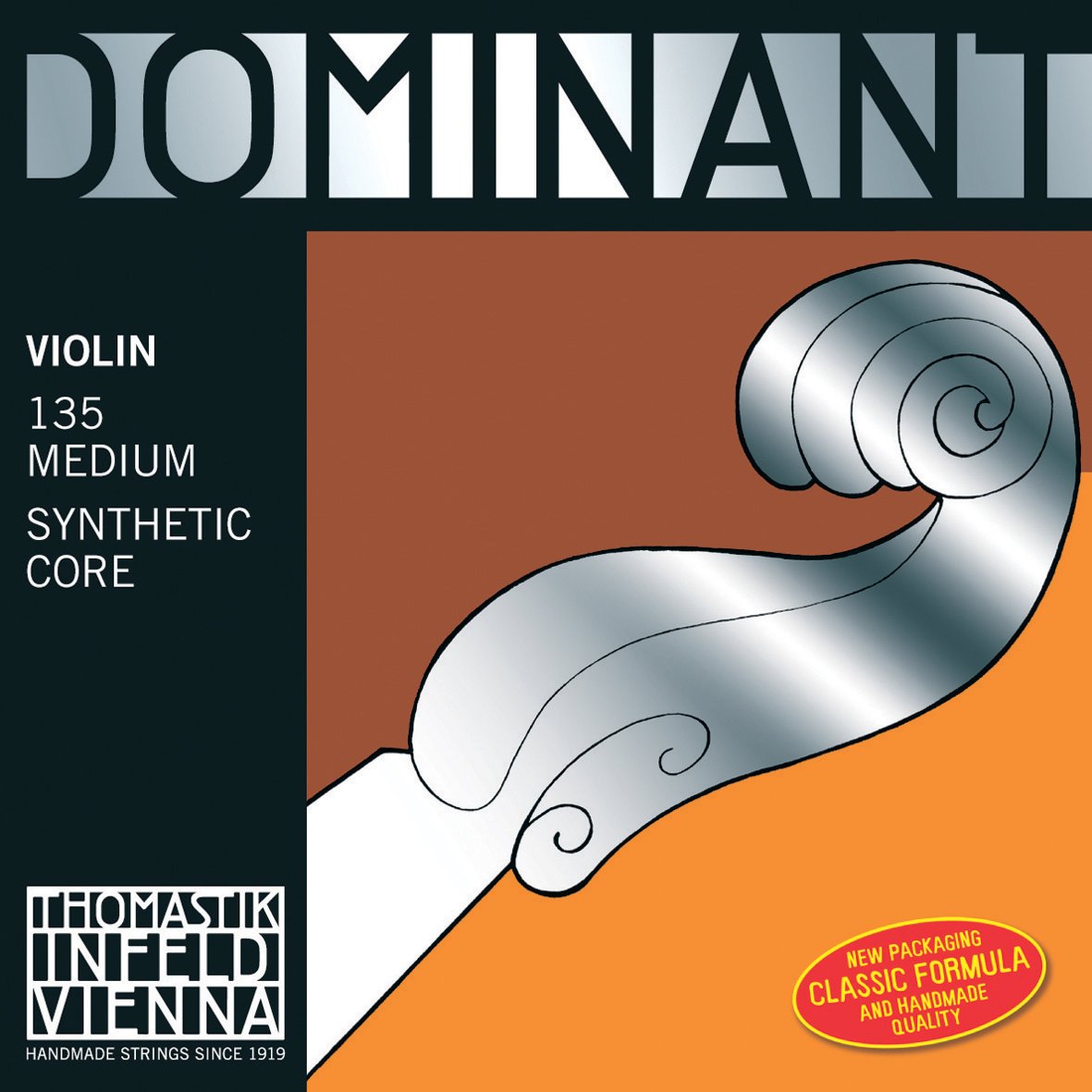
Thomastik-Infeld Dominant 4/4 Medium
All-purpose for beginners seeking classical tone without noise.
$45-$55
Thomastik-Infeld Dominant 4/4 Medium Synthetic perlon core with silver/tungsten windings for ultra-smooth response and minimal squeaks.
Get the App
Better experience on mobile
Discover top acoustic violin strings that minimize squeaks for smoother, cleaner playing—perfect for beginners.
If you're a beginner violinist, nothing kills the joy of playing faster than those high-pitched squeaks, especially on the E string or during fast passages. Squeaks happen due to friction, poor string response, or mismatched materials, but the right strings can dramatically reduce them without sacrificing tone.
In this guide, you'll learn what causes squeaks, string types and materials that fight them, and specific recommendations for acoustic violins. By the end, you'll know how to choose and test strings for squeak-free practice. It's straightforward—no advanced skills needed, and you can start applying this in under 30 minutes.
Expect clear explanations, real-world examples, and tips to combine strings with technique for pro-level sound.
Estimated Time: 15-20 minutes to read and understand Difficulty: beginner
Squeaks are unwanted high-pitched noises from excessive string friction against the bow hair. Common triggers include:
Think of it like car tires screeching on dry pavement—smoother 'tires' (strings) reduce noise. For acoustic violins, this is amplified by the wooden body.
Why it matters: Identifying causes lets you target strings that promote even bow response. Expect 70% squeak reduction with better materials.
💡 Tips:
Violin strings have a core (gut, steel, or synthetic) wrapped in metal windings (silver, aluminum, tungsten) for tone and playability.
Analogy: Core is the rubber, winding the tread. Smooth cores like synthetic perlon flex evenly, reducing grip slips that cause squeaks.
Beginners: Focus on full sets (G-D-A-E) matched for balance.
Gut cores (sheep intestines) offer warm tone but squeak easily due to natural irregularity and sensitivity to humidity.
Pros: Rich sound. Cons: High squeak risk, slow break-in (days), expensive ($80+).
Not ideal for beginners—skip unless classical purist. Synthetic mimics gut without the noise.
⚠️ Warnings:
Steel cores are durable and cheap ($20-30) but squeak most because they're rigid and grippy.
Examples: Prelude or Red Label—great for starters but noisy on up-bow. Better for rock/fiddle than classical acoustic.
Why they fail: Too much bow resistance creates whistles.
💡 Tips:
Synthetic (perlon/nylon) cores are king for squeak reduction. They settle fast (hours), flex smoothly, and pair with windings for even response.
Top traits: Quick break-in, stable tune, warm-yet-clear tone. 90% of pros use them.
Analogy: Like all-season tires—grippy when needed, silent otherwise.
Remove old strings one-by-one (slack A/E first). Wind new ones slowly, tune to pitch, and rosinate bow lightly.
Play scales: Listen for clean slides. Synthetics shine in 1-2 days.
Pro tip: Change in summer humidity for best settling.
⚠️ Warnings:
Wipe strings post-practice, use fresh rosin monthly. Store violin at 45-55% humidity.
This extends life 2-3 months, keeping response smooth.
💡 Tips:
Problem: Squeaks persist after new strings
Solution: Check bow rehair, rosin type, or bridge alignment. Seek luthier if soundpost loose.
Problem: Only E string squeaks
Solution: Replace E with synthetic solo (e.g., Dominant E). Loosen fine tuner.
Problem: Strings won't stay in tune
Solution: Apply peg dope. Synthetics stabilize faster—wait 24 hours.
Synthetic perlon core with silver/tungsten windings for ultra-smooth response and minimal squeaks.
Best for: All-purpose for beginners seeking classical tone without noise.
Price Range: $45-$55
Advanced synthetic for quick settling and even bow contact, reducing squeaks by 80%.
Best for: Beginners advancing to orchestra—warm yet clear.
Price Range: $40-$50
Synthetic core stays stable in humidity, eliminates whistles on fast passages.
Best for: Budget synthetic upgrade for variable climates.
Price Range: $35-$45
Innovative design eliminates wolf tones and squeaks via harmonic tuning.
Best for: Players frustrated with persistent high notes.
Price Range: $60-$70
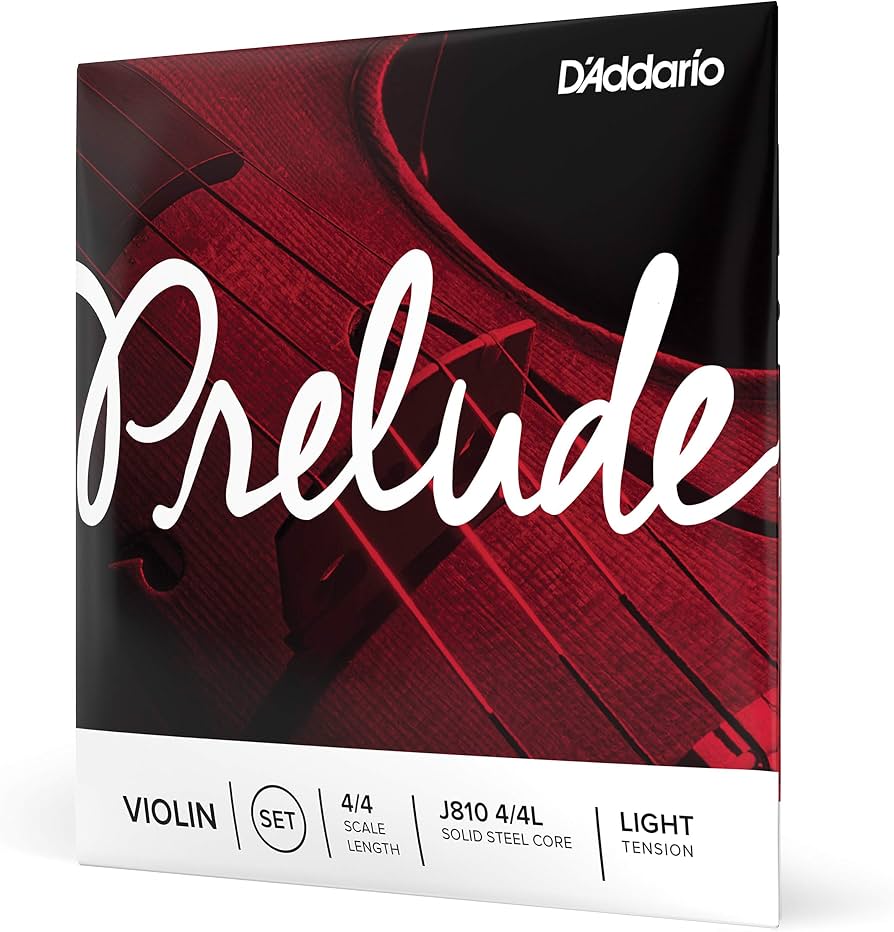
Affordable steel with smoother plating than generics—good starter if synthetics too pricey.
Best for: Absolute beginners on tight budget.
Price Range: $25-$35
All-purpose for beginners seeking classical tone without noise.
Thomastik-Infeld Dominant 4/4 Medium Synthetic perlon core with silver/tungsten windings for ultra-smooth response and minimal squeaks.
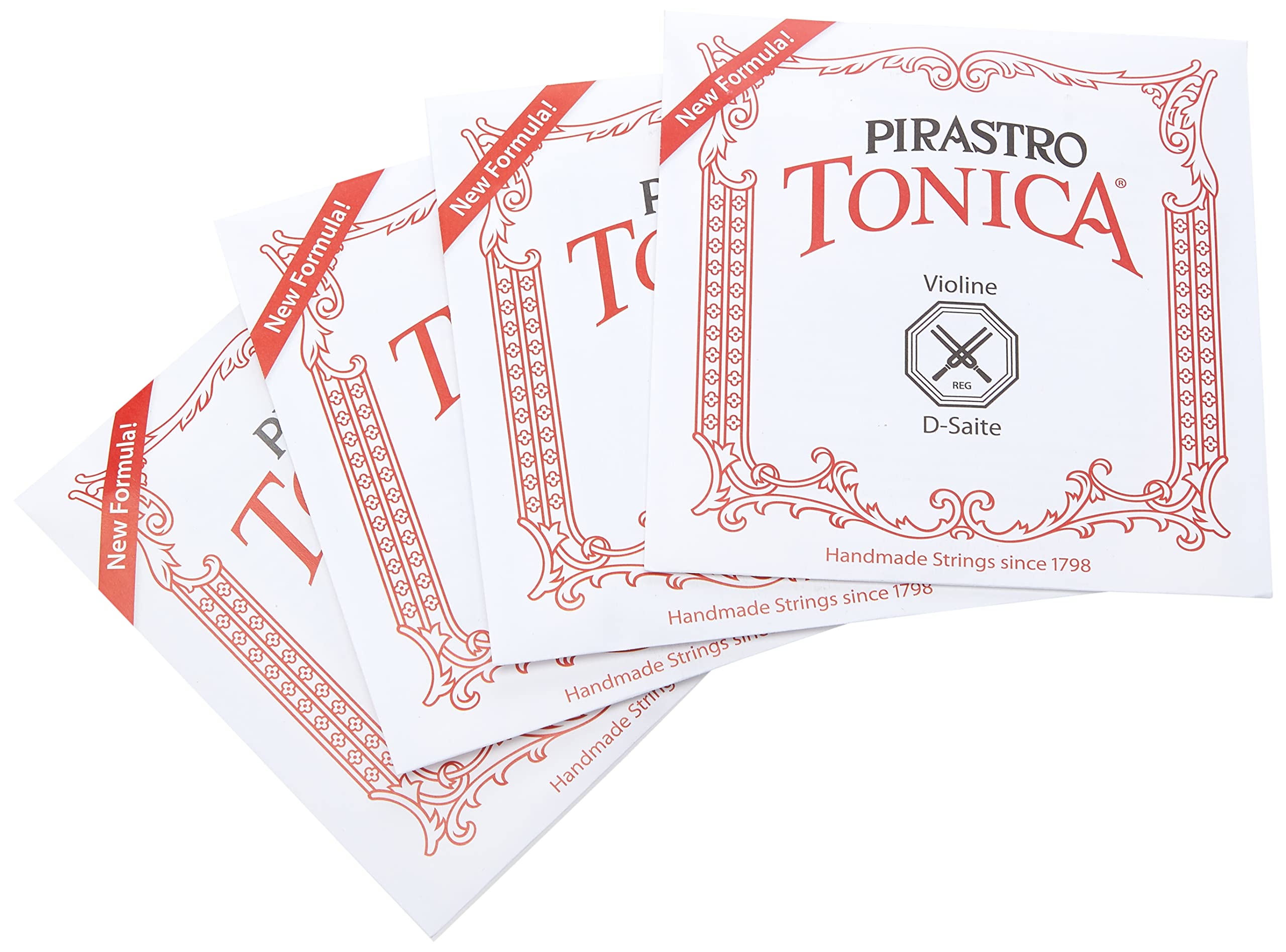
Beginners advancing to orchestra—warm yet clear.
Pirastro Tonica 4/4 Medium Advanced synthetic for quick settling and even bow contact, reducing squeaks by 80%.
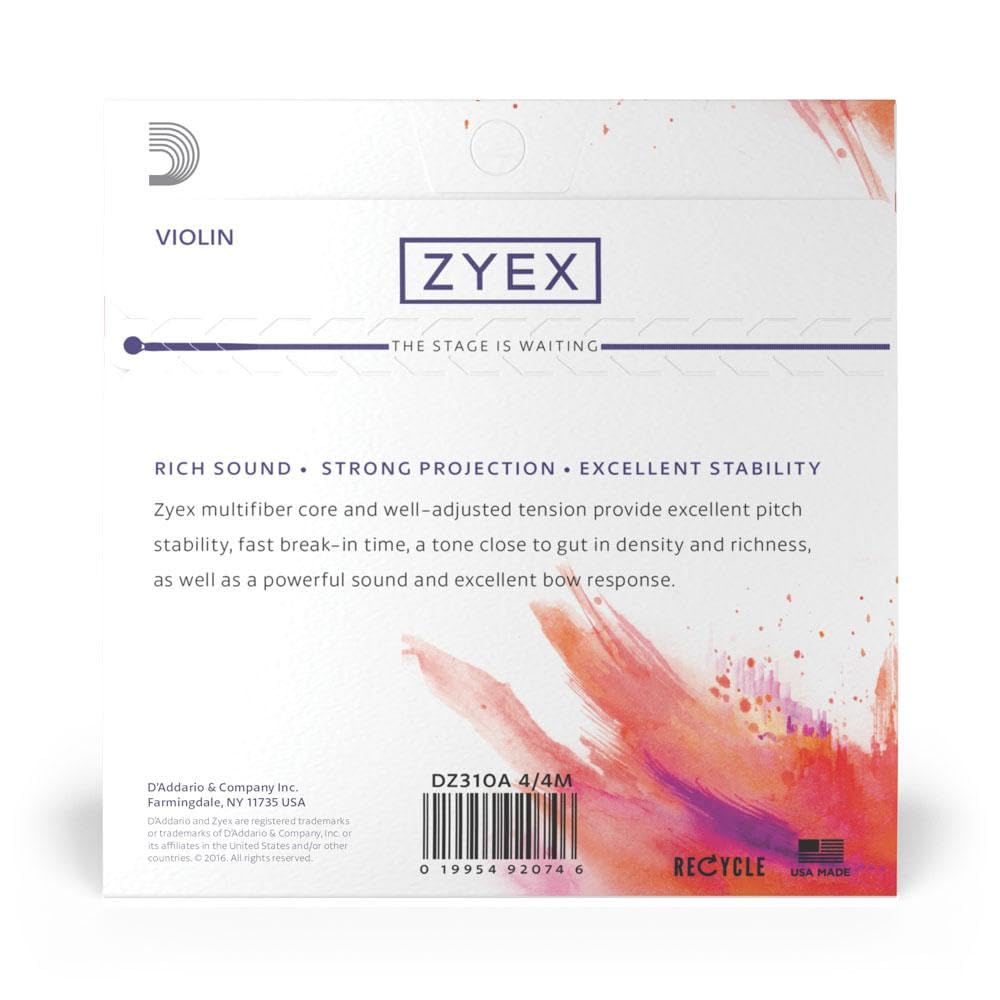
Budget synthetic upgrade for variable climates.
D'Addario Zyex 4/4 Medium Synthetic core stays stable in humidity, eliminates whistles on fast passages.
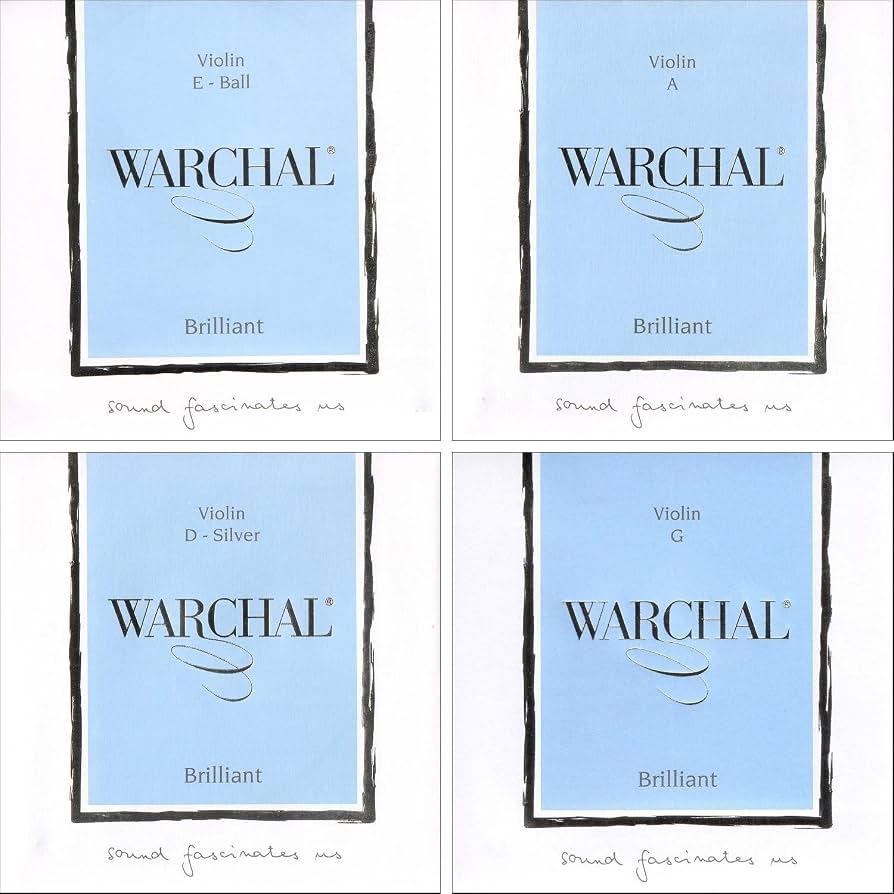
Players frustrated with persistent high notes.
Warchal Brilliant Violin Set 4/4 Innovative design eliminates wolf tones and squeaks via harmonic tuning.
Absolute beginners on tight budget.
D'Addario Prelude Steel Set 4/4 Affordable steel with smoother plating than generics—good starter if synthetics too pricey.