Struggling with string buzz, muddy tones, or finger fatigue during fingerstyle sessions?
You're not alone—many intermediate acoustic players find that standard strings don't cut it for intricate fingerpicking patterns like Travis picking or classical-inspired arrangements. The right strings can transform your sound, making notes sing with clarity and sustain while feeling gentle on your fingertips.
In this guide, you'll learn the key factors: materials, gauges, coatings, and tension. We'll break it down step-by-step, from basics to pro choices, so you can confidently select strings in 10-15 minutes of reading. No more trial-and-error—get it right the first time.
▸What You'll Need
- •Intermediate knowledge of acoustic guitar playing
- •Understanding of basic fingerstyle techniques (e.g., thumb independence)
- •Access to your guitar for testing (optional but recommended)
- •String winder and clippers (for changes)
Estimated Time: 10-15 minutes to read and understand
Difficulty: intermediate
▸Step-by-Step Instructions
Step 1: Understand Fingerstyle Demands
Fingerstyle playing relies on precise control over individual notes, requiring strings that respond quickly to light touches without buzzing or overpowering bass.
Unlike strumming, where heavy gauges shine for volume, fingerstyle needs balance: warmth for melody lines, clarity for high notes, and smooth feel to avoid callus wear. Expect strings that enhance harmonics and allow thumb slaps or rolls to pop.
Analogy: Think of strings as your guitar's voice—fingerstyle wants a clear tenor, not a booming baritone.
💡 Tips:
- •Play a simple pattern like 'Blackbird' to feel your current strings' limits.
Step 2: Master String Materials
Acoustic strings come in 80/20 Bronze (bright, snappy), Phosphor Bronze (warm, balanced), or Silk & Steel (soft, mellow).
Phosphor Bronze is king for fingerstyle—its alloy adds longevity and rich overtones, perfect for solo arrangements. 80/20 is brighter but can sound harsh on bare fingers; Silk & Steel feels like butter but lacks projection.
Why it matters: Material dictates tone. Test by plucking open strings; phosphor should feel 'woody' and sustaining.
⚠️ Warnings:
- •Avoid nickel-plated steel (electric-style) on acoustics—they kill warmth.
Step 3: Choose the Right Gauge
Gauge = thickness (e.g., Light: .012-.053, Medium: .013-.056). Fingerstyle favors Light gauges for easy bending, reduced tension, and finger comfort.
Lighter strings vibrate freely for cleaner polyphonic playing but may buzz on low action setups. Mediums offer more volume but tire fingers faster.
Rule of thumb: Start with lights (.011-.052 or .012-.053) for most fingerstyle; hybrids (light top/heavy bottom) for bass thumb work.
💡 Tips:
- •Custom lights like .011-.052 ease thumb rolls.
Step 4: Coated vs. Uncoated: Longevity Trade-offs
Uncoated strings (e.g., D'Addario) deliver pure tone but corrode fast from finger oils/sweat.
Coated strings (Elixir Nanoweb) have a thin polymer layer for 3-5x life, smoother feel, and consistent tone—ideal for daily fingerstyle practice.
Downside: Slight tone muting. For intermediates, coated lights strike the balance.
Step 5: Factor in Tension and Playability
Low tension reduces fatigue; high boosts volume. Fingerstyle sweet spot: Medium-low tension phosphor lights.
Check your setup—low action + lights = buzz risk. Why? Less mass means more vibration.
Pro tip: Balanced tension sets (e.g., Elixir 80/20) mimic classical nylon feel on steel.
💡 Tips:
- •Measure action at 12th fret: 2-3mm bass, 1.5-2mm treble.
⚠️ Warnings:
- •Don't drop below .010s unless your guitar is setup for it.
Step 6: Test and Compare Strings
Buy small sets or singles. Install, tune to pitch, play scales/arpeggios for 30 mins.
Compare tone (warmth), feel (slickness), and sustain. Record yourself for objectivity.
Expect break-in: New strings brighten over 1-2 hours.
▸Pro Tips
- •Wash hands before playing to extend string life 20-30%.
- •Use a string cleaner like Dunlop Ultraglide for uncoated sets.
- •Hybrid gauges (.012-.054) for thumb-heavy styles like Chet Atkins.
- •Store guitar in case to minimize humidity corrosion.
- •Alternate sets weekly to compare tones fresh.
- •Fingernail shape: Rounded tips for smoother phosphor bronze slides.
- •Boost tone with fresh strings every 1-3 months.
- •Pair with bone saddle for max sustain.
▸Common Mistakes to Avoid
- •Using medium/heavy gauges: Causes finger pain and sloppy picking—stick to lights.
- •Ignoring coatings: Leads to quick tone loss from sweat—opt for Nanoweb if practicing daily.
- •Overlooking guitar setup: Buzzing kills clarity—check action first.
- •Chasing 'vintage' sound blindly: Modern phosphor beats old 80/20 for balance.
- •Buying cheapest strings: Poor alloys flake and buzz fast.
▸Troubleshooting
Problem: Strings buzz during fingerpicking
Solution: Raise action or switch to slightly heavier gauges (.012-.054). Check nut slots.
Problem: Tone dies too fast
Solution: Go coated (Elixir) or wipe strings post-play. Replace if over 2 months old.
Problem: Fingers hurt after 20 mins
Solution: Light uncoated or silk/steel. Build calluses gradually.
Problem: Too bright/harsh highs
Solution: Switch to phosphor bronze from 80/20.
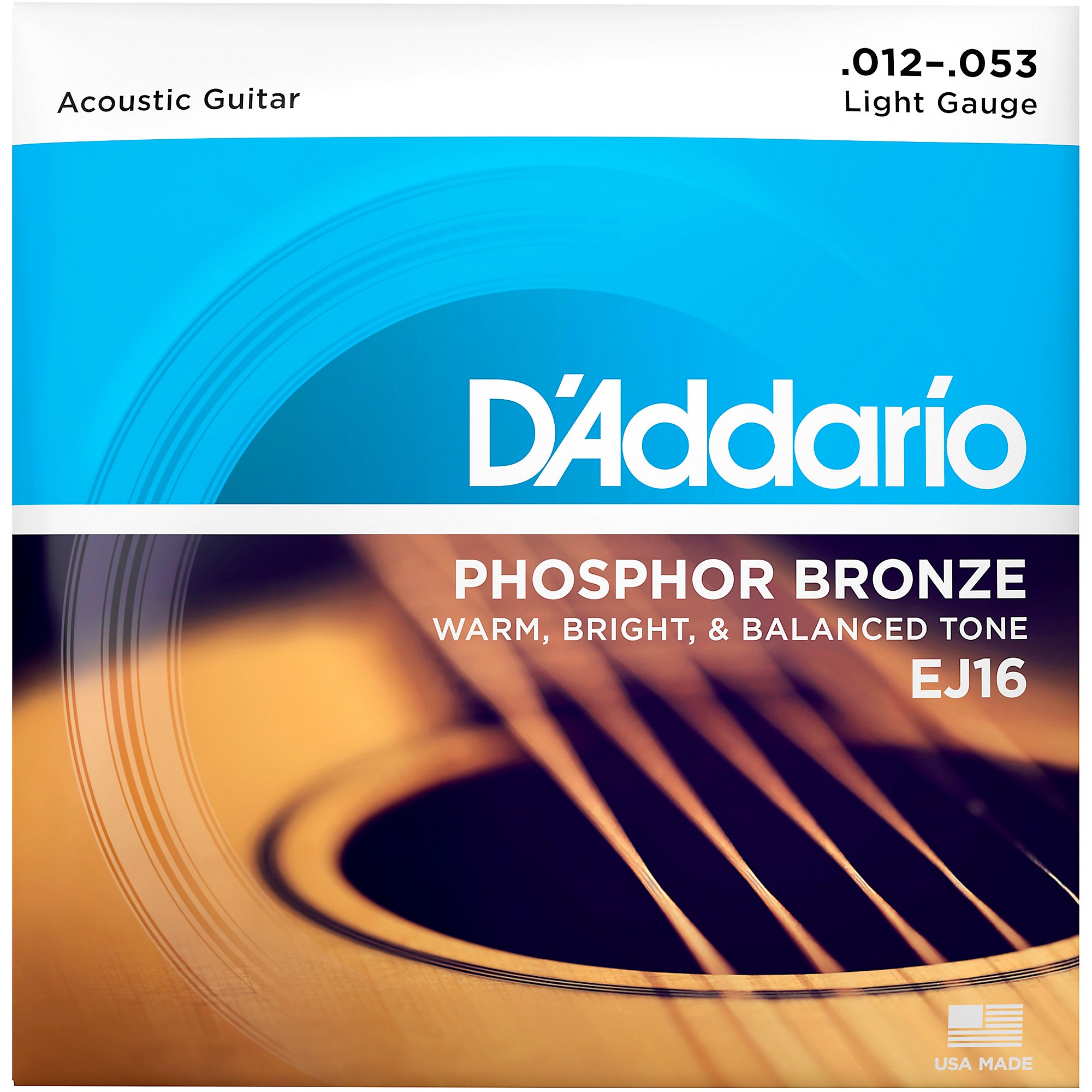
D'Addario EJ16 Phosphor Bronze Light (.012-.053)
Affordable, warm tone with quick response—standard for fingerstyle clarity.
Best for: Daily practice on Martin/Taylor acoustics; budget intermediate players.
Price Range: $5.99-$7.99
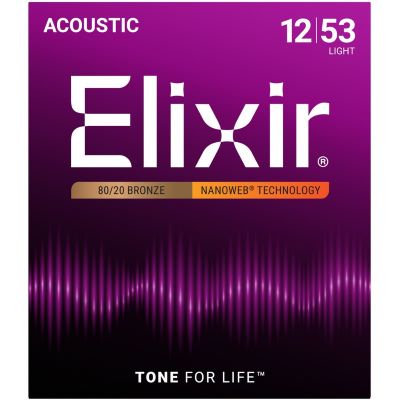
Elixir Nanoweb Phosphor Bronze Light (11052, .012-.053)
Ultra-smooth coating lasts 3-5x longer, reduces finger squeaks for clean recordings.
Best for: High-volume practice or gigging fingerstylists needing consistent tone.
Price Range: $15-$17
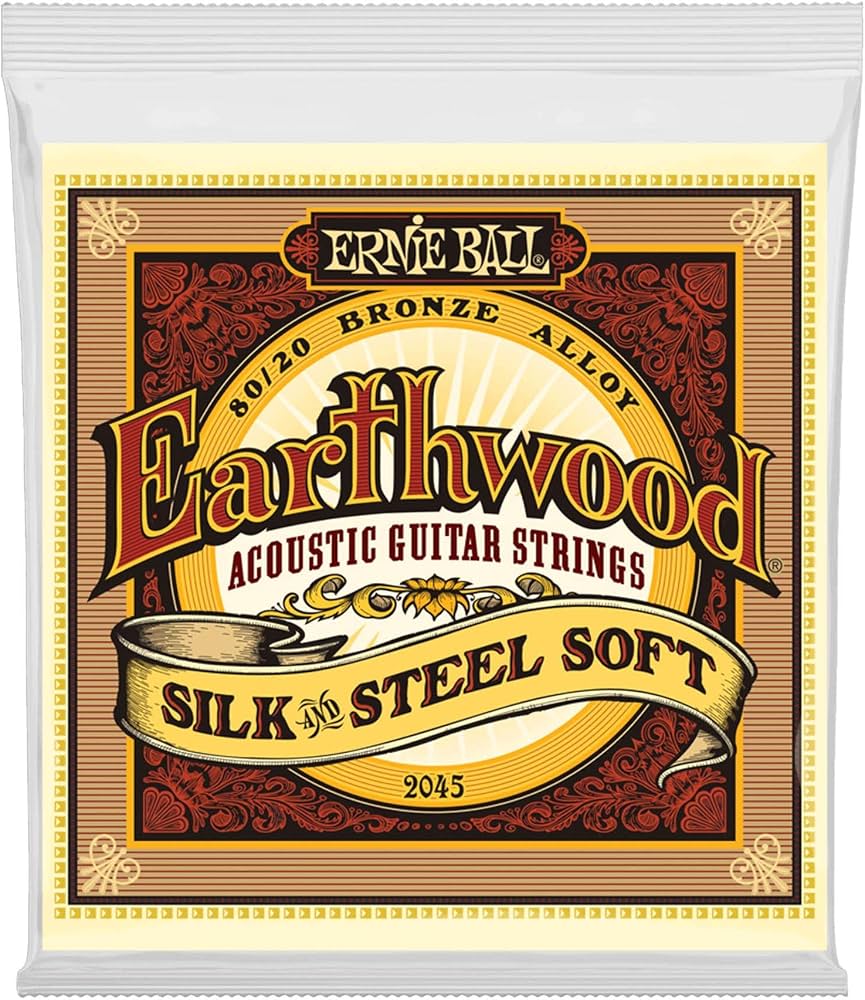
Ernie Ball Earthwood Silk & Steel Extra Light (.011-.052)
Softest feel with mellow warmth, like nylon on steel—gentle for long sessions.
Best for: Players with sensitive fingers or classical crossover styles.
Price Range: $7-$9
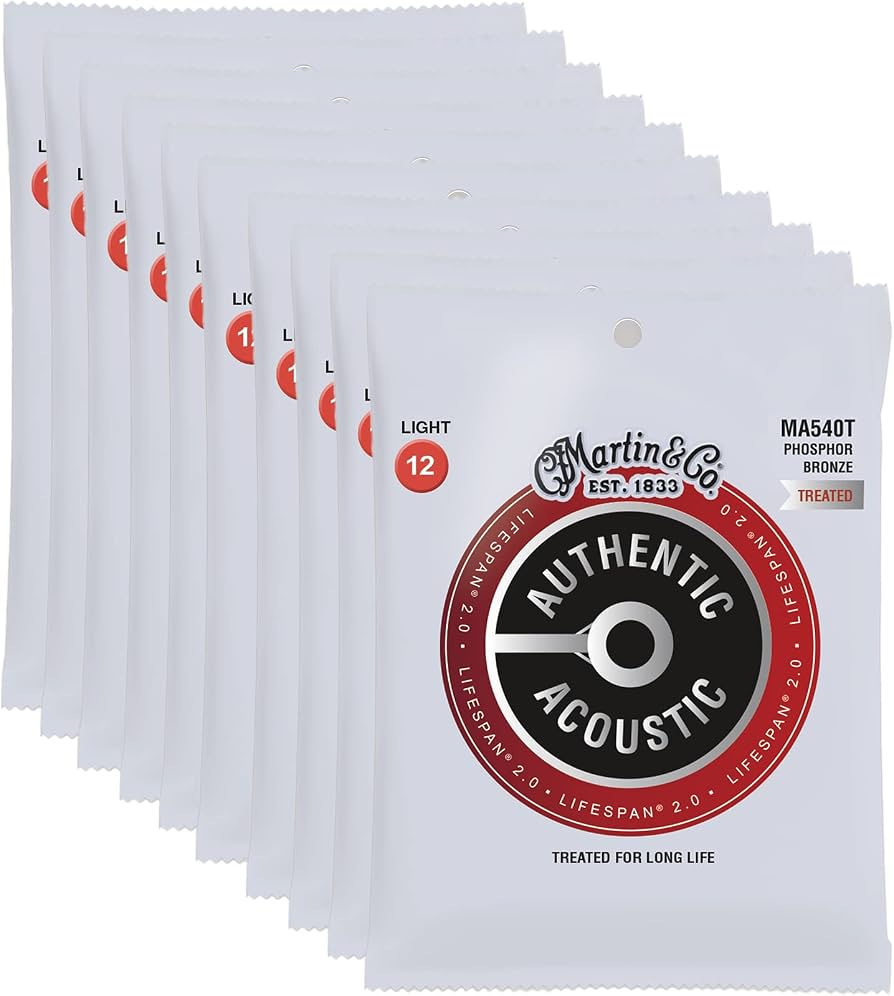
Martin Authentic Acoustic MA540T Phosphor Bronze Light
Authentic Martin tone with treated wrap for balanced fingerstyle projection.
Best for: Martin guitar owners seeking factory-match warmth.
Price Range: $6-$8