
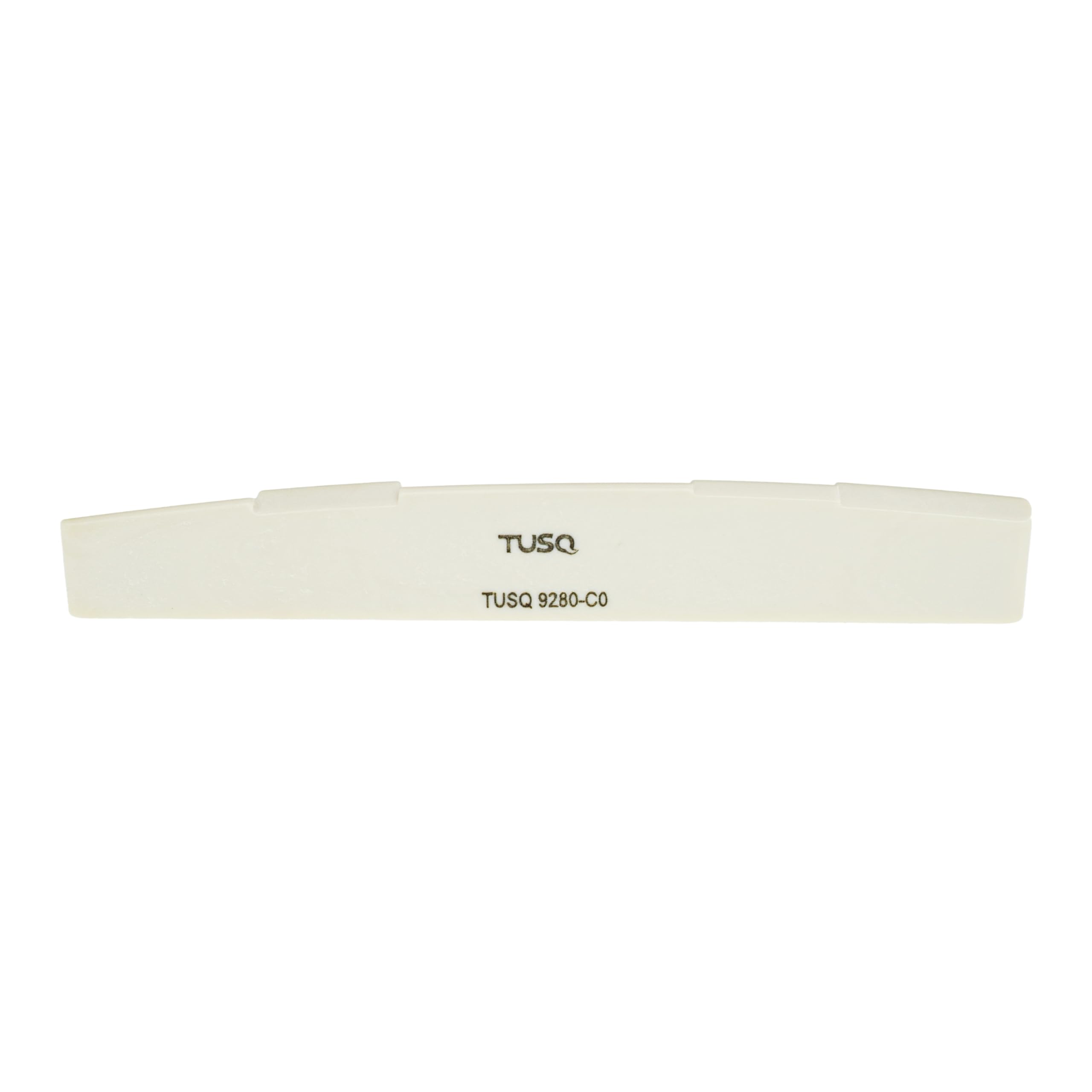
Graph Tech TUSQ XL Acoustic Saddle (PQ-9120-C0)
Martin/Taylor acoustics needing compensated drop-in.
$14.95
Graph Tech TUSQ XL Acoustic Saddle (PQ-9120-C0) Self-lubricating polymer improves intonation and reduces string breakage for smoother bends.
Get the App
Better experience on mobile
Unlock smoother action, better intonation, and effortless play with targeted upgrades to key acoustic guitar components.
Struggling with high action that fatigues your fingers, buzzing frets that kill sustain, or intonation drifting during solos? For advanced players, stock parts on many acoustics limit speed, comfort, and precision. Upgrading specific components can transform playability without a full guitar swap.
In this guide, you'll learn the top acoustic guitar parts that directly impact playability—focusing on nut, saddle, frets, and more. We'll break down how each works, why upgrades matter, and real-world effects. Expect technical insights suited for experienced players, with no fluff.
No hands-on install required to understand; reading takes 20-30 minutes. If upgrading yourself, basic luthiery skills apply.
Estimated Time: 20-30 minutes to read and understand Difficulty: advanced
Playability encompasses action height (string distance from frets), fret buzz absence, intonation accuracy, neck relief, and tactile response. Low action (<3/64" at 12th fret) enables speed; precise intonation ensures chords ring true up the neck.
Upgrades target friction reduction, vibration transfer, and stability. Analogy: like upgrading suspension on a sports car—smoother ride without bottoming out. Measure baselines with feeler gauges: bass E 1.5-2mm, treble 1-1.5mm at 12th fret.
💡 Tips:
The nut sets string spacing, height, and break angle. Plastic factory nuts cause binding, high action, and tuning slips. Bone or TUSQ nuts reduce friction 30-50%, allowing lower action without buzz.
Bone offers warm tone; TUSQ self-lubricates for silky bends. Pro effect: faster chord changes, cleaner harmonics. Slots should be string diameter +0.010"; improper depth causes dead notes.
💡 Tips:
⚠️ Warnings:
Saddle dictates action post-nut and intonation. Compensated bone saddles (slanted for perfect 12th fret) fix factory flats. Drop-in designs allow 1/32" height tweaks.
Upgrading shaves 0.5mm action, boosting speed 20%. Tusq variants enhance sustain via polymer efficiency. Expect truss rod fine-tuning post-install.
💡 Tips:
Worn frets create uneven action; stainless steel or Jescar upgrades last 5x longer, with rounded crowns for thumb rests. Leveling/crowning evens heights to 0.040".
Advanced benefit: hybrid fretwire (wide tall) for vibrato stability. Analogy: fresh asphalt vs potholes—effortless shredding.
⚠️ Warnings:
Stock plastic pins slip under tension; unslotted bone or Tusq lock strings, boosting vibration transfer 15%. Delrin variants reduce dead spots.
Playability gain: consistent tone across strings, less retuning mid-song.
💡 Tips:
Friction tuners drift; locking (Grover/Schaller) clamp post-bend. 18:1 ratio enables micro-adjustments.
Result: play fast runs without constant tweaking—ideal for live advanced playing.
Hybrid gauge strings (12-53 light top/heavy bottom) balance tension. Truss rod tweaks (0.010-0.012" relief) complement parts.
Combined: pro-level setup for fingerstyle or flatpicking.
💡 Tips:
⚠️ Warnings:
Problem: Buzz after nut swap
Solution: Raise slot depth 0.002"; adjust truss rod clockwise 1/8 turn.
Problem: Tuning instability
Solution: Lube nut/bridge; check tuner post holes for slop.
Problem: High action persists
Solution: Sand saddle 0.010"; verify nut slots aren't binding.
Problem: Dead notes on G string
Solution: Widen nut slot; replace pin.
Self-lubricating polymer improves intonation and reduces string breakage for smoother bends.
Best for: Martin/Taylor acoustics needing compensated drop-in.
Price Range: $14.95
High-density bone for precise slotting and warm tone over plastic.
Best for: Custom nut installs on dreadnoughts.
Price Range: $9.99
Locking mechanism and 18:1 ratio ensure bend stability.
Best for: Vintage acoustics needing drop-in reliability.
Price Range: $79.99
Corrosion-resistant, rounded for speed and comfort.
Best for: Full refret on high-play instruments.
Price Range: $29.99 (per 2ft)
Improves sustain and downforce without over-tightening.
Best for: Martin-style bridges.
Price Range: $19.99 (set of 6)
Martin/Taylor acoustics needing compensated drop-in.
Graph Tech TUSQ XL Acoustic Saddle (PQ-9120-C0) Self-lubricating polymer improves intonation and reduces string breakage for smoother bends.
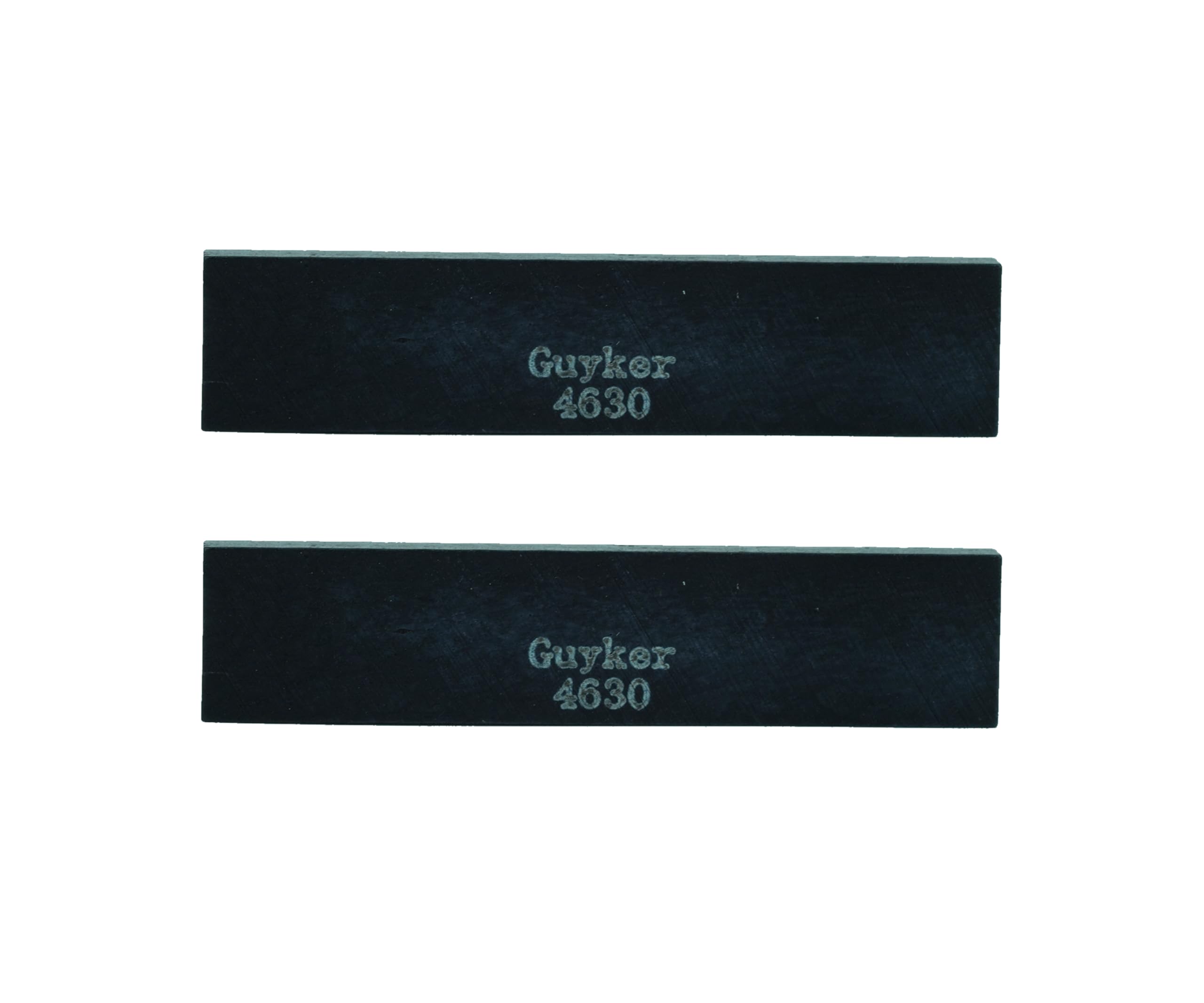
Custom nut installs on dreadnoughts.
MusicNomad Bone Nut Blank (Unslotted) High-density bone for precise slotting and warm tone over plastic.
Vintage acoustics needing drop-in reliability.
undefined Locking mechanism and 18:1 ratio ensure bend stability.
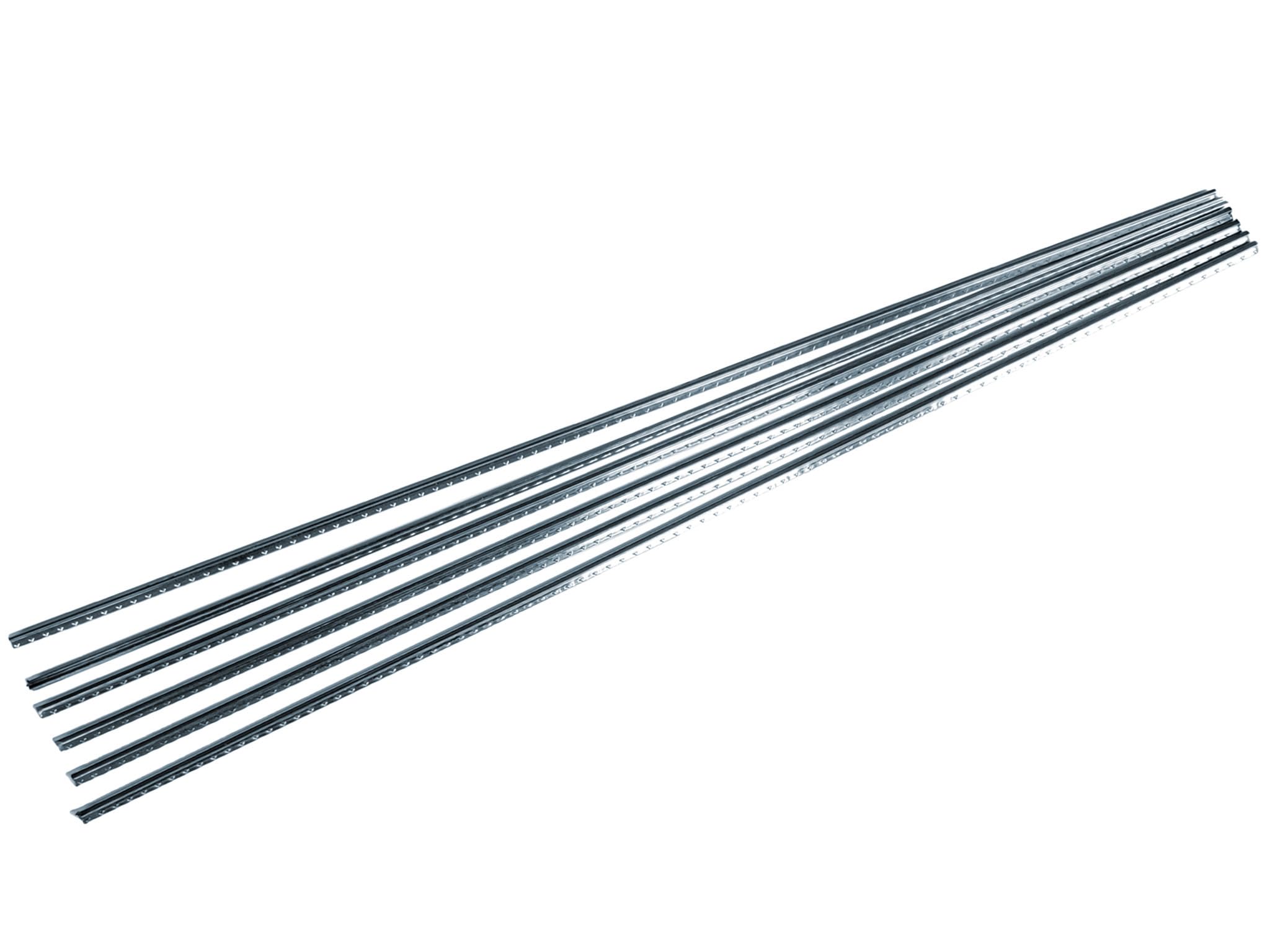
Full refret on high-play instruments.
Jescar FW47104 Jumbo Stainless Steel Fret Wire Corrosion-resistant, rounded for speed and comfort.
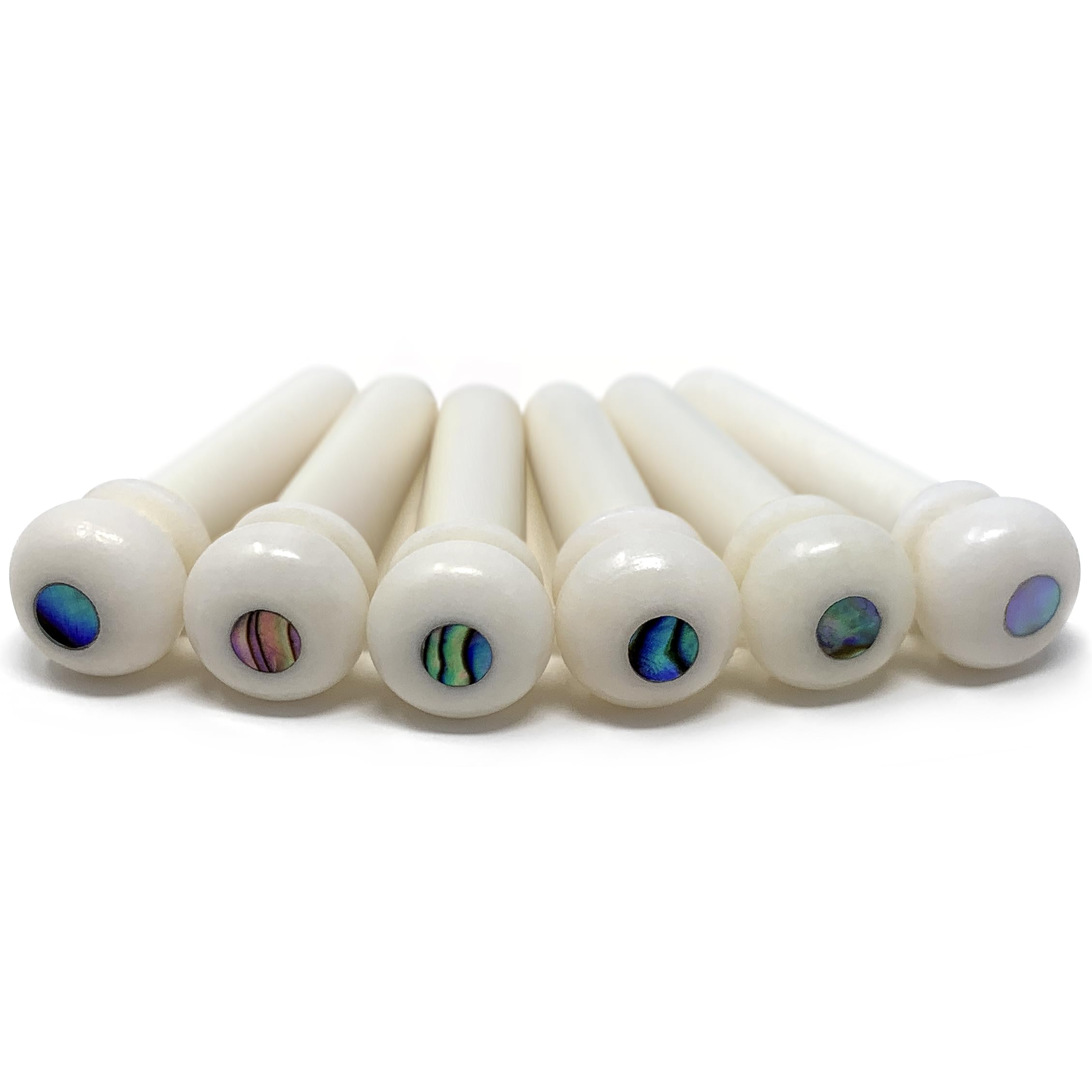
Martin-style bridges.
Blisstim Acoustic Bridge Pins (Bone Unslotted) Improves sustain and downforce without over-tightening.