Performing on stage with an acoustic guitar can be thrilling, but nothing kills the vibe like feedback squeals, weak projection, or an unreliable signal. Intermediate players often struggle to find guitars that sound great plugged in under hot lights and loud amps, where unplugged acoustics fall short.
In this guide, you'll learn the essential features for stage-worthy acoustic-electric guitars, how to evaluate them, and specific recommendations. We'll break down concepts like pickup systems and body styles with real-world examples, so you can confidently choose a guitar that shines live.
Expect a straightforward explainer: no fluff, just actionable insights. You'll be equipped to test guitars in-store or online in about 30 minutes of reading.
▸What You'll Need
- •Intermediate guitar playing experience (know your tone preferences)
- •Access to a PA system or acoustic amp for testing (optional but recommended)
- •Basic understanding of guitar anatomy (body styles, woods)
- •Budget range in mind ($500-$3000 typical for stage models)
Estimated Time: 30-45 minutes
Difficulty: intermediate
▸Step-by-Step Instructions
Step 1: Assess Your Stage Needs
Start by identifying what makes stage performance unique. Unlike home playing, stages demand high volume without feedback, consistent tone through a PA, and reliability during long sets. Acoustic-electric guitars bridge this gap with built-in electronics.
Key factors: Venue size (small clubs vs. arenas), band volume (solo vs. full band), and your style (fingerstyle needs clarity, strumming needs punch). For example, a dreadnought shines unplugged but howls feedback onstage—smaller bodies resist better.
Why it matters: Mismatched guitars lead to frustration. Expect to note your setup: Do you use a DI box? In-ear monitors? This sets priorities.
💡 Tips:
- •List 3-5 must-haves like 'low feedback' before shopping.
- •Watch live videos of pros like Tommy Emmanuel to hear ideal stage tone.
⚠️ Warnings:
- •Don't ignore venue acoustics—test in a similar space.
Step 2: Prioritize Feedback Resistance
Feedback occurs when amplified sound loops back into the guitar's soundhole. Stage guitars minimize this via smaller bodies, soundhole covers, or advanced pickups that capture string vibration directly.
Analogy: Think of feedback like a microphone too close to a speaker—stage guitars are 'directional mics' focused on strings, not air. Grand concert or auditorium shapes excel here over jumbos.
What to expect: Plug in and crank volume; good ones stay clean up to 100dB. Real-world: Taylor's slim bodies are stage favorites for this.
💡 Tips:
- •Use a feedback buster plug during tests.
- •Angle guitar away from monitors.
Step 3: Evaluate Pickup Systems
Pickups convert string vibration to electrical signal. Piezo under-saddle (common, bright) vs. magnetic/soundboard (warmer, natural). Hybrids like Taylor's Expression System 2 blend both for stage realism.
Piezo pros: Loud, feedback-resistant; cons: quacky unplugged-to-plugged shift. Magnetic: Dynamic response, like an amp'd acoustic.
Test: Compare plugged vs. unplugged tone. Pros use Fishman Matrix or L.R. Baggs for pro stage sound.
💡 Tips:
- •Look for 'natural amplified tone' in specs.
- •Demo with your pedals/effects.
⚠️ Warnings:
- •Cheap piezos sound harsh—avoid no-name brands.
Step 4: Choose Body Style and Size
Dreadnoughts project big unplugged but feedback-prone onstage. Opt for Grand Auditorium (versatile, balanced) or Grand Concert (compact, feedback-proof).
Examples: Taylor 814ce (GA, stage staple) vs. Jumbo (avoid for loud gigs). Smaller bodies like GS Mini suit singer-songwriters.
Why: Balances unplugged warmth with plugged punch. Expect balanced EQ response live.
Step 5: Inspect Preamps and Controls
Onboard preamps shape tone with EQ, tuner, and phase switch (cuts feedback). Top systems: Fishman Flex Plus-T or Taylor ES2.
Phase reverse flips signal to kill boominess. Blends (mic + piezo) simulate studio sound.
Test sliders while playing—smooth, no noise. Matters for quick onstage tweaks without pedals.
💡 Tips:
- •Battery life >100 hours is ideal for tours.
Step 6: Check Build Quality and Woods
Solid tops (spruce/mahogany) resonate better amplified. Stage guitars need stable necks (no warp in heat) and quality tuners.
Rosewood backs add low-end punch for PA mix. Avoid laminates for pro gigs—they dull live.
Expect: Rich harmonics that cut through drums.
⚠️ Warnings:
- •Heat/humidity warps cheap builds.
Step 7: Test Playability for Long Gigs
Slim necks, low action for fast changes. Cutaways aid high-fret access.
Sit/stand test: Comfort under lights. Stage pros favor 14-fret necks for ergonomics.
Why: Fatigue kills performances.
💡 Tips:
- •Try with strap and picks you use.
Step 8: Set Your Budget and Compare
$500-1000: Solid entry (Yamaha). $1000-2000: Pro (Taylor/Martin). $2000+: Boutique.
Weigh value: Lifetime investment. Read reviews for stage-specific feedback.
▸Pro Tips
- •Always test plugged in at gig volume—store demos are too quiet.
- •Use a radial DI box for best PA signal.
- •Prioritize phase switch and blend controls for versatility.
- •Check for onboard tuner with strobe accuracy.
- •Solid woods age well, improving stage tone over time.
- •Smaller venue? Bigger body ok; arenas need compact.
- •Update firmware on digital preamps for new features.
▸Common Mistakes to Avoid
- •Buying purely acoustic-focused guitars—ignore stage electronics.
- •Overlooking body size, leading to constant feedback fights.
- •Skipping in-store amp tests; online specs mislead.
- •Choosing cheap electronics that buzz or drop out live.
- •Ignoring neck comfort, causing hand cramps mid-set.
▸Troubleshooting
Problem: Persistent feedback
Solution: Engage phase switch, lower gain, use soundhole plug; reposition guitar.
Problem: Thin amplified tone
Solution: Adjust preamp EQ (boost mids), check battery, or upgrade pickup.
Problem: Hum or buzz
Solution: Ground lift on DI, shielded cables; professional pickup install if persistent.
Problem: Neck warp from stage heat
Solution: Use humidifier case; truss rod adjust or luthier visit.
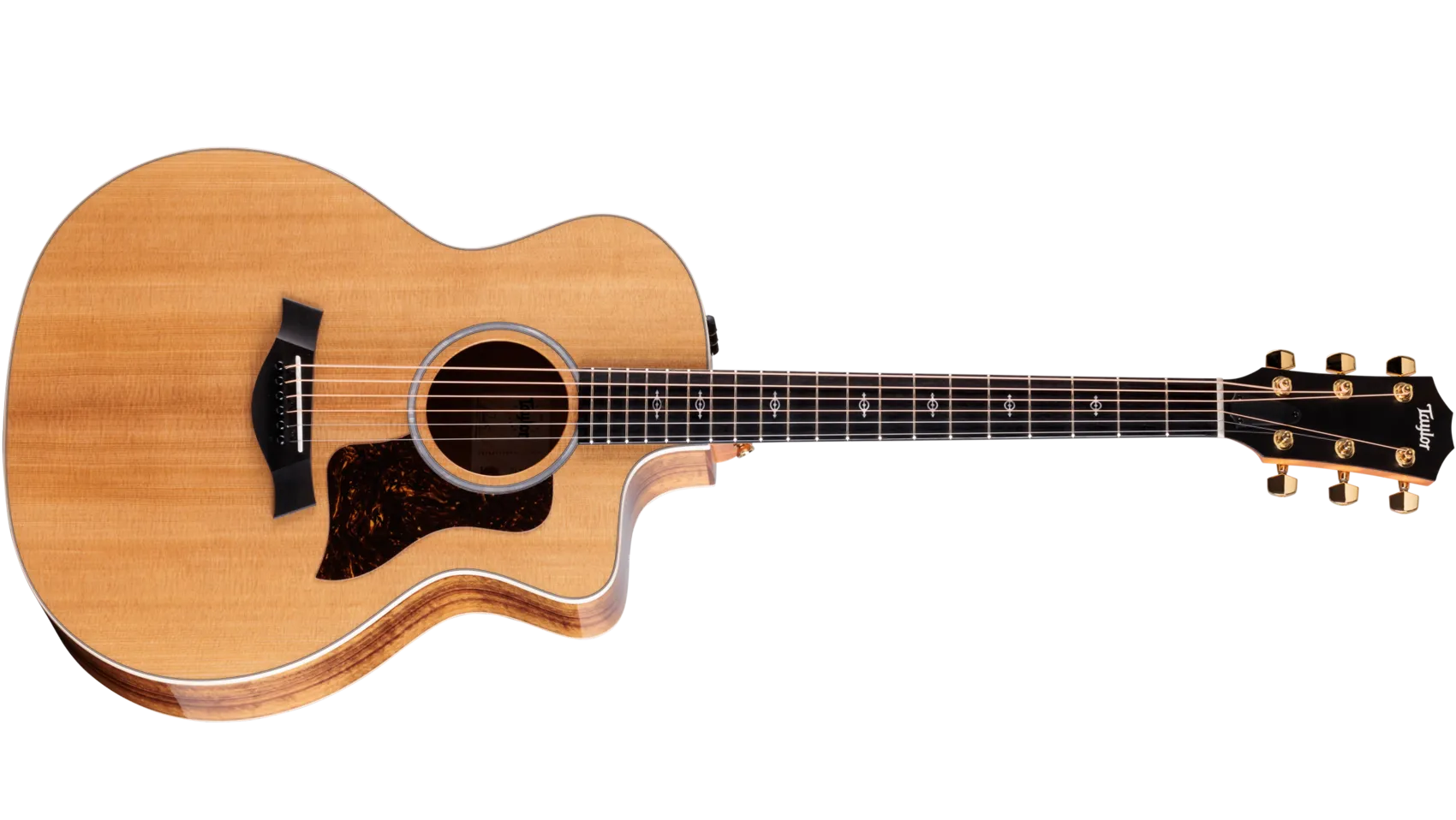
Taylor 214ce-K Deluxe
Expression System 2 pickup delivers natural stage tone with low feedback; Grand Auditorium body perfect for live projection.
Best for: Singer-songwriters or bands needing versatile, reliable plugged sound.
Price Range: $1,200-$1,400
Martin D-X2E Rosewood
Fishman MX-T preamp with phase control excels in loud environments; dreadnought lite body balances volume and feedback resistance.
Best for: Strummers in rock/country bands on mid-sized stages.
Price Range: $500-$600
Yamaha A5R
ART pickup system mimics studio mic'd sound; slim body and passive design minimize feedback for pro reliability.
Best for: Fingerstyle performers touring small to large venues.
Price Range: $900-$1,100
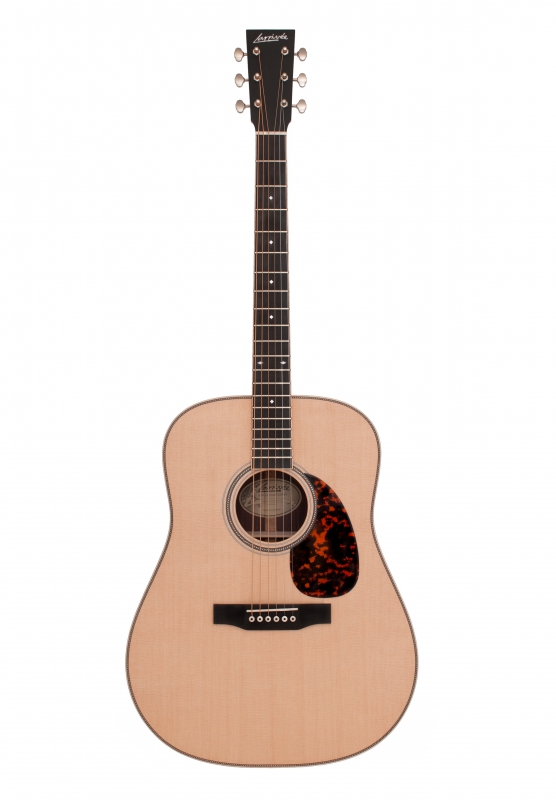
Larrivée D-40RCE
Overture electronics with Baggs system provide warm, dynamic amplification; premium woods ensure stage durability.
Best for: Folk/roots players needing boutique tone on budget.
Price Range: $1,800-$2,200