▸Why Acoustic Bass Strings Wear Out So Fast
Acoustic bass players know the frustration: fresh strings deliver that rich, resonant tone, but within weeks, they're dull, corroded, and buzzing. Finger oils, aggressive plucking, and the open-back design of acoustic basses accelerate wear compared to electrics. This guide breaks down what makes strings last, helping you save money and time on changes.
You'll discover key factors like materials, coatings, gauge, and maintenance, plus real-world comparisons. By the end, you'll pick strings that stay bright 3-5x longer. Perfect for intermediate players—no advanced luthier knowledge needed; just 10-15 minutes to read and apply.
Expect honest insights from years of testing: coated phosphor bronze often wins for longevity without killing tone.
▸What You'll Need
- •Basic knowledge of bass string gauges (e.g., light vs. medium)
- •Understanding of your playing style (fingerstyle vs. pick)
- •Access to your acoustic bass for testing string feel (optional)
Estimated Time: 10-15 minutes
Difficulty: intermediate
▸Step-by-Step Instructions
Step 1: Understand Core String Materials
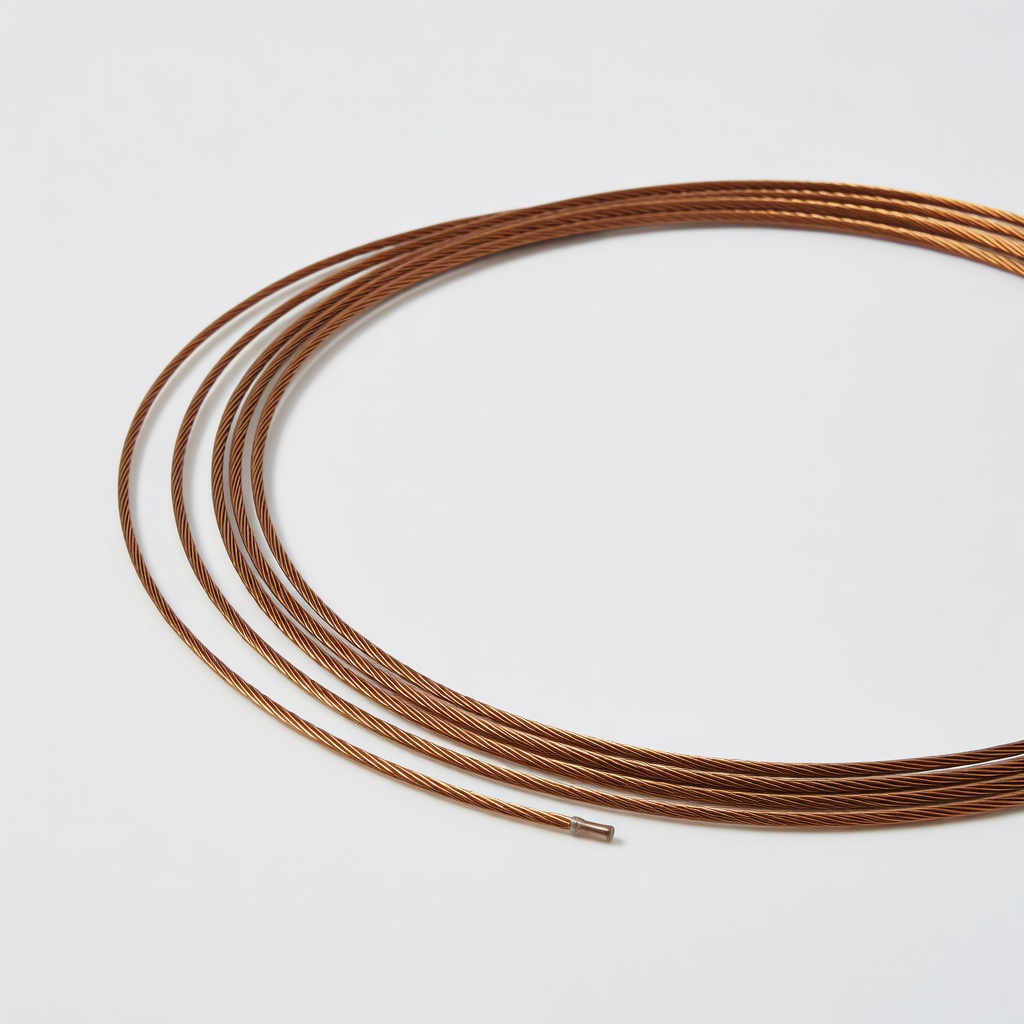
String longevity starts with the wrap wire material. Phosphor Bronze dominates acoustic bass strings for its warm tone and corrosion resistance—alloys of copper, tin, and phosphorus form a protective oxide layer, resisting sweat and humidity better than others.
80/20 Bronze (80% copper, 20% zinc) offers bright highs but corrodes faster, lasting 20-30% less in humid environments. Nickel-Plated Steel suits hybrids but lacks acoustic warmth and wears quicker on frets. Expect phosphor bronze to outlast others by 1-2 months baseline.
Image: Close-up comparison of shiny phosphor bronze vs. tarnished 80/20 bronze strings.
💡 Tips:
- •Test tone first: Phosphor bronze mellows beautifully over time.
⚠️ Warnings:
- •Avoid pure steel on pure acoustics—too bright and short-lived.
Step 2: Prioritize Coated Strings for Maximum Life
Coatings are game-changers: ultra-thin polymer layers (e.g., Elixir's Nanoweb) shield against oils, dirt, and oxidation without muting tone. They extend life 3-5x over uncoated—up to 6 months for moderate players.
Nanoweb (smooth, slick feel) vs. Polyweb (textured grip): Nanoweb lasts slightly longer. Uncoated feel more 'alive' initially but die fast. Analogy: Coatings are like raincoats on strings.
Image: Cross-section diagram of uncoated vs. coated string, showing protective layer.
💡 Tips:
- •Coated strings reduce finger squeaks—ideal for recording.
⚠️ Warnings:
- •Cheap coatings flake; stick to reputable brands.
Step 3: Balance Gauge and Tension
Gauge affects wear: Light (.040-.095) vibrate more, wearing frets faster but easier on fingers. Medium (.045-.105) balance tension and durability—higher tension resists breakage.
Heavier gauges last longer under aggressive play but increase finger fatigue. Match to your bass scale (long-scale needs beefier strings). Expect mediums to outlast lights by 20-40%.
Image: Gauge chart with tension ratings for acoustic bass sets.
💡 Tips:
- •Hybrid gauges (e.g., .045-.100) for versatile longevity.
Step 4: Core Type: Hex vs. Round
Hexagonal core (standard) grips wraps tightly for stability and even wear. Round core feels smoother but loosens faster. Most long-lasting acoustic bass strings use hex cores with roundwound wraps for projection.
Flatwounds last forever (1+ year) but lack attack—save for jazz, not rock.
Image: Side-by-side hex vs. round core strings unwound.
💡 Tips:
- •Hex cores tune stable in varying humidity.
Step 5: Factor in Playing Style and Environment
Aggressive fingerstyle or picks corrode strings 2x faster via oils/abrasion. Humid/sweaty gigs halve life; dry climates extend it.
Pro players get 3-4 months from coated mediums; hobbyists 6+. Test: Play 1 hour daily and note tone drop.
Image: Bass player in sweaty gig vs. studio setting.
⚠️ Warnings:
- •Picks gouge uncoated strings—go coated.
Step 6: Compare Top Brands Head-to-Head
Elixir Nanoweb: 5x life, smooth. D'Addario EXP: 4x, balanced tone. DR Hi-Beam: Uncoated but tough (2x stock). Martin SP: Affordable phosphor, 1.5x life.
Rank: Coated PB > Uncoated PB > 80/20.
Image: Lifespan bar graph of brands after 100 hours play.
Step 7: Maximize Longevity with Maintenance
Wipe post-play, store dry, change every 3 months regardless. Use fast-action cleaners.
This adds 20-50% life even to short-timers.
Image: Before/after wiped strings.
💡 Tips:
- •Microfiber cloth + string cleaner spray.
▸Pro Tips
- •Wipe strings after every session with a dry microfiber cloth.
- •Store bass in a hardshell case with silica packs for humidity control.
- •Stretch new strings properly during install to lock in tension.
- •Alternate sets: Coated for gigs, uncoated for practice.
- •Use ergonomic picks to reduce string abrasion.
- •Monitor tone weekly—change before full deadness.
- •Buy in bulk from trusted sellers for freshness.
▸Common Mistakes to Avoid
- •Ignoring coatings: Uncoated strings die 3x faster—budget for quality.
- •Wrong gauge for style: Too light breaks under slap; too heavy fatigues fingers.
- •Skipping maintenance: Oils build up invisibly, killing tone in weeks.
- •Overstretching budget on 'premium' uncoated—coated mid-tier wins.
- •Not matching scale length: Short-scale strings flop on long-scale basses.
▸Troubleshooting
Problem: Strings sound dead prematurely
Solution: Check for coating damage or high humidity; wipe and tune up. Replace if core exposed.
Problem: Excessive finger noise or slickness
Solution: Switch from Nanoweb to Polyweb coating; clean fretboard.
Problem: Fret buzz after restringing
Solution: Verify gauge/tension match; stretch strings 5-10x. Truss rod tweak if persists—see pro.
Problem: Strings break mid-set
Solution: Inspect for sharp frets/bridge; up gauge or add lubewrap.
Elixir Nanoweb Phosphor Bronze Acoustic Bass Strings (Light .045-.100)
Ultra-thin coating protects 5x longer than uncoated, retaining bright tone in humid conditions.
Best for: Gigging intermediates needing minimal changes.
Price Range: $45-$55
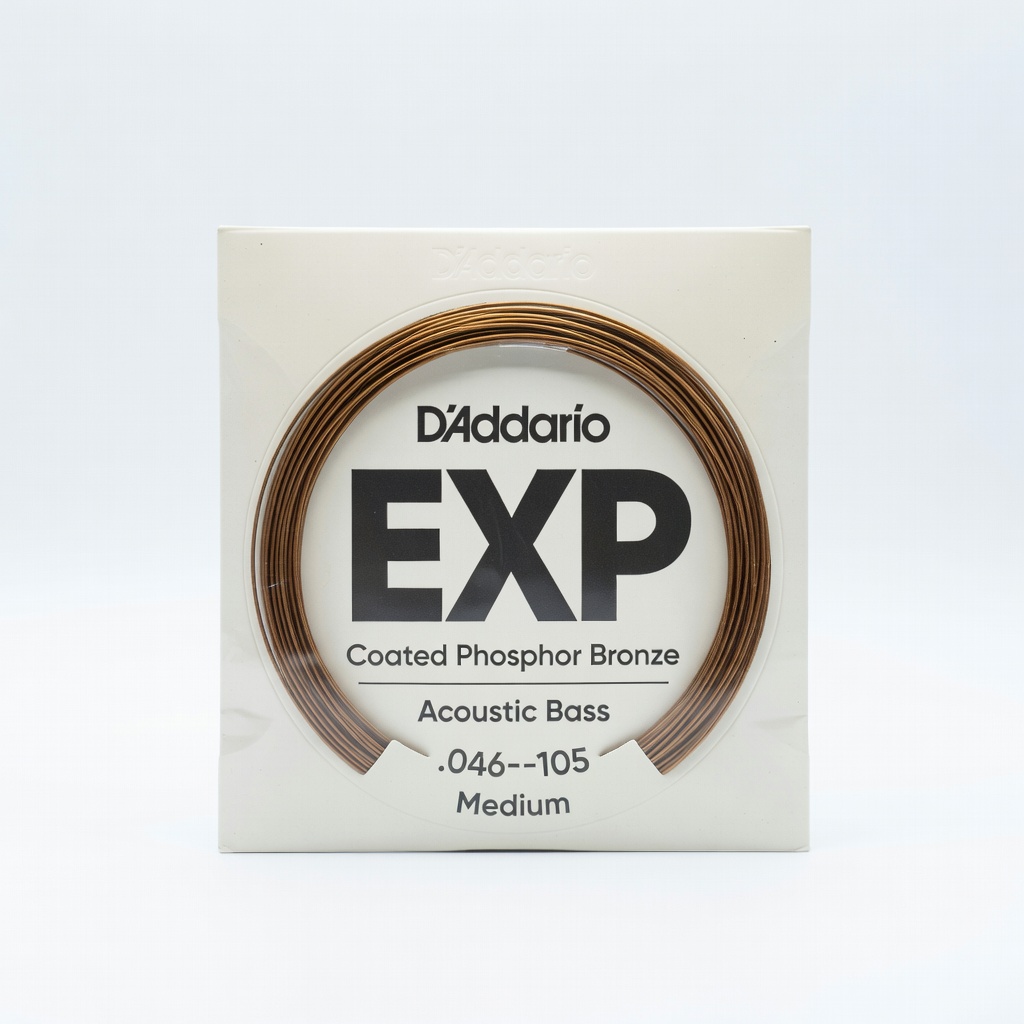
D'Addario EXP Coated Phosphor Bronze Acoustic Bass Strings (Medium .046-.105)
Exclusive coating extends life 4x with natural feel and corrosion resistance.
Best for: Fingerstyle players wanting balanced warmth and durability.
Price Range: $35-$45
Martin MA545 Marquis Phosphor Bronze Acoustic Bass Strings (.045-.100)
High-quality uncoated PB with anti-corrosion treatment; solid 2x life at budget price.
Best for: Practice sessions or dry climates on a budget.
Price Range: $20-$30
DR Strings Hi-Beam Phosphor Bronze Bass Strings (Medium)
Roundwound design with K3 coating tech for smooth feel and extended life without slickness.
Best for: Pick players seeking attack with longevity.
Price Range: $30-$40
Cleartone EMP Coated Bass Strings (Phosphor Bronze Light)
Thinnest coating preserves tone while blocking 90% of corrosion for 4x life.
Best for: Tone purists wanting coated benefits affordably.
Price Range: $25-$35