Running an Etsy shop is exciting, but tracking expenses can feel overwhelming—especially when overlooked costs eat into your profits or complicate tax time. Many beginner sellers mix up personal spending or forget Etsy-specific fees, leading to surprises from the IRS or lower take-home pay. This guide breaks it down simply.
You'll learn exactly what expenses account books track for Etsy sellers, why each matters, and how to categorize them effectively. No prior accounting knowledge needed—we use everyday examples and analogies like treating your shop like a mini lemonade stand.
Expect a straightforward explainer: 15-20 minutes to read, with actionable steps to start tracking today. By the end, you'll know how to use an account book to gain financial clarity and avoid common pitfalls.
▸What You'll Need
- •Basic Etsy seller account (for reference reports)
- •Receipts or bank statements from purchases
- •A physical or printable account book (recommended below)
- •Pen and calculator (optional: spreadsheet for backups)
- •Prerequisite: Understanding of basic Etsy sales (e.g., listings, orders)
Estimated Time: 15-20 minutes to read and set up basic tracking
Difficulty: beginner
▸Step-by-Step Instructions
Step 1: Understand What an Account Book Is
An account book, or ledger, is a simple notebook designed for recording financial transactions—like a diary for your Etsy shop's money. It has pre-formatted columns for dates, descriptions, income, expenses, and balances. Think of it as the 'behind-the-scenes log' that turns chaotic receipts into organized data.
For Etsy sellers, it focuses on expenses to calculate true profits (sales minus costs). Unlike apps, it's low-tech, portable, and tax-auditor friendly. Expect columns like 'Expense Category,' 'Amount,' and 'Receipt Attached.'
Why it matters: IRS requires proof of expenses for deductions; this provides it without fancy software.
💡 Tips:
- •Choose books with 3-5 columns for simplicity.
- •Start with a fresh page for each month.
Step 2: Why Etsy Sellers Must Track Expenses
Etsy fees, supplies, and shipping can eat 30-50% of sales if untracked. Account books help spot overspending, claim tax deductions (up to 100% of business expenses), and calculate profit margins accurately.
Example: Sell a $20 necklace but spend $10 on beads, $3 shipping, $2 Etsy fees—your real profit is $5. Without tracking, you might think it's $20 minus fees only.
What to expect: Monthly reviews reveal trends, like high ad costs, letting you adjust pricing.
⚠️ Warnings:
- •Don't ignore tracking—audits can cost thousands in penalties.
Step 3: Track Materials and Supplies Costs
These are direct costs for making products: beads, fabric, packaging inserts. Log every purchase from wholesalers like Alibaba or craft stores.
Why it matters: Variable per item, they directly impact pricing. Analogy: Flour for cookies—if untracked, you underprice and lose money.
How to record: Date | 'Beads for 50 necklaces - Michaels' | $45 | Attach receipt. Expect 40-60% of total expenses here.
💡 Tips:
- •Buy in bulk and note per-unit cost.
- •Separate bulk buys across multiple entries if used over time.
Step 4: Record Etsy Fees and Transaction Costs
Etsy charges listing fees ($0.20), transaction fees (6.5%), payment processing (3% + $0.25), and ads. Download monthly Etsy statements.
Why track: These average 15-25% of sales; deduct them fully on taxes. Example: $100 sale = ~$10 fees.
Log as: Date | 'Etsy fees Oct invoice' | $23.50. Expect automatic from Etsy reports.
Step 5: Log Shipping and Packaging Expenses
Include USPS/UPS labels, boxes, tape, labels. Charge customers but track your net cost.
Matters because: Shipping eats 10-20% profits if not passed on fully. Analogy: Delivery fuel for your virtual store.
Record: Date | 'USPS labels for 20 orders' | $18. Track refunds too.
💡 Tips:
- •Use Etsy shipping profiles to estimate; reconcile monthly.
⚠️ Warnings:
- •Don't forget international shipping surcharges.
Step 6: Capture Marketing and Advertising Costs
Etsy ads, social media boosts, email tools like Mailchimp. These drive sales but add up.
Why: ROI check—$50 ads for $200 sales? Worth it. Deductible as business promo.
Entry: Date | 'Etsy Offsite Ads' | $15. Expect 5-15% of expenses.
Step 7: Account for Overhead and Misc Expenses
Home office supplies, internet portion, tools, returns/Refunds. Allocate business % (e.g., 20% of internet bill).
Matters: Fixed costs overlooked by beginners. IRS allows home office deduction.
Log: Date | 'Printer ink (business use)' | $12. Review quarterly.
💡 Tips:
- •Use IRS home office rules for % calculation.
Step 8: Review and Balance Your Account Book
Monthly: Total expenses, compare to income. Calculate profit: Income - Expenses.
Why: Spot issues early, prep Schedule C taxes. Expect insights like 'cut shipping supplier.'
▸Pro Tips
- •Categorize consistently—use the same terms monthly for easy totaling.
- •Scan receipts with phone apps like Expensify for digital backups.
- •Track weekly to avoid backlog; set phone reminder Sundays.
- •Allocate indirect costs (e.g., tools) over usage months.
- •Cross-check with Etsy/PayPal CSVs for accuracy.
- •Color-code pages: Green for income, red for expenses.
- •Start small—track one category first if overwhelmed.
▸Common Mistakes to Avoid
- •Mixing personal and business expenses: Use separate bank account; avoid by labeling clearly.
- •Forgetting small recurring fees like $0.20 listings: They add up to hundreds yearly; log from Etsy dashboard.
- •Not keeping receipts: IRS wants proof; snap photos immediately.
- •Ignoring non-product costs like ads: Leads to inflated profit views; categorize everything.
- •Inconsistent categorization: Makes tax time chaos; stick to 6-8 core categories.
▸Troubleshooting
Problem: Expenses don't match Etsy sales reports
Solution: Download Etsy CSV exports and reconcile date-by-date; adjust for timing differences (e.g., fees post-shipment).
Problem: Book running out of pages too fast
Solution: Use a 200+ page book or switch to monthly summaries; archive old pages.
Problem: Unsure about deductible overhead
Solution: Check IRS Pub 535; use 20-50% business-use % for home items. Consult free Etsy seller tax guides.
Problem: Overwhelmed by volume
Solution: Batch weekly; consider hybrid with free tools like Google Sheets first.
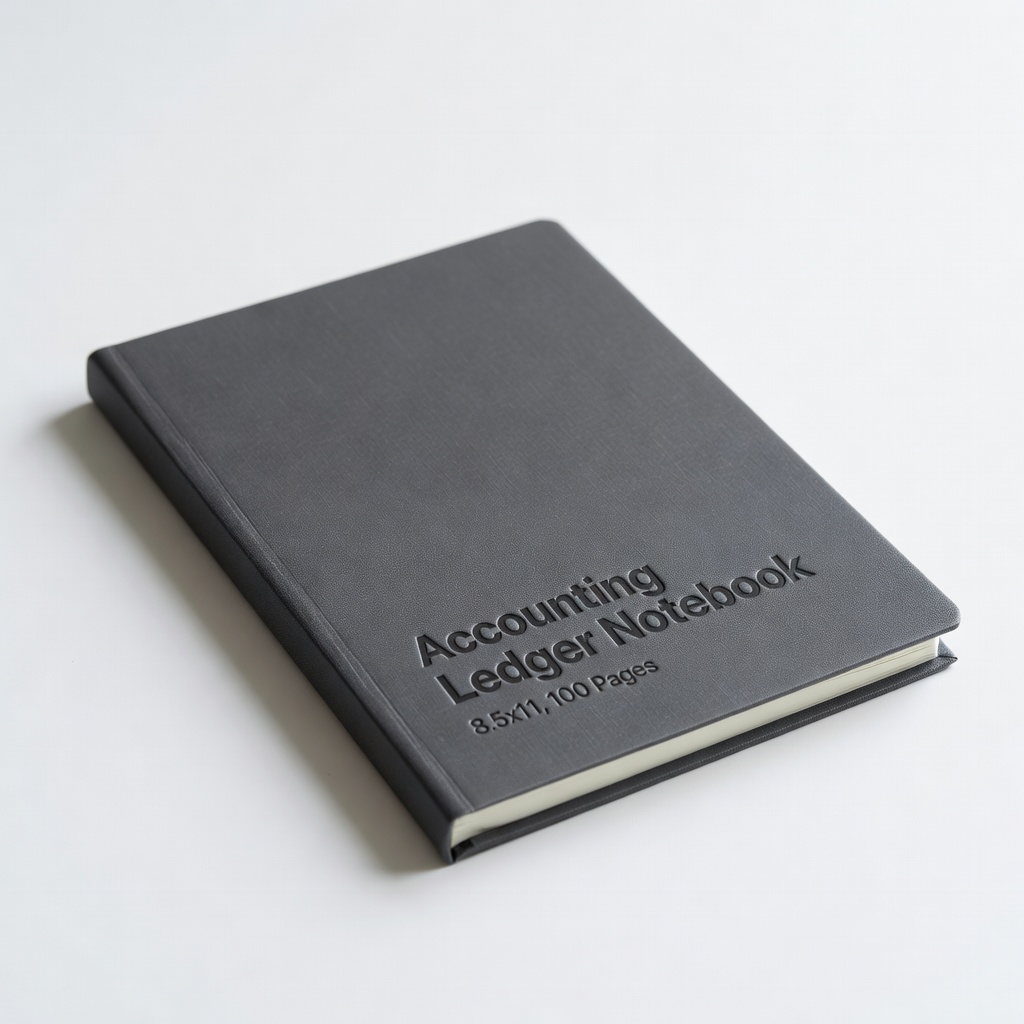
Ledger Book: Accounting Ledger Notebook, 8.5x11, 100 Pages
Affordable, simple columns perfect for beginners to track Etsy expenses without complexity.
Best for: Daily logging of supplies, fees, and shipping for solo sellers.
Price Range: $6.99
Guarnec Money Ledger Book: Simple Household Budget & Expense Notebook
Pre-printed categories for income/expenses, durable for heavy use by craft sellers.
Best for: Organizing Etsy fees, materials, and monthly summaries.
Price Range: $8.99
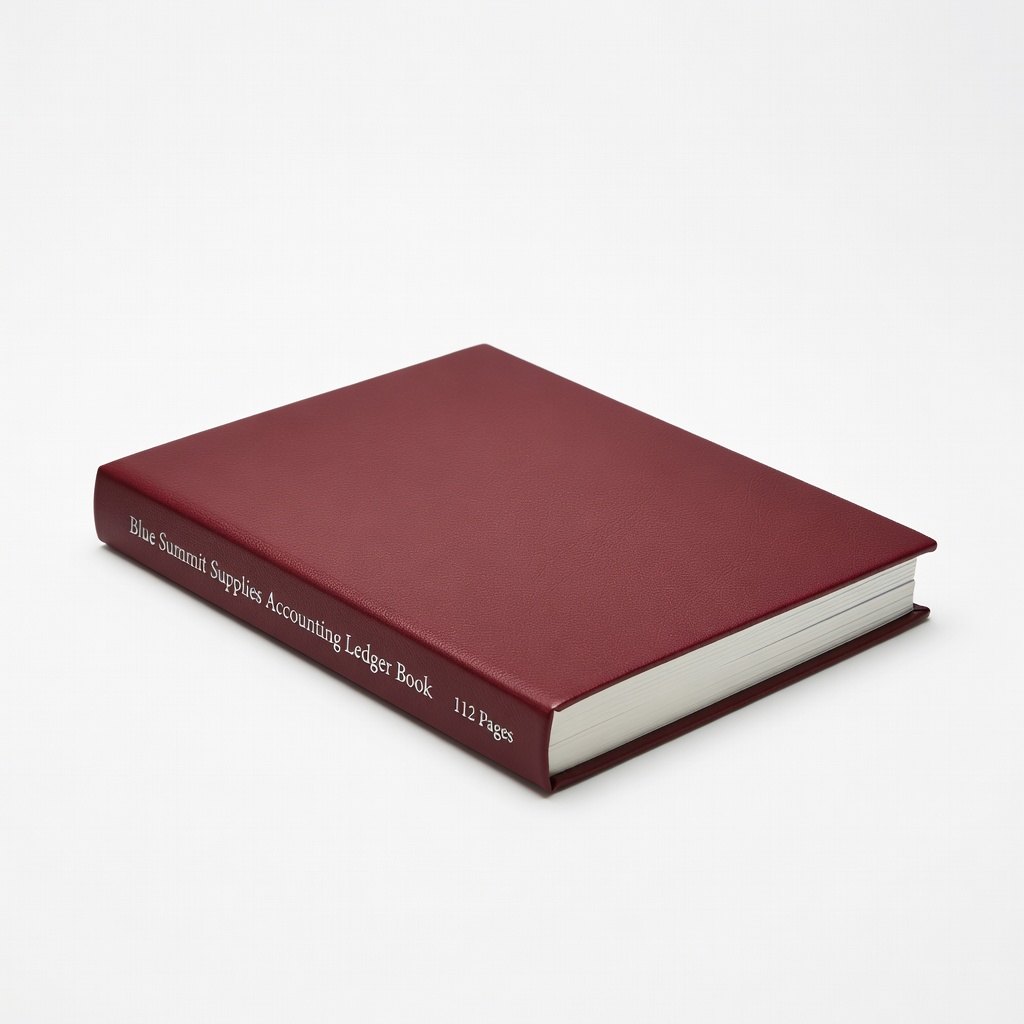
Blue Summit Supplies Accounting Ledger Book, 112 Pages, Burgundy
Professional look with balance columns; great for tax prep and Etsy profit tracking.
Best for: Sellers scaling to 100+ orders/month needing structured format.
Price Range: $12.99
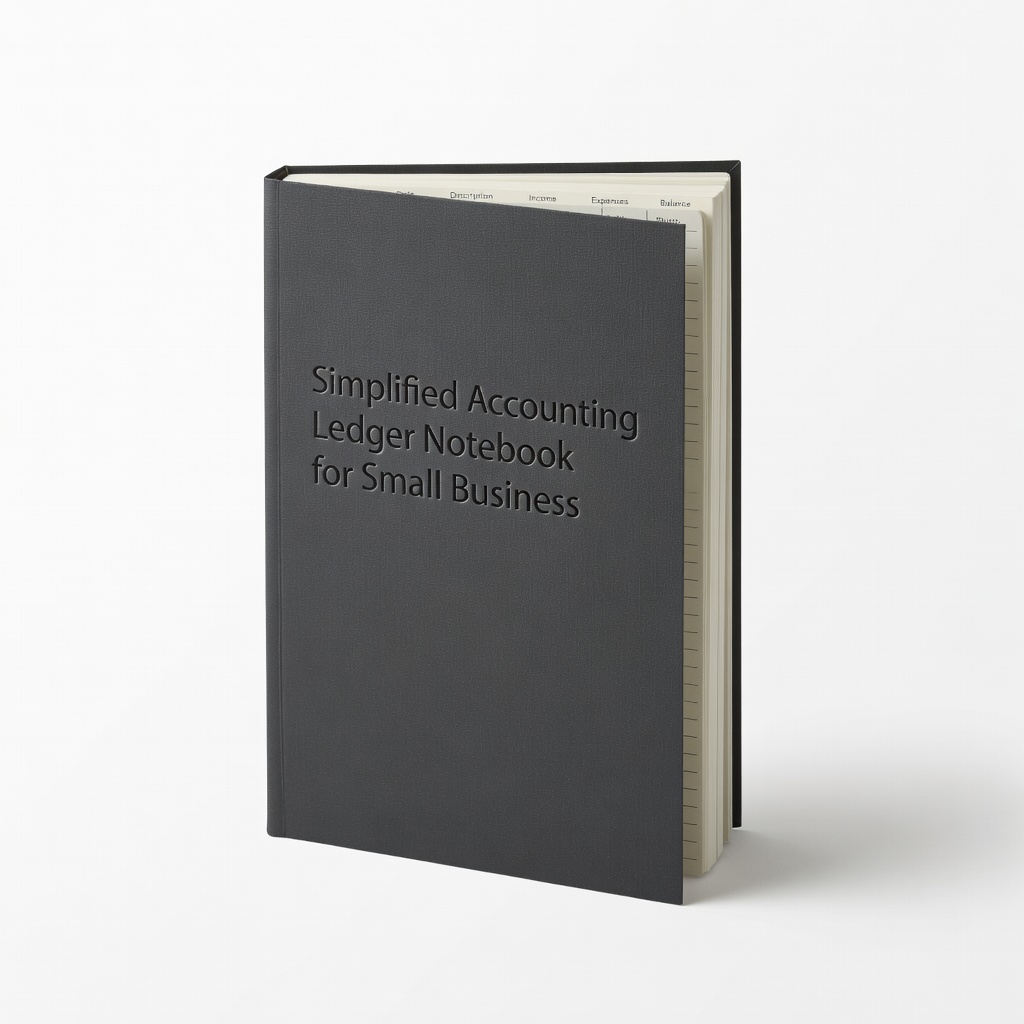
Simplified Accounting Ledger Notebook for Small Business
Etsy-friendly with space for notes/receipts; beginner-proof design.
Best for: Tracking overhead and marketing alongside core expenses.
Price Range: $7.99
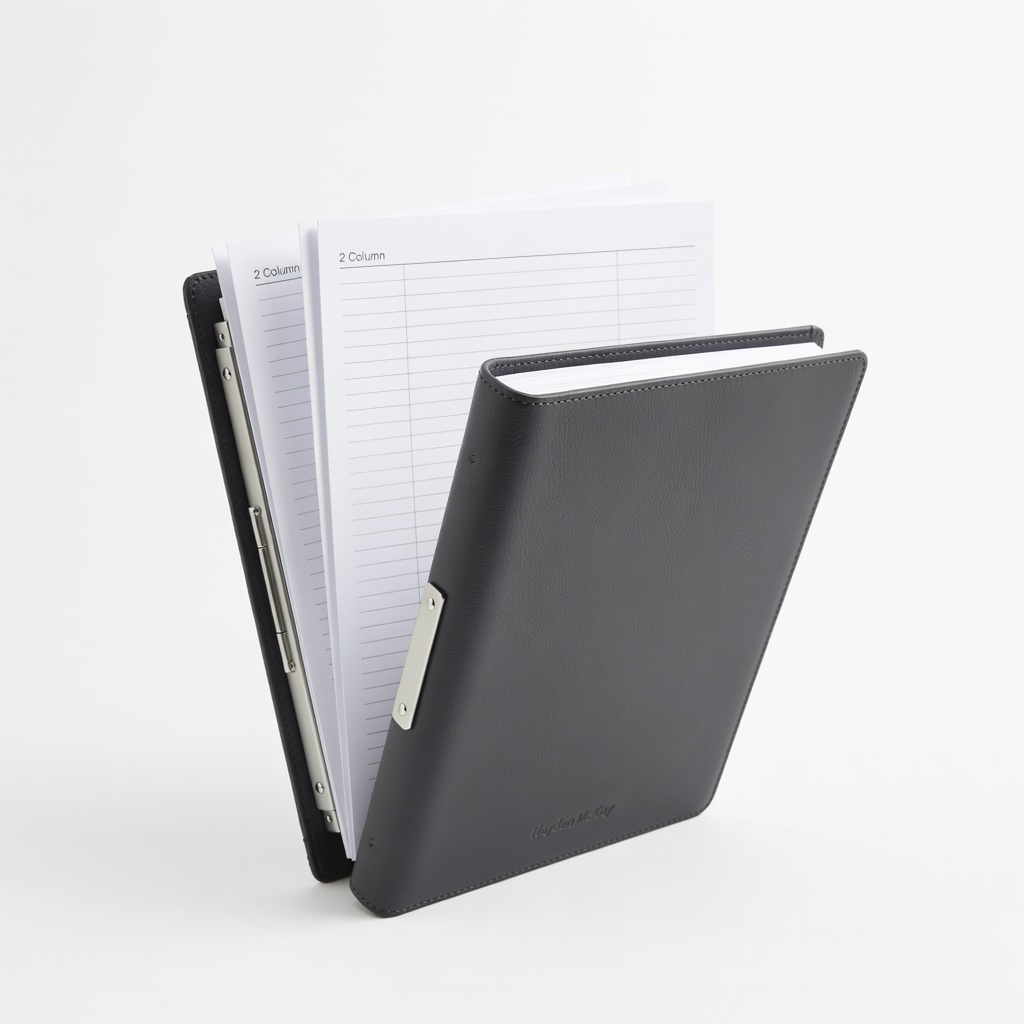
Hayden McKay 2 Column Ledger Sheets Refillable Book
Refillable for long-term use; compact for on-the-go Etsy sellers.
Best for: Portable expense logging at craft fairs or suppliers.
Price Range: $14.99