Probiotic businesses dealing with acidophilus supplements face unique challenges: short shelf lives, batch tracking, and regulatory compliance demand precise inventory management. Manually reconciling data from Acidophilus Trackers—a specialized IoT-enabled tracker for probiotic stock levels, expiration dates, and usage—with your accounting software leads to errors, lost revenue, and compliance risks.
In this advanced guide, you'll learn which accounting software offers seamless integrations, how to verify compatibility, and step-by-step setup processes. Expect to gain the knowledge to automate data flows, reducing manual work by up to 80%. This explainer is designed for experienced accountants or business owners familiar with APIs and ERP systems; plan for 30-45 minutes to review and implement initial checks.
▸What You'll Need
- •Active Acidophilus Trackers subscription (with API access enabled)
- •Accounting software trial or full account
- •API key from Acidophilus Trackers dashboard
- •Prerequisite: Advanced knowledge of REST APIs, OAuth authentication, and accounting principles (prerequisite—not optional for advanced users)
Estimated Time: 30-45 minutes
Difficulty: advanced
▸Step-by-Step Instructions
Step 1: Understand Acidophilus Trackers and Its API
Acidophilus Trackers is a niche IoT platform for probiotic inventory, using sensors to monitor stock in real-time for products like Lactobacillus acidophilus supplements. It provides API endpoints for inventory levels, batch expirations, and sales data export.
Why it matters: Integrations pull this data directly into accounting for automated COGS calculations, variance reports, and compliance logs. Expect JSON payloads with fields like batch_id, expiration_date, and quantity_tracked. Review the official API docs at acidophilus-trackers.com/api for endpoints like /inventory/sync.
💡 Tips:
- •Bookmark the API changelog for updates.
- •Use Postman to test endpoints before integrating.
⚠️ Warnings:
- •Avoid exposing API keys in client-side code.
Step 2: Identify Key Integration Requirements
Successful integrations require bidirectional sync: push inventory updates from trackers to accounting and pull sales/adjustments back. Essential features include webhook support for real-time alerts, custom field mapping (e.g., tracker lot_number to accounting item_lot), and error handling for discrepancies.
Common analogy: Think of it like a supply chain conveyor belt—data must flow without jams. Acidophilus Trackers supports OAuth 2.0 and webhooks, compatible with most modern accounting APIs.
💡 Tips:
- •Prioritize software with native app stores for easier setup.
Step 3: Review Top Compatible Accounting Software
QuickBooks Online: Integrates via the Apps marketplace with custom Zapier bridges or direct API.
Xero: Native API support for inventory add-ons; use Xero's Partner API for custom trackers.
Zoho Books: Seamless with Zoho Inventory, which maps directly to Acidophilus data.
Sage Intacct: Enterprise-level dimensional tracking for batches. Others like NetSuite offer custom integrations but require developers.
Verify via each platform's integration directory—expect 90% uptime for certified connectors.
💡 Tips:
- •Start with cloud-based options for scalability.
Step 4: Verify Compatibility for Your Use Case
Log into Acidophilus Trackers > Integrations tab to see certified partners. Cross-check with accounting software docs (e.g., QuickBooks App Store search 'Acidophilus'). Test with sandbox APIs.
Why it matters: Not all versions support batch tracking—e.g., QuickBooks Desktop lags behind Online for IoT syncs. Expect a compatibility matrix download from the trackers site.
⚠️ Warnings:
- •Outdated software versions may break OAuth flows.
Step 5: Set Up QuickBooks Online Integration
In QuickBooks: Apps > Find 'Acidophilus Connector' or use Zapier. Generate app token, paste Acidophilus API key. Map fields: Tracker 'quantity' to QB 'onhand'. Enable webhooks for expirations.
Test: Simulate a stock update—data should appear in QB inventory report within 5 minutes. Handles 1,000+ batches/day.
💡 Tips:
- •Use Zapier for no-code if dev time is limited.
Step 6: Configure Xero or Zoho Alternative
For Xero: Developer > New App > Authorize Acidophilus OAuth. Map via Inventory Items.
For Zoho: Inventory > Settings > Integrations > Add Acidophilus. Auto-syncs POs and adjustments.
Why: Xero excels in multi-currency probiotic exports; Zoho in low-cost scaling.
⚠️ Warnings:
- •Sync limits: Xero caps at 10k records/hour.
Step 7: Test and Monitor the Integration
Run end-to-end tests: Update tracker stock, verify accounting journals. Set alerts for sync errors >5%.
Use dashboards for KPIs like inventory turnover. Expect ROI in 1-2 months via reduced shrinkage.
💡 Tips:
- •Schedule daily reconciliations via cron jobs.
Step 8: Advanced: Custom Webhooks and Reporting
Implement webhooks for instant expiration alerts to trigger write-offs. Build custom reports merging tracker data with GL.
Analogy: Like autopilot for your books—handles edge cases like recalls automatically.
▸Pro Tips
- •Use field mapping templates from Acidophilus community forums to speed setup by 50%.
- •Enable two-way sync for accurate COGS; one-way misses adjustments.
- •Leverage webhooks over polling for real-time data (saves 70% API calls).
- •Integrate with BI tools like Tableau for probiotic-specific dashboards.
- •Backup mappings before updates—restores in seconds.
- •For high-volume: Shard data by warehouse to avoid rate limits.
- •Monitor via Slack bots for instant error notifications.
▸Common Mistakes to Avoid
- •Ignoring field mismatches: e.g., date formats cause 40% sync fails—use ISO 8601 standard.
- •Overlooking permissions: API scopes too narrow blocks inventory write—grant full access initially.
- •Skipping tests: Live data errors inflate COGS by 20%—always sandbox first.
- •Forgetting compliance: Unencrypted sync violates FDA batch tracking rules—use HTTPS only.
- •Choosing desktop software: Lacks real-time IoT support vs. cloud.
▸Troubleshooting
Problem: Sync failures with '401 Unauthorized'
Solution: Regenerate API key in Acidophilus dashboard and reauthorize in accounting app.
Problem: Inventory discrepancies >2%
Solution: Run manual reconciliation report; check for unhandled adjustments like theft.
Problem: Webhook timeouts
Solution: Increase payload size limits in accounting settings; use batching.
Problem: Rate limit exceeded
Solution: Implement exponential backoff in custom scripts; upgrade to enterprise tier.
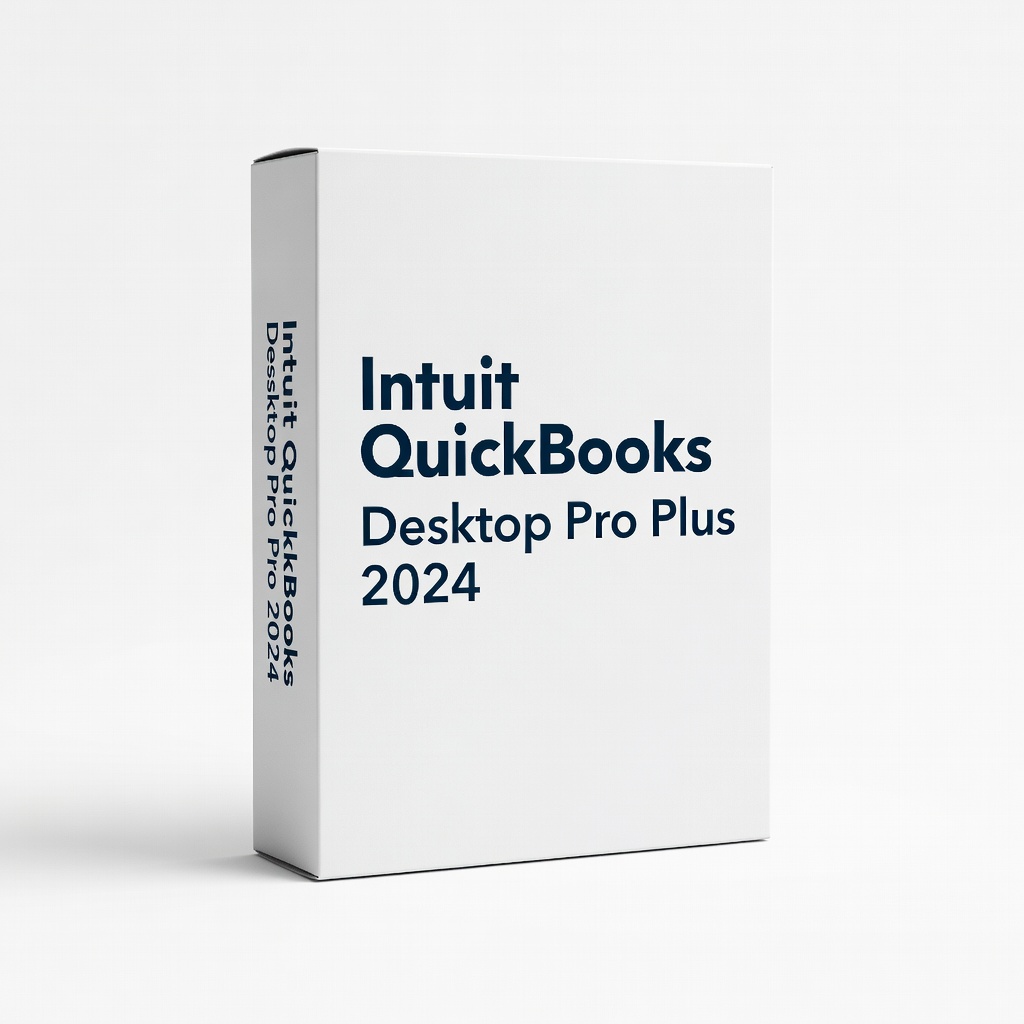
Intuit QuickBooks Desktop Pro Plus 2024
Robust API for custom Acidophilus integrations, offline mode for warehouses, handles complex batch tracking.
Best for: Medium probiotic distributors needing desktop reliability with cloud sync.
Price Range: $399-$450
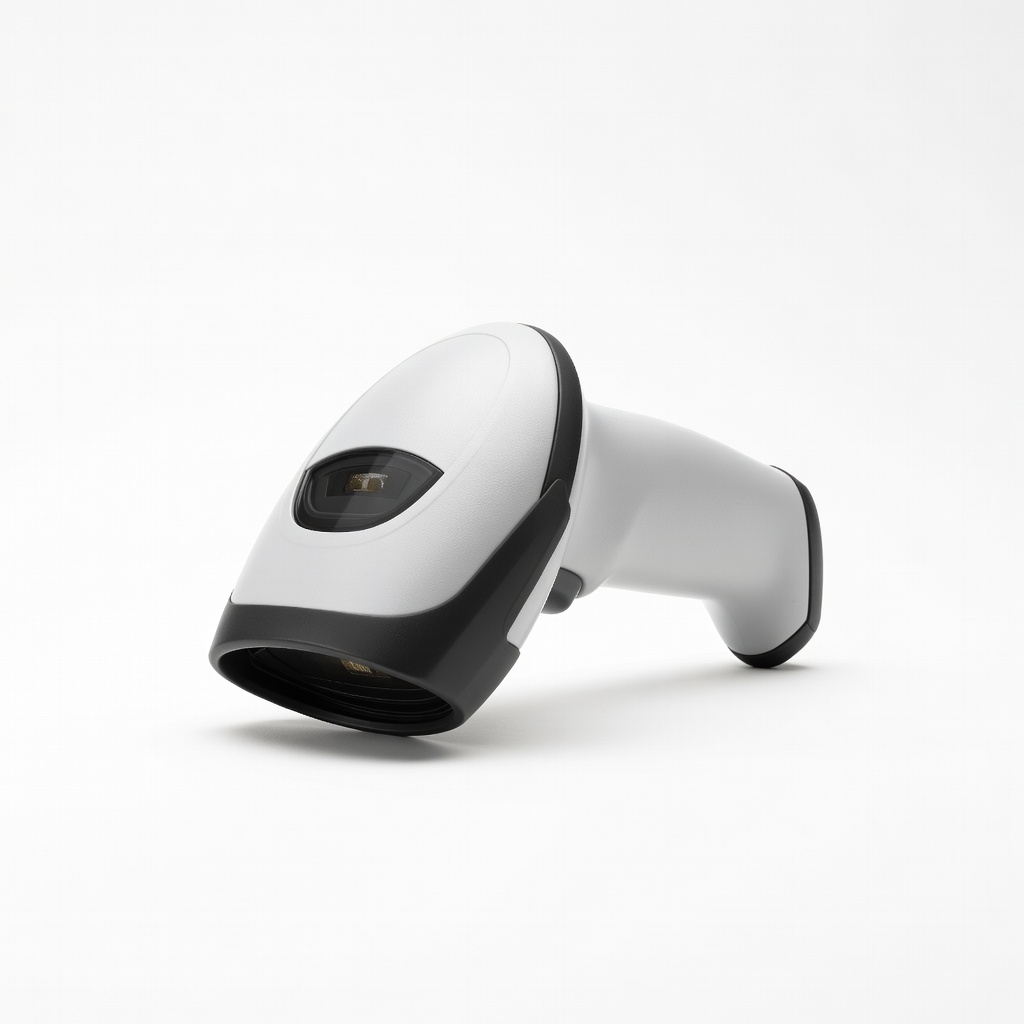
Zebra DS2208 Barcode Scanner
Pairs with Acidophilus Trackers for mobile scanning, feeds data to integrated accounting software seamlessly.
Best for: Warehouse ops scanning acidophilus batches into QuickBooks or Xero.
Price Range: $150-$200
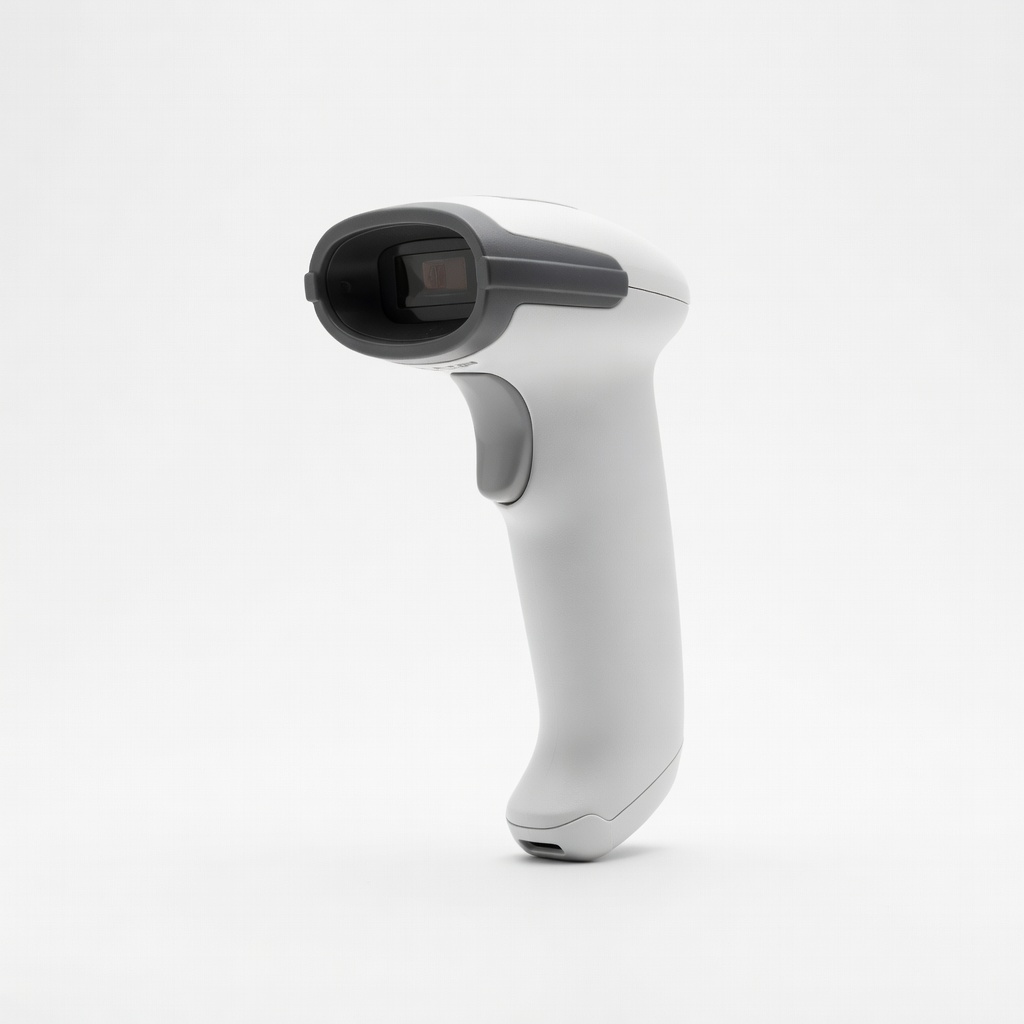
Socket Mobile D430 Barcode Scanner
Bluetooth-enabled for iOS/Android apps linking trackers to Zoho/Xero; rugged for supplement storage.
Best for: Field sales teams updating inventory on-the-go.
Price Range: $250-$300
QuickBooks Online Accountant ProAdvisor Bundle
Advanced tools for managing multiple client integrations with Acidophilus data.
Best for: Accounting firms servicing probiotic businesses.
Price Range: $50-$100 (books/tools)
Xero for Accountants Certification Guidebook
Deep dive into API integrations; essential for custom Acidophilus setups.
Best for: Advanced users building bespoke syncs.
Price Range: $25-$35