Running a small business? Overwhelming receipts, forgotten expenses, and tax season chaos are common nightmares that can lead to missed deductions or IRS headaches. Proper expense tracking saves money, simplifies taxes, and helps you spot wasteful spending.
In this beginner guide, you'll discover what accounting books are best for tracking small business expenses, key features to look for, step-by-step setup and usage, plus top recommendations. No accounting degree needed – just 20-30 minutes to read and get started with organized books.
We'll break down types like cash books and ledgers, compare real products, and share pro tips to make bookkeeping effortless, even if you're new to it.
▸What You'll Need
- •Pen or pencil (permanent ink recommended)
- •Receipt organizer or folder
- •Calculator (optional, for quick math)
- •Basic knowledge of your business expenses (no prior accounting experience required)
Estimated Time: 20-30 minutes to read and choose/setup your book
Difficulty: beginner
▸Step-by-Step Instructions
Step 1: Understand Why Expense Tracking Matters
Expense tracking records every business outflow – from office supplies to travel – to monitor cash flow, prepare taxes, and claim deductions. Without it, you risk overspending or audit issues.
For small businesses, this prevents 'profit leaks' where small expenses add up unnoticed. Expect clearer financial pictures and confidence at tax time.
Analogy: It's like a food diary for your business diet – tracks calories (expenses) to stay healthy (profitable).
💡 Tips:
- •Start with one month's tracking to see immediate benefits
Step 2: Learn the Basics of Accounting Books
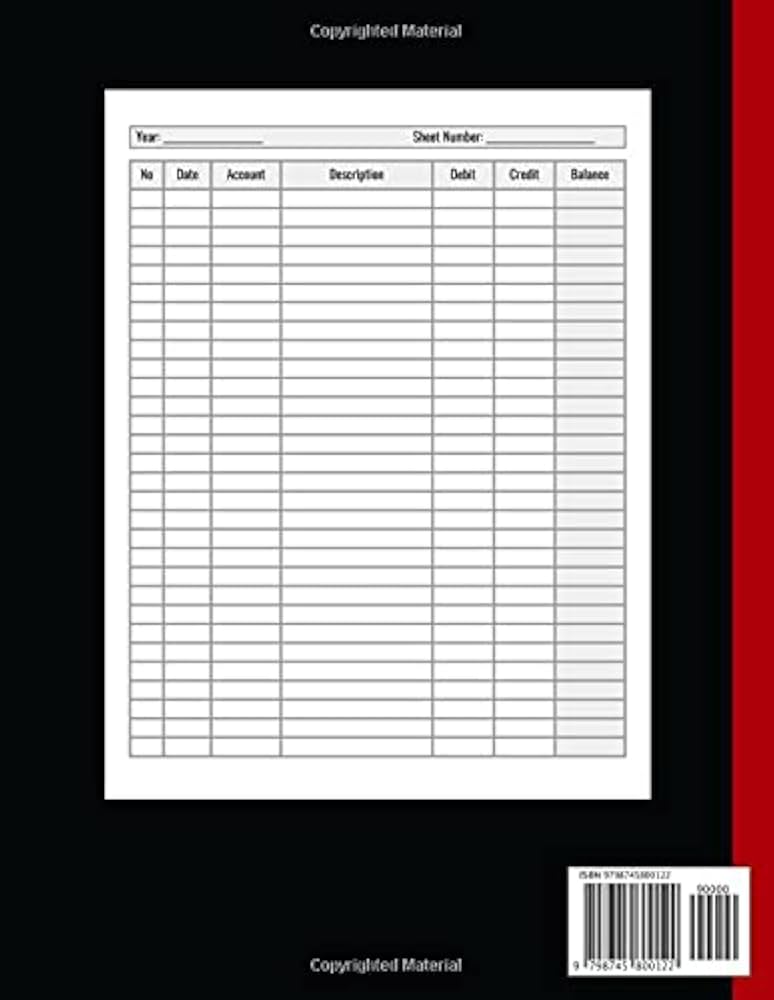
Accounting books are physical notebooks designed for manual entry, like ledgers (multi-column for categories) or journals (daily logs). Unlike software, they're low-cost, offline, and foolproof for beginners.
They use simple double-entry basics: debits (expenses out) and credits (money in), but for expenses, focus on single-entry logging date, description, amount, category.
Expect durable pages, numbered entries, and columns for easy math.
⚠️ Warnings:
- •Avoid generic notebooks – they lack columns and tear easily
Step 3: Know the Types for Small Business Expenses
Cash books track daily cash in/out. Expense journals focus on costs only. Ledgers combine with categories like 'Marketing', 'Supplies'.
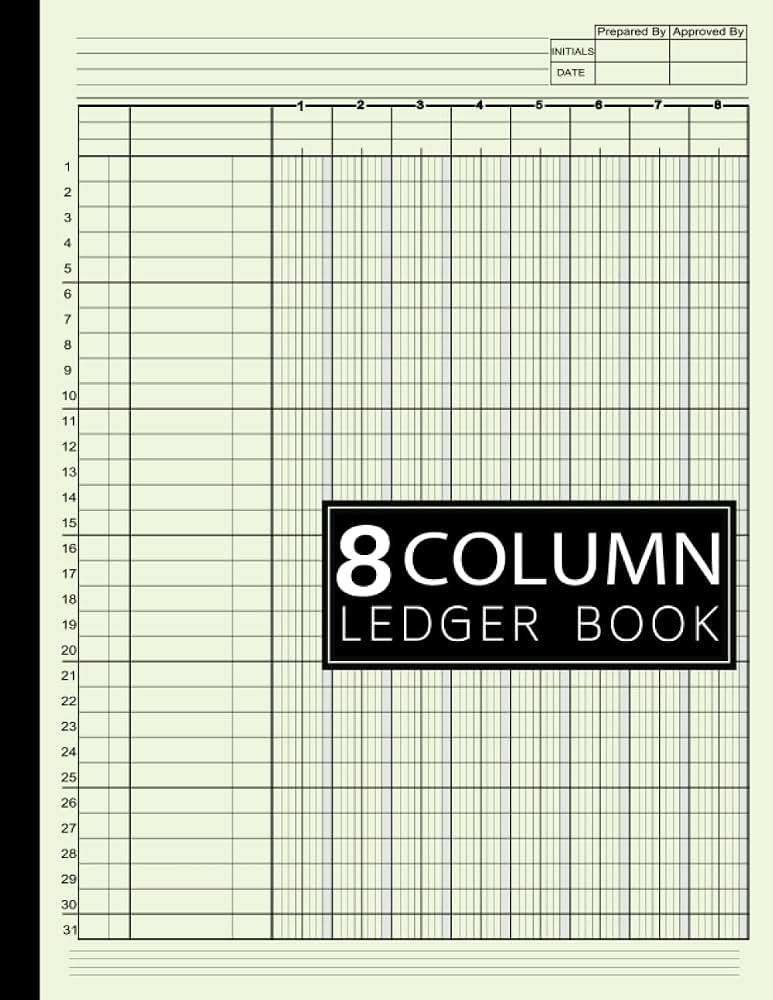
Best for small biz: Columnar ledgers (4-12 columns) for sorting expenses by type. Journals suit sole proprietors; ledgers scale for growth.
Example: Log 'Office Supplies $45 on 10/15' in 'Supplies' column.
💡 Tips:
- •Choose based on volume: 4-column for <50 txns/month, 8+ for more
Step 4: Evaluate Key Features in Accounting Books
Look for: Acid-free paper (lasts 10+ years), hard cover (durable), pre-printed columns (Date, Description, Category, Debit, Balance), page numbers, and totals rows.
Size: 8.5x11 inches standard. Pages: 100+ for a year. Why? Prevents errors, speeds entry, aids audits.
Pro tip: Waterproof pages if handling messy receipts.
Step 5: Compare Top Accounting Books
Budget: Basic 4-column ($7, simple). Mid-range: 8-column with categories ($12, versatile). Premium: Undated, customizable (~$20, professional).
Small biz winners balance simplicity and detail. Test by flipping pages – smooth glide means quality.
We'll recommend specifics later, but prioritize those with 4.5+ star reviews and 1000+ ratings.
💡 Tips:
- •Read Amazon reviews for real-user photos of pages
Step 6: Set Up Your Accounting Book
Write business name, start date on cover. Index categories (e.g., Rent, Utilities, Travel). Number pages if not pre-numbered.
Create a key: Column 1=Date, 2=Payee, 3=Description, 4=Category, 5=Amount, 6=Receipt #, 7=Notes, 8=Running Total.
Expect 5 minutes setup – now ready for daily use.
⚠️ Warnings:
- •Don't skip indexing – saves hours searching later
Step 7: Track Expenses Daily
Each txn: Enter date, vendor, details, category, amount. Staple/tape receipt to page or note #.
Weekly: Sum columns, carry totals. Monthly: Review for trends.
Example: '10/20, Staples, Printer Ink, Supplies, $29.50, Rec#45'. Why daily? Memory fades; builds habit.
💡 Tips:
- •Use colored pens for categories – visual scan faster
Step 8: Review and Reconcile Monthly
Tally totals vs. bank statements. Check math (add columns). Note anomalies.
Export to tax software if needed. Expect insights like 'Marketing ate 30% budget'.
Analogy: Monthly doctor's checkup for business health.
▸Pro Tips
- •Categorize consistently from day 1 (use IRS Schedule C list)
- •Photograph receipts before logging – digital backup
- •Batch enter weekends (10 mins saves daily hassle)
- •Use running totals column to spot overspending instantly
- •Pair with free apps like Expensify for scanning
- •Archive old books yearly – easy tax access
- •Color-code pages for quarters/tax periods
▸Common Mistakes to Avoid
- •Mixing personal and business expenses – avoid by separate books or strict categories
- •Skipping receipts – leads to forgotten deductions; always attach
- •Inconsistent categorization – makes reports useless; define upfront
- •Poor handwriting – use print/block letters or buy lined books
- •Not reconciling monthly – errors compound; set calendar reminder
▸Troubleshooting
Problem: Totals don't match bank statement
Solution: Double-check math with calculator; verify dates/categories; look for unentered checks
Problem: Book pages tearing
Solution: Switch to hard cover; use page protectors for receipts
Problem: Running out of space mid-year
Solution: Choose 200+ page books initially; start new book and note 'Vol 2'
Problem: Hard to find old entries
Solution: Add running index at front; use tabs for months
4E's Novelty Simple Accounting Ledger Book (112 Pages, 8 Columns)
Best budget pick with pre-printed columns, hard cover, and ample space – ideal for beginners (Amazon ASIN: B07G5J5R5K, 4.7 stars)
Best for: Solo entrepreneurs with low transaction volume needing simple daily logging
Price Range: $6.99
Blue Summit Supplies 8 Column Accounting Ledger Notebook (112 Pages)
Versatile mid-range with thick paper, numbered pages, and summary sections – prevents bleed-through from receipts (4.8 stars)
Best for: Growing small businesses tracking multiple categories like marketing and inventory
Price Range: $12.99
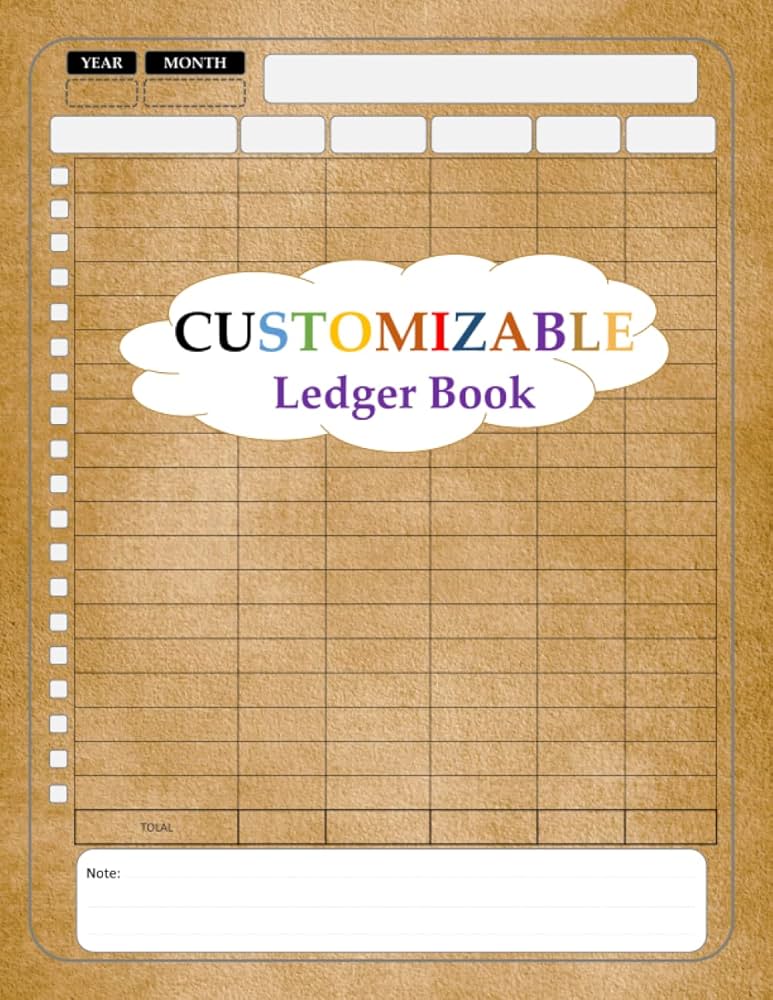
Bookkeeping Accounting Ledger by Zen Artist (100 Pages, Customizable)
Affordable with clean design and extra notes column – great for detailed descriptions (ASIN: B08L3QJ3K7)
Best for: Freelancers adding client-specific notes alongside expenses
Price Range: $5.99
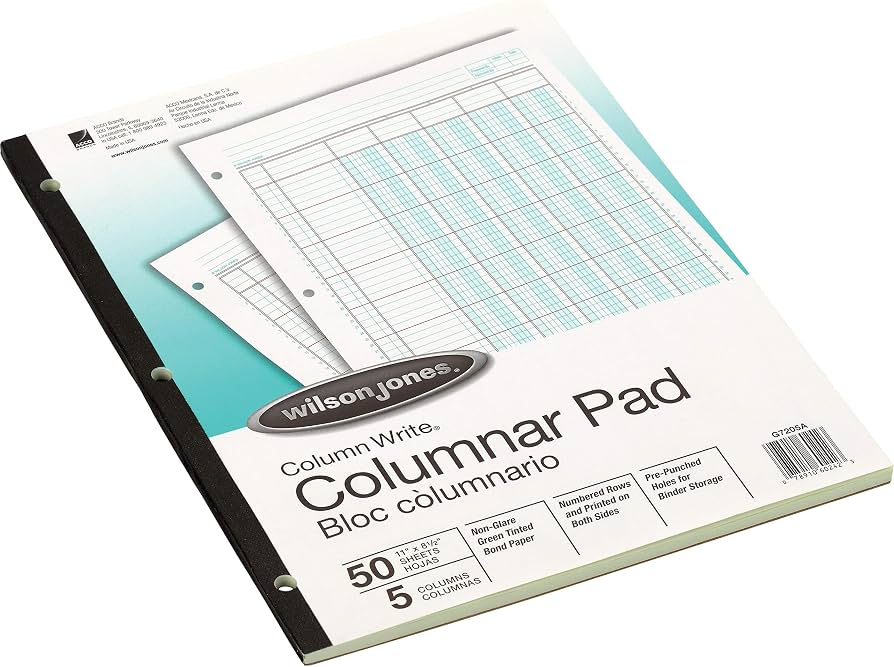
Wilson Jones Ledger Pad (50 Sheets, 8 Columns)
Professional refillable pad for heavy use – detachable sheets for filing (classic, durable)
Best for: Businesses preferring loose-leaf for binders or scanning
Price Range: $15-$20
Red Ledger Co. Accounting Ledger Notebook (120 Pages)
Premium feel with waterproof cover and totals rows – built to last multiple years
Best for: Field-based businesses (e.g., contractors) needing rugged durability
Price Range: $9.99-$14.99