Struggling with unpredictable donations, restricted grants, and compliance headaches? Nonprofits face unique budgeting challenges that for-profit strategies just don't address, leading to cash shortages or audit failures.
In this guide, you'll uncover the core lessons from top accounting books on nonprofit budgeting—from revenue forecasting to variance analysis. Expect clear explanations, real-world examples, and actionable insights tailored for intermediate learners with basic accounting knowledge.
You'll gain a structured understanding in 25-35 minutes, empowering you to create budgets that align missions with finances without needing advanced CPA skills.
▸What You'll Need
- •Basic accounting knowledge (debits, credits, balance sheets)
- •Access to an accounting book or online PDF (optional but recommended)
- •Notebook or spreadsheet software for notes (e.g., Excel or Google Sheets)
- •Calculator for practice examples
Estimated Time: 25-35 minutes
Difficulty: intermediate
▸Step-by-Step Instructions
Step 1: Grasp Nonprofit vs. For-Profit Budget Differences
Accounting books emphasize that nonprofits prioritize mission impact over profit maximization. Unlike businesses chasing net income, nonprofits budget around functional expenses (programs, admin, fundraising) per FASB standards.
Why it matters: This shift prevents common pitfalls like treating surpluses as 'profits' to distribute. Expect to learn net assets classification: unrestricted (flexible), temporarily restricted (time-bound), permanently restricted (endowments).
Example: A charity budgets 70% for programs, tracking via Statement of Activities.
💡 Tips:
- •Use analogies: Think of unrestricted funds as your personal checking account vs. restricted as a 529 college savings plan.
Step 2: Identify Diverse Revenue Streams
Books teach forecasting unpredictable sources: contributions, grants, program fees, investments. Unlike steady sales, donations fluctuate seasonally.
Key lesson: Pledge accounting recognizes multi-year promises; grants often have matching requirements. Build conservative estimates with historical data + 10-20% buffer.
What to expect: Sensitivity analysis for 'what-if' scenarios, like losing a major donor.
⚠️ Warnings:
- •Avoid over-optimism—books warn 30% of nonprofits overestimate pledges.
Step 3: Classify Expenses Functionally
Core teaching: Allocate costs by function (program services 65-75% ideal, management/fundraising 25-35%). Use indirect cost rates for grants.
Why: Ensures IRS Form 990 compliance and donor trust. Books detail joint costs for fundraising materials benefiting programs.
Practice: If total expenses $1M, allocate $700K programs via time studies or surveys.
💡 Tips:
- •Tip: Software automates allocation, but start manual for understanding.
Step 4: Build the Operating Budget
Step-by-step: Start with zero-based (justify every expense) or incremental methods. Integrate strategic plan goals.
Books advocate bottom-up input from program managers for realism. Include contingency (5-10%).
Expect balanced budget aiming for small surplus to build reserves (3-6 months operating expenses).
Step 5: Project Cash Flows Separately
Accrual budgets ignore timing—books stress cash budgets to avoid shortfalls. Track inflows/outflows monthly.
Example: Grant received end-of-year but spent quarterly? Bridge the gap with lines of credit.
Why vital: 60% of nonprofit failures from cash mismanagement, not unprofitability.
⚠️ Warnings:
- •Don't conflate accrual profit with cash—leads to bounced checks.
Step 6: Manage Restricted and Designated Funds
Detailed rules: Track donor restrictions separately; release as conditions met. Board-designated for future needs.
Books teach fund accounting: Sub-accounts prevent commingling. Audit red flag otherwise.
💡 Tips:
- •Analogy: Restricted funds like escrow—can't touch till purpose fulfilled.
Step 7: Conduct Variance Analysis
Monthly: Compare actual vs. budget. Favorable/unfavorable variances >10% trigger reviews.
Lessons: Flexible budgeting adjusts for volume changes. Use for mid-year corrections.
Step 8: Ensure Compliance and Long-Term Planning
Books cover GAAP/ASC 958, UPMIFA for endowments, multi-year forecasting. Link to strategic plans.
Final takeaway: Budgets as living tools, reviewed quarterly by board.
▸Pro Tips
- •Start budgets backward from mission goals, not historical spends.
- •Use 80/20 rule: 80% effort on top revenue/expense drivers.
- •Involve board early for buy-in and fresh insights.
- •Leverage free templates from AICPA or Nonprofit Finance Fund.
- •Review budgets quarterly, not annually—volatility demands agility.
- •Build reserves: Aim for 25% of annual budget in unrestricted net assets.
- •Automate tracking with cloud accounting to save 10+ hours/month.
▸Common Mistakes to Avoid
- •Treating all funds interchangeably—violates restrictions, invites audits.
- •Ignoring cash flow—leads to mission-halting shortfalls despite 'surpluses.'
- •Static annual budgets—no adjustments for economic shifts.
- •Under-allocating admin costs—skews donor perceptions and grant eligibility.
- •No variance tracking—misses early warning signs of overruns.
▸Troubleshooting
Problem: Revenue shortfalls from grant delays
Solution: Maintain 3-month cash reserve; diversify sources; negotiate advance payments.
Problem: Expense overruns in programs
Solution: Implement monthly reviews; use zero-based next cycle; cut non-essentials first.
Problem: Compliance flags on Form 990
Solution: Verify functional allocations; consult CPA; use GAAP-compliant software.
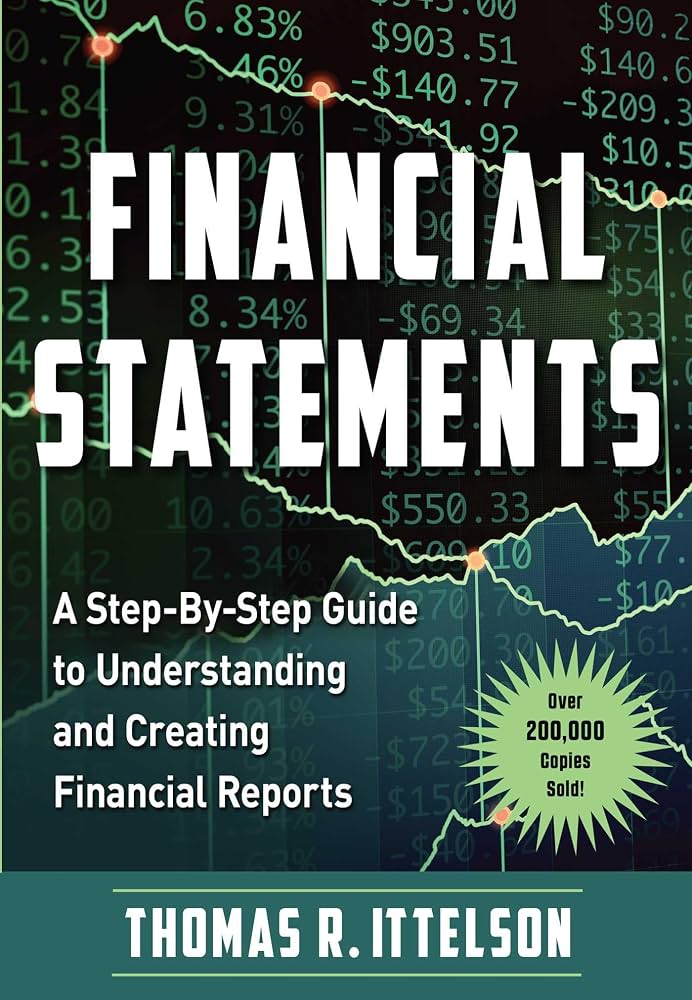
Financial Statements: A Step-by-Step Guide to Understanding and Creating Financial Reports by Thomas R. Ittelson
Simplifies accrual accounting and statements essential for nonprofit budgets, with clear diagrams.
Best for: Ideal for intermediates decoding book lessons into practice.
Price Range: $24.95
Nonprofit Finance for Nonprofits by Ronald Seavers
Directly teaches analysis of nonprofit statements and budgeting tailored to charities.
Best for: Hands-on workbook for building your first nonprofit budget.
Price Range: $19.99
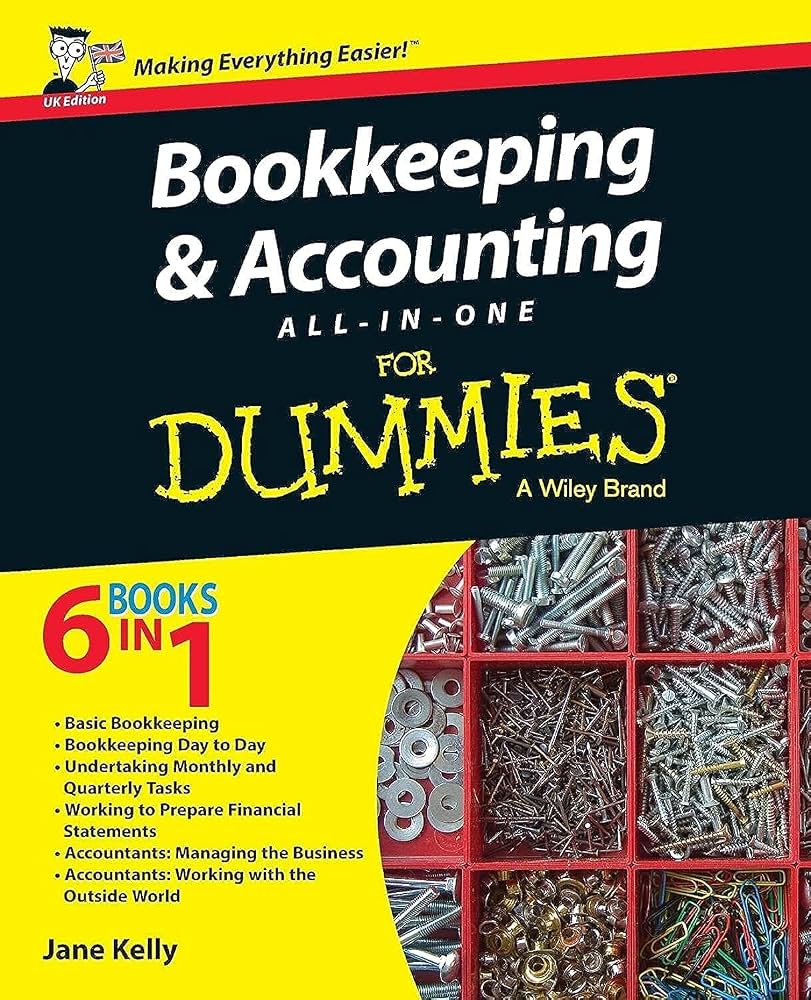
Bookkeeping and Accounting All-in-One For Dummies
Covers nonprofit specifics like fund accounting in accessible language.
Best for: Quick reference for daily budgeting tasks.
Price Range: $29.99
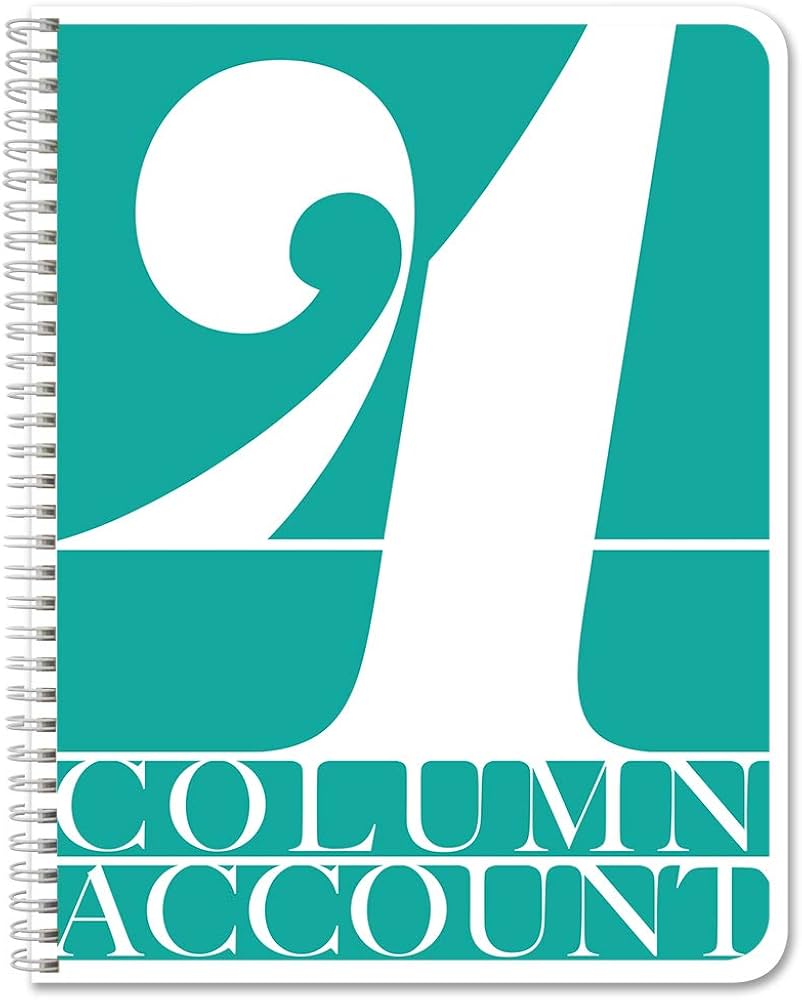
Accounting Ledger Book: Notebook for Accountants
Practical paper ledger for manual tracking of restricted funds and variances.
Best for: Low-tech backup for small nonprofits starting budgets.
Price Range: $6.99
QuickBooks 2024 All-in-One For Dummies
Guides QuickBooks setup for nonprofits, automating budgeting lessons.
Best for: Scaling from manual to software-based budgeting.
Price Range: $29.99