
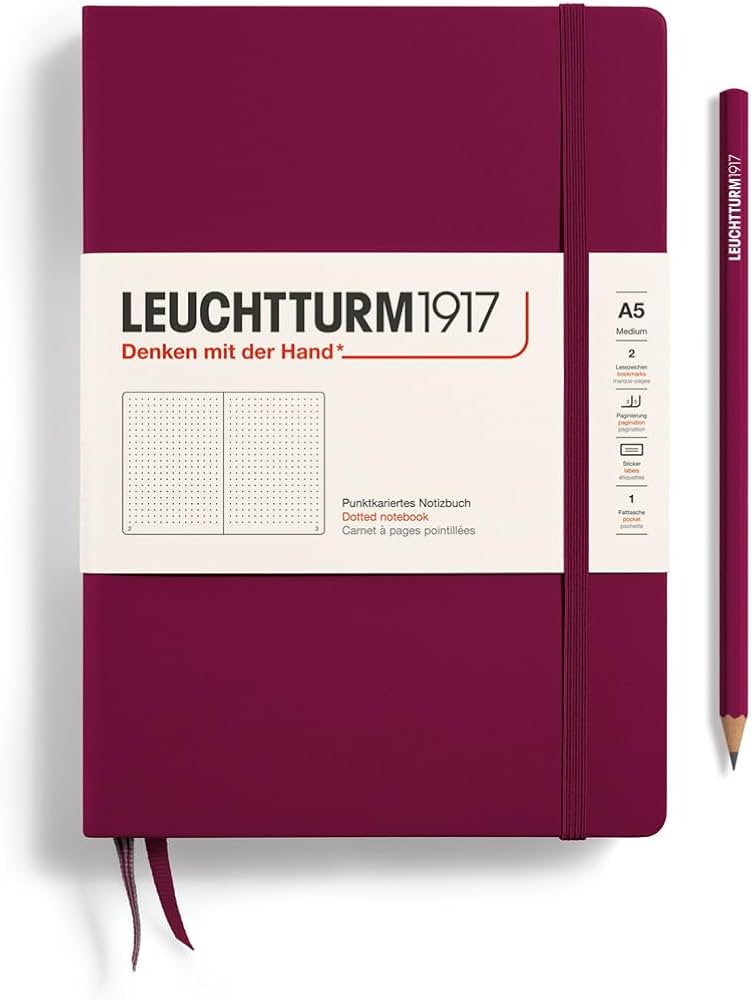
Leuchtturm1917 Medium A5 Dotted Notebook
Custom financial spreads for beginners wanting flexibility.
$19.95-$22
Leuchtturm1917 Medium A5 Dotted Notebook Gold standard for BuJo: Numbered dotted pages, 8 colors, excellent paper quality prevents bleed.
Get the App
Better experience on mobile
Discover top account books and journals to creatively track your budget, expenses, and goals using bullet journaling as a beginner.
Struggling to stay on top of your finances amid bills, spending temptations, and vague savings goals? Bullet journaling (BuJo) turns chaotic money management into a fun, visual system. This guide explains the best account books and journals for financial bullet journaling, helping beginners build habits that lead to financial clarity.
You'll learn what makes a journal BuJo-friendly, key features for finance tracking, and step-by-step setup. No prior experience needed—this takes 20-30 minutes to grasp, with customizable spreads for debt payoff, budgeting, and net worth tracking.
By the end, you'll confidently choose and start a journal that fits your style, reducing financial stress through simple, artistic tracking.
Estimated Time: 20-30 minutes to read and set up your first spread Difficulty: beginner
Bullet journaling is a customizable analog system invented by Ryder Carroll. It uses an 'index,' future log, monthly log, and daily logs with rapid logging: bullets for tasks (•), events (○), notes (-), and symbols like * for priority or > for migrated tasks.
For finances, adapt this with trackers. Why it matters: It combines to-do lists with visual charts, making abstract numbers tangible. Expect a minimalist start—no artistic skills required.
Image idea: Simple BuJo key with bullets and a basic monthly finance log.
💡 Tips:
⚠️ Warnings:
Traditional apps like Mint feel impersonal; BuJo makes finance creative and mindful. Track income vs. expenses, visualize debt snowball, or log gratitude for savings wins. Analogy: Like a dashboard for your money car—gauges show speed (spending) and fuel (savings).
Benefits: Builds discipline (daily ritual), reveals patterns (e.g., coffee creep), and motivates (colorful progress bars). Expect motivation boost after one week.
💡 Tips:
Account books: Structured ledgers with pre-printed tables for transactions (like old-school checkbooks). Journals: Blank or dotted pages for custom BuJo spreads.
Hybrid: Prompted financial journals with budget templates but room for BuJo flair. Blank dotted notebooks offer max flexibility. Why compare: Beginners need forgiving paper that doesn't bleed.
💡 Tips:
Seek 120+ pages, acid-free paper (no bleed), numbered pages (for index), pocket folder, elastic closure, and ribbon bookmark. For finances: Inner pocket for receipts, lay-flat binding.
Dotted grid: 5mm ideal for tables. Thread-bound > spiral for durability. Expect 6-12 months use per journal.
⚠️ Warnings:
Beginner pick: Dotted notebook for full custom. Intermediate: Prompted budget journal. Advanced: Reusable smart notebook.
Assess needs—if you hate blank pages, start prompted. Test by sketching a sample budget grid.
💡 Tips:
Page 1-2: Index (list spreads with page #s). Future log (next 6 months goals). Monthly log: Income/expenses columns.
Number pages first. Why: Central hub prevents lost trackers. Takes 5 minutes.
Daily log: Log spends with bullets. Migrate unspent at month-end. Visuals motivate—color-code overspends red.
💡 Tips:
⚠️ Warnings:
Problem: Ink bleeds through pages
Solution: Switch to fountain-pen friendly paper like Leuchtturm; use gel pens sparingly.
Problem: Journal doesn't lay flat
Solution: Choose sewn-bound; break in by pressing open.
Problem: Forgetting to log daily
Solution: Pair with existing habit like bedtime; use phone alarm.
Problem: Pages tearing
Solution: Handle gently; use corner protectors if needed.
Gold standard for BuJo: Numbered dotted pages, 8 colors, excellent paper quality prevents bleed.
Best for: Custom financial spreads for beginners wanting flexibility.
Price Range: $19.95-$22
Prompted monthly trackers with BuJo space: Undated, stickers included, debt/savings pages.
Best for: Structured start for finance newbies; less blank-page fear.
Price Range: $29.99
Affordable, professional look, expandable pocket, lay-flat—perfect for portable finance logs.
Best for: Daily expense tracking on the go.
Price Range: $15-$20
Dotted, erasable with water—scan finances to cloud, reuse forever; eco-friendly.
Best for: Digital backup for long-term net worth tracking.
Price Range: $25-$35
Custom financial spreads for beginners wanting flexibility.
Leuchtturm1917 Medium A5 Dotted Notebook Gold standard for BuJo: Numbered dotted pages, 8 colors, excellent paper quality prevents bleed.
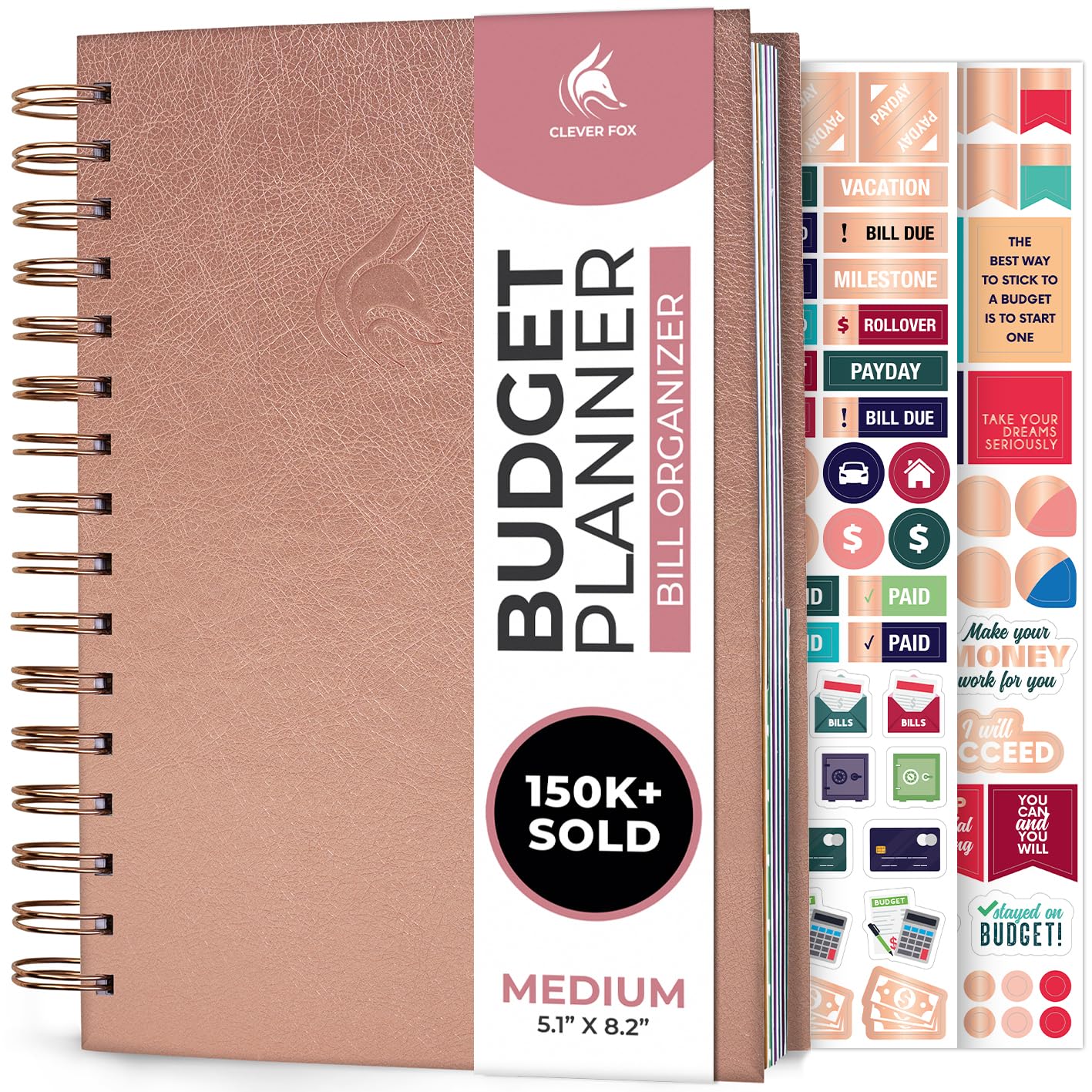
Structured start for finance newbies; less blank-page fear.
Clever Fox Budget Book Prompted monthly trackers with BuJo space: Undated, stickers included, debt/savings pages.
Daily expense tracking on the go.
Moleskine Classic Dotted Notebook Large Affordable, professional look, expandable pocket, lay-flat—perfect for portable finance logs.
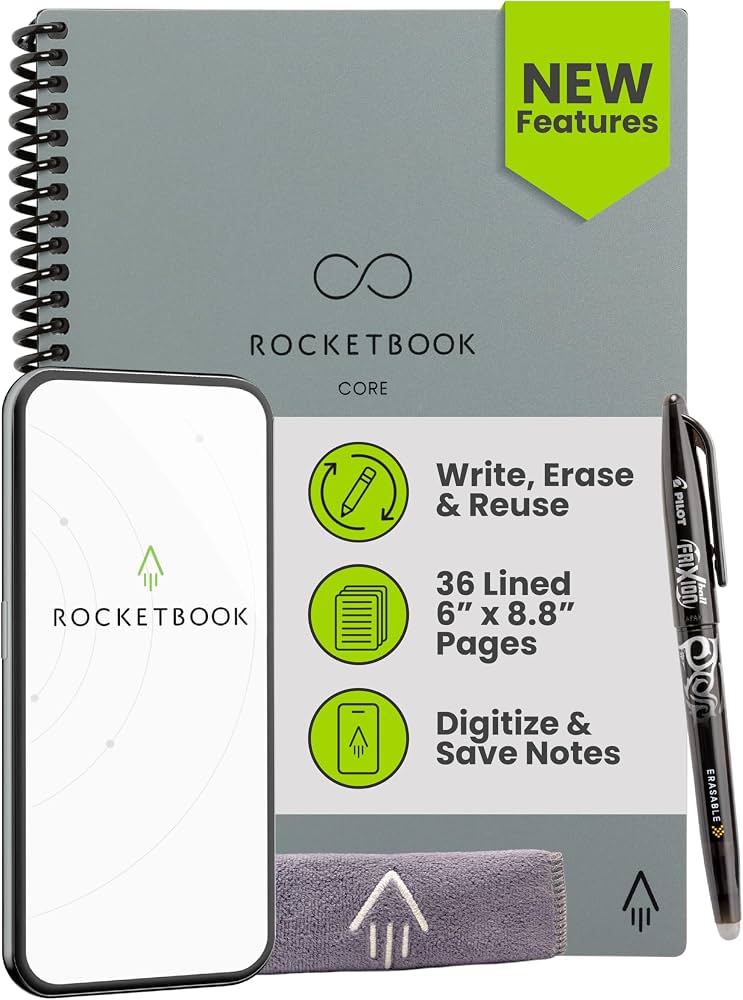
Digital backup for long-term net worth tracking.
Rocketbook Core Reusable Notebook Dotted, erasable with water—scan finances to cloud, reuse forever; eco-friendly.