
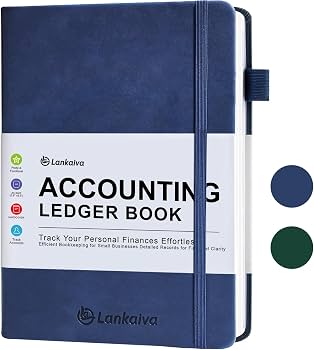
Blue Summit Supplies Accounting Ledger Book
Daily income/expense logging for 1-2 years.
$14.99
Blue Summit Supplies Accounting Ledger Book Wirebound with 160 numbered pages and 8 columns—perfect for beginner freelancers needing structure.
Get the App
Better experience on mobile
Learn top account books to effortlessly track freelance income, expenses, and taxes as a beginner.
Struggling with chaotic freelance finances? Irregular income, forgotten receipts, and tax season dread are common pains for beginners. Without proper tracking, you risk overpaying taxes or missing deductions.
This guide explains account books, why they're perfect for freelancers, and the best options. You'll learn types, features, and how to choose and use one—achieving organized books in under an hour. No prior experience needed; just simple steps to financial clarity.
Expect a beginner-friendly breakdown: from basics to setup, with real product picks to start today.
Estimated Time: 20-30 minutes to read and choose your book Difficulty: beginner
Account books are physical ledgers designed for recording financial transactions manually. For freelancers, they provide a simple, low-tech way to track income (client payments), expenses (software, marketing), and profit without fancy software.
Why it matters: Unlike bank apps, account books let you categorize everything in one place, spot trends, and prepare for taxes. Analogy: It's like a personal diary for your business money—honest and always accessible.
Expect clarity: You'll see how poor tracking leads to 20-30% lost deductions per IRS stats.
💡 Tips:
There are three main types:
Freelancers thrive with columnar or single-entry—easy to log gigs and costs. Example: A graphic designer tracks Adobe fees in one column, client pay in another.
⚠️ Warnings:
Must-haves:
Nice-to-haves: Waterproof cover, summary pages for monthly totals. Why? Prevents fading receipts taped in and quick tax prep.
💡 Tips:
Narrow by needs:
Test: Flip sample pages online. Freelancers love ones with 'running balance' column for instant profit views.
Match to volume: Low gigs? 100 pages. High? 200+. Prioritize portability if mobile. Order from Amazon for fast delivery—search 'freelance ledger book'. Expect setup in 5 minutes post-purchase.
💡 Tips:
⚠️ Warnings:
Step-by-step:
Why? Personalization sticks the habit. Example: Header with YTD income total.
Log each: Date, description (e.g., 'Upwork payment'), amount in/out, category, running balance.
Do it same day to avoid forgetfulness. Analogy: Like journaling food for diet—precision pays off in tax savings.
💡 Tips:
End of month: Match to bank statements, calculate totals, note profits. Adjust categories if needed.
This catches errors early, preps Schedule C for taxes.
⚠️ Warnings:
Problem: Balance doesn't match bank statement
Solution: Check for omitted entries or math errors; redo last week.
Problem: Book filling up too fast
Solution: Switch to monthly books or start new yearly volume.
Problem: Categories overwhelming
Solution: Limit to 6-8; merge similar ones like 'Marketing + Ads'.
Problem: Lost or damaged book
Solution: Scan pages weekly; buy waterproof cover next time. Consult accountant if tax-critical.
Wirebound with 160 numbered pages and 8 columns—perfect for beginner freelancers needing structure.
Best for: Daily income/expense logging for 1-2 years.
Price Range: $14.99
Professional-grade with pre-printed freelance-friendly fields like payee and account.
Best for: Detailed client payments and vendor expenses.
Price Range: $12.99
Affordable, compact 150 pages for portable tracking.
Best for: Mobile freelancers on the go.
Price Range: $8.99
Erasable pages scan to cloud—modern twist on ledgers for eco-friendly reuse.
Best for: Tech-savvy beginners wanting digital backup.
Price Range: $25.00
Durable, customizable for custom ledger setup with inner pockets.
Best for: Creative freelancers preferring premium feel.
Price Range: $19.99
Daily income/expense logging for 1-2 years.
Blue Summit Supplies Accounting Ledger Book Wirebound with 160 numbered pages and 8 columns—perfect for beginner freelancers needing structure.
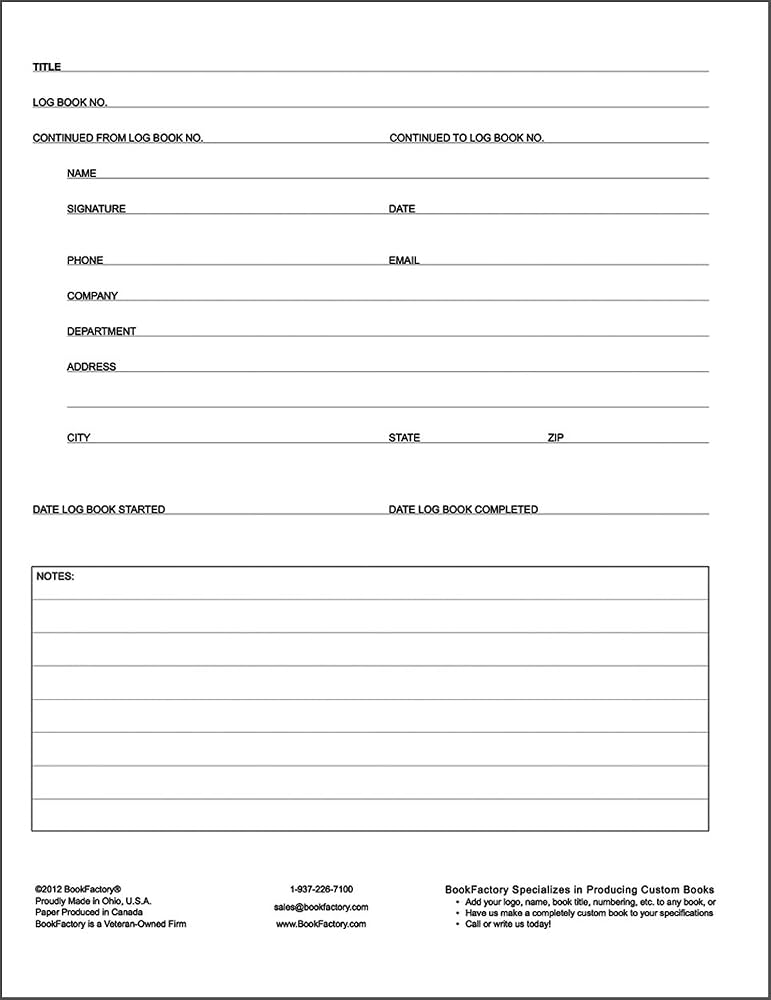
Detailed client payments and vendor expenses.
BookFactory Cash Disbursement Journal Professional-grade with pre-printed freelance-friendly fields like payee and account.
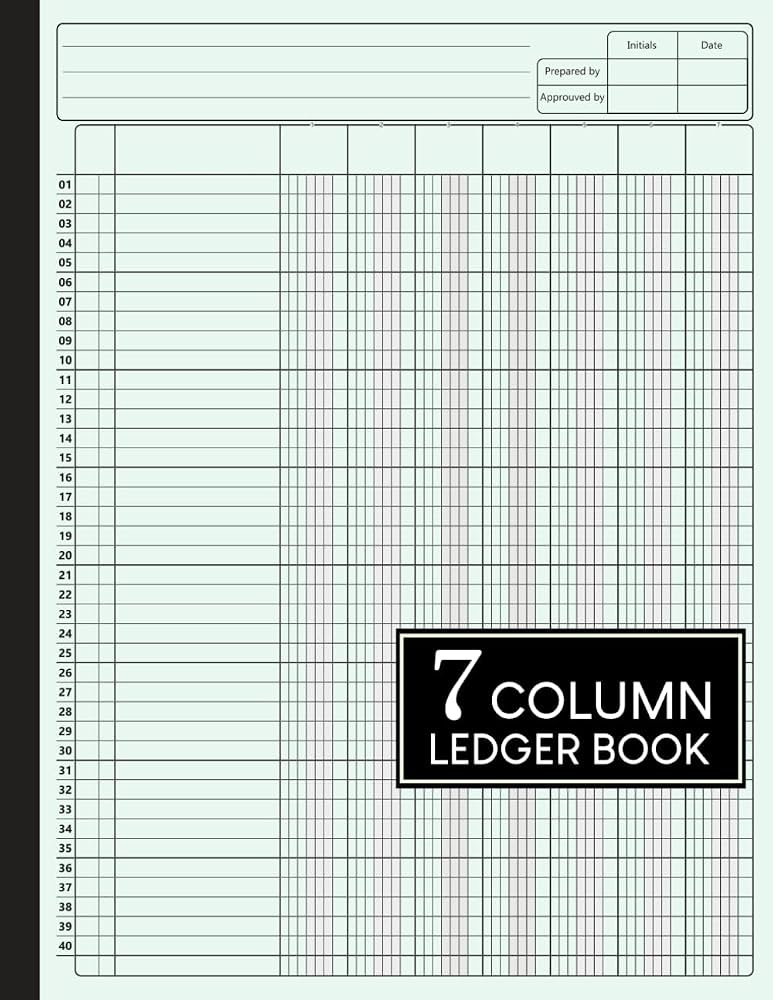
Mobile freelancers on the go.
Account Book 7 Column Ledger (Rediform) Affordable, compact 150 pages for portable tracking.
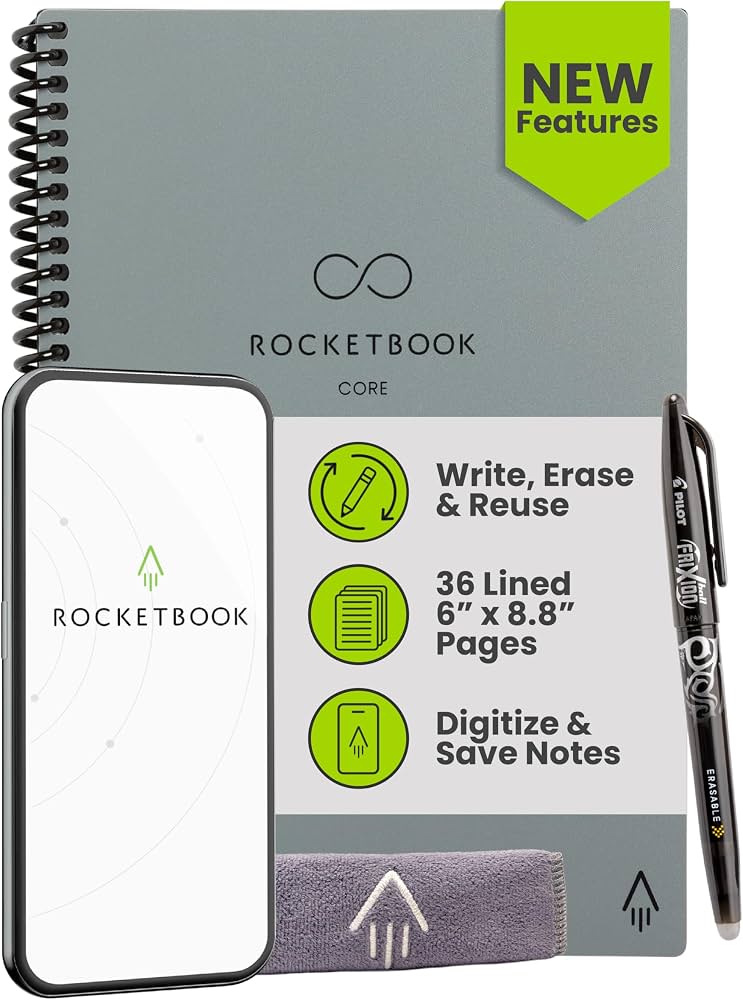
Tech-savvy beginners wanting digital backup.
Rocketbook Core Reusable Notebook Erasable pages scan to cloud—modern twist on ledgers for eco-friendly reuse.
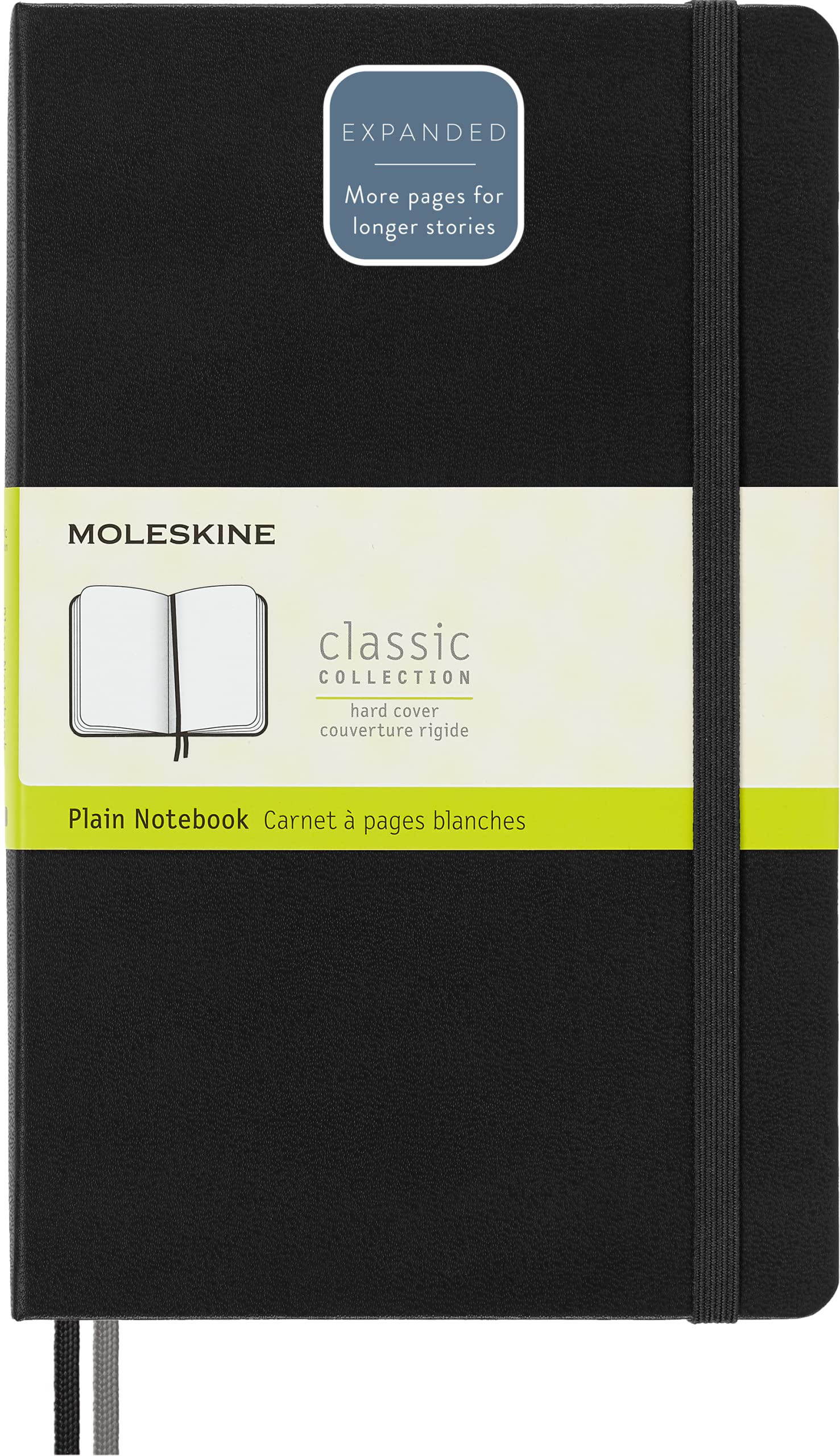
Creative freelancers preferring premium feel.
Moleskine Classic Expanded Notebook Durable, customizable for custom ledger setup with inner pockets.