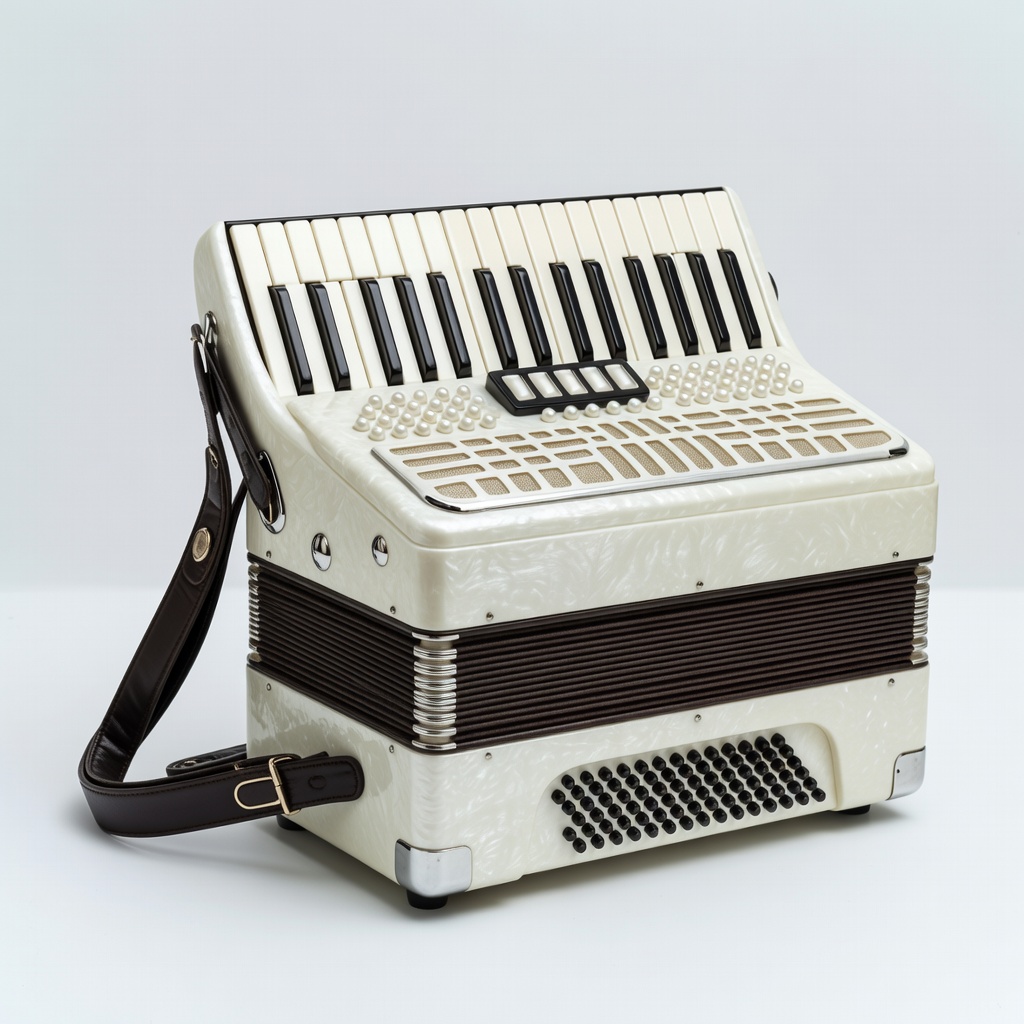
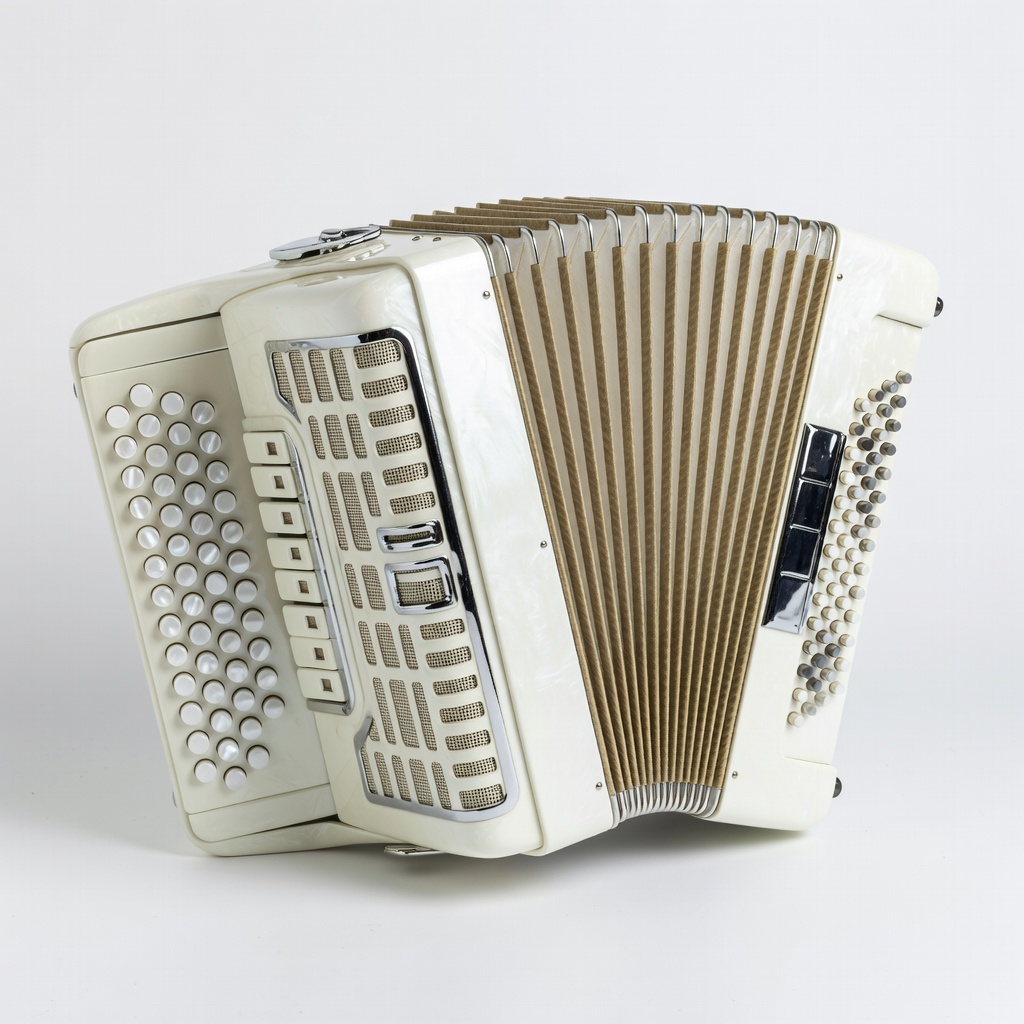
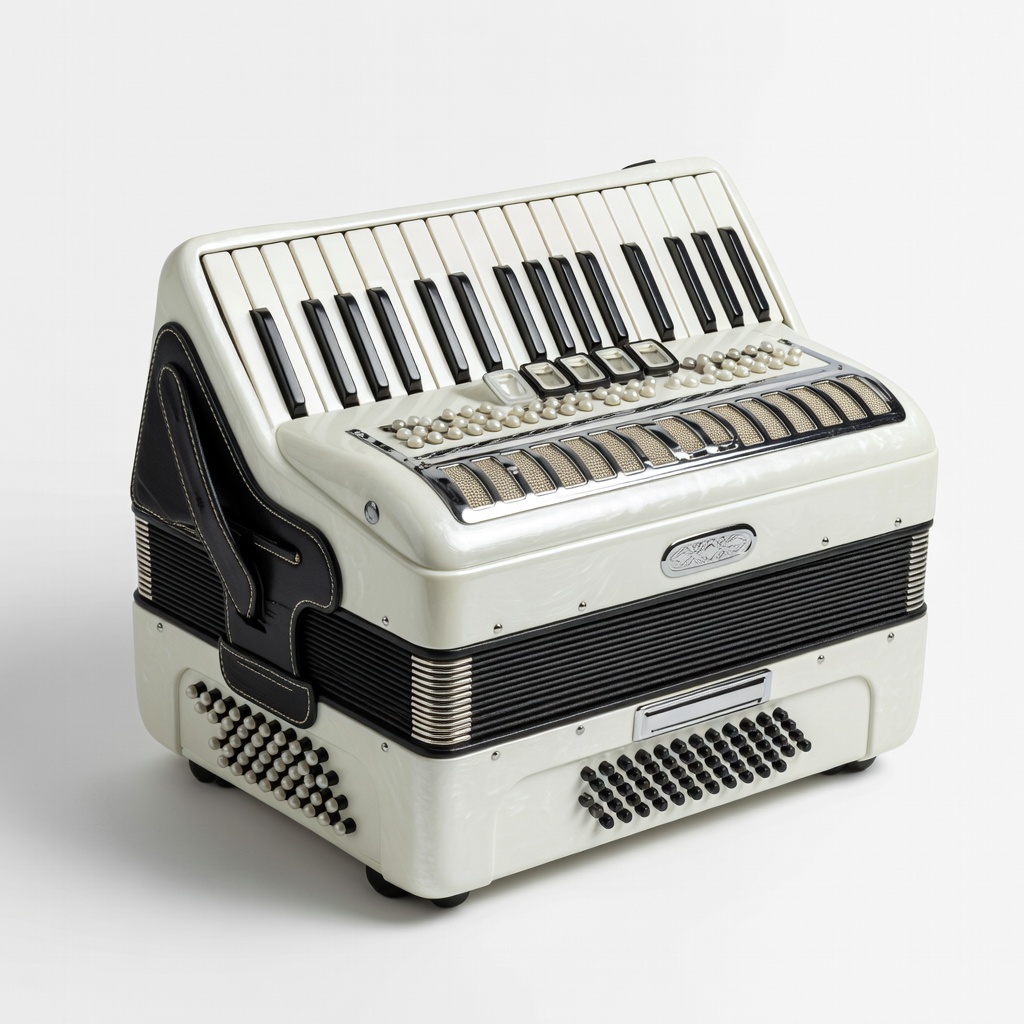
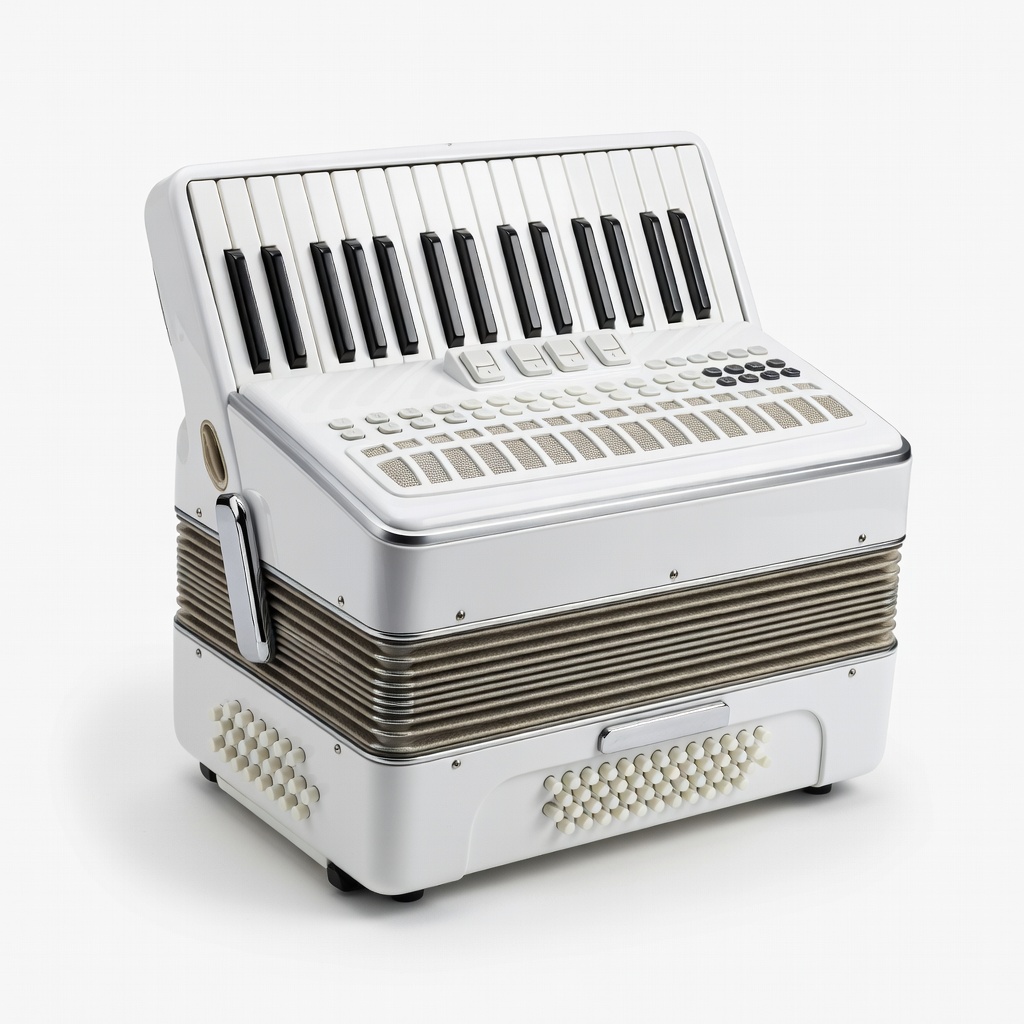
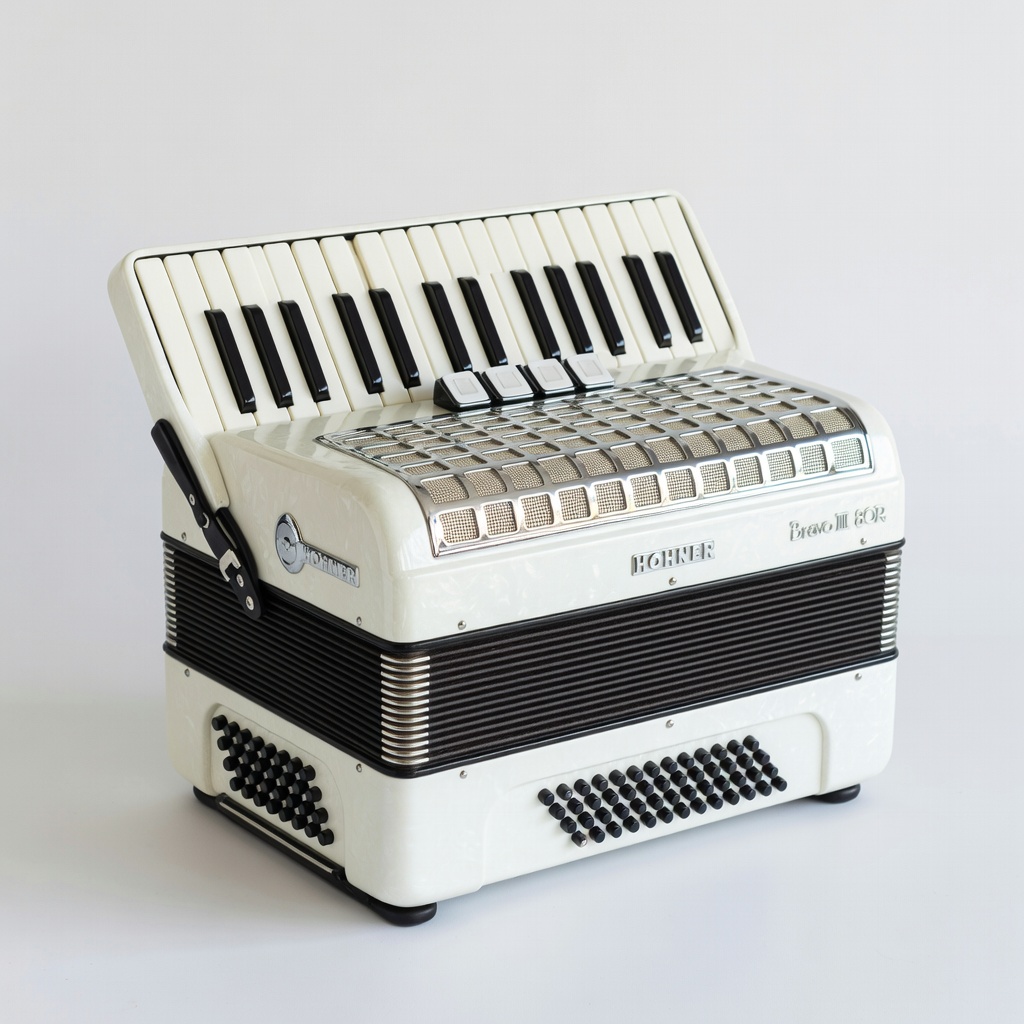
Polka bands thrive on fast-paced, energetic music where the accordion drives the melody and rhythm with bold, projecting sound. Choosing the wrong accordion can lead to fatigue during long sets or a thin tone that gets lost in the mix. Intermediate players in polka bands often struggle with balancing portability, power, and playability.
In this guide, you'll discover the key characteristics of accordions perfect for polka, from size and layout to materials and brands. We'll break down why certain models excel in lively polka environments, with step-by-step explanations and real-world recommendations. Expect to spend 20-30 minutes reading and gain the knowledge to confidently select or upgrade your instrument.
No prior deep expertise needed beyond basic accordion familiarity—just an ear for polka's upbeat bounce and a desire to amp up your band's sound.
▸What You'll Need
- •Basic accordion playing experience (intermediate level)
- •Access to polka music recordings or live bands for reference
- •Budget range info ($1,000-$10,000+)
- •Optional: Visit to music store for hands-on testing
Estimated Time: 20-30 minutes to read and understand
Difficulty: intermediate
▸Step-by-Step Instructions
Step 1: Grasp Polka's Unique Demands
Polka music features quick tempos (120-160 BPM), rapid left-hand bass/chord changes, and a need for loud, sustained projection to cut through brass and drums. The accordion must handle constant motion without tiring the player, who often dances while playing.
Think of it like a sports car for music: lightweight yet powerful. Polka accordions prioritize volume, quick response, and durability for 2-4 hour gigs. Expect models with rich reed tone for that classic 'oom-pah' foundation.
This foundation ensures your choice aligns with polka's high-energy style, avoiding instruments too mellow for band settings.
💡 Tips:
- •Listen to polka legends like Whoopee John for tonal reference.
Step 2: Prioritize Piano Keyboard Layout
Polka bands overwhelmingly favor piano accordions (stradella bass) over button models. Piano keys allow faster scales and chromatic runs common in polka melodies, with 34-41 treble keys standard.
Button accordions (e.g., bisonoric) suit Cajun or Irish but lack polka's precise pitch control. Piano layouts mimic familiar keyboard patterns, reducing errors in fast passages.
Why it matters: 90% of pro polka players use piano accordions for versatility in mixed sets.
⚠️ Warnings:
- •Avoid diatonic button accordions unless specializing in ethnic polka variants.
Step 3: Choose Optimal Size: 41/120 or Compact
Ideal polka accordions are 41 treble keys x 120 bass buttons (full-size) for maximum range, or 37/96 for portability. Full-size offers deeper bass for band punch; compacts (under 25 lbs) prevent arm strain during dances.
Analogy: Full-size is a truck for heavy loads (big venues); compact a sedan for mobility (small halls). Polka demands balance—test weight by wearing a strap.
Expect 20-30 lb instruments; lighter reeds enhance stamina.
💡 Tips:
- •Measure your height/span; shorter players prefer 37-key.
Step 4: Focus on Reed Quality and Voice Count
Polka needs 4-5 voice reeds (cassotto or double) for rich, projecting tone. High-quality reeds (e.g., Italian mano) sustain loud without harshness, resisting feedback in bands.
More voices = fuller sound, but added weight. Musette or clarinet tunings add polka flair.
This setup ensures your accordion blends with trumpets while leading melodies.
Step 5: Evaluate Materials and Build
Aluminum or celluloid bodies resist humidity/sweat from dancing; grilles with large ports boost volume. Padded straps and ergonomic handles are crucial for polka's physicality.
Premium woods (maple/spruce) enhance resonance. Avoid cheap laminates that warp.
Durable builds last decades in gigging bands.
⚠️ Warnings:
- •Skip plastic-heavy student models; they lack projection.
Step 6: Consider Brands Known for Polka
Top brands: Bugari, Guerrini, Petosa (USA polka specialists), Excelsior (vintage kings). Italian makers like Pigini offer custom tunings.
Petosa's 'Polka' series exemplifies: lightweight, loud, with fast valves.
These deliver pro-grade reliability for bands.
💡 Tips:
- •Check for 'polka-tuned' models with brighter trebles.
Step 7: Budget and Test for Your Band
$3,000-$8,000 for quality polka accordions. Rent first or buy used via accordion forums.
Test in a band setting: play polka charts, check volume/mix. Adjust straps for comfort.
Final fit ensures long-term satisfaction.
▸Pro Tips
- •Opt for lightweight cases with backpack straps for transport to gigs.
- •Get custom tunings for your band's style (e.g., dry vs. musette).
- •Practice with a metronome at 140 BPM to simulate polka demands.
- •Add elbow rests for reduced fatigue in long sets.
- •Pair with high-quality straps like Corazzi for better control.
- •Record yourself in a mock band mix to assess projection.
- •Maintain reeds seasonally—polka's volume stresses them.
▸Common Mistakes to Avoid
- •Choosing oversized 4-row bass: Too heavy for dancing, slows transitions.
- •Ignoring weight: Leads to back pain after 1-hour sets—test fully loaded.
- •Buying button accordions: Limits chromatic polka runs; stick to piano.
- •Overlooking tuning: Factory musette may clash with band brass.
- •Skipping pro trials: Online buys risk poor fit for your hands.
▸Troubleshooting
Problem: Accordion too quiet in band mix
Solution: Upgrade to 5-voice reeds or larger grille; position closer to mic.
Problem: Arm fatigue during dances
Solution: Switch to compact 96-bass; add padded, adjustable straps.
Problem: Sticky valves from sweat
Solution: Clean weekly with talc; store in low-humidity case. Seek tuner if persistent.
Problem: Feedback issues
Solution: Use directional mics; dampen treble reeds slightly.
Petosa Polka 41/120 Piano Accordion
Designed specifically for polka bands with lightweight build, powerful reeds, and ergonomic features for dancing players.
Best for: Ideal for intermediate polka band leaders needing projection and stamina.
Price Range: $6,000-$8,000
Bugari Amanda 37/96 Piano Accordion
Compact yet loud with Italian reeds; perfect balance of portability and volume for mobile polka ensembles.
Best for: Great for smaller bands or players prioritizing ease of movement.
Price Range: $4,500-$6,500
Guerrini GB 41/120 Piano Accordion
Rich 5-voice tone tuned for polka's brightness; durable for frequent gigs.
Best for: Pro bands wanting custom musette tuning options.
Price Range: $5,500-$7,500
Roland FR-1x V-Accordion (Digital)
Lightweight (12 lbs), no tuning needed, modeled polka sounds; battery-powered for outdoor festivals.
Best for: Budget-conscious or traveling polka players avoiding maintenance.
Price Range: $900-$1,100 (ASIN: B07ZJ7K5ZL)
Hohner Bravo III 80R Piano Accordion
Affordable entry for intermediates; responsive for polka practice before upgrading.
Best for: Band backups or home practice transitioning to pro models.
Price Range: $800-$1,200 (ASIN: B00J5Z0Z0A)