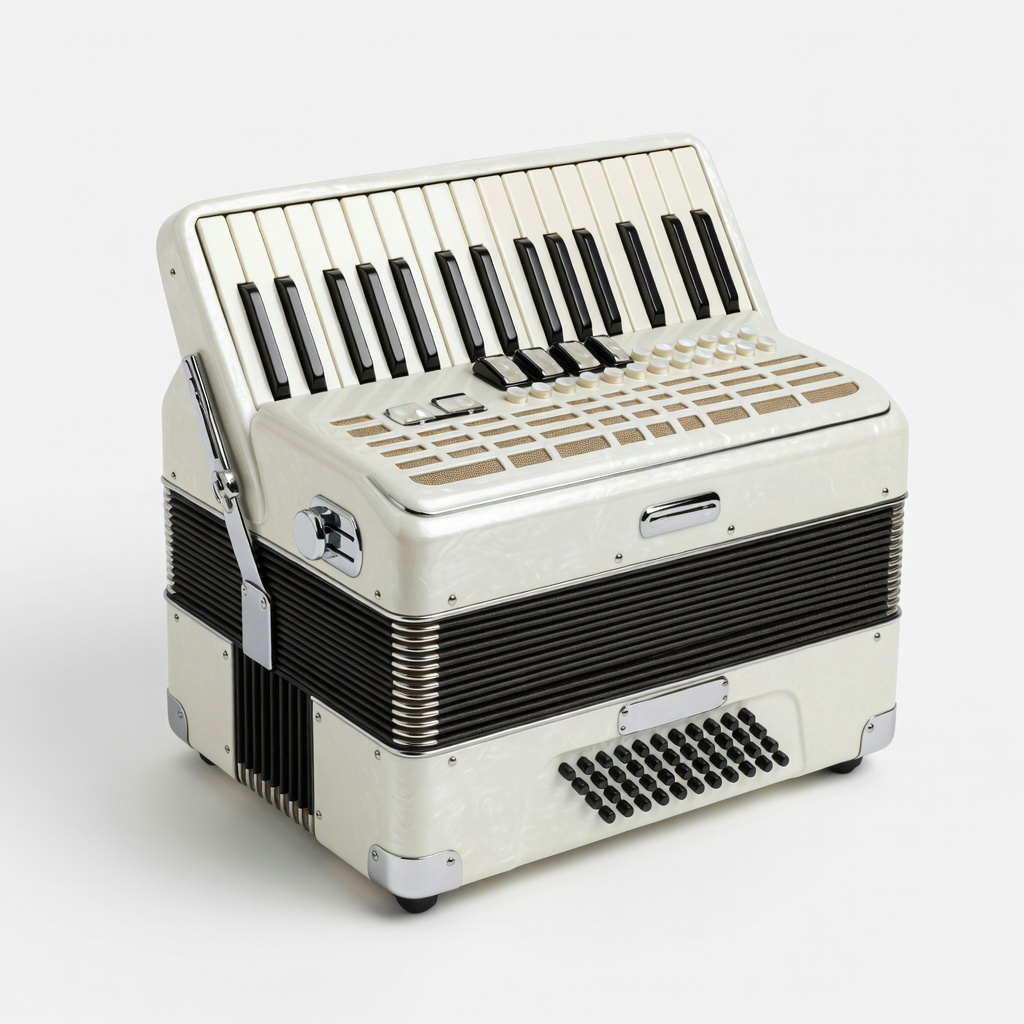
Dreaming of joining a lively Irish session playing 'The Kesh Jig' or a Scottish ceilidh with 'The Flower of Scotland'? Traditional tunes are infectious, but choosing the right accordion as a beginner can feel overwhelming amid piano keys, buttons, and endless models. The good news: you don't need a pro-level instrument to start.
In this guide, you'll learn the accordion types best suited for traditional music styles like Irish, Scottish, English folk, and Cajun. We'll break down keys, sizes, and features for beginners, plus real product picks to get you playing fast. Expect straightforward advice—no music degree required. You'll be equipped to pick your first accordion in 15-20 minutes of reading.
▸What You'll Need
- •Budget of $150-$1,000 (required for quality starter models)
- •Basic knowledge of musical scales (e.g., major keys like G or D; optional but helpful)
- •Practice space (1x1 meter area)
- •Smartphone tuner app (free, like Tuner Lite)
- •Comfortable chair for seated practice (required)
Estimated Time: 15-20 minutes to read and decide on your accordion
Difficulty: beginner
▸Step-by-Step Instructions
Step 1: Identify Your Traditional Tune Style
Traditional tunes span Irish (jigs/reels), Scottish (strathspeys), English folk, Cajun/Zydeco, or Quebecois. Each favors specific accordions. Irish/Scottish often use button melodeons (bisonoric: different notes on push/pull for authentic drone sound). Cajun prefers piano-key diatonic accordions.
Why it matters: Wrong type frustrates beginners. Start with your favorite style—e.g., Irish reels need fast bellows work, suiting compact 2-row buttons.
Expect: List 2-3 styles. Image: World map highlighting Ireland, Scotland, Louisiana.
💡 Tips:
- •Watch YouTube sessions (search 'Irish pub session accordion') to confirm your style
Step 2: Piano Key vs. Button Accordion: Pick Your Layout
Piano accordions have familiar keyboard-like rows (unisonoric: same note push/pull). Buttons are grid layouts (often bisonoric for trad authenticity). Beginners: Start piano keys if you know piano/keyboard—easier fingering. Advance to buttons for pro trad sound.
Analogy: Piano keys like typing on a QWERTY keyboard; buttons like a game controller.
Why: Piano suits 80% beginners; buttons (melodeon-style) for true folk drone.
⚠️ Warnings:
- •Avoid chromatic buttons—they're complex for trad tunes
Step 3: Diatonic vs. Chromatic: Go Diatonic for Trad
Diatonic accordions play in 1-2 keys (e.g., G major push, D major pull)—perfect for trad melodies without accidentals. Chromatic play all 12 notes but harder for beginners.
Examples: Irish tunes in D/G; Cajun in G/C/F. Expect punchy, folky sound vs. smooth classical.
💡 Tips:
- •Test diatonic: Play a G scale—should feel limited but tuneful
Step 4: Choose Beginner Size: 21-34 Keys or 2-3 Rows
Smaller = lighter (4-7kg), easier hold. Piano: 21-26 keys (right hand melody). Button: 2-row (10 buttons/side). Why: Big 120-bass beasts overwhelm beginners. Expect portable for sessions.
⚠️ Warnings:
- •Skip 41+ keys—too heavy for 30-min practice
Step 5: Select the Right Key for Your Tunes
Irish Anglo-style: D/A. Melodeon: G/D or D/G. Cajun: G/C/F. Folk: C/G. Why: Matches session keys—no transposing. Analogy: Like guitar capo positions.
💡 Tips:
- •G/D melodeon covers 70% English/Irish tunes
Step 6: Budget and Quality Check
$150-300: Entry plastic (Rossetti). $400-800: Hohner metal reeds. Check: Padded case, straps, responsive bellows. Why: Cheap ones warp; invest for longevity.
Step 7: Test and Buy Smart
Visit music store or order with return policy. Play simple tune (e.g., 'Whiskey in the Jar'). Tune yearly ($100). Why: Fit matters—hand size, bellows comfort.
💡 Tips:
- •Use Amazon previews; join Reddit r/Accordion for advice
▸Pro Tips
- •Start with piano keys if buttons intimidate—transition later
- •Get a gig bag for transport to first jam session
- •Practice bellows control daily: 10-min drone exercises
- •Use free tabs from thesession.org for trad tunes
- •Record yourself—apps like Voice Memos spot pitch issues
- •Strap adjustments: High on shoulders for stability
- •Clean reeds monthly with soft brush
- •Join local folk group via Meetup.com for motivation
▸Common Mistakes to Avoid
- •Buying chromatic for trad—too many notes confuse simple melodies; stick to diatonic
- •Ignoring key choice—e.g., C accordion in D sessions requires awkward fingering; match your style
- •Overspending on vintage—new beginners need reliable, not finicky antiques
- •Skipping size check—large models cause back pain; measure arm span first
- •Neglecting maintenance—dust clogs reeds fast; wipe after every session
▸Troubleshooting
Problem: Notes sticking or silent
Solution: Clean with compressed air; if persists, professional tune ($80-150)
Problem: Out of tune after humid weather
Solution: Store in case with silica packs; retune seasonally
Problem: Bellows leak air
Solution: Check/tighten screws; use leather conditioner yearly
Problem: Too heavy to hold
Solution: Switch to mini model or adjustable harness; seek pro fitting
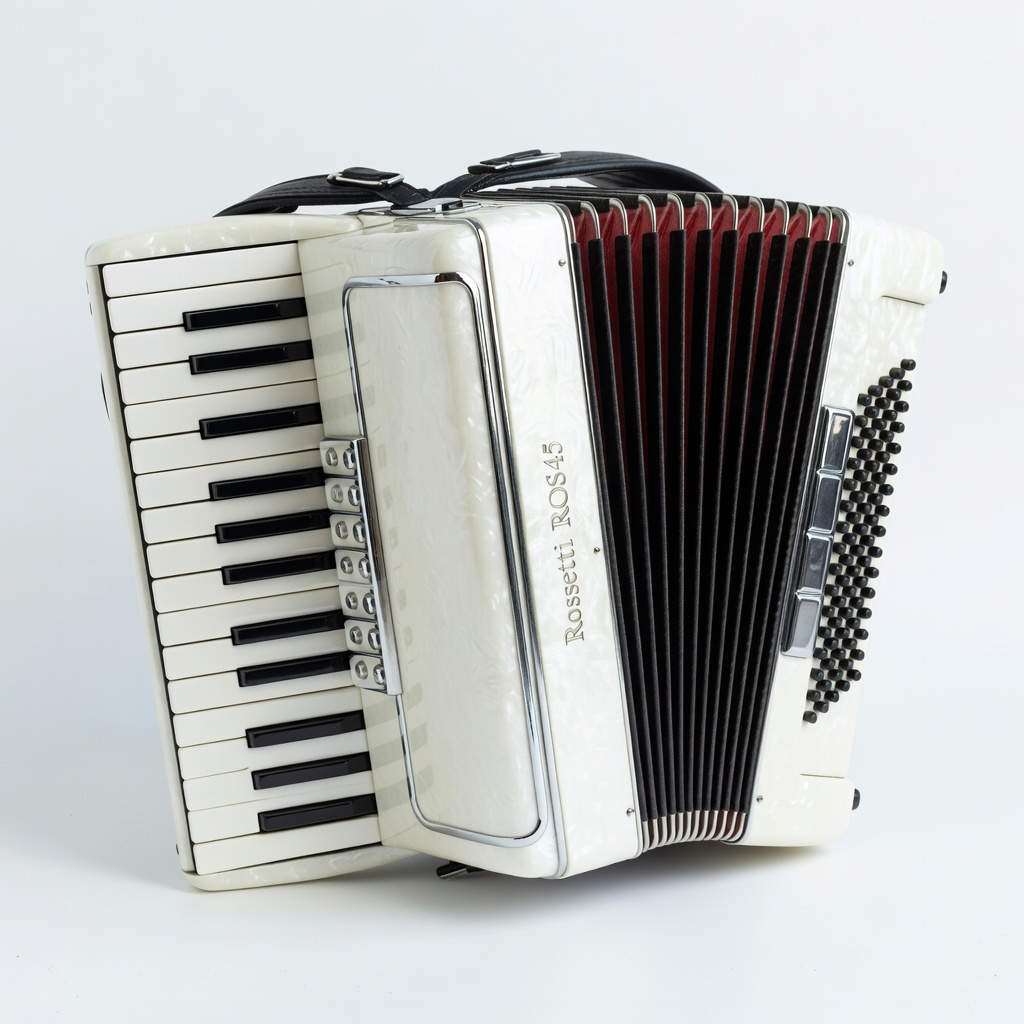
Rossetti ROS45 45-Key Piano Accordion
Affordable, lightweight diatonic starter with responsive bellows—ideal for beginner folk/Celtic tunes in C major.
Best for: Home practice of simple Irish jigs; easy piano layout.
Price Range: $229.99
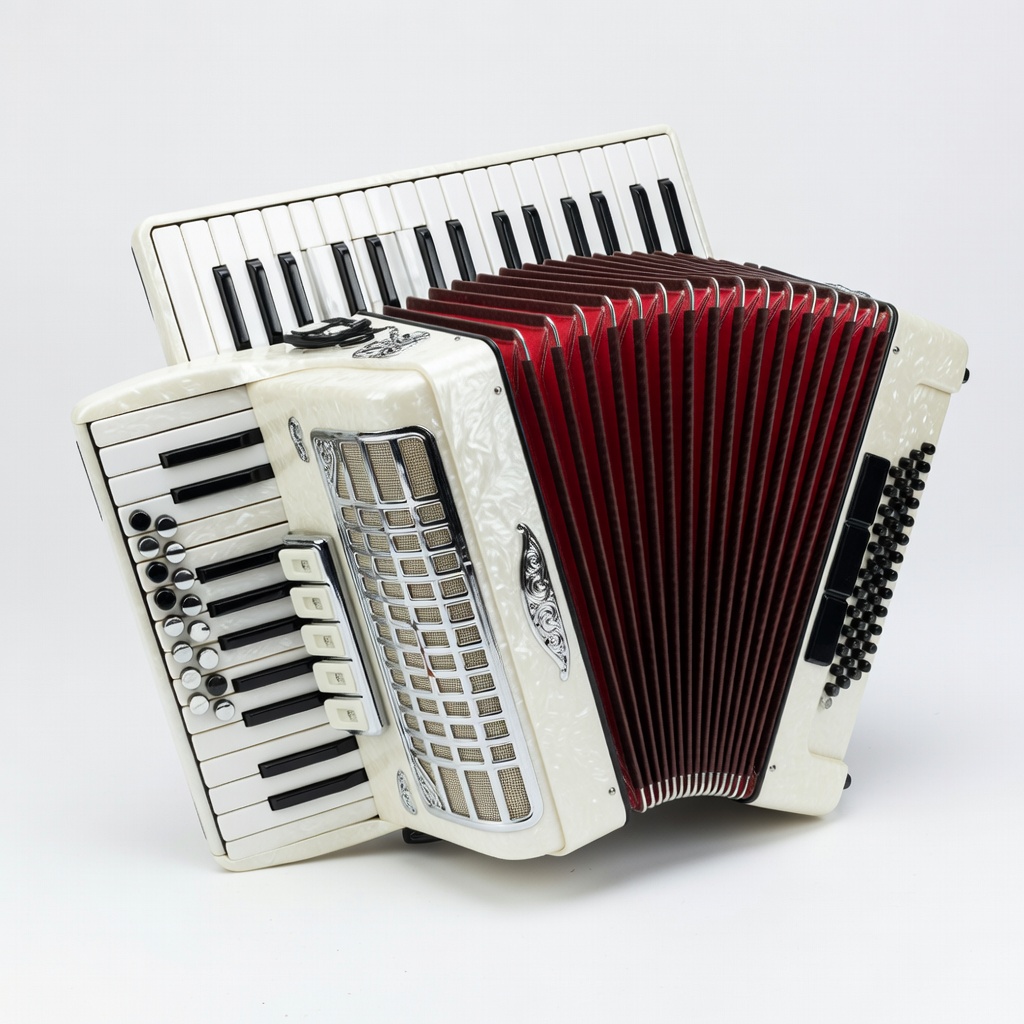
Hohner Bravo III 44F 26-Key Piano Accordion
Trusted Hohner quality, compact size, good reeds for trad drone—scales well to sessions.
Best for: Beginner Scottish/English folk; versatile G/C keys.
Price Range: $399
Hohner Corona II GCF Cajun Accordion
Piano keys tuned for Cajun/trad (G/C/F diatonic)—punchy sound, durable for lively play.
Best for: Zydeco or Louisiana-style tunes; gig-ready.
Price Range: $999-$1,099
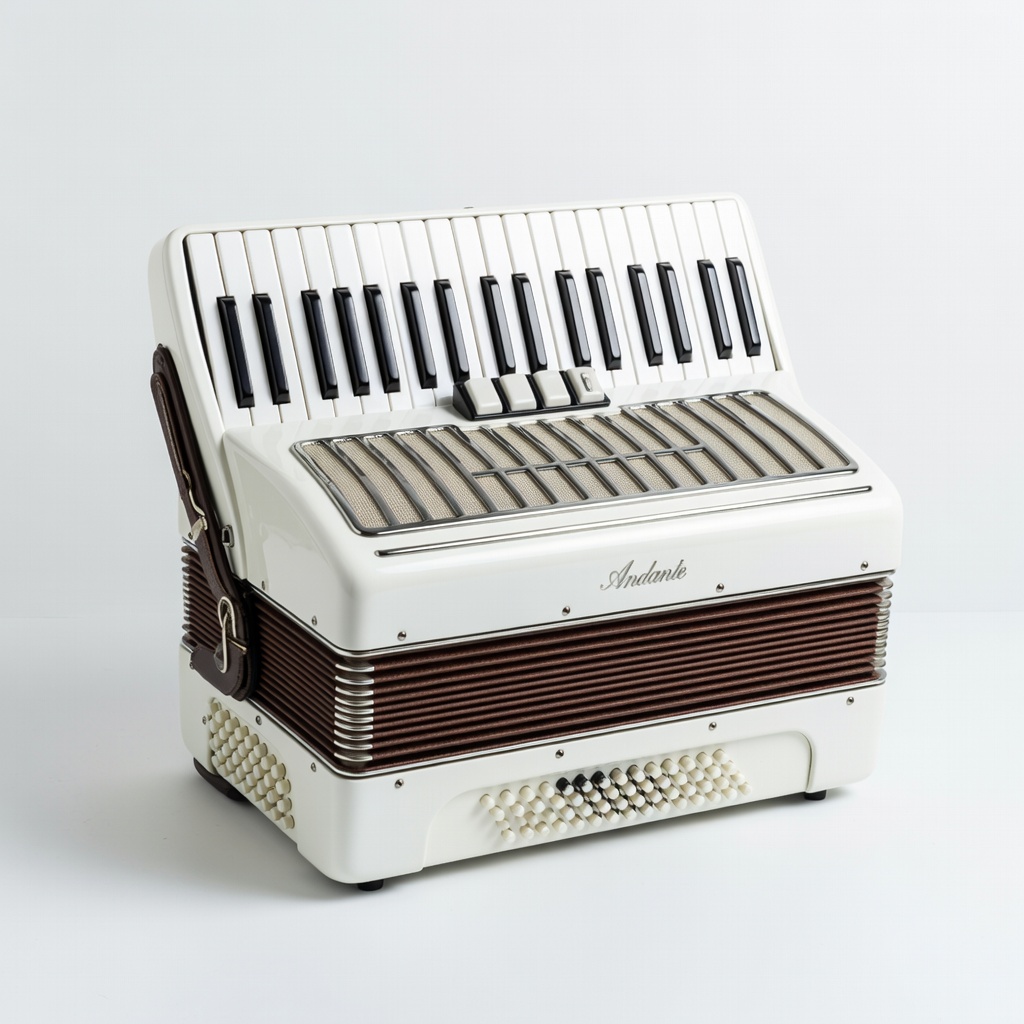
Andante 26-Key Piano Accordion
Ultra-budget entry with padded case—great first taste of bellows technique for any trad.
Best for: Absolute beginners testing waters before upgrading.
Price Range: $149
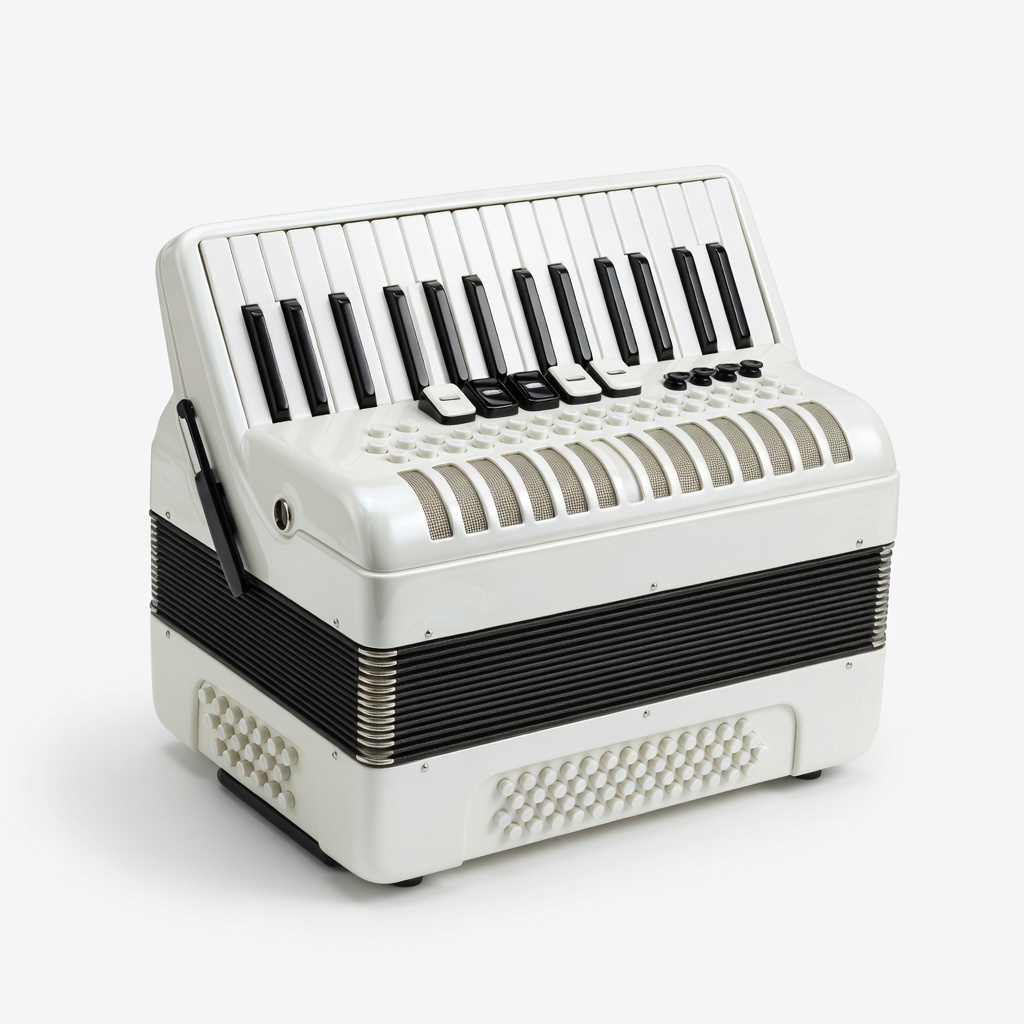
Stagi A-103F 21-Key Piano Accordion
Compact, reliable for small hands; good action for fast reels.
Best for: Irish trad starters; portable for travel.
Price Range: $499-$599