
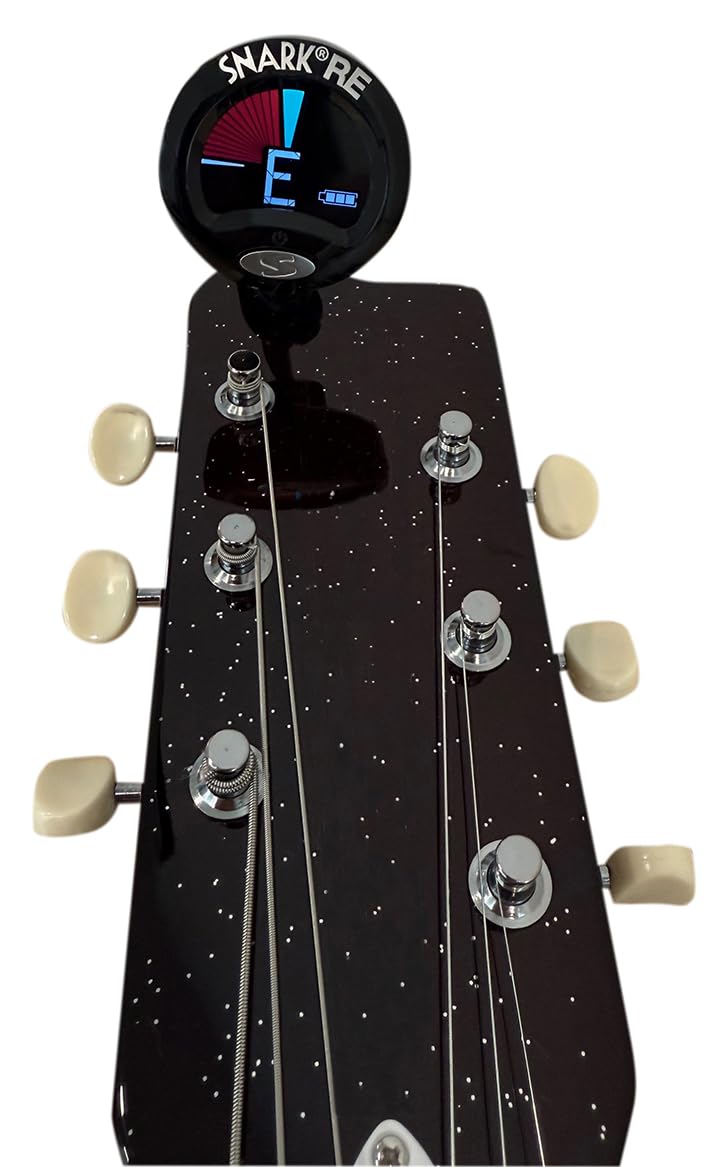
Snark SN5X Clip-On Tuner
Daily tuning practice or gigs.
$14.99
Snark SN5X Clip-On Tuner Accurate, colorful display, swivel head—perfect for beginners tuning kits quickly.
Get the App
Better experience on mobile
Discover essential add-ons that enhance playability, tone, and longevity for your beginner acoustic guitar kit in under 15 minutes.
Assembling or buying an acoustic guitar kit is exciting, but without the right accessories, you might struggle with tuning issues, string breakage, or even damage from humidity. Beginners often dive in without these 'invisible heroes' that make playing smooth and enjoyable.
In this guide, you'll learn the top accessories that perfectly complement acoustic guitar kits, why each one matters, and how they solve common beginner pain points. We'll break it down into simple categories with real-world examples—no jargon, just clear explanations and analogies like comparing a tuner to a car's GPS.
Expect a quick read (10-15 minutes) that's beginner-friendly, helping you shop smarter and start strumming confidently right away.
Estimated Time: 10-15 minutes Difficulty: beginner
Tuning is like setting the foundation of a house—get it wrong, and everything wobbles. Acoustic guitar kits often lack a tuner, so a clip-on tuner clips right onto the headstock and uses vibration to detect pitch.
Why it complements kits: Kits have fresh strings that stretch and detune quickly. A tuner ensures accurate notes, preventing bad habits from playing out-of-tune.
Expect digital readouts with colors (green for perfect). Analogy: It's your guitar's ear, instantly telling if strings are too tight (sharp) or loose (flat).
💡 Tips:
⚠️ Warnings:
Strings are consumables, like toothbrush bristles—they wear out. Acoustic kits come with one set, but phosphor bronze or 80/20 bronze strings add warmth and projection.
Why essential: Beginners snap strings learning, and old strings sound dull. Keep coated strings (e.g., Elixir) for longer life.
Swap every 1-3 months. Analogy: Fresh strings are like new tires—better grip (tone) and control.
💡 Tips:
Picks are the 'fingernails' for strumming—thicker for aggressive bluegrass, thinner for folk fingerpicking. Kits rarely include variety.
Complement reason: Experimenting with mediums (0.73mm) helps develop tone. Tortoise shell look or celluloid for feel.
Analogy: Different picks are like drumsticks—vary sound from soft jazz to rock punch.
💡 Tips:
⚠️ Warnings:
A capo clamps strings to shorten the fretboard, transposing songs without barre chords. Perfect for sing-alongs in different keys.
Why for kits: Beginners avoid complex theory; capo makes songs playable. Spring or trigger styles for quick on/off.
Analogy: Like a car's gear shift—changes speed (key) without rebuilding the engine.
💡 Tips:
Wide, padded straps prevent shoulder strain during gigs or practice. Cotton or leather for durability.
Kit synergy: Kits focus on the guitar; straps enable mobility. Adjustable for height.
Analogy: Seatbelt for guitar—secure and comfy for the journey.
💡 Tips:
Stands cradle the body without neck stress; wall hangers save floor space.
Protection role: Kits get knocked over easily—prevent finish damage.
Analogy: Bed for your guitar—rests properly to avoid 'bed head' (warped neck).
💡 Tips:
⚠️ Warnings:
Acoustic wood cracks in low humidity. Sponge or packet humidifiers maintain 45-55% RH inside case.
Vital for kits: New wood is vulnerable. Analogy: Moisturizer for skin—prevents cracks.
Check seasonally.
💡 Tips:
Peg winders speed restringing; flush cutters snip excess.
Efficiency boost: Kits need frequent changes—tools make it 5x faster.
Analogy: Electric screwdriver vs. manual—same job, less effort.
💡 Tips:
Microfiber cloths with lemon oil clean fretboard; polish shines body.
Longevity: Dust buildup dulls kits quickly.
Analogy: Car wash—keeps it looking showroom new.
💡 Tips:
⚠️ Warnings:
Problem: Tuner reads inaccurately in noisy rooms.
Solution: Switch to vibration mode or use app backup; calibrate in quiet.
Problem: Capo buzzes or slips.
Solution: Tighten properly; pad with felt if needed; upgrade to Kyser quick-change.
Problem: Guitar warps despite humidifier.
Solution: Check RH levels (45-55%); professional luthier for setup.
Accurate, colorful display, swivel head—perfect for beginners tuning kits quickly.
Best for: Daily tuning practice or gigs.
Price Range: $14.99
Coated for 3-5x longer life, smooth feel—ideal for frequent kit users.
Best for: Fresh tone without weekly changes.
Price Range: $12.99
Precision clamping, no buzz—gold standard for acoustic transposition.
Best for: Changing keys for songs mid-practice.
Price Range: $19.95
Automatic two-way humidity control—set and forget for kit protection.
Best for: Winter storage or dry homes.
Price Range: $19.99
Stable A-frame fits most kits, protective pads—affordable safety.
Best for: Home practice display.
Price Range: $29.95
Daily tuning practice or gigs.
Snark SN5X Clip-On Tuner Accurate, colorful display, swivel head—perfect for beginners tuning kits quickly.

Fresh tone without weekly changes.
Elixir Nanoweb Acoustic Strings (Light) Coated for 3-5x longer life, smooth feel—ideal for frequent kit users.
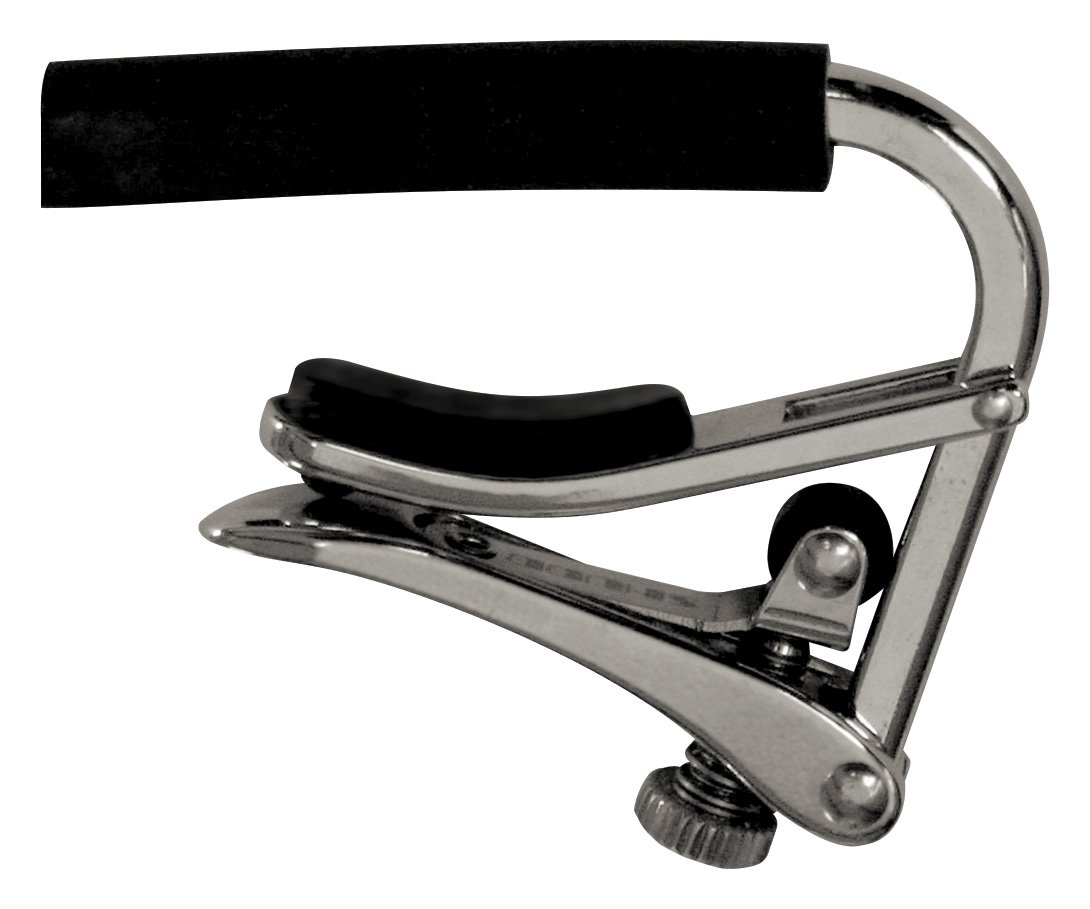
Changing keys for songs mid-practice.
Shubb C1 Capo (Steel/Rubber) Precision clamping, no buzz—gold standard for acoustic transposition.

Winter storage or dry homes.
D'Addario Humidipak Guitar Humidifier (2-Pack) Automatic two-way humidity control—set and forget for kit protection.

Home practice display.
undefined Stable A-frame fits most kits, protective pads—affordable safety.