Struggling with a cramped living room where every inch counts? Small spaces can feel overwhelming, but the right accent furniture turns limitations into stylish, efficient havens. Poor choices like bulky side tables or oversized lamps often make rooms feel smaller, but smart selections create illusions of space and add personality.
In this guide, you'll discover the best accent furniture pieces proven to maximize small living rooms. We'll break down multifunctional designs, vertical storage, and optical tricks with real examples and why they work. No design degree needed—this beginner-friendly explainer helps you shop confidently.
Expect a quick read (under 20 minutes) to understand concepts, spot recommendations, and plan your room refresh. You'll walk away knowing exactly what to buy and avoid.
▸What You'll Need
- •Tape measure (for accurate room and furniture measurements)
- •Notepad or sketch app (to map your layout)
- •Budget range (typically $50-$300 per piece)
- •Access to room dimensions and current furniture photos (optional but helpful for visualization)
Estimated Time: 15-20 minutes to read and plan your space
Difficulty: beginner
▸Step-by-Step Instructions
Step 1: Prioritize Multifunctional Pieces
Start with furniture that serves multiple purposes—like a coffee table that stores blankets or doubles as seating. In small rooms, every piece must pull double duty to avoid clutter.
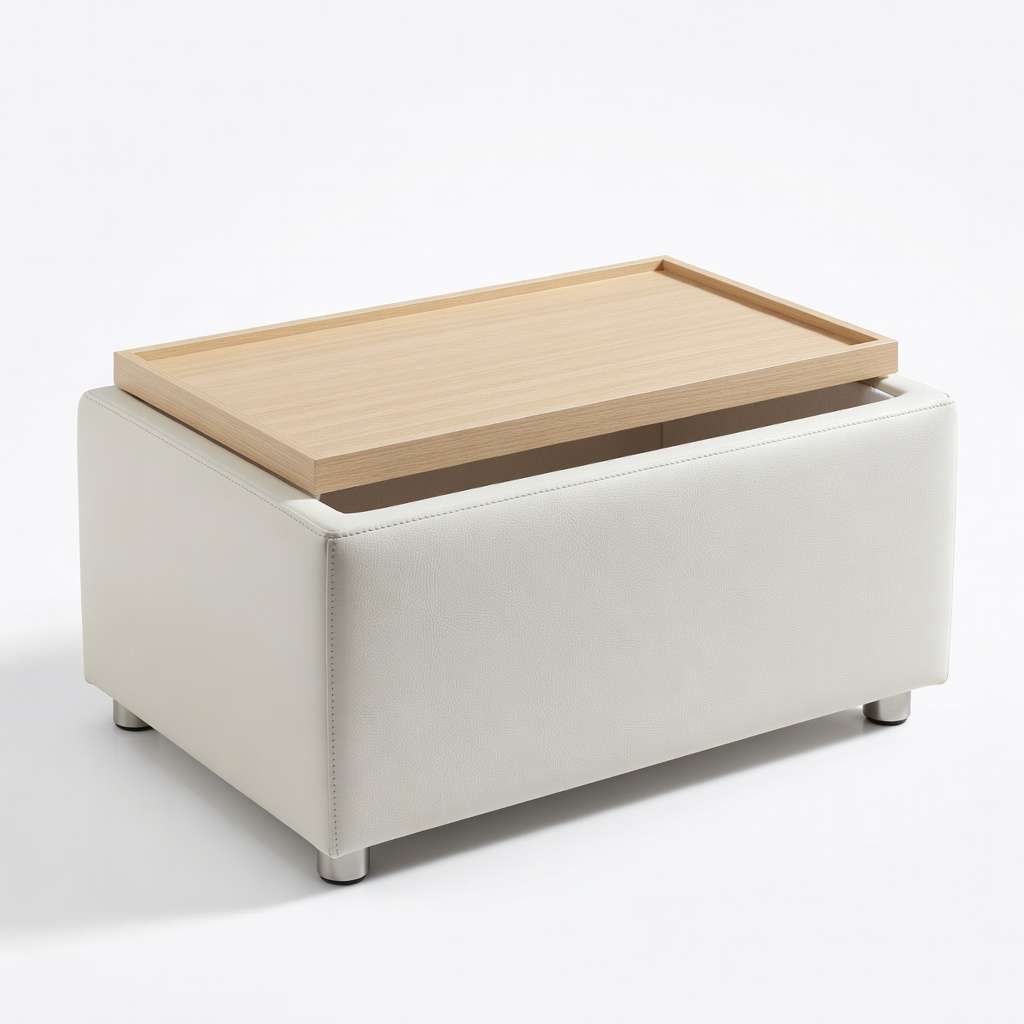
Why it matters: Traditional single-use items eat up floor space. Multifunctional accents free up square footage while keeping essentials accessible. For example, think of a storage ottoman as a coffee table, footrest, and hidden bin in one.
Expect versatile pieces to blend seamlessly, making your room feel organized and spacious. Analogy: It's like a Swiss Army knife for decor—compact yet capable.
💡 Tips:
- •Measure your traffic flow first to ensure pieces don't block paths.
- •Look for hidden compartments to stash remotes and coasters.
⚠️ Warnings:
- •Avoid heavy multifunctional items if your floor is uneven—they can tip.
Step 2: Choose Nesting Tables for Flexibility
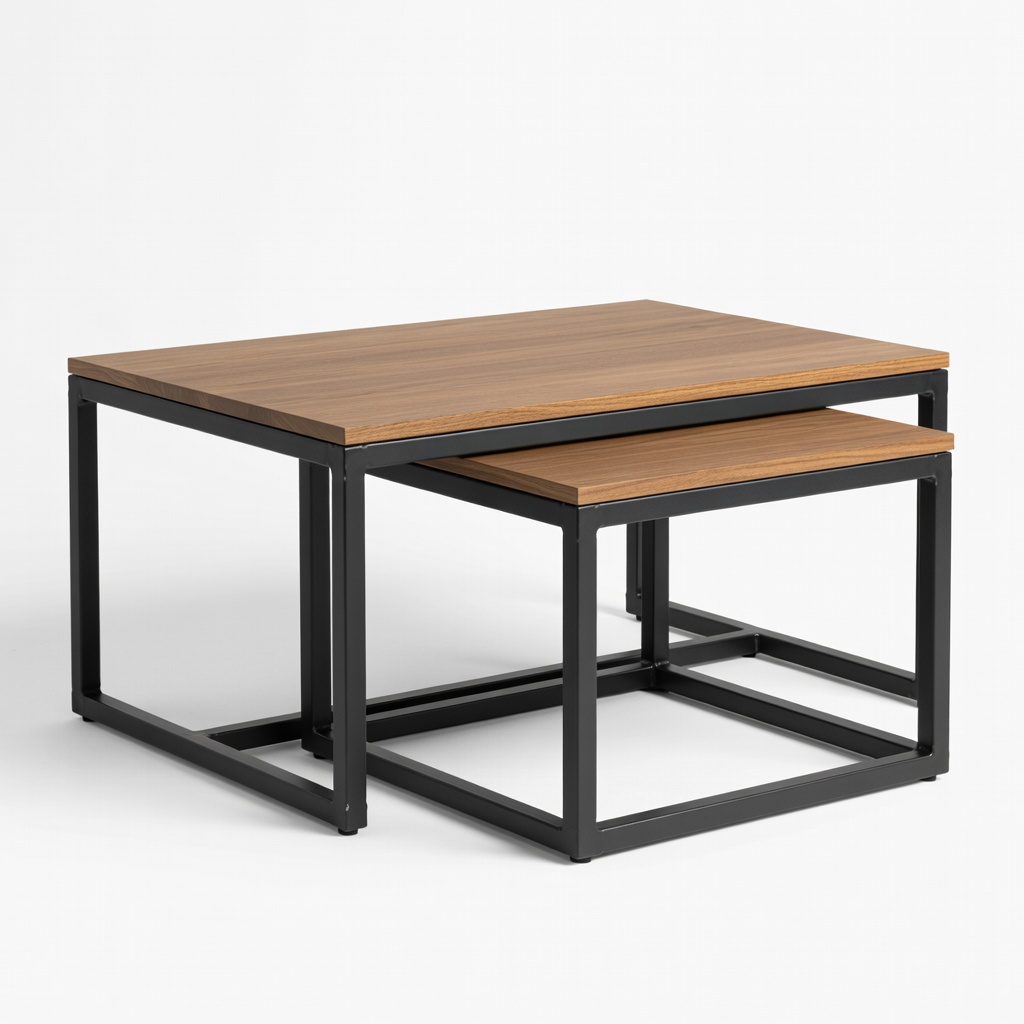
Nesting tables stack together when not in use, expanding only as needed. A set of 2-3 provides side tables, end tables, or extra surfaces without permanent space commitment.
Why it works: They adapt to guests or daily needs, tucking away to reveal floor space. Picture small side tables nesting under a larger one—like Russian dolls for furniture.
In small living rooms, they maximize versatility; use one solo for lamps, pull out more for drinks. Result: A clutter-free base with on-demand utility.
💡 Tips:
- •Opt for metal or glass tops for a light, airy feel.
- •Mix heights to create visual interest without bulk.
Step 3: Incorporate Storage Ottomans
Ottomans with lift-top lids or drawers hide clutter like throws, books, or toys. Round or rectangular shapes fit snugly in corners or as centerpieces.
Benefits: They replace bulky storage units, offering seating too. Analogy: A stealthy treasure chest disguised as comfy decor. They ground the room while elevating function.
Users report rooms feeling instantly tidier—perfect for apartments under 150 sq ft.
💡 Tips:
- •Select faux leather or fabric in neutral tones to match any style.
- •Pair with nesting trays for a makeshift coffee table.
⚠️ Warnings:
- •Don't overload storage; heavy items can strain hinges.
Step 4: Opt for Slim Console Tables
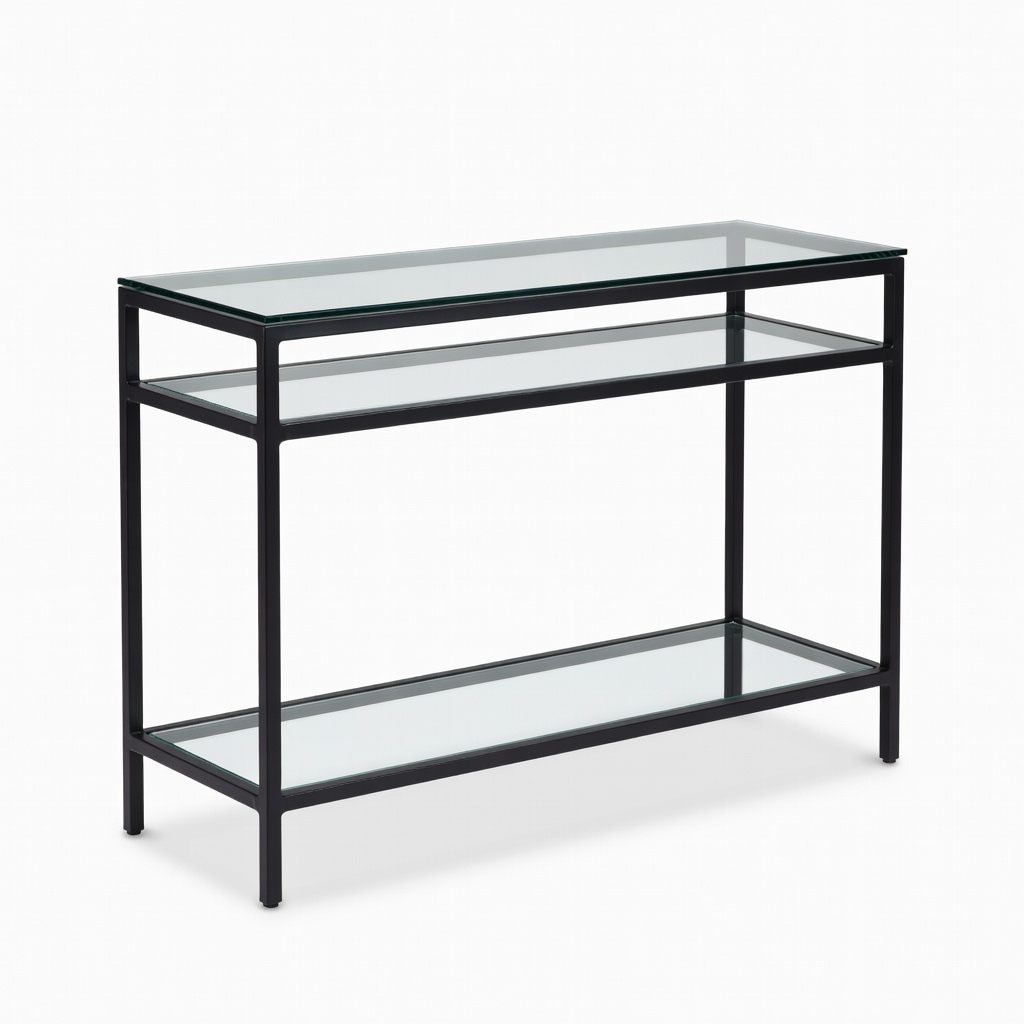
Narrow consoles (under 12 inches deep) hug walls, ideal for entryways or behind sofas. Add shelves for books or decor without intruding into the room.
Space-saving secret: They use vertical 'dead space' efficiently. Like a slim bookshelf, they display without dominating.
Expect a polished, elongated look that draws the eye upward, making ceilings seem higher.
💡 Tips:
- •Mount a mirror above for double the illusion of depth.
- •Choose glass or mirrored finishes for lightness.
Step 5: Leverage Wall-Mounted Shelves and Mirrors
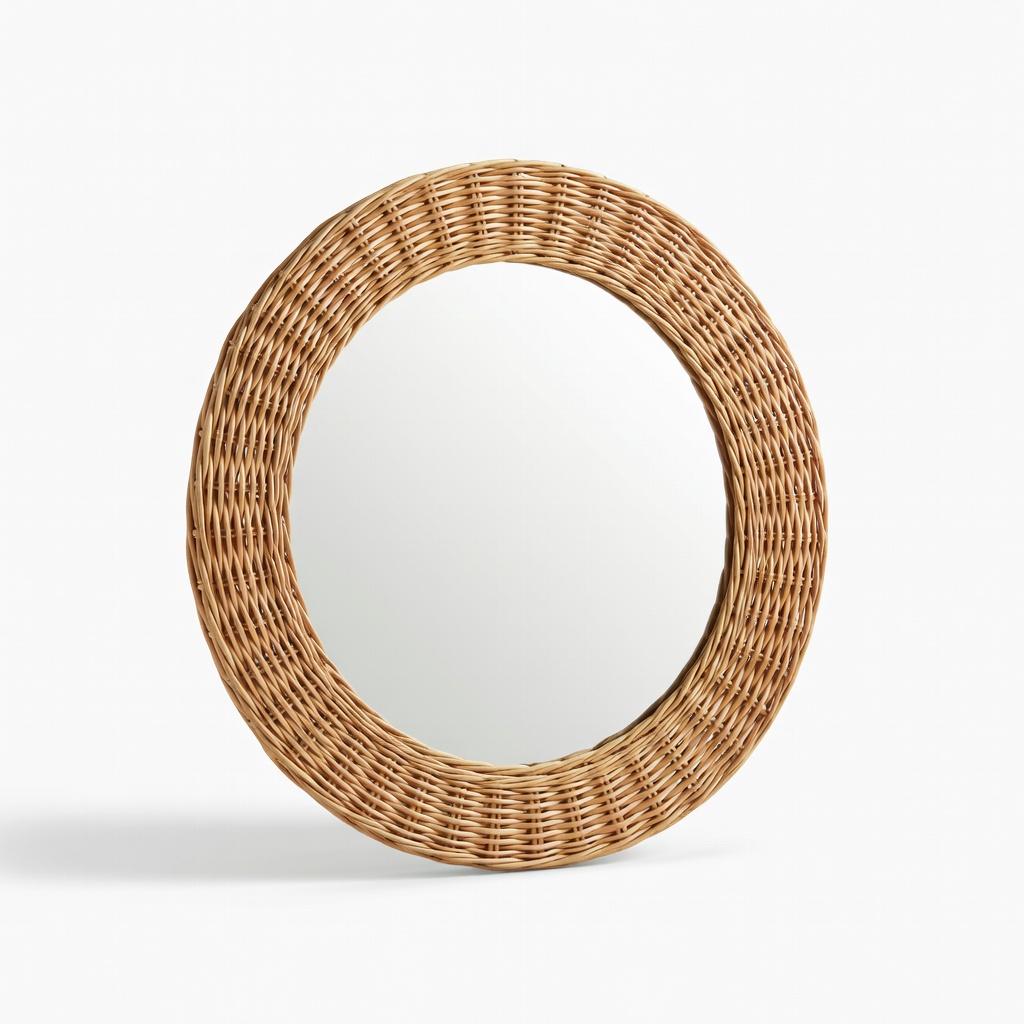
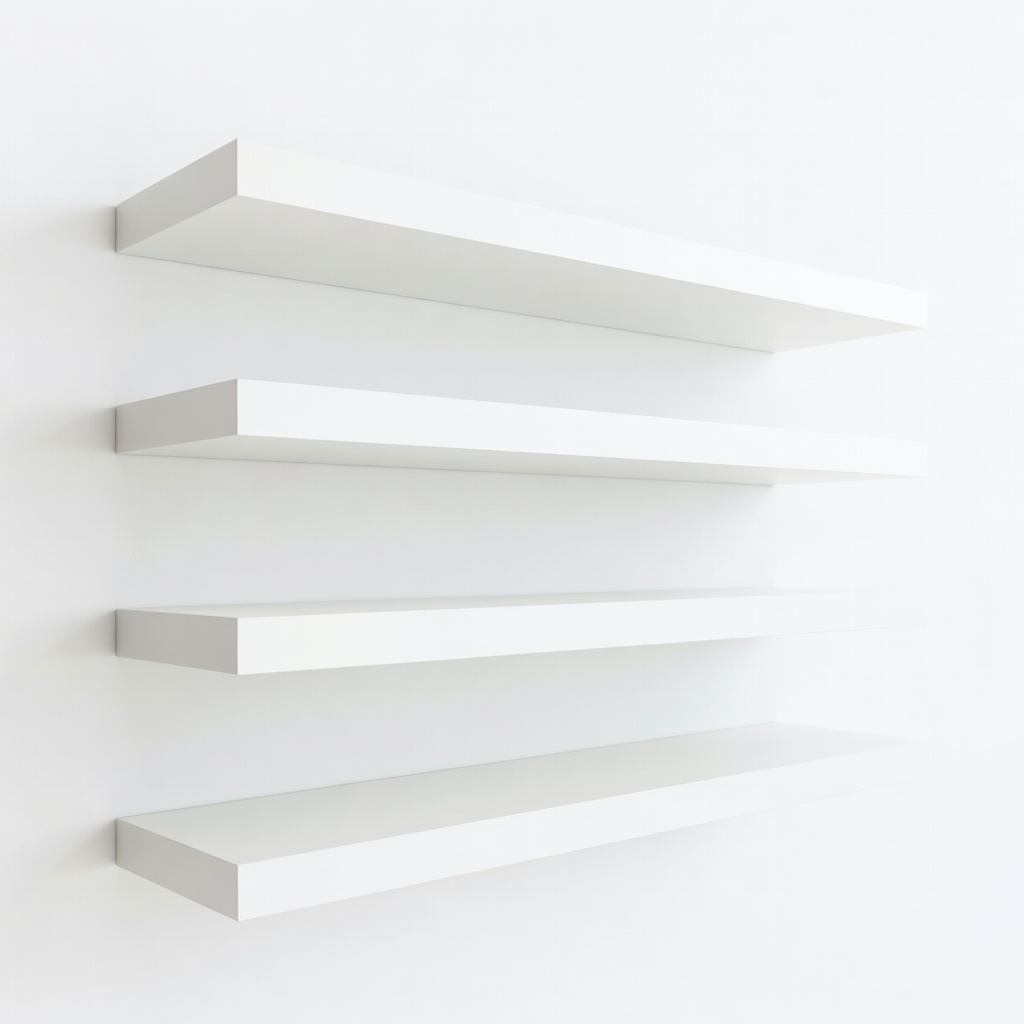
Floating shelves and wall mirrors save floor space entirely. Shelves hold books/plants; mirrors reflect light to amplify room size.
Why maximize: Vertical storage lifts items off floors—think library ladders but fixed. Mirrors act like windows, bouncing light for airiness.
Proportions: Place shelves at eye level; oversized mirrors opposite windows.
💡 Tips:
- •Use asymmetrical arrangements for modern vibe.
- •Secure with wall anchors for safety.
⚠️ Warnings:
- •Avoid overcrowding shelves; less is more in small spaces.
Step 6: Select Transparent or Light-Colored Accents
Glass, acrylic, or white/light wood pieces 'disappear' visually. A Lucite stool or glass table lets light pass through.
Optical illusion: Opaque furniture blocks views; transparents create flow. Analogy: Invisible ink for decor—functional yet unobtrusive.
Result: Room feels 20-30% larger per design studies.
💡 Tips:
- •Combine with metallic legs for contemporary lift.
- •Clean regularly to maintain clarity.
Step 7: Measure and Layout Before Buying
Sketch your room at scale, test piece footprints with tape. Ensure 18-24 inches between items for walkways.
Final check: Prevents returns. Use apps like Room Planner for virtual trials.
Achieve harmony: Balance accents around focal points like TV or sofa.
💡 Tips:
- •Factor in doors/windows swinging open.
- •Buy modular sets for easy adjustments.
▸Pro Tips
- •Stick to odd numbers (3 shelves, 2 tables) for visual rhythm.
- •Layer lighting on accents to highlight without bulk.
- •Choose pieces under 30 inches tall to keep sightlines open.
- •Mix textures (wood + metal) for depth without size.
- •Shop off-season for 20-30% discounts on accent collections.
- •Use painter's tape for mockups—saves time and money.
- •Prioritize rounded edges to soften tight spaces.
▸Common Mistakes to Avoid
- •Buying oversized 'statement' pieces—they overwhelm and shrink rooms.
- •Ignoring scale: Tiny accents look lost; measure against sofa height.
- •Overloading with patterns/colors—stick to 2-3 neutrals for cohesion.
- •Forgetting functionality: Pretty but impractical leads to unused clutter.
- •Placing large accents in centers—hug walls for flow.
▸Troubleshooting
Problem: Pieces don't fit after purchase
Solution: Double-check dimensions including assembly; use return policies from retailers like Amazon. Resketch layout.
Problem: Room feels darker post-additions
Solution: Swap for lighter materials or add mirrors. Rearrange to face windows.
Problem: Accents clash with existing decor
Solution: Neutral tones first, then accents. Test with photos edited in apps like Canva.
Problem: Unstable wall mounts
Solution: Use stud finders and heavy-duty anchors. Consult landlord for rentals.
SONGMICS Storage Ottoman, 40'' Faux Leather Footrest with Tray
Multifunctional design offers storage, seating, and table use—perfect for hiding clutter in tiny rooms.
Best for: Centerpiece for TV watching or guest seating in apartments under 200 sq ft.
Price Range: $69.99
VASAGLE Nesting Coffee Table Set of 2, Industrial Style
Stacks compactly, expands for use—saves 50% floor space compared to fixed tables.
Best for: Side tables beside sofa; pull out for parties in small living areas.
Price Range: $89.99
Walker Edison Slim Console Table, Glass Top Metal Frame
Only 10 inches deep with shelf storage—fits tight walls without protrusion.
Best for: Behind sofa or hallway accent for keys/plants in narrow rooms.
Price Range: $79.99-$99.99
Kate and Laurel Sylvie 28'' Round Rattan Mirror
Wall-mounted, reflects light to enlarge space; lightweight and stylish.
Best for: Opposite window above console to brighten and expand visual depth.
Price Range: $49.99
GRACKIN Floating Shelves Set of 4, 16'' White
No floor space used; holds decor vertically for max efficiency.
Best for: Books, plants on walls in studio apartments.
Price Range: $29.99