Minimalist decor is all about 'less is more'—clean lines, neutral palettes, and functional beauty. But adding accent furniture can feel tricky: too much, and it overwhelms the serenity; too little, and the space feels stark. This guide solves that by showing exactly what accent pieces complement minimalism, helping you elevate your home effortlessly.
You'll discover key principles, material choices, and real examples to pair accents perfectly. Whether refreshing a living room or bedroom, these insights ensure harmony. Expect a straightforward explainer—no fluff, just actionable advice for intermediate decorators ready to refine their style.
By the end, you'll confidently shop and style accents that amplify minimalism's elegance.
▸What You'll Need
- •Basic understanding of your room's color palette and layout
- •Measuring tape for scale assessment
- •Inspiration photos or Pinterest board of minimalist spaces
- •Budget range ($50-$500 per piece)
- •Access to online retailers like Amazon for browsing
Estimated Time: 20-30 minutes to read and plan your selections
Difficulty: intermediate
▸Step-by-Step Instructions
Step 1: Understand Minimalist Core Principles
Minimalism emphasizes simplicity, functionality, and negative space. Key tenets include neutral colors (whites, grays, beiges), clean geometric shapes, and high-quality materials that don't compete for attention.
Accent furniture must support these—think pieces that blend rather than dominate. Why it matters: Without this foundation, accents can disrupt the calm vibe. Expect to evaluate your space first: measure dimensions and note dominant colors.
Pro analogy: Like salt in a recipe, accents season without overpowering.
💡 Tips:
- •Sketch your room layout to visualize placements.
- •Study icons like Mies van der Rohe's 'less is more' philosophy.
⚠️ Warnings:
- •Avoid starting with trends; stick to timeless basics.
Step 2: Prioritize Clean Lines and Simple Shapes
Opt for furniture with straight edges, tapered legs, or subtle curves—no ornate carvings or fussy details. Examples: Parsons tables, Eames-style chairs, or slim console tables.
This keeps visual flow uninterrupted, maintaining minimalism's airy feel. Why? Ornate pieces add visual noise. You'll see instant harmony in photos of spaces with these.
💡 Tips:
- •Look for 'mid-century modern' influences—they're minimalist-friendly.
Step 3: Choose Neutral or Earthy Colors
Stick to monochromes like black, white, taupe, or natural wood tones. Subtle pops (e.g., muted olive) work if they echo walls or floors.
Colors unify the space, preventing accents from standing out harshly. Test swatches in your lighting—what looks neutral online may shift indoors.
💡 Tips:
- •Match wood tones to floors for seamlessness.
⚠️ Warnings:
- •Skip bright reds or patterns; they clash with minimalism.
Step 4: Select Natural, Textured Materials
Favor wood, metal, leather, or linen—raw or lightly finished. Oak, walnut, brass, or matte black steel add warmth without excess.
Materials ground the space organically. Expect durability and subtle aging that enhances patina over time.
💡 Tips:
- •Feel samples; quality texture elevates cheap looks.
Step 5: Focus on Scale and Proportion
Choose compact pieces (e.g., nesting tables under 24" wide) to preserve open floor space. Rule: Accents should be 1/3 the scale of main furniture.
Proper sizing prevents crowding. Measure twice—visualize with tape on the floor.
⚠️ Warnings:
- •Oversized accents kill minimalism's breathing room.
Step 6: Emphasize Function Over Ornament
Pick multi-use items like ottomans with storage or slim shelves. Pure decor (e.g., fussy pedestals) rarely fits.
Function aligns with minimalism's ethos. You'll appreciate versatility daily.
💡 Tips:
- •Test for stability in small spaces.
Step 7: Strategize Placement and Quantity
Limit to 1-3 accents per room; place asymmetrically for interest (e.g., one chair by a window). Cluster sparingly.
This creates focal points without clutter. Walk through post-placement to check flow.
Step 8: Review Real-World Examples
Study pairings: Noguchi triangle table with white sofa; molded plywood chair in beige room; brass console against gray wall.
These prove concepts work. Adapt to your style for confidence.
💡 Tips:
- •Use apps like Room Planner for virtual trials.
▸Pro Tips
- •Layer subtle textures (e.g., linen chair + wood table) for depth without busyness.
- •Invest in one statement piece per room for impact.
- •Shop modular accents for flexibility as styles evolve.
- •Use mirrors or glass tops to amplify light and space.
- •Pair with plants in simple ceramic pots for organic accents.
- •Declutter around new pieces to highlight them.
- •Buy in sets (e.g., nesting tables) for cohesive scaling.
▸Common Mistakes to Avoid
- •Overloading with multiple bold accents—creates chaos; limit to essentials.
- •Ignoring scale—large pieces dwarf rooms; always measure.
- •Choosing glossy finishes—they reflect too much, disrupting calm.
- •Mismatched materials—clashing woods/metals jar; unify tones.
- •Forgetting lighting—accents need soft, indirect light to shine.
▸Troubleshooting
Problem: Accent feels out of place or too prominent.
Solution: Reposition to a corner or swap for a smaller/neutral version; remove nearby decor.
Problem: Room looks cold despite accents.
Solution: Add one warm material like walnut wood; layer a single throw.
Problem: Colors clash under different lighting.
Solution: View samples at various times of day; opt for warmer neutrals.
Problem: Space feels crowded.
Solution: Go vertical with slim shelves; audit and remove excess.
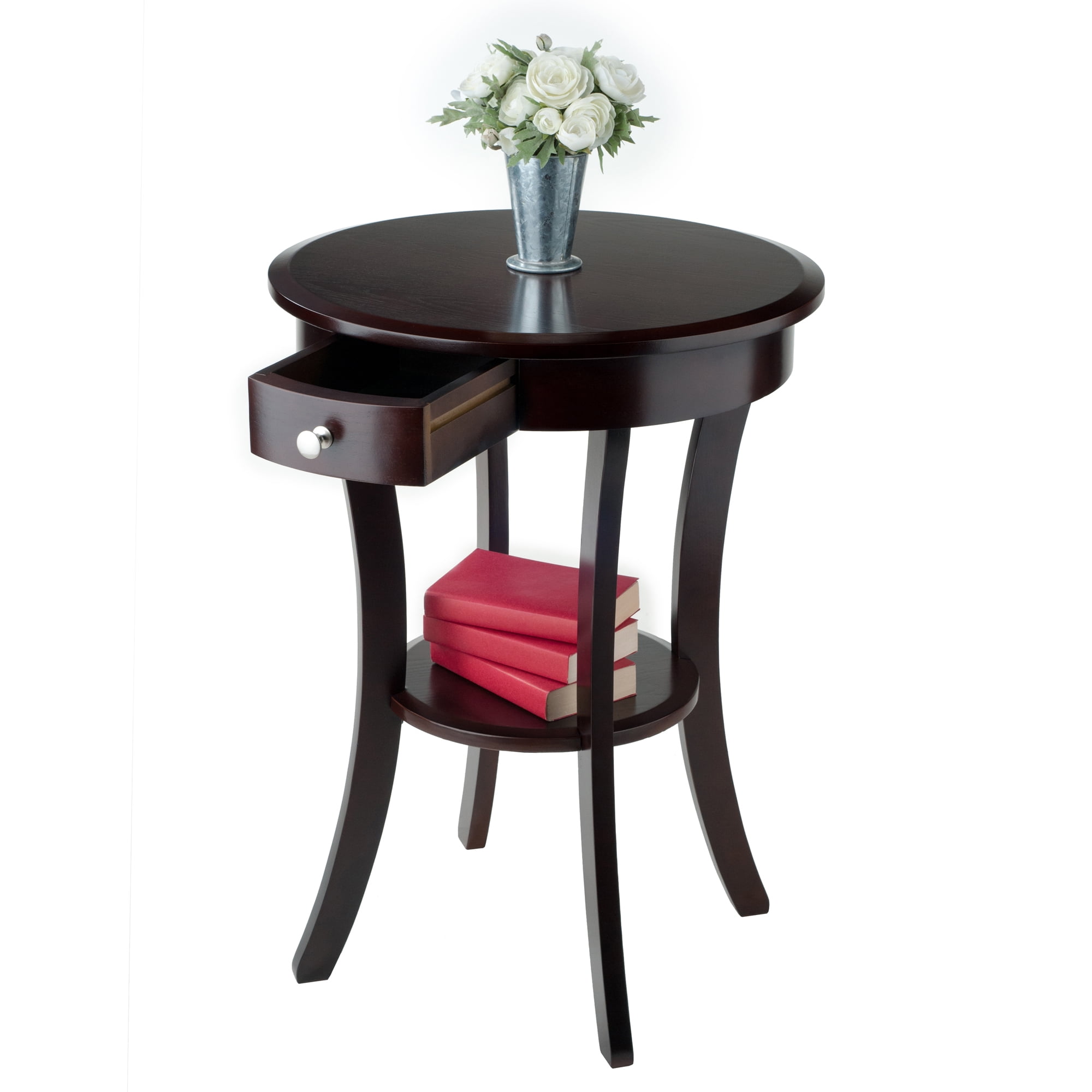
Winsome Wood Oscar Accent Table
Simple shaker-style wood design with clean lines and neutral finish perfectly complements minimalist rooms without overwhelming.
Best for: Ideal as a bedside or living room side table for lamps or books.
Price Range: $45-$55
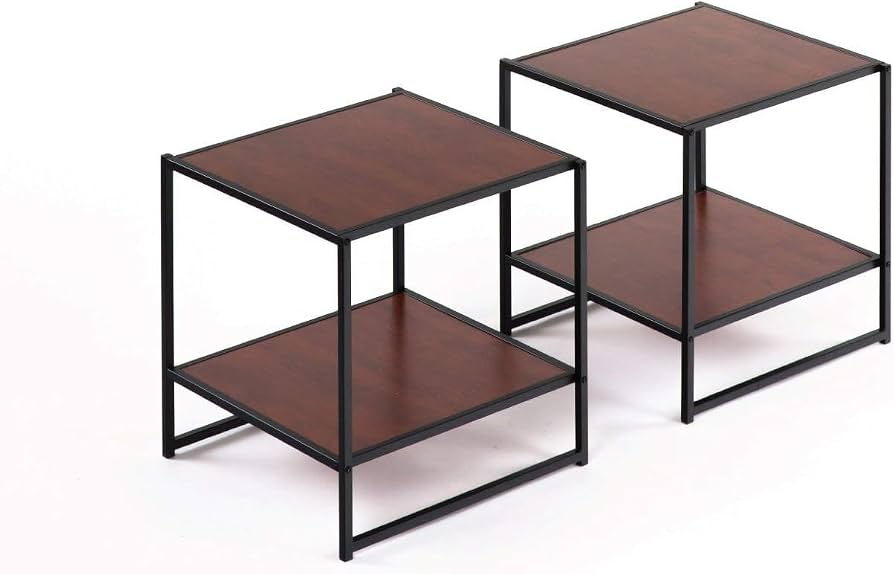
ZINUS Emma Slim Side Table
Ultra-slim profile and natural wood grain add subtle warmth and function to tight spaces.
Best for: Great for small apartments as an end table next to a sofa.
Price Range: $25-$35
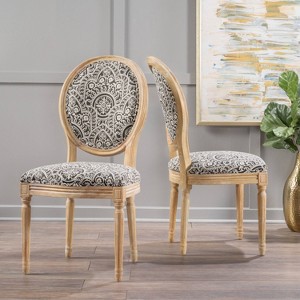
Christopher Knight Home Phinnaeus Modern Accent Chair
Tufted fabric in neutral gray with tapered legs offers mid-century elegance that blends seamlessly.
Best for: Perfect reading nook or accent in open living areas.
Price Range: $180-$220
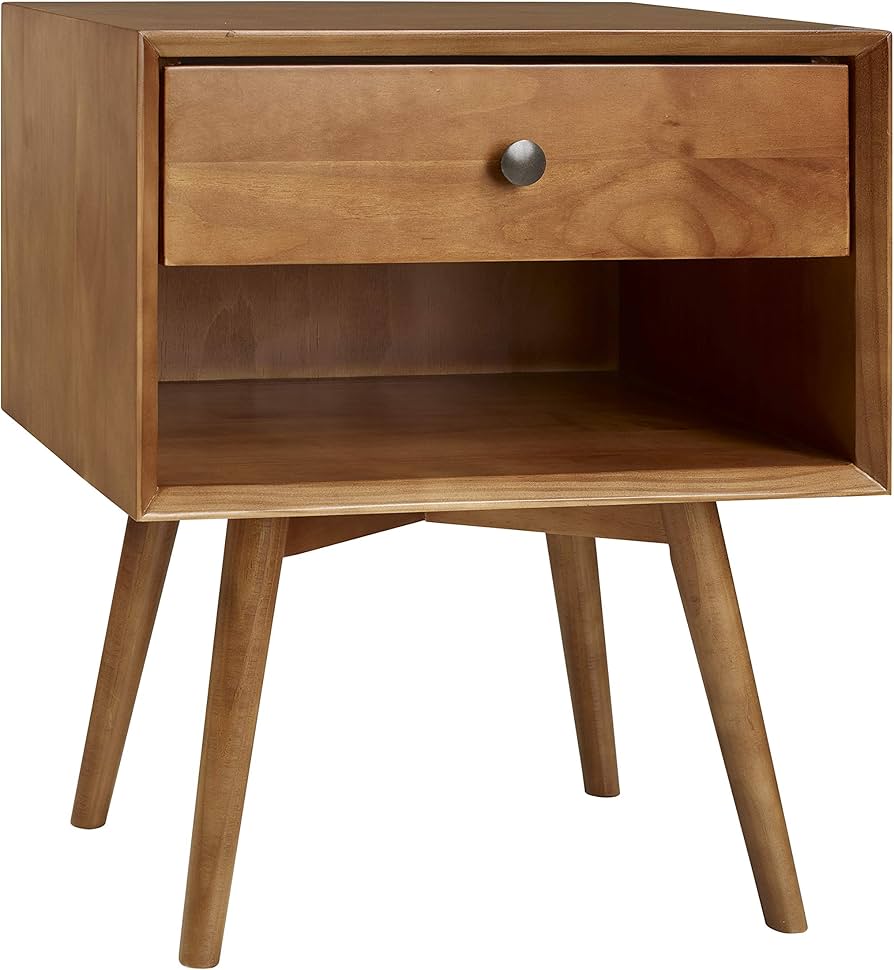
Walker Edison Mid-Century Modern Side Table
Hairpin legs and round wood top provide sculptural interest with zero clutter.
Best for: Versatile for entryways or beside minimalist sectionals.
Price Range: $50-$70
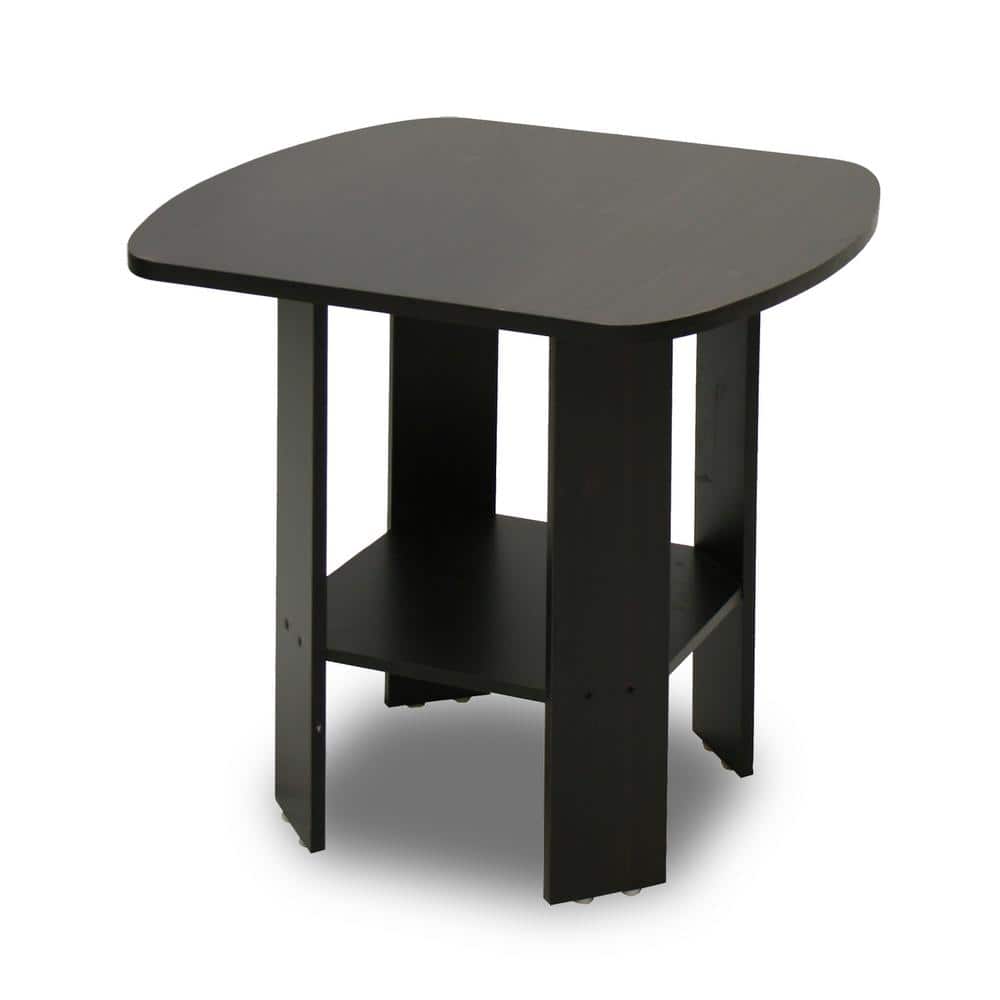
Furinno Simple Design End Table
Budget-friendly with pipe metal legs and wood shelf—functional and understated.
Best for: Entry-level accent for beginners testing minimalism.
Price Range: $20-$30