
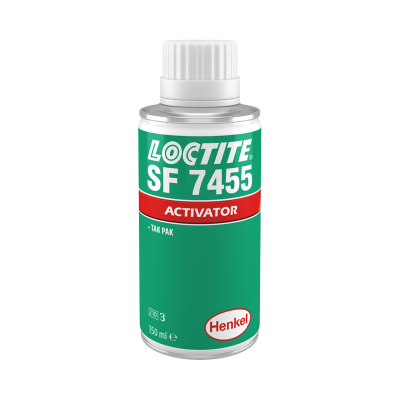
Loctite SF 7455 Primer/Activator
High-volume assembly on metals/plastics; gap-filling up to 0.25mm.
$25-$35
Loctite SF 7455 Primer/Activator Industry gold standard for CA adhesives; non-chlorinated, low bloom for precision work.
Get the App
Better experience on mobile
Unlock faster curing times and stronger bonds by mastering adhesive accelerators for advanced industrial and DIY applications.
In high-stakes bonding scenarios—like aerospace assembly, medical device manufacturing, or rapid prototyping—slow-curing adhesives can bottleneck production and compromise quality. Adhesive accelerators solve this by slashing cure times from minutes to seconds, enabling efficient workflows without sacrificing strength.
This guide demystifies adhesive accelerators for advanced users, covering their chemistry, types, optimal use cases, and application techniques. You'll learn to select and deploy them effectively, avoiding pitfalls that lead to weak bonds or blooming (white residue). Expect a deep dive into real-world applications, with insights from industrial practices.
No hands-on work required—just 20 minutes to gain expertise that transforms your adhesive projects.
Estimated Time: 15-20 minutes to read and understand Difficulty: advanced
Adhesives cure via polymerization, where monomers link into polymers. Cyanoacrylates (CAs) rely on surface moisture or anions to initiate anionic polymerization, while anaerobics cure in oxygen absence.
Accelerators provide alkaline vapors or initiators to jumpstart this, reducing cure time by 80-90%. Why it matters: Without understanding, mismatched accelerators cause incomplete cures.
Expect baseline cure times: CA (10-60s), epoxies (hours).
💡 Tips:
Classify by chemistry: Solvent-based (e.g., acetone carriers for CAs), non-solvent (water-based, residue-free), and anaerobic-specific (metal ion activators).
CA accelerators are most common, releasing amines or bases. Anaerobic ones use copper salts. Select based on adhesive: CA needs alkaline activators; UV adhesives pair with photoinitiators.
Real-world: Use non-solvent for optics to avoid haze.
⚠️ Warnings:
For CAs, accelerators donate hydroxide ions: CH2=C(CN)COOR + OH- → rapid polymerization. This neutralizes inhibitors, blooming minimized in low-residue formulas.
Advanced: Measure pH—effective accelerators are pH 9-12. Track via FTIR spectroscopy for carbonyl peak shifts indicating cure.
Why critical: Over-acceleration risks brittle bonds; under-acceleration wastes time.
💡 Tips:
Deploy for: Thick gaps (>0.1mm), low-moisture surfaces (metals, glass), cold temps (<10°C), or high-throughput assembly.
Skip on high-moisture plastics or thin bonds—natural cure suffices. Ideal for: Electronics potting, rubber bonding, medical tubing.
Expect 5-10x speed gains; e.g., 30s cure becomes 3s.
Method 1: Pre-apply to substrate, dry 10-30s, then add adhesive. Method 2: Post-apply mist over joint. Ratio: 1:1 coverage.
Advanced: Use precision sprayers for automation; wick applicators for micro-bonds. Dry with compressed air.
Pro: Dual-sided application for gaps.
💡 Tips:
⚠️ Warnings:
Clean with IPA or plasma for >95% surface energy. Roughen with 400-grit for mechanical keying.
Accelerators excel on passive surfaces (stainless steel)—pair with primers for polyolefins.
Test: Water break test—beading means poor prep.
Metrics: Shear strength (>20 MPa target), T-peel (>5 N/cm), cure speed via dye penetration.
Advanced: Lap shear ASTM D1002 testing. Compare accelerated vs. non: 2x strength possible.
Fixture time drops dramatically—key for jigless assembly.
💡 Tips:
VOCs cause fumes—use in fume hoods. Flammable; store at 4-21°C, shelf life 12 months.
Disposal: Neutralize with vinegar, then hazardous waste. PPE mandatory.
Regulatory: RoHS-compliant for electronics.
⚠️ Warnings:
Problem: No acceleration or slow cure
Solution: Check compatibility; ensure even application and low humidity. Test fresh batch.
Problem: White blooming residue
Solution: Switch to non-solvent type; reduce quantity and increase distance.
Problem: Brittle or cracking bonds
Solution: Avoid excess; allow partial natural cure before accelerating.
Problem: Adhesive won't wet surface
Solution: Use primer first; plasma treat passives. Seek pro if persistent.
Industry gold standard for CA adhesives; non-chlorinated, low bloom for precision work.
Best for: High-volume assembly on metals/plastics; gap-filling up to 0.25mm.
Price Range: $25-$35
Odorless, non-fuming formula prevents clogs in needle-tip applicators.
Best for: RC modeling, woodworking, jewelry; fine mist for hobbyists.
Price Range: $12-$15
Surface insensitive for difficult plastics like PP/PE; accelerates CAs dramatically.
Best for: Automotive, medical devices on low-energy surfaces.
Price Range: $40-$50
Fast-acting for modeling glues; spray bottle for easy control.
Best for: Plastics and foams in scale models; quick tacking.
Price Range: $8-$12
Specialized for threadlockers/sealants; speeds inactive surfaces.
Best for: Threaded fasteners, pumps in machinery.
Price Range: $30-$45
High-volume assembly on metals/plastics; gap-filling up to 0.25mm.
Loctite SF 7455 Primer/Activator Industry gold standard for CA adhesives; non-chlorinated, low bloom for precision work.
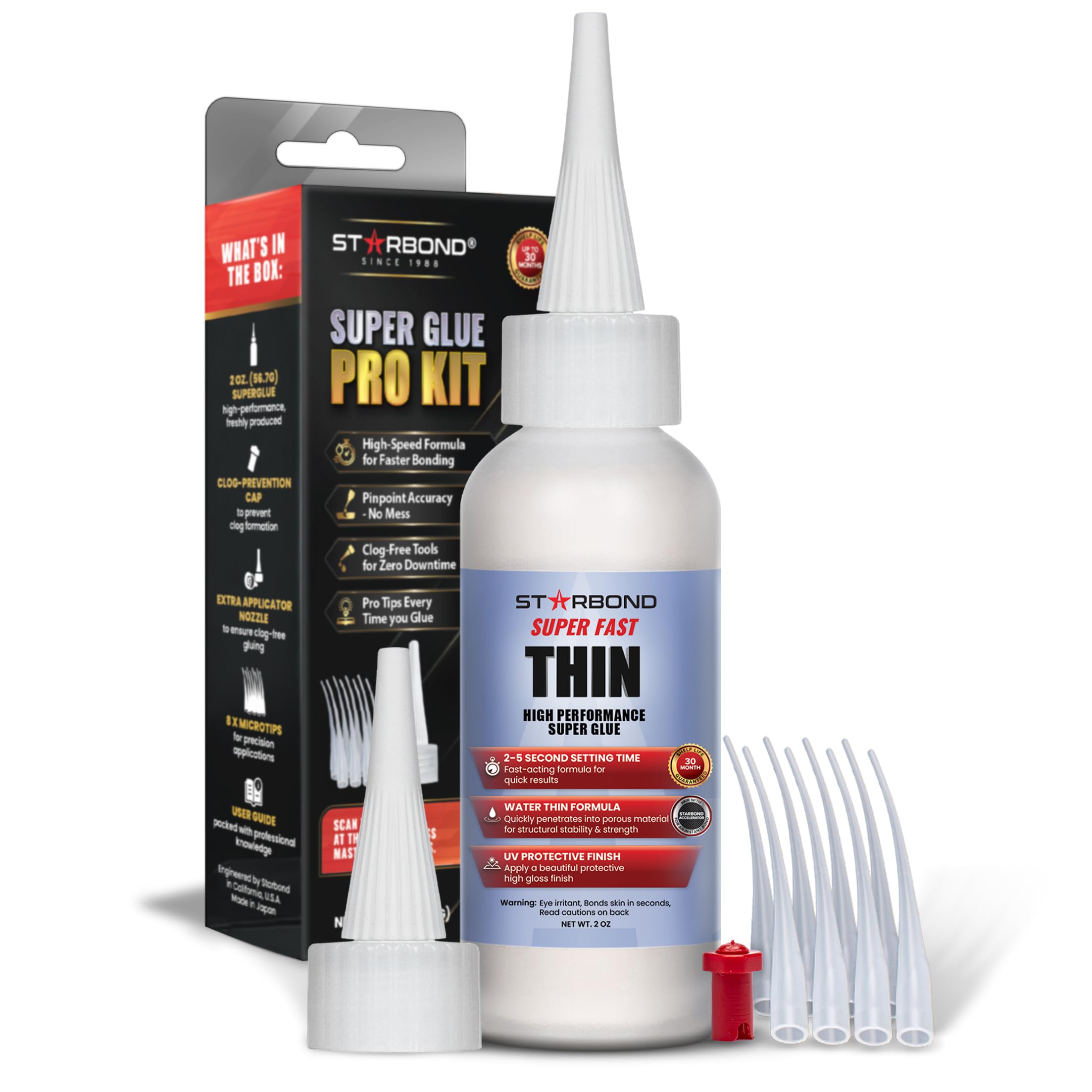
RC modeling, woodworking, jewelry; fine mist for hobbyists.
Starbond EM-02 No-Clog Super Glue Accelerator Odorless, non-fuming formula prevents clogs in needle-tip applicators.
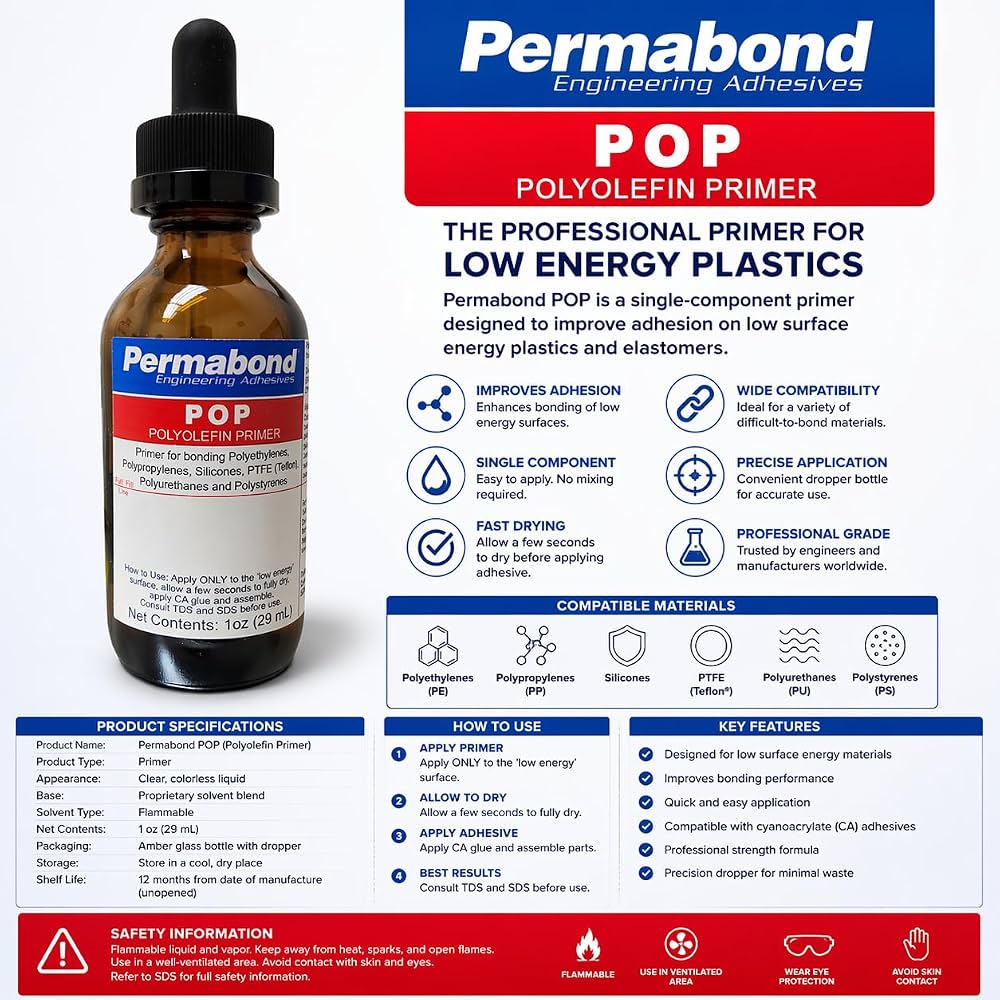
Automotive, medical devices on low-energy surfaces.
Permabond POP Primer Surface insensitive for difficult plastics like PP/PE; accelerates CAs dramatically.
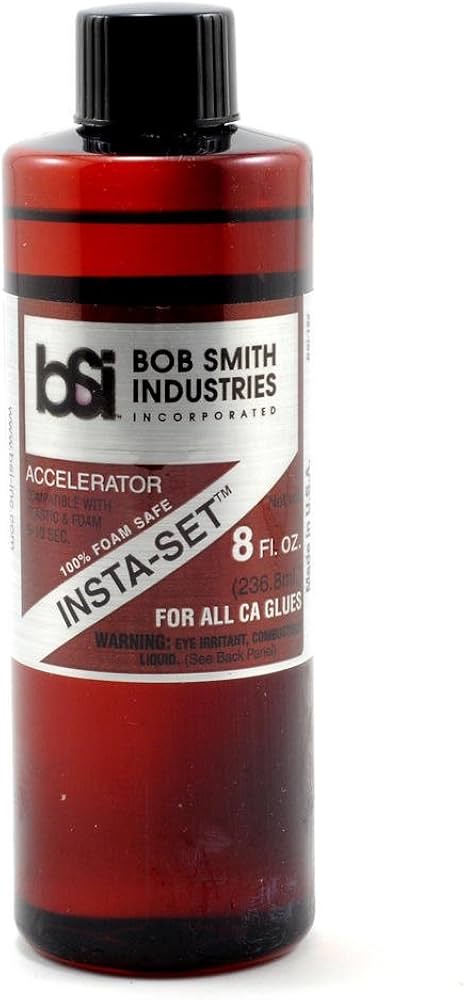
Plastics and foams in scale models; quick tacking.
BSI Insta-Set Accelerator Fast-acting for modeling glues; spray bottle for easy control.
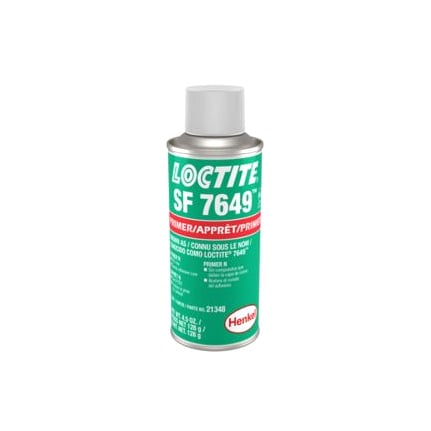
Threaded fasteners, pumps in machinery.
Henkel Loctite 7649 Anaerobic Primer Specialized for threadlockers/sealants; speeds inactive surfaces.