Struggling to say no or feeling drained by toxic relationships after abuse? You're not alone—many survivors find boundaries blurry after years of manipulation.
This guide breaks down proven self-help techniques to build strong, healthy boundaries. You'll learn what boundaries are, key techniques to establish them, and how to maintain them without guilt. No prior experience needed; it's designed for beginners in abuse recovery.
Expect a straightforward explainer with 7 actionable steps, real-world examples, and tips. Reading takes 20-30 minutes, but techniques build with 10-15 minutes daily practice over a week.
▸What You'll Need
- •Quiet, private space for reflection
- •Journal and pen (or digital note app)
- •Optional: Recommended boundary-setting books or workbook
- •Prerequisite: Basic understanding of personal abuse experiences (no therapy required)
Estimated Time: 20-30 minutes to read + 10-15 minutes daily practice for 1 week
Difficulty: beginner
▸Step-by-Step Instructions
Step 1: Understand What Boundaries Are
Boundaries are invisible lines that protect your emotional, physical, mental, and time energy. Think of them like a fence around your home—they define what's yours and keep out what harms you. In abuse recovery, weak boundaries often stem from conditioning to prioritize others' needs.
Why it matters: Recognizing boundaries empowers you to stop people-pleasing. For example, saying 'no' to unwanted contact from an abuser is a boundary. Expect clarity after this step; it's foundational.
Analogy: Boundaries are like personal WiFi passwords—only trusted people get access.
Image description: Illustration of a person drawing a protective bubble around themselves with icons of emotions, time, and space inside.
💡 Tips:
- •Use everyday examples: 'My time boundary means no calls after 8 PM.'
⚠️ Warnings:
- •Don't confuse boundaries with walls—healthy ones allow connection.
Step 2: Identify Your Personal Limits
Reflect on past abuse to spot where boundaries were violated. Ask: What made me feel used, angry, or exhausted? Common areas: emotional (sharing too much), physical (unwanted touch), or digital (constant texting).
Journal prompt: List 5 situations where you felt overstepped. Rate your discomfort 1-10. This reveals patterns, like tolerating yelling. Why it matters: Awareness prevents repeat violations.
Expect a list of 3-5 key limits, e.g., 'I won't discuss my finances with family.'
Image description: Open journal with bullet points of limits and a checklist.
💡 Tips:
- •Start small—focus on one area like time first.
⚠️ Warnings:
- •Avoid judging yourself; limits evolve.
Step 3: Practice Self-Awareness Daily
Tune into your feelings as a boundary radar. Use mindfulness: Pause before responding to requests. Ask, 'Does this align with my values?'
Technique: 5-minute body scan—notice tension signaling a breach. In abuse contexts, this counters gaslighting. Why it matters: Self-awareness builds confidence to enforce boundaries.
Example: If a friend guilts you, feel the gut twist and say, 'I need space.' Expect growing intuition over days.
💡 Tips:
- •Set phone reminders for 3 check-ins daily.
Step 4: Learn Assertive Communication Scripts
Craft simple 'I' statements to express boundaries. Format: 'I feel [emotion] when [behavior], so I need [boundary].' E.g., 'I feel overwhelmed when you raise your voice, so I need calm talks.'
Practice aloud. Why it matters: Abusers test limits; assertiveness deters them without aggression.
Analogy: Like a polite but firm 'Do Not Enter' sign. Role-play in mirror for confidence.
💡 Tips:
- •Record yourself to refine tone—calm and steady.
⚠️ Warnings:
- •Avoid justifying excessively; keep it short.
Step 5: Set and Test Boundaries in Low-Stakes Situations
Start small: Say no to minor requests. E.g., decline an extra favor from a colleague. Track results in journal.
Why it matters: Builds muscle memory before big tests like family gatherings. Expect resistance but growing ease.
Pro tip: Use 'broken record'—repeat calmly if pushed.
Step 6: Handle Pushback and Guilt
Anticipate reactions like anger or silent treatment. Remind yourself: Their response is theirs; your boundary is yours.
Technique: Affirmation journal—'My needs are valid.' Why it matters: Abuse survivors often feel selfish; this rewires guilt.
Example: If ex says 'You're changing,' reply 'I'm prioritizing my well-being.'
💡 Tips:
- •Have a support friend on speed dial.
⚠️ Warnings:
- •Don't engage in debates—walk away if unsafe.
Step 7: Review and Adjust Boundaries Regularly
Weekly review: What worked? Adjust as needed. E.g., tighten if tested.
Why it matters: Life changes; flexible boundaries stay effective. Celebrate wins to reinforce.
Ongoing: Pair with self-care like walks.
▸Pro Tips
- •Practice in front of a mirror for confident delivery
- •Use apps like Daylio for mood-tracking to spot boundary breaches
- •Pair techniques with deep breathing to stay calm
- •Share progress anonymously in online survivor forums
- •Visualize boundaries as a glowing shield daily
- •Start with time boundaries—they're easiest to enforce
- •Reward yourself after enforcing a boundary, like favorite tea
▸Common Mistakes to Avoid
- •Setting boundaries without communicating them—leads to confusion; always state clearly
- •Apologizing for boundaries—undermines them; own your right to them
- •Expecting instant change—practice takes time; be patient
- •Ignoring physical safety—prioritize no-contact if abuse escalates
- •Overloading with too many boundaries at once—start with 1-2
▸Troubleshooting
Problem: Overwhelming guilt after setting a boundary
Solution: Journal affirmations like 'Protecting myself is loving'; talk to a trusted friend. Normal for beginners—fades with practice.
Problem: Abuser ignores or escalates boundaries
Solution: Enforce with actions like blocking; document for legal if needed. Seek hotline support immediately.
Problem: Struggling to identify limits
Solution: Use guided prompts from a workbook; revisit childhood patterns. Give it 3 days.
Problem: No motivation to practice
Solution: Pair with enjoyable self-care; track small wins in app. When to seek pro help: Persistent depression—contact therapist.
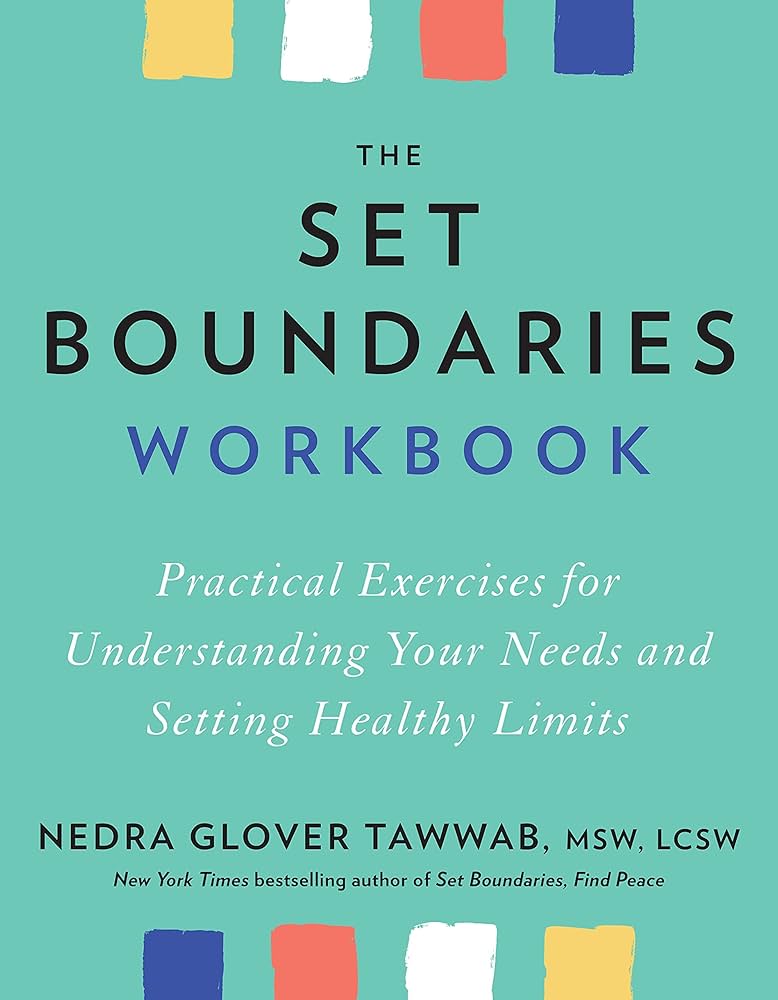
Set Boundaries, Find Peace by Nedra Glover Tawwab (Paperback)
Best-selling guide with practical exercises tailored for boundary-building in toxic dynamics; beginner-friendly with real abuse examples. Amazon ASIN: B091J3N7D1
Best for: Daily reading and workbook sections during Step 2-4
Price Range: $13-$16
Boundaries Updated and Expanded by Henry Cloud and John Townsend
Classic with Christian-leaning but universal advice on saying no; includes abuse recovery insights. Amazon ASIN: B0B1K1Z3S6
Best for: Reference for assertive scripts in Step 4 and guilt-handling in Step 6
Price Range: $10-$15
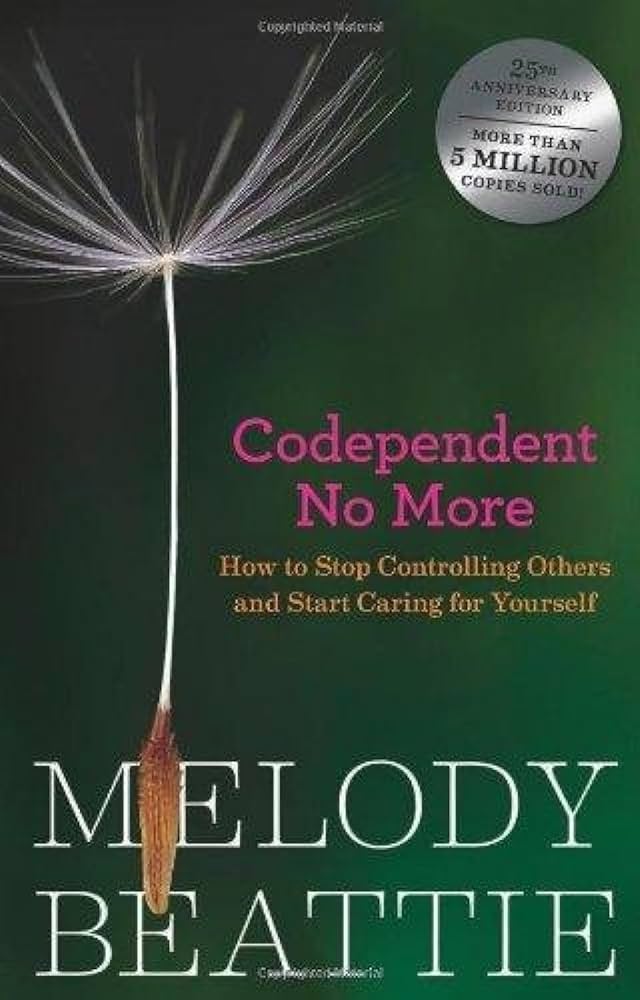
Codependent No More by Melody Beattie
Addresses people-pleasing from abuse; workbook-style for self-reflection. Amazon ASIN: B00I2JGH0C
Best for: Journaling companion for Steps 2 and 7
Price Range: $12-$18
The Gift of Fear by Gavin de Becker
Teaches trusting instincts for physical/emotional boundaries; vital for abuse survivors. Amazon ASIN: B000FC12C8
Best for: Boost self-awareness in Step 3 against manipulation
Price Range: $9-$14
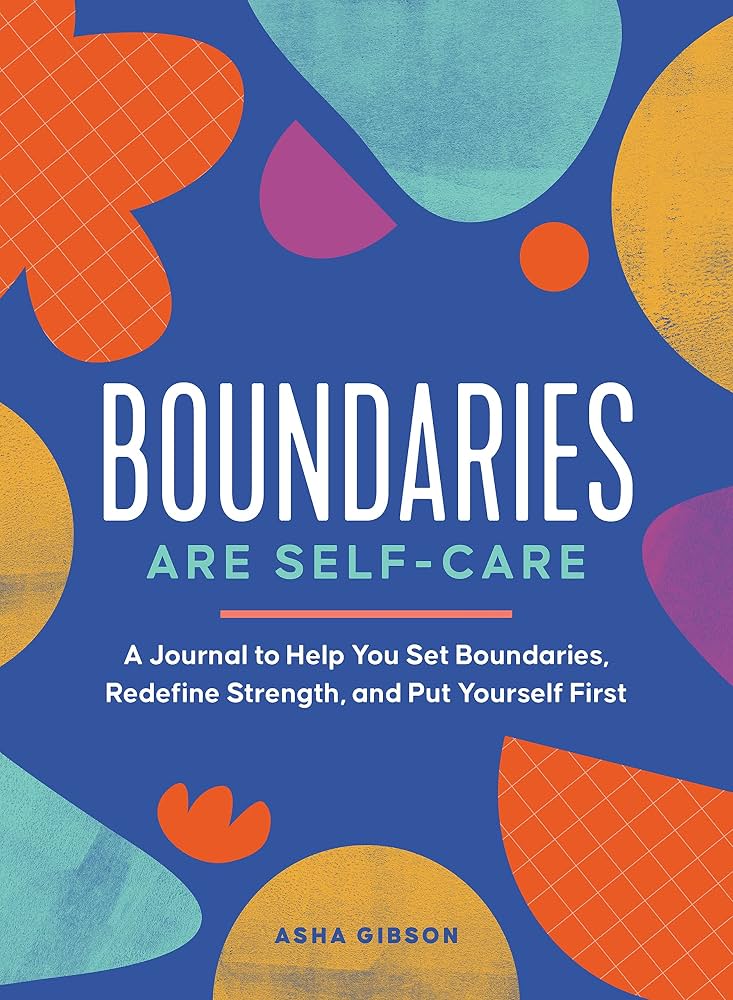
Prompted Journal: Boundaries Edition (Generic self-care journal)
Guided prompts for daily boundary practice; affordable for beginners. Amazon ASIN: B09B2RZZZK (example prompted journal)
Best for: Hands-on tool for all journaling steps
Price Range: $8-$12