Struggling with repeated boundary violations in relationships? Abuse self-help books emphasize that strong boundaries are your first line of defense against manipulation, control, and emotional harm. Without them, cycles of abuse persist, leaving you drained and powerless.
In this guide, you'll uncover the key teachings from bestselling abuse recovery books like 'Why Does He Do That?' and 'Boundaries.' You'll gain a clear understanding of what boundaries are, how to identify yours, communicate them, and enforce them—even when it feels impossible. No prior knowledge needed; this beginner-friendly explainer breaks it down simply.
Expect to spend 20-30 minutes reading, with actionable insights you can apply immediately. These lessons empower you to reclaim your space and peace.
▸What You'll Need
- •Open mind and quiet space for reflection
- •Notebook or journal for noting personal boundaries (optional but recommended)
- •Access to a self-help book on abuse recovery (see recommendations)
Estimated Time: 20-30 minutes
Difficulty: beginner
▸Step-by-Step Instructions
Step 1: Understand What Boundaries Are
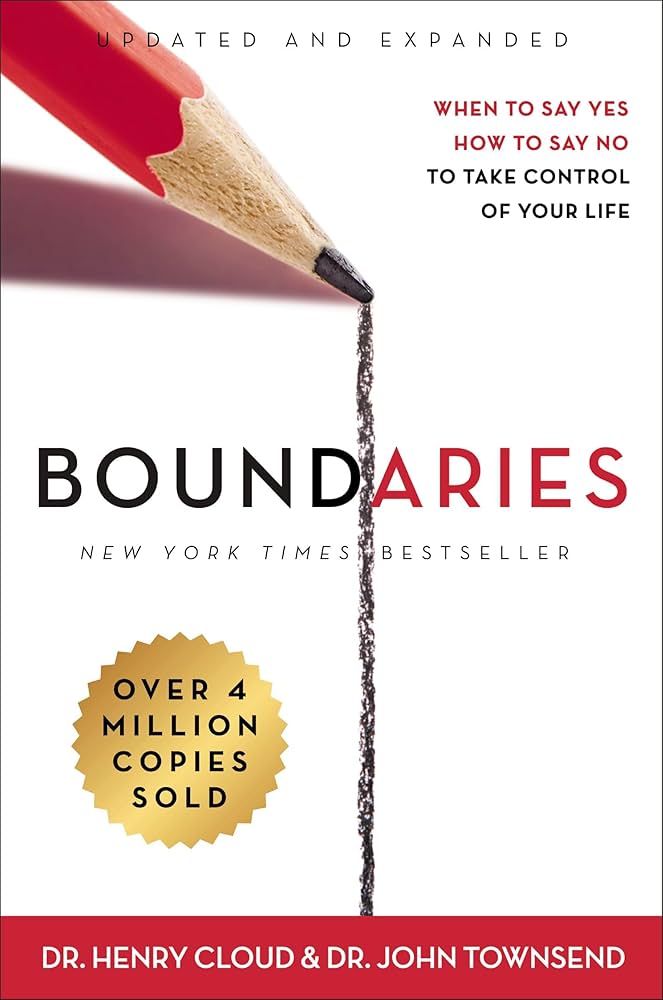
Abuse self-help books, like Boundaries by Henry Cloud and John Townsend, define boundaries as invisible lines that protect your emotional, physical, mental, and spiritual well-being. Think of them as a fence around your property: they say what's yours and what's not.
Why it matters: In abusive dynamics, blurred boundaries lead to resentment and burnout. Books teach that healthy boundaries aren't walls but flexible guards that allow good in and keep harm out.
Expect clarity: Boundaries cover time (e.g., no calls after 9 PM), energy (no tolerating yelling), and values (no manipulation).
💡 Tips:
- •Use the analogy of a cell membrane: semi-permeable to let nutrients in but block toxins.
Step 2: Recognize Boundary Violations
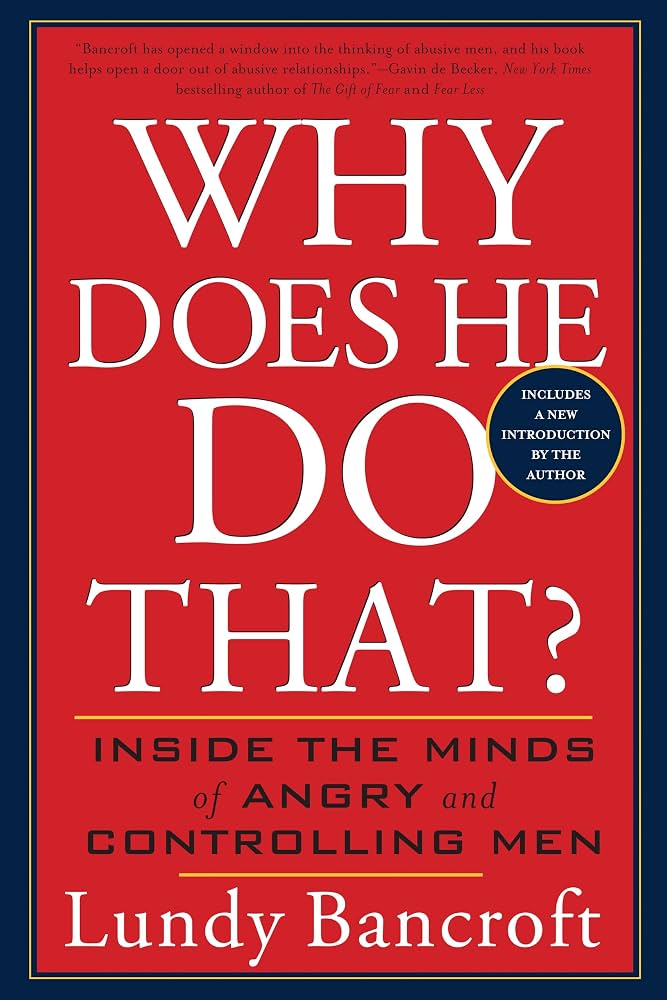
Books like Why Does He Do That? by Lundy Bancroft highlight signs of violations: guilt-tripping, gaslighting, or ignoring your 'no.' Abusers test limits subtly at first, eroding your sense of self.
Why it matters: Awareness breaks denial. You'll learn to spot patterns, like feeling obligated to explain yourself endlessly.
Practice by journaling past incidents: 'Did I feel respected?' This builds intuition.
⚠️ Warnings:
- •Don't blame yourself—violations are the abuser's choice, not your weakness.
Step 3: Identify Your Personal Boundaries
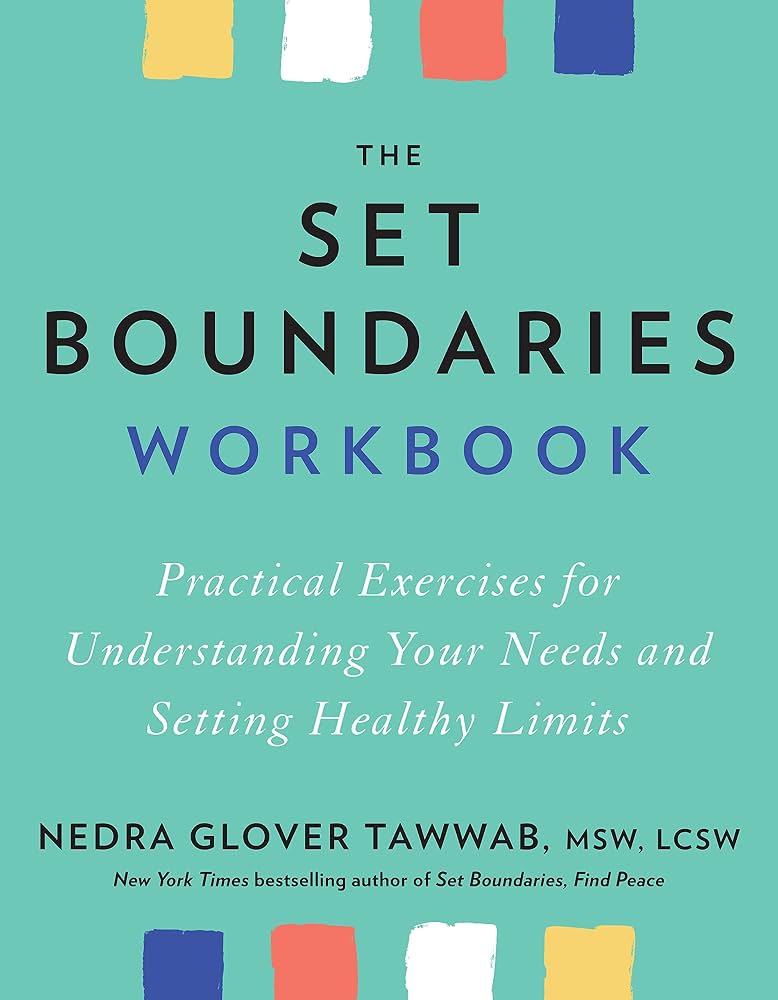
Set Boundaries, Find Peace by Nedra Glover Tawwab teaches starting with self-reflection: List non-negotiables like 'I won't accept name-calling' or 'I need alone time weekly.'
Why it matters: Personal boundaries stem from your values and needs, unique to you.
Steps: 1) Brainstorm triggers. 2) Categorize (emotional/physical). Expect discomfort—it's growth.
💡 Tips:
- •Rate boundaries 1-10 on importance to prioritize.
Step 4: Communicate Boundaries Clearly
Books stress direct, calm statements: 'I won't discuss this when you're angry.' No apologies or justifications needed.
Why it matters: Vague communication invites pushback. Practice scripts build confidence.
Role-play alone or with a trusted friend; expect initial awkwardness fading with reps.
Step 5: Enforce Boundaries Consistently
Lundy Bancroft warns: Enforcement means consequences, like leaving the room or ending contact. Boundaries calls this 'saying no to the bad.'
Why it matters: Words without action teach abusers they can ignore you.
Track enforcement in your journal; celebrate small wins.
⚠️ Warnings:
- •Avoid ultimatums you won't follow.
Step 6: Handle Pushback and Guilt
Abuse books prepare you for resistance: tears, anger, or 'You're selfish!' Reframe guilt as a sign you're breaking free.
Why it matters: Pushback tests resolve; enduring it strengthens you.
Self-compassion exercises from books help: Affirm 'My needs matter.'
💡 Tips:
- •Seek therapy support during intense pushback.
Step 7: Build Self-Esteem for Lasting Boundaries
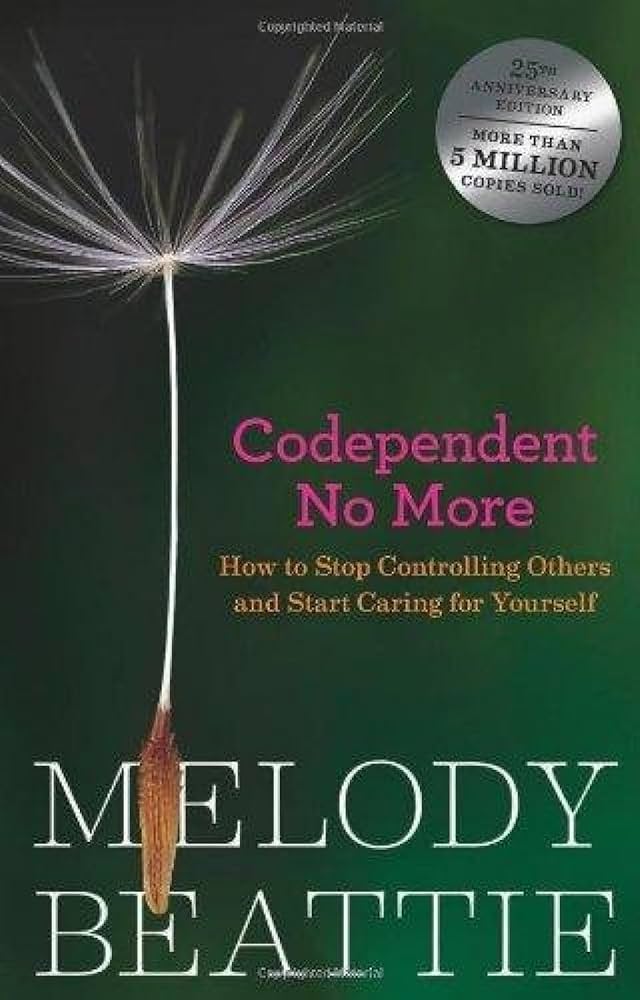
Core teaching: Boundaries require self-worth. Books like Codependent No More guide rebuilding via affirmations and no-contact practice.
Why it matters: Low esteem leads to porous boundaries.
Daily practice yields empowerment over time.
▸Pro Tips
- •Start small: Set one boundary per week to build momentum.
- •Use 'I' statements to own your limits without blame.
- •Visualize boundaries daily via meditation apps.
- •Join online support groups for accountability.
- •Revisit books quarterly for refreshers.
- •Pair boundary work with therapy for deeper healing.
- •Track progress in a dedicated journal.
▸Common Mistakes to Avoid
- •Over-explaining boundaries, which invites debate—keep it brief.
- •Inconsistent enforcement, weakening credibility—follow through always.
- •Ignoring internal guilt as truth, when it's often conditioning—question it.
- •Setting boundaries for others instead of yourself—focus inward.
- •Expecting instant change from abusers—prioritize your safety.
▸Troubleshooting
Problem: Overwhelming guilt after setting a boundary
Solution: Remind yourself: Healthy people respect boundaries. Journal evidence of past violations. Seek a counselor's validation.
Problem: Abuser escalates aggression
Solution: Prioritize safety: Have an exit plan, contact hotlines like National Domestic Violence Hotline (1-800-799-7233). Document incidents.
Problem: Can't identify your boundaries
Solution: Use workbook prompts from recommended books. Start with basics like sleep and alone time.
Problem: Struggling to enforce alone
Solution: Enlist a therapist or support group. Practice role-playing.
Set Boundaries, Find Peace by Nedra Glover Tawwab
Practical workbook-style guide with exercises tailored for abuse survivors to identify and set boundaries.
Best for: Daily reflection and scripting communications.
Price Range: $14.99
Boundaries by Henry Cloud and John Townsend
Biblical yet universal principles on why boundaries matter, with real-life abuse examples.
Best for: Understanding emotional and relational limits.
Price Range: $15.99
Why Does He Do That? by Lundy Bancroft
Exposes abuser tactics and teaches firm boundary enforcement specific to emotional abuse.
Best for: Recognizing violations in controlling relationships.
Price Range: $17.00
The Boundaries Workbook by Lisa Guest
Interactive exercises to practice boundary setting, companion to theory books.
Best for: Hands-on journaling for beginners.
Price Range: $12.99
Codependent No More by Melody Beattie
Addresses people-pleasing in abuse, teaching self-boundaries for recovery.
Best for: Breaking guilt cycles.
Price Range: $16.99