
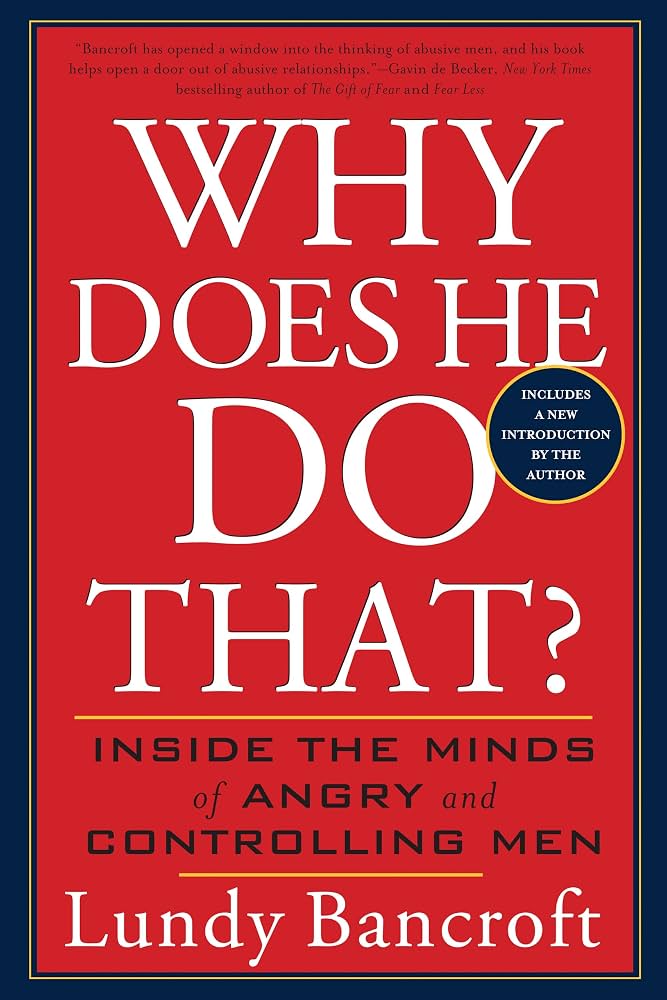
Why Does He Do That? by Lundy Bancroft
Emotional/physical abuse recognition.
$14.99
Why Does He Do That? by Lundy Bancroft Best for decoding abuser tactics, empowering no-contact decisions.
Get the App
Better experience on mobile
Explore top beginner-friendly books that empower healing from emotional, physical, and psychological abuse with practical steps.
Recovering from abuse can feel overwhelming, but you're not alone—millions have found clarity and strength through self-help books tailored for survivors. These resources offer validation, tools, and hope without requiring prior knowledge.
In this guide, you'll learn the best self-help books for abuse recovery, why they work, and how to use them effectively. We'll break down key concepts like trauma processing and boundary-setting, with step-by-step guidance to start your journey.
Expect a beginner-level read (20-30 minutes) that sets a foundation for ongoing healing—no prior therapy needed, but books shine alongside professional support.
Estimated Time: 20-30 minutes to read guide; 1-2 hours per book to start Difficulty: beginner
Begin by recognizing if your experience involves emotional abuse (gaslighting, criticism), physical abuse (violence), psychological abuse (manipulation), or sexual abuse. This clarity guides book selection.
Why it matters: Misidentifying keeps you stuck; books target specific wounds. Expect emotional triggers—pause if needed.
Action: List 3-5 incidents in your journal, categorizing them.
💡 Tips:
⚠️ Warnings:
Safety first: Before diving into books, ensure you're physically safe (e.g., no-contact if needed). Create a support plan with a trusted friend or hotline.
This foundation prevents re-traumatization. Books build on it, teaching self-protection.
Action: Call a hotline like the National Domestic Violence Hotline (1-800-799-7233) and note emergency contacts.
💡 Tips:
⚠️ Warnings:
Lundy Bancroft's Why Does He Do That? demystifies controlling behaviors, using real stories to explain why abusers act irrationally.
Why it aids recovery: Shifts blame from you to their patterns, fostering detachment. Beginners love its straightforward language—no jargon.
Action: Read chapters on entitlement; journal one insight per page.
💡 Tips:
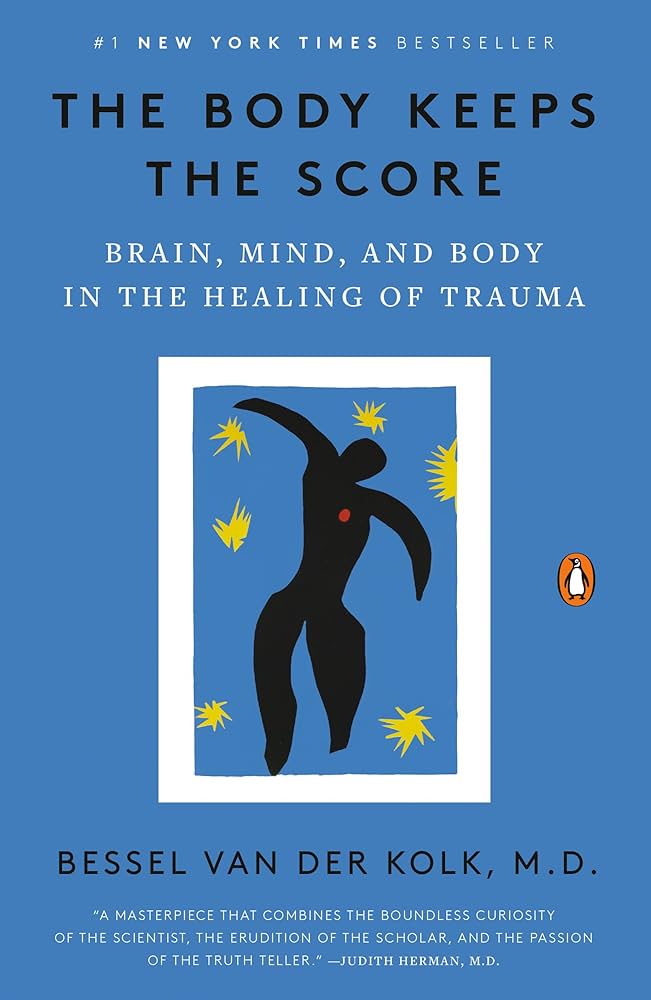
Bessel van der Kolk's The Body Keeps the Score explains how abuse rewires the brain/body, with science-backed healing like yoga and EMDR.
Key benefit: Validates physical symptoms (anxiety, numbness). You'll learn self-soothing techniques immediately.
Action: Try one exercise, like mindful breathing, post-chapter.
💡 Tips:
⚠️ Warnings:
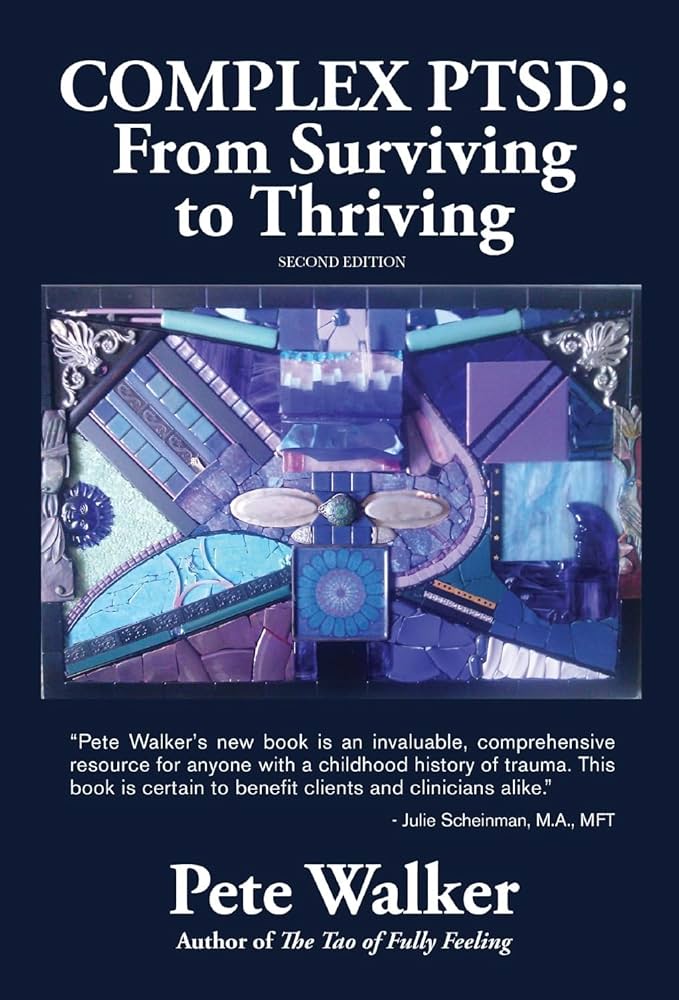
Pete Walker's Complex PTSD: From Surviving to Thriving targets childhood/ongoing abuse, breaking down inner critic and flashbacks.
Why essential: Offers 12-step recovery roadmap with manager, fighter, and child modes.
Action: Identify your 'parts' in a journal; practice one shrink step daily.
💡 Tips:
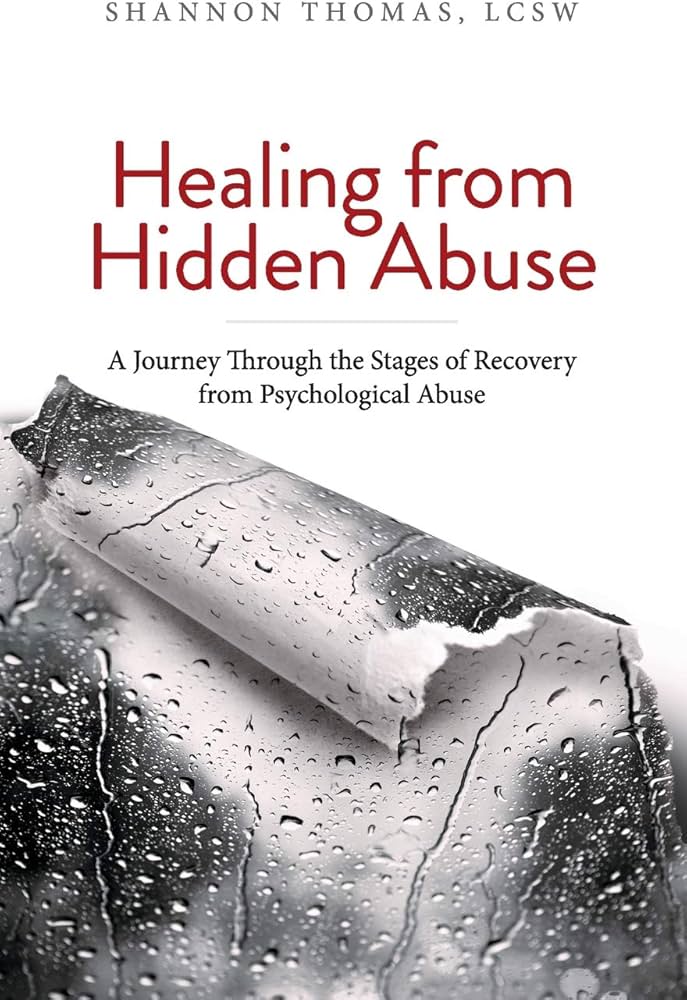
Use Healing from Hidden Abuse by Shannon Thomas for spiritual/emotional scars, focusing on covert abuse like spiritual manipulation.
Impact: Guides grieving the loss and reclaiming identity.
Action: Complete end-of-chapter worksheets on forgiveness myths.
💡 Tips:
⚠️ Warnings:
Ongoing practice: Re-read sections quarterly; combine books (e.g., Bancroft + Walker).
Measure wins like reduced self-doubt. Transition to therapy for depth.
Action: Weekly review: What shifted? Adjust goals.
💡 Tips:
Problem: Feeling more depressed after reading
Solution: Pause book; contact therapist or hotline. Try lighter chapters first.
Problem: Can't relate to examples
Solution: Focus on principles, not stories. Switch books if needed.
Problem: Overwhelmed by exercises
Solution: Do one per day. Use voice notes if writing is hard.
Problem: No progress after a month
Solution: Seek professional help; books + therapy = best results.
Best for decoding abuser tactics, empowering no-contact decisions.
Best for: Emotional/physical abuse recognition.
Price Range: $14.99
Science-based trauma healing with practical body-mind tools.
Best for: Physical symptoms from any abuse.
Price Range: $18.00
Step-by-step for childhood/relational trauma recovery.
Best for: Long-term psychological effects.
Price Range: $24.99
Targets subtle spiritual/emotional abuse with recovery stages.
Best for: Covert or religious abuse.
Price Range: $12.99
Identifies verbal tactics and rebuilds self-worth.
Best for: Gaslighting and criticism.
Price Range: $15.99
Emotional/physical abuse recognition.
Why Does He Do That? by Lundy Bancroft Best for decoding abuser tactics, empowering no-contact decisions.
Physical symptoms from any abuse.
The Body Keeps the Score by Bessel van der Kolk Science-based trauma healing with practical body-mind tools.
Long-term psychological effects.
Complex PTSD: From Surviving to Thriving by Pete Walker Step-by-step for childhood/relational trauma recovery.
Covert or religious abuse.
Healing from Hidden Abuse by Shannon Thomas Targets subtle spiritual/emotional abuse with recovery stages.
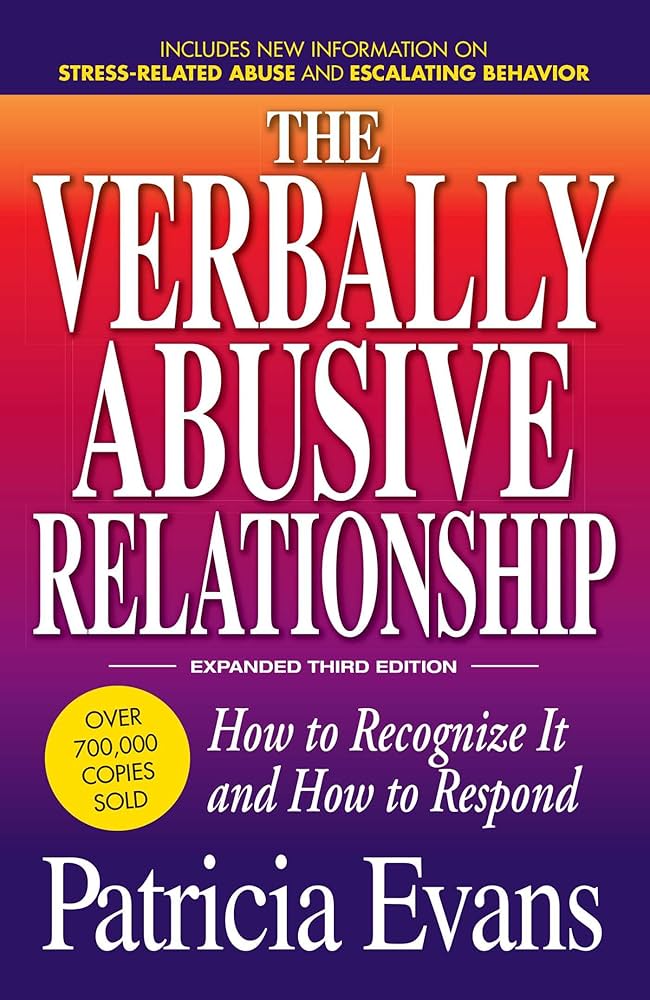
Gaslighting and criticism.
The Verbally Abusive Relationship by Patricia Evans Identifies verbal tactics and rebuilds self-worth.