Stainless steel sinks are durable and stylish, but everyday grime, water spots, and hard water stains can make them look dull and scratched. Using the wrong abrasive—like steel wool or harsh scouring powders—can ruin the protective finish, leading to permanent scratches and rust spots. This guide helps beginners avoid these pitfalls.
You'll learn the types of abrasives safe for stainless steel, how to choose and test them, and step-by-step methods to clean effectively. By the end, your sink will gleam without damage. This explainer takes 10-15 minutes to read, with cleaning demos under 20 minutes—perfect for beginners with no special skills needed.
We'll cover everything from basics to pro tips, ensuring you confidently maintain your sink for years.
▸What You'll Need
- •Soft microfiber cloths or non-scratch sponges
- •Mild dish soap
- •Warm water
- •Safe abrasives (e.g., Bar Keepers Friend, baking soda)
- •Optional: Spray bottle for solutions
Estimated Time: 10-20 minutes to read and first clean
Difficulty: beginner
▸Step-by-Step Instructions
Step 1: Understand Your Sink's Finish
Stainless steel sinks come in finishes like brushed (satin) or mirror-polished. Brushed is common in homes—it's textured to hide scratches but still vulnerable to deep gouges.
Why it matters: Abrasives must match the finish. Harsh ones strip the chromium oxide layer, causing corrosion. Expect subtle grain patterns; test in a corner first.
Image description: Close-up of brushed vs. polished stainless steel sink surfaces with labels.
💡 Tips:
- •Check manufacturer label for finish type.
⚠️ Warnings:
- •Avoid assuming all stainless is the same.
Step 2: Know Abrasive Grit Levels
Abrasives are graded by grit: Fine (600+ for polishing), medium (320-600 for cleaning), coarse (under 320—avoid!). Analogy: Like sandpaper—coarse tears paper, fine smooths it.
Safe for sinks: Fine to medium only. Steel wool (#0000 grade) is ultra-fine and okay sparingly, but skip regular (#0). Baking soda or powdered cleansers are naturally mild.
Expect: Light scrubbing removes stains without visible marks if done right.
💡 Tips:
- •Rub on your palm first to feel grit.
Step 3: Safe Abrasives for Everyday Use
Top safe options:
- •Baking soda paste: Gentle abrasive, cuts grease.
- •Bar Keepers Friend powder: Oxalic acid + mild abrasive.
- •Bon Ami or Soft Scrub: Quartz-free powders.
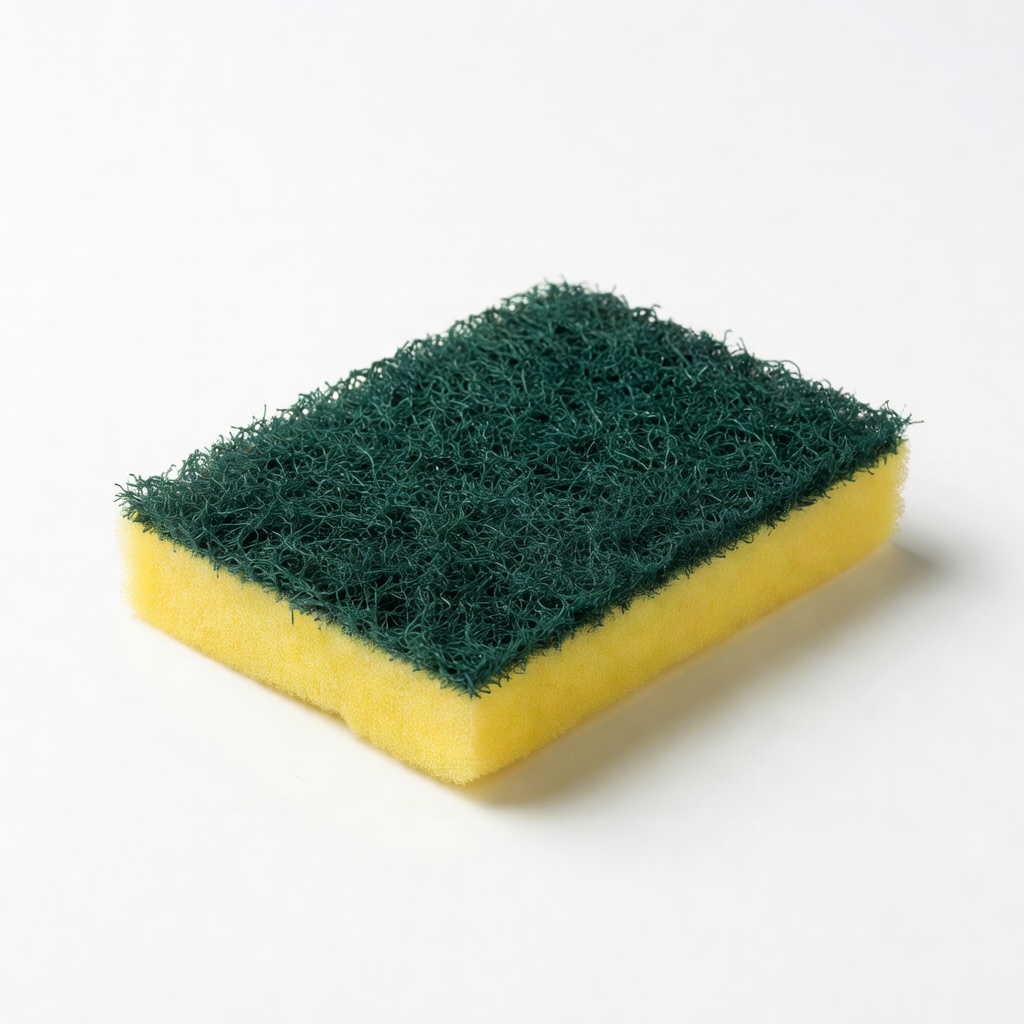
- •Green Scotch-Brite pads: Non-scratch synthetic.
Why: They lift stains via micro-abrasion without deep scratches. Avoid: Comet, Ajax (silica too harsh), steel wool (#0+), Brillo pads.
💡 Tips:
- •Mix baking soda with water or vinegar for paste.
⚠️ Warnings:
- •Never dry-scrub; always wet surface.
Step 4: Test Abrasives Safely
Dab abrasive on a hidden spot (under rim). Scrub gently with grain (up/down, not circles). Rinse, dry, check for haze/scratches under light.
Why: Stainless grain hides micro-scratches initially. Wait 5 mins; rub finger—if smooth, good.
Expect: No cloudiness means safe. Repeat on stain area.
Step 5: Clean with Safe Abrasive
Wet sink with soapy water. Apply paste/powder, scrub lightly with grain using soft sponge/pad. Rinse thoroughly.
Why: Soap loosens grime; abrasive tackles residue. For tough stains, let sit 1-2 mins.
Buff dry with microfiber for shine—no streaks.
💡 Tips:
- •Scrub in short strokes following grain.
⚠️ Warnings:
- •Rinse immediately to avoid etching.
Step 6: Polish for Lasting Shine
After cleaning, apply stainless polish (e.g., Flitz). Buff with clean microfiber.
Why: Seals surface, repels water. Analogy: Wax on a car.
Expect: Mirror-like reflection; hydrophobic effect.
Step 7: Maintain to Prevent Stains
Daily: Wipe with vinegar-water (1:1). Weekly: Mild abrasive clean.
Why: Prevents buildup. Your sink stays pristine longer.
▸Pro Tips
- •Always scrub with the grain—like petting a cat the right way.
- •Use a spray bottle for even wetting; saves water.
- •Add lemon juice to baking soda for natural polish.
- •Microfiber cloths trap 98% more dirt than cotton.
- •For water spots, vinegar soak first, then abrasive.
- •Clean after use to avoid baked-on grime.
- •Pro tip: Warm sink with hot water first for easier cleaning.
▸Common Mistakes to Avoid
- •Using steel wool or harsh pads—causes visible scratches; stick to #0000 or synthetics.
- •Circular scrubbing—creates swirl marks; always linear with grain.
- •Not rinsing fully—leaves residue that etches; double-rinse.
- •Dry application—scratches dry metal; always wet.
- •Skipping polish—shine fades fast; buff after every clean.
▸Troubleshooting
Problem: New scratches appeared
Solution: Use finer polish like Flitz to buff out; avoid future coarse abrasives. If deep, pro refinishing needed.
Problem: Cloudy haze after cleaning
Solution: Wipe with vinegar; residue from hard water. Polish next.
Problem: Stains won't budge
Solution: Let abrasive sit 5 mins, reapply. For rust, CLR safe for stainless.
Problem: Sink rusts after cleaning
Solution: Chlorine or bleach residue; thorough rinse + dry. Seek pro if pitting.
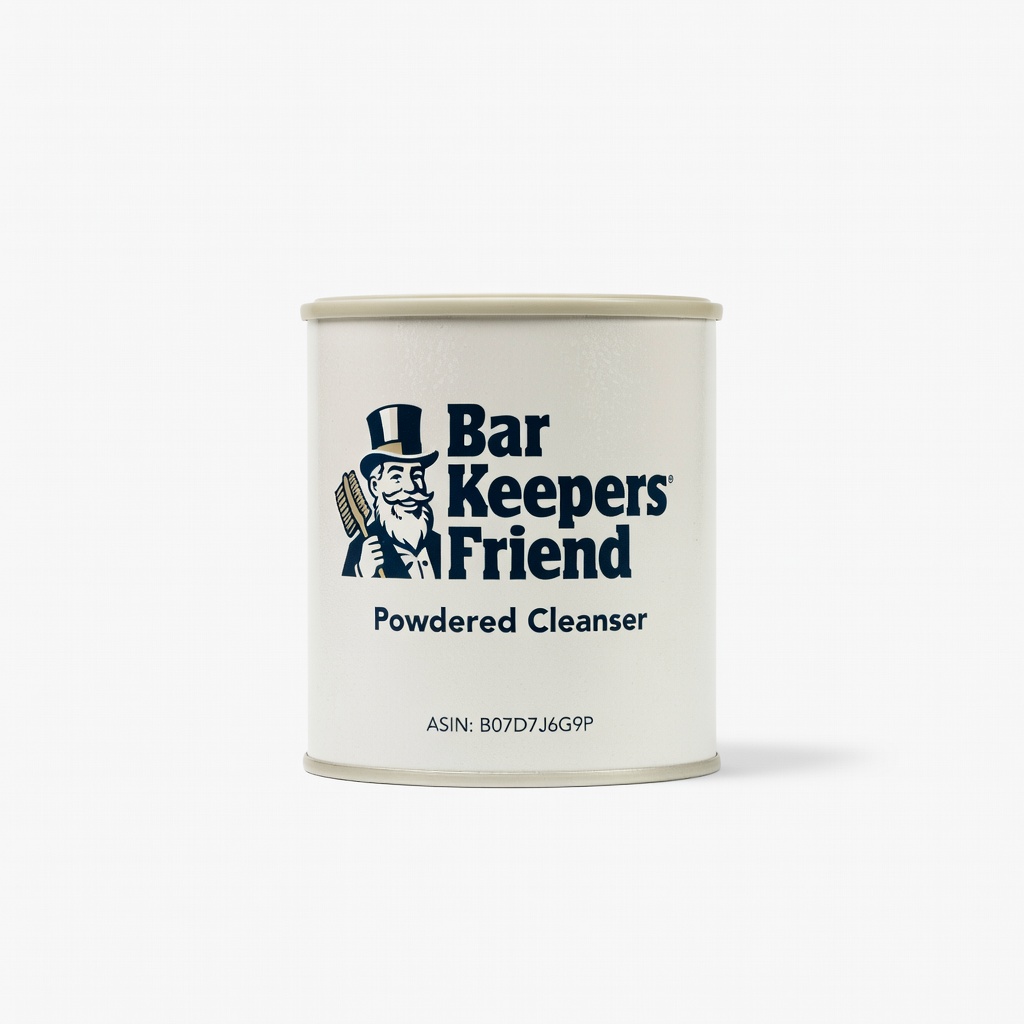
Bar Keepers Friend Powdered Cleanser (ASIN: B07D7J6G9P)
Mild oxalic acid abrasive safely removes stains without scratching; top-rated for sinks.
Best for: Tough stains, burnt-on food; sprinkle, scrub, rinse.
Price Range: $6-8
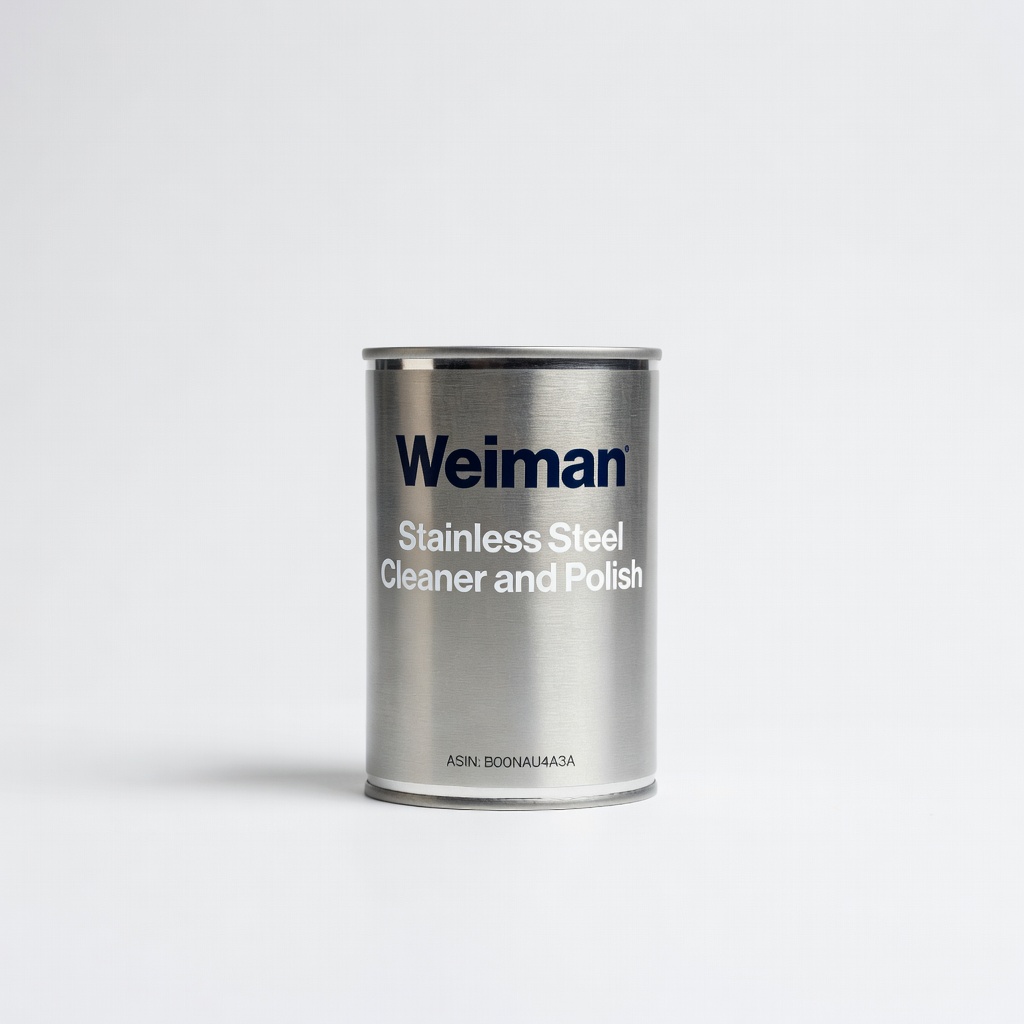
Weiman Stainless Steel Cleaner and Polish (ASIN: B00NAU4A3A)
Non-abrasive formula with polish; protects and shines without grit risk.
Best for: Daily maintenance and water spot removal; spray and buff.
Price Range: $10-15
Scotch-Brite Heavy Duty Scour Pad (ASIN: B07B4K2Z3S)
Non-scratch synthetic fibers; perfect mild abrasive partner.
Best for: Scrubbing with pastes; green pad only.
Price Range: $4-6 for 6-pack
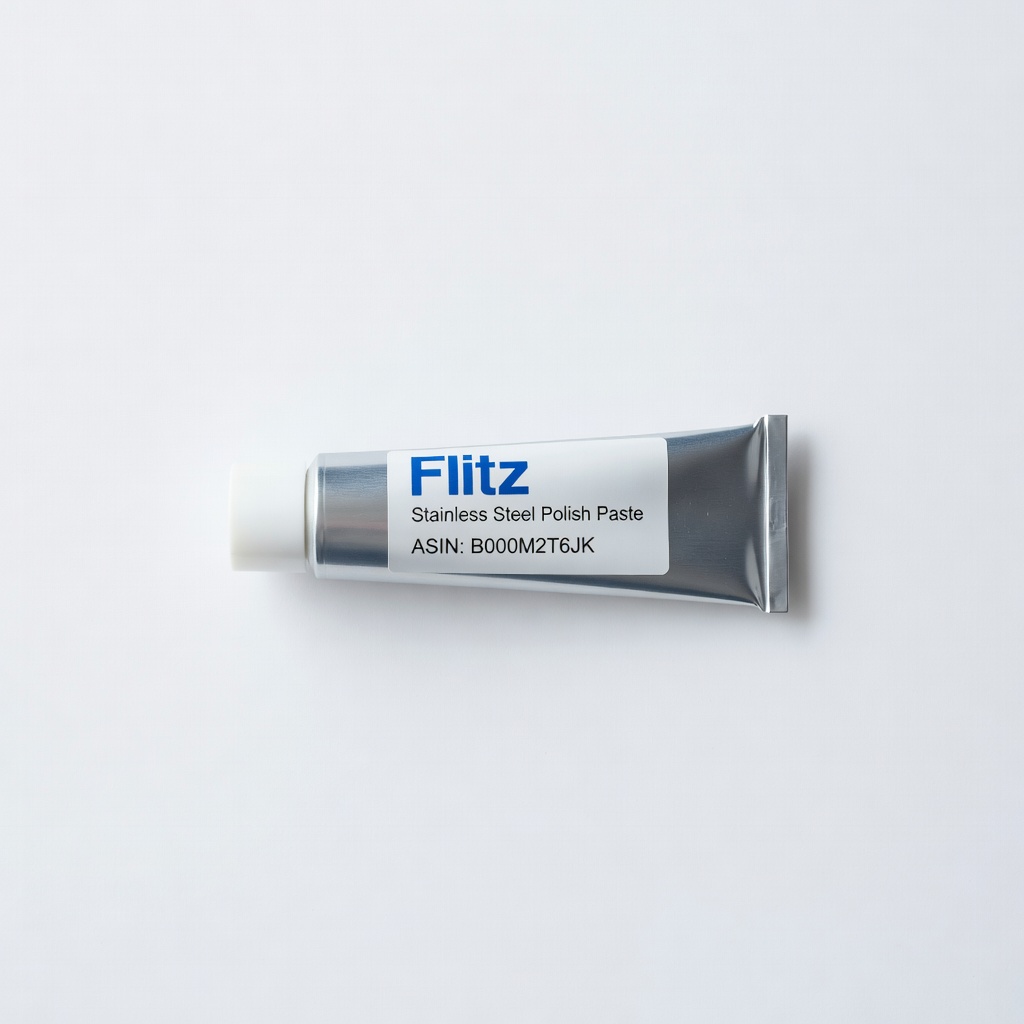
Flitz Stainless Steel Polish Paste (ASIN: B000M2T6JK)
Ultra-fine polish restores shine; removes light scratches.
Best for: Final buffing after cleaning; fingertip application.
Price Range: $12-15
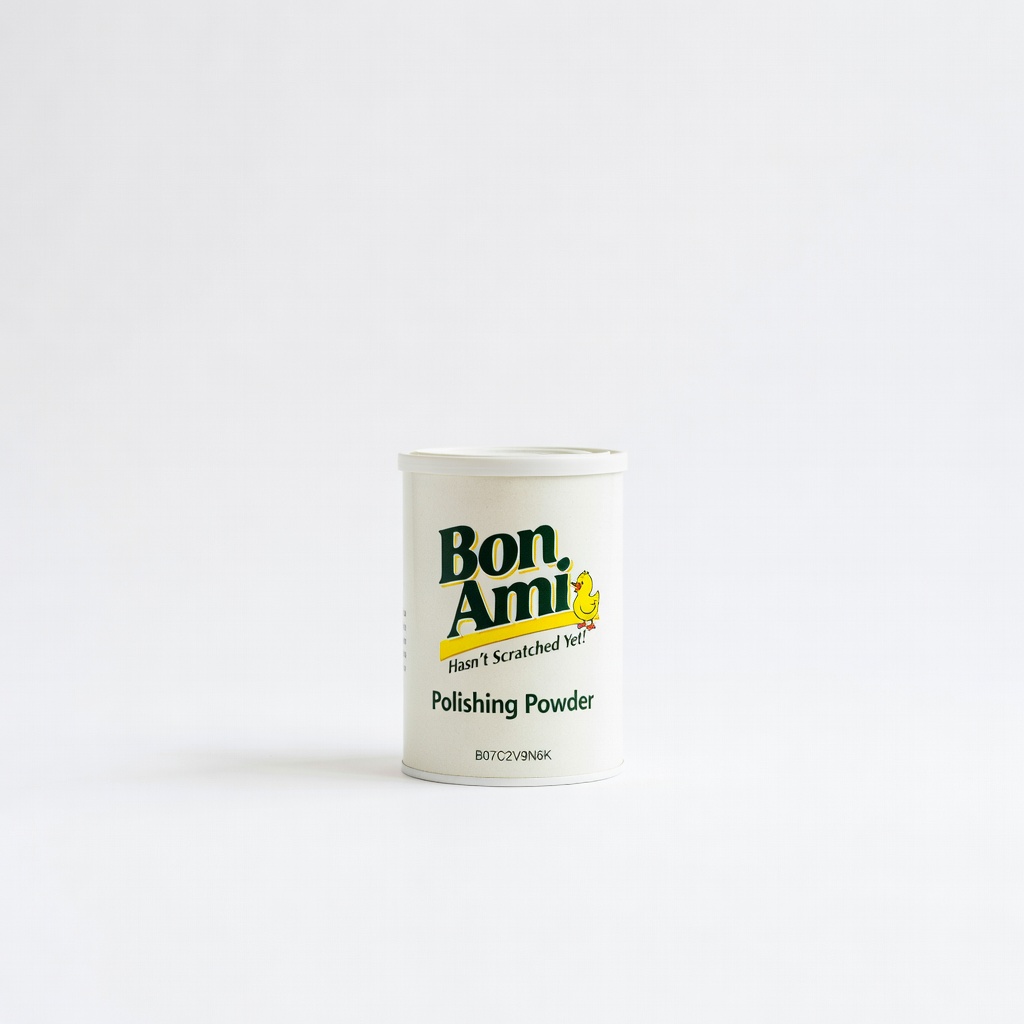
Bon Ami Polishing Powder (ASIN: B07C2V9N6K)
Natural feldspar abrasive; eco-friendly, scratch-free.
Best for: Gentle daily cleans; budget alternative.
Price Range: $3-5