
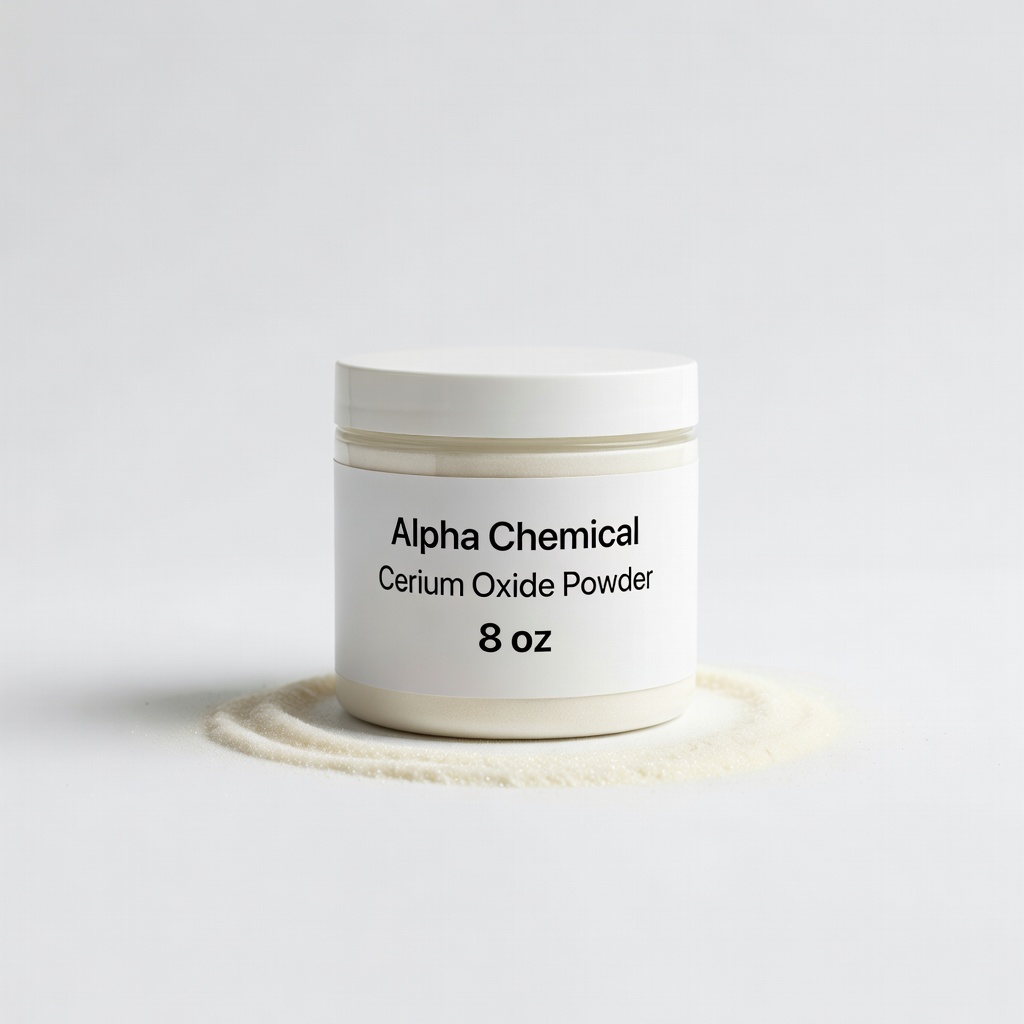
Alpha Chemical Cerium Oxide Powder 8 oz
Restoring headlights, windows, mirrors—mix into slurry.
$14.99
Alpha Chemical Cerium Oxide Powder 8 oz Top-rated for chemical-mechanical polishing; ultra-fine particles won't scratch glass.
Get the App
Better experience on mobile
Learn safe abrasives like cerium oxide that polish glass to perfection without causing scratches, perfect for DIY restoration.
Scratched glass on windows, mirrors, phone screens, or auto glass can ruin the look and clarity of your surfaces, often leading to costly replacements. Many DIYers grab common household abrasives like toothpaste or baking soda, only to make things worse with micro-scratches. This guide explains the science behind safe abrasives, helping you restore glass safely.
You'll learn the Mohs hardness scale, glass's properties, top non-scratching abrasives, and how to test and apply them. By the end, you'll confidently polish glass without damage. This intermediate explainer takes 15-20 minutes to read and apply concepts—no advanced tools needed.
Estimated Time: 15-20 minutes Difficulty: intermediate
The Mohs scale measures mineral hardness from 1 (talc) to 10 (diamond). Abrasives harder than the surface can scratch it. Glass (soda-lime type) rates 5.5, so anything above 6 risks damage unless particles are ultra-fine (<1 micron).
This scale is key because abrasives like quartz (7) will gouge glass, while softer or chemically reactive ones polish safely. Expect to reference it for all polishing projects.
💡 Tips:
⚠️ Warnings:
Glass is amorphous silica (SiO2), brittle, and prone to micro-scratches from particles >5 microns. It polishes via abrasion + chemical reaction, not just grinding.
Unlike metals, glass needs lubricated, low-pressure polishing to avoid heat cracks. Expect a hazy finish initially that clears with finer grits.
💡 Tips:
Safe abrasives have particle sizes <3 microns, Mohs ≤6, or chemical polishing action (e.g., cerium oxide reacts with glass). They remove oxidation without digging in.
Look for 'optical grade' or 'glass-specific' labels. Why it matters: Coarse grits (e.g., 600 grit = 25 microns) create visible scratches under light.
⚠️ Warnings:
Cerium oxide (CeO2, Mohs 6) is #1 for glass—its particles break down during use, chemically etching scratches away. Mix 1:1 with water into slurry.
Expect 10-30 minutes per sq ft for light scratches. It's used by pros for headlights and windshields.
💡 Tips:
Alternatives: Diamond compounds (0.5-3 microns, Mohs 10)—safe due to tiny size; Jeweler's rouge (iron oxide, Mohs 5.5) for final buff; Aluminum oxide (1200+ grit) sparingly.
These mimic cerium's action. Diamond excels on tempered glass like phones.
💡 Tips:
Unsafe: Sandpaper (silica, Mohs 7), baking soda (can embed), toothpaste (hydrated silica >10μ), steel wool, pumice (unless 5000+ grit).
They leave swirl marks visible at angles. Common in myths but proven scratchers in tests.
⚠️ Warnings:
Rub abrasive slurry on glass corner under magnification. Inspect at 10x for haze/scratches. No marks? Safe.
Why: Real-world validation beats specs. Takes 2 minutes per test.
💡 Tips:
Wet polish with light pressure, 1000-2000 RPM if powered. Finish with buffing compound. Expect 90% scratch removal on mild damage.
Multi-stage: Coarse → fine → polish.
⚠️ Warnings:
Problem: Hazy finish after polishing
Solution: Switch to finer grit (0.5μ) and buff longer; clean surface first.
Problem: Micro-scratches appear
Solution: Abrasive too coarse—verify <3μ and test again; use cerium oxide.
Problem: No improvement on deep scratches
Solution: Glass too damaged—sand lightly first (if expert) or replace; pro etching may be needed.
Top-rated for chemical-mechanical polishing; ultra-fine particles won't scratch glass.
Best for: Restoring headlights, windows, mirrors—mix into slurry.
Price Range: $14.99
Mild abrasive formula safe for glass; removes light oxidation without swirls.
Best for: Quick touch-ups on glass tables, showers, auto glass.
Price Range: $11.99
Plastic-safe but excels on glass; fine abrasives fill micro-scratches.
Best for: Phone screens, eyeglasses, aquarium glass.
Price Range: $9.99
Precise grit size guarantees no scratches on hard glass.
Best for: Professional finishing on tempered glass or optics.
Price Range: $19.99
Soft iron oxide (Mohs 5.5) for final buff without abrasion.
Best for: High-shine finish after cerium oxide.
Price Range: $9.99
Restoring headlights, windows, mirrors—mix into slurry.
Alpha Chemical Cerium Oxide Powder 8 oz Top-rated for chemical-mechanical polishing; ultra-fine particles won't scratch glass.
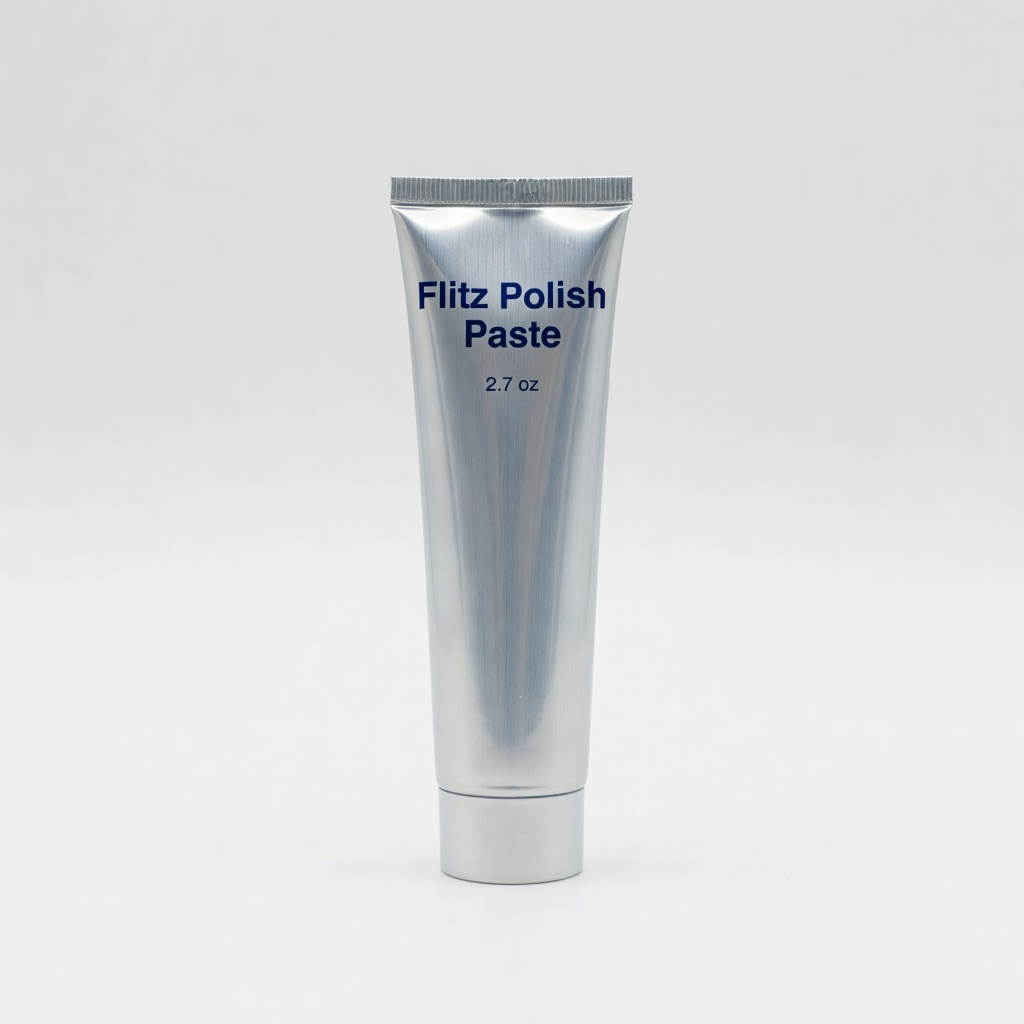
Quick touch-ups on glass tables, showers, auto glass.
Flitz Polish Paste 2.7 oz Mild abrasive formula safe for glass; removes light oxidation without swirls.
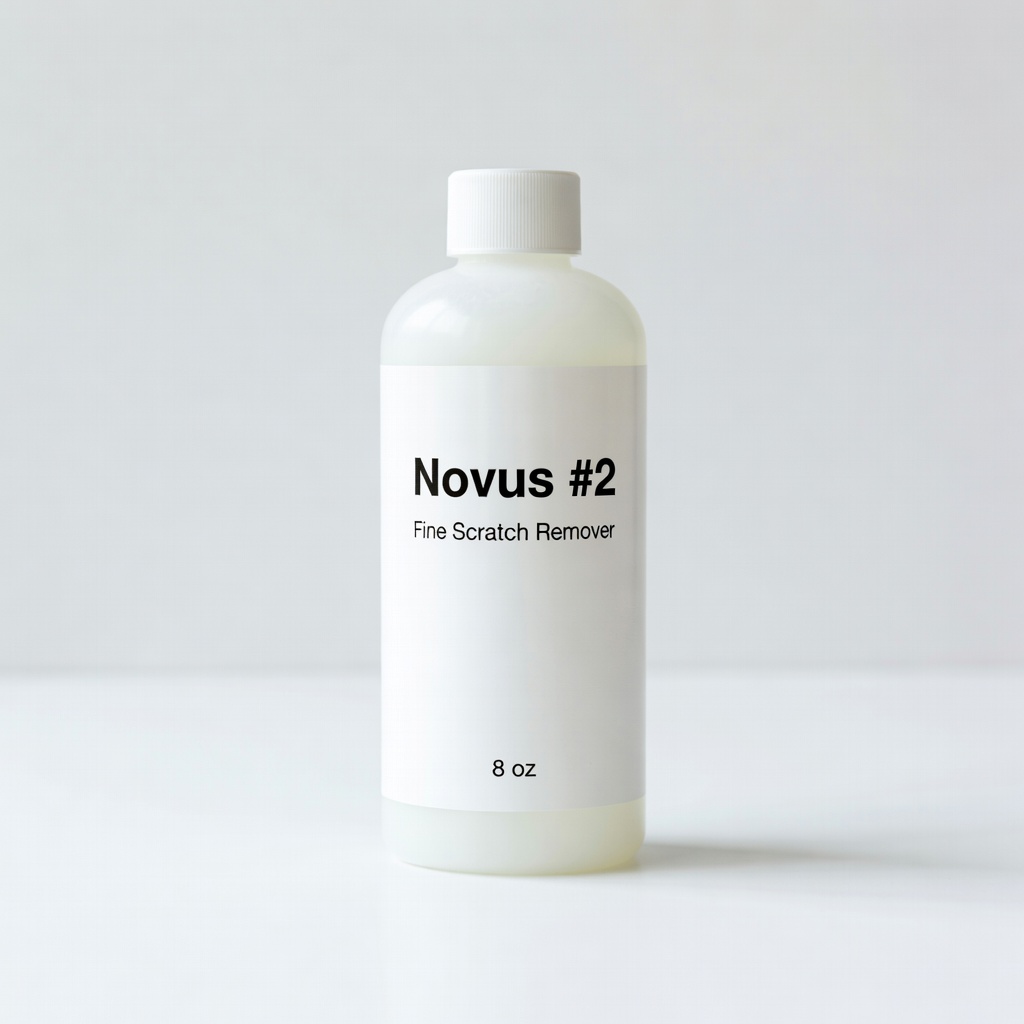
Phone screens, eyeglasses, aquarium glass.
Novus #2 Fine Scratch Remover 8 oz Plastic-safe but excels on glass; fine abrasives fill micro-scratches.
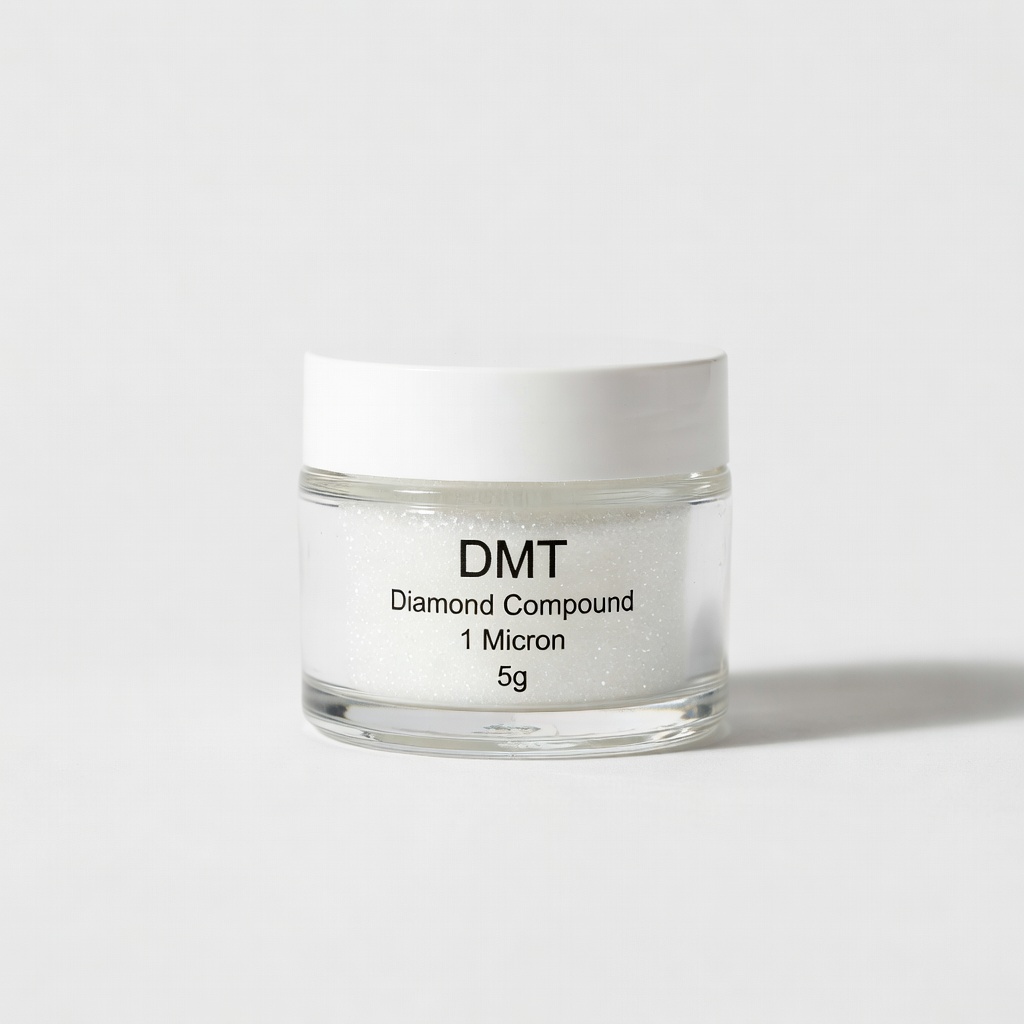
Professional finishing on tempered glass or optics.
DMT Diamond Compound 1 Micron 5g Precise grit size guarantees no scratches on hard glass.
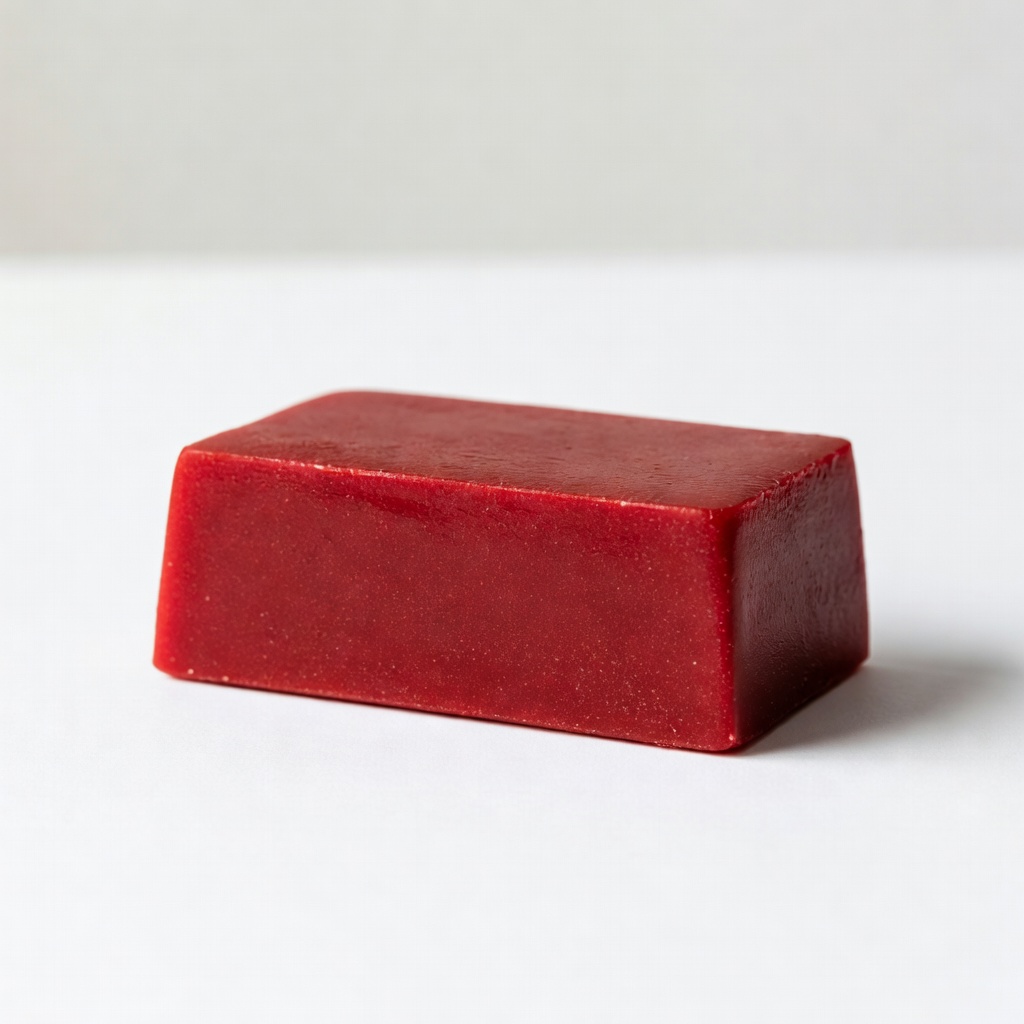
High-shine finish after cerium oxide.
Jeweler's Rouge Polishing Compound Soft iron oxide (Mohs 5.5) for final buff without abrasion.