Choosing the wrong abrasive grit size during automotive paint correction can turn a simple scratch fix into a nightmare of deeper swirls, holograms, or even paint burn-through. Intermediate detailers often struggle with this, leading to wasted time and money on rework. This guide breaks it down simply.
You'll learn grit basics, how to match sizes to defect severity, a step-by-step progression, and pro tips for flawless results. By the end, you'll confidently select grits for any paint job, saving hours and achieving mirror-like finishes.
Expect a straightforward explainer—no prior sanding experience needed beyond basic polishing knowledge. Perfect for weekend warriors tackling real-world defects like rock chips or swirl marks.
▸What You'll Need
- •Dual-action (DA) polisher or rotary polisher (required for disc use)
- •Lubricant or water spray bottle (for wet sanding)
- •Assorted abrasive discs or sanding paper in 1000-5000 grit range (hook-and-loop or PSA style)
- •Microfiber towels and clay lube (for prep)
- •Compound and polish (to follow sanding)
- •Prerequisite: Basic knowledge of paint correction stages (cutting, polishing, finishing)
Estimated Time: 15-20 minutes to read and reference
Difficulty: intermediate
▸Step-by-Step Instructions
Step 1: Understand Grit Size Basics
Grit size refers to the abrasive particle diameter on discs or paper—measured in numbers like 1000 or 3000. Lower numbers = coarser (bigger particles, aggressive cut for deep defects). Higher numbers = finer (smaller particles, smoother finish).
Think of it like sandpaper on wood: 400 grit rips off material fast but leaves scratches; 2000 grit refines without deep marks. In automotive paint correction, grits level clear coat imperfections progressively.
Expect visible material removal with coarse grits; finer ones haze the surface for polishing.
💡 Tips:
- •Memorize: Below 1500 = heavy cut; 3000+ = finishing.
Step 2: Assess Paint Defect Severity
Inspect under bright LED lights or sunlight. Categorize defects:
- •Severe (deep scratches, chips >0.1mm deep): Start 800-1500 grit.
- •Moderate (swirls, light scratches): 2000-3000 grit.
- •Light (haze, oxidation): 4000-6000 grit.
Why it matters: Too coarse destroys thin clear coat (typical 1.5-2 mils thick); too fine wastes time. Use fingernail test—catching means deep.
⚠️ Warnings:
- •Never guess—test on inconspicuous area.
Step 3: Select Grit for Heavy Cutting Stage
Use 800-1500 grit for aggressive defect removal. Hook-and-loop discs on a low-speed DA (3000-4000 OPM) or wet sand by hand/rotary.
Apply water liberally, work 2x2 ft sections in straight lines (not circles to avoid swirls). Wipe often to check progress—stop when scratch is flush.
This stage removes 70% of material; expect cloudy surface ready for refinement.
💡 Tips:
- •Wet sanding prevents heat buildup and clogging.
Step 4: Step Up to Medium Grit Refinement
2000-3000 grit levels the heavy cut scratches. Same technique, but lighter pressure.
Why? Each finer grit halves the previous scratches, bridging to polish-ready surface. Inspect every pass—full coverage when no 1500 lines visible.
Time per panel: 5-10 mins; surface will haze but smooth.
⚠️ Warnings:
- •Skip steps = visible sanding marks in polish.
Step 5: Finish with Fine Grit Polishing Prep
4000-6000+ grit creates gloss base. Ultra-fine discs or paper for final leveling.
Light pressure, more passes. Surface should gleam dully—no scratches felt by finger.
Transition to compound: This grit mimics heavy-cut polish abrasiveness safely.
💡 Tips:
- •Use speed 3-4 on DA for control.
Step 6: Follow with Compound and Polish
After sanding progression, apply cutting compound on foam/microfiber pad (effective 3000 grit equiv.), then polish (6000+ equiv.).
Buff off residue; inspect for holograms. Why? Grits prep; chemicals refine.
Full correction: 1-2 hours per panel.
Step 7: Verify and Protect Results
Final inspection: Clay bar, polish under lights. Apply wax/sealant.
Measure gloss with meter if pro—aim 90+ GU. Results last 6-12 months with proper care.
💡 Tips:
- •Document before/after for practice.
▸Pro Tips
- •Always wet sand with flow—dries fast, clogs discs.
- •Work in shade; heat warps paint.
- •Use painter's tape on edges to avoid thinning trim.
- •Step up grits in halves: 1500 → 2500 → 4000.
- •Lubricate heavily: Dish soap + water mix.
- •Low speed high pressure for cut; high speed low for finish.
- •Store discs flat; humidity ruins them.
▸Common Mistakes to Avoid
- •Starting too coarse (e.g., 500 grit) → burns through clear coat; test thickness first.
- •Circular motions → swirls; always straight/cross-hatch.
- •Dry sanding → heat/clog → holograms; always wet.
- •Skipping steps → sanding marks show in sunlight.
- •Overworking one grit → thin paint; change every 2 panels.
▸Troubleshooting
Problem: Holograms or micro-marring after grit
Solution: Revert to one finer grit pass or polish with microfiber disc; polish longer.
Problem: Disc clogs quickly
Solution: Use more lubricant, clean with air/soap between panels.
Problem: Paint burns/hot spots
Solution: Stop immediately, cool with water; switch to finer grit or DA only.
Problem: Uneven finish
Solution: Ensure even pressure/coverage; overlap passes 50%.
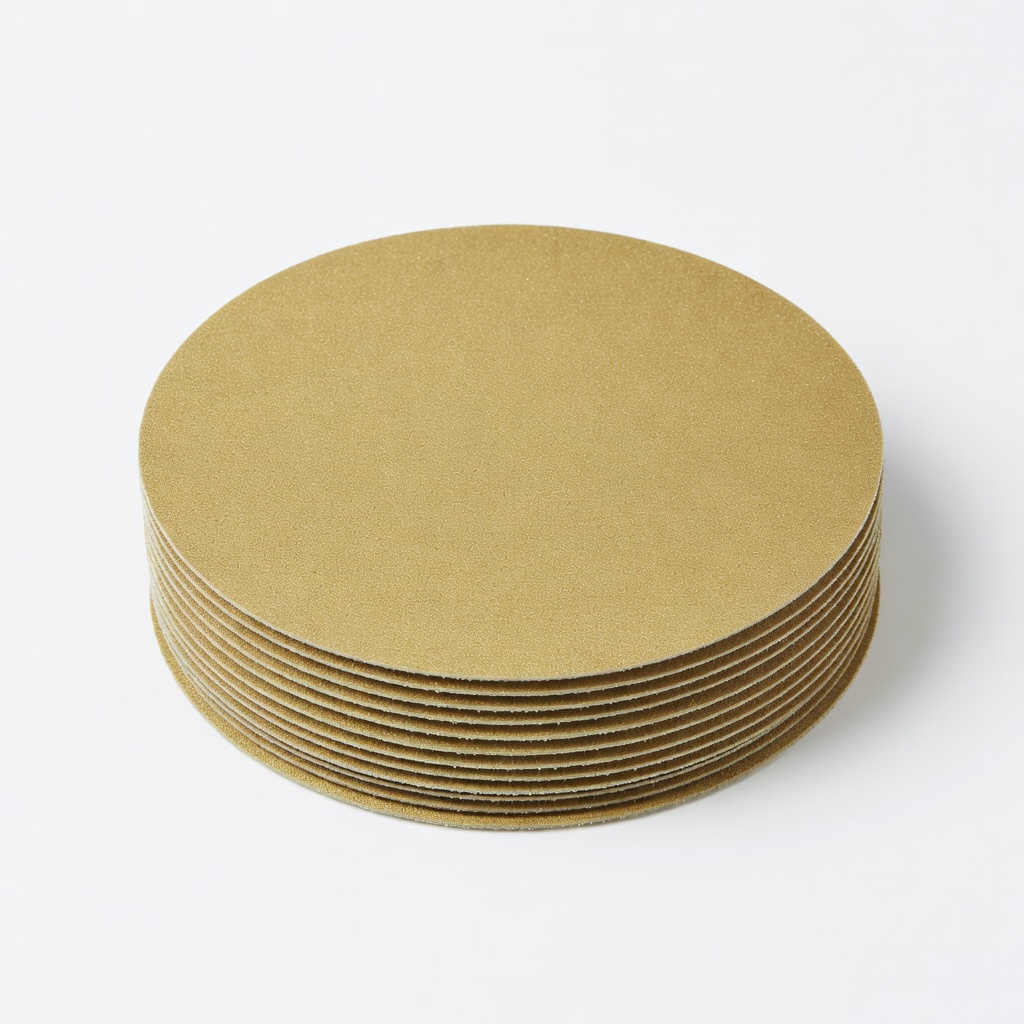
3M Hookit Gold P1500 Wet/Dry Sanding Discs (6", 10-Pack)
Perfect starter coarse grit for heavy defects; premium aluminum oxide cuts fast without gouging modern clear coats.
Best for: Initial heavy cutting on oxidized or chipped paint.
Price Range: $20-$25
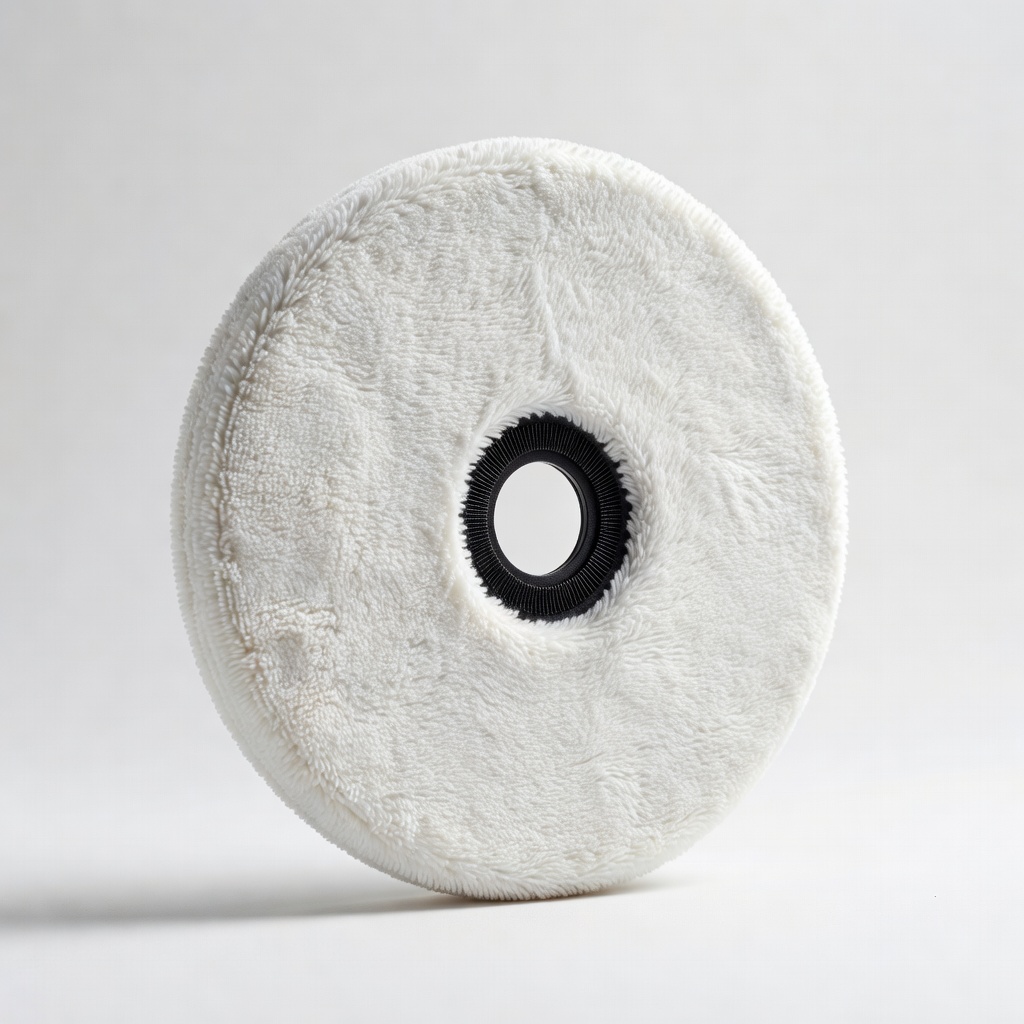
Meguiar's M1106 DA Microfiber Cutting Disc (6")
Equivalent to 2000-3000 grit; hook-and-loop for DA polishers, aggressive yet safe for intermediate users.
Best for: Medium refinement without water mess.
Price Range: $12-$15
Rupes Coarse Skoring Pad (BigFoot 150mm)
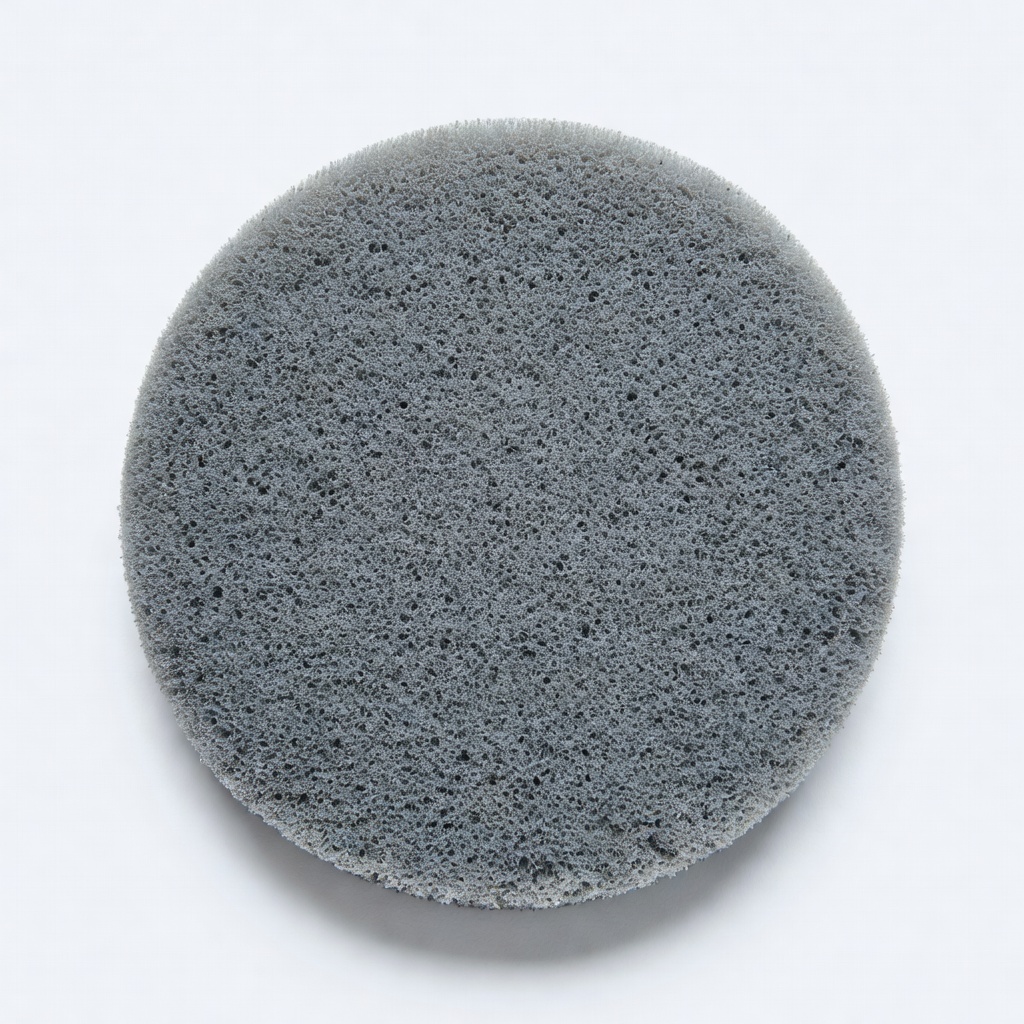
Durable abrasive disc (coarse grit level) for rotary/DA; self-leveling for pro finishes.
Best for: Heavy correction on large panels; long-lasting.
Price Range: $25-$30
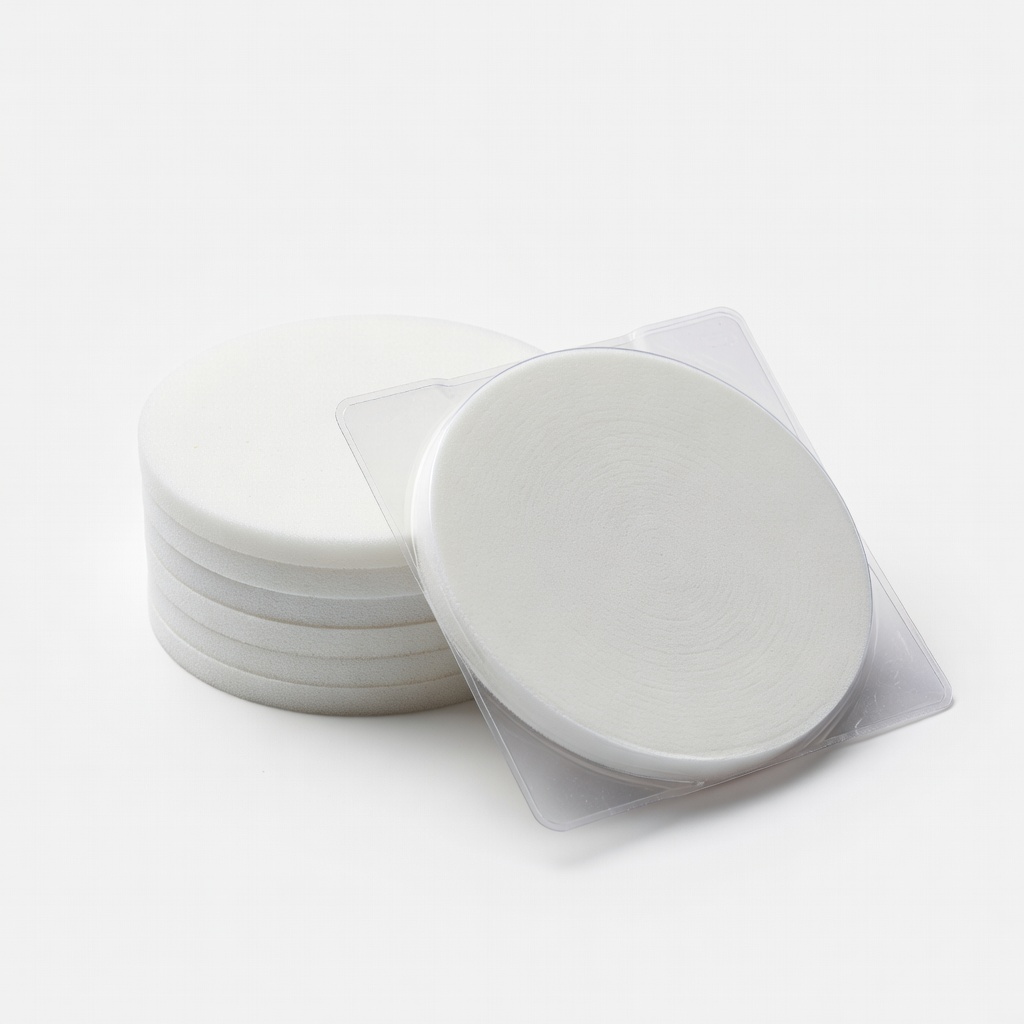
3M Perfect-It P3000 Finishing Disc (6", Pack)
Fine 3000 grit for prep to polish; minimizes haze for high-gloss results.
Best for: Final leveling before compounding.
Price Range: $18-$22
Lake Country HDO Orange Cutting Pad (5.5")
Heavy cut pad (grit-like aggression) pairs with compounds; CCS tech reduces sling.
Best for: Post-grit compounding stage.
Price Range: $10-$15