Stainless steel is prized for its durability and shine, but using the wrong abrasives can embed iron particles, leading to rust spots and costly rework. Whether you're a DIYer polishing kitchenware or a beginner fabricator prepping parts, choosing the right abrasives ensures a flawless finish that lasts.
In this guide, you'll discover stainless steel-safe abrasives, grit progressions, and application tips. We'll break down types like non-woven pads and flap discs, explain why they work, and recommend beginner-friendly products. Expect to gain the knowledge to achieve satin, brushed, or mirror finishes in under an hour of hands-on practice.
No advanced skills needed—this beginner explainer uses simple analogies and real-world examples to demystify the process.
▸What You'll Need
- •Safety glasses and gloves (required for protection)
- •Stainless steel workpiece (e.g., sheet or tube)
- •Variable-speed angle grinder or orbital sander (required for discs/belts)
- •Power drill or die grinder (optional for small areas)
- •Water or lubricant spray (optional for wet sanding)
- •Clean microfiber cloths for wiping
Estimated Time: 15-20 minutes to read; 30-60 minutes for first practice
Difficulty: beginner
▸Step-by-Step Instructions
Step 1: Understand Stainless Steel Basics
Stainless steel contains chromium for rust resistance, but it's soft compared to other metals and prone to 'ferrite contamination' from iron-based abrasives. Think of it like seasoning a pan—wrong tools leave residue that spoils the finish.
Key property: Passive oxide layer protects it, but scratches expose metal needing progressive refinishing. Start here to avoid common pitfalls like rust blooms.
💡 Tips:
- •Test on scrap first to see surface response.
Step 2: Why Avoid Iron-Contaminated Abrasives
Carbon steel brushes or cheap wire wheels shed iron particles that rust on stainless, creating pinholes. Analogy: Like using a rusty knife on fresh fruit—it stains irreversibly.
Safe abrasives use aluminum oxide, zirconia alumina, ceramic, or nylon fibers free of iron. Always check labels for 'stainless steel approved.'
⚠️ Warnings:
- •Never use steel wool or carbon brushes—permanent damage risk.
Step 3: Learn Abrasive Types for Stainless
Coated Abrasives: Sandpaper discs/belts (e.g., 120-400 grit) for initial stock removal. Fast but clogs easily.
Bonded Abrasives: Flap discs/wheels for blending scratches. Flexible flaps conform to curves.
Non-Woven Abrasives: Scotch-Brite-style pads for final satin finish. No gouging, uniform pattern.
Each builds on the last for directional brushing.
💡 Tips:
- •Match backing to your tool (hook-and-loop for sanders).
Step 4: Master Grit Progression
Grits act like sandpaper teeth—coarse (80-120) removes welds, medium (180-320) blends, fine (400+) polishes. Progress sequentially, doubling grit each time (e.g., 120 → 240 → 400).
Why? Skips cause visible scratches; example: Jump from 80 to 320 leaves 'tramlines.' Aim for uniform pattern at 45° or 90° angles.
Step 5: Apply Non-Woven Pads for Finishing
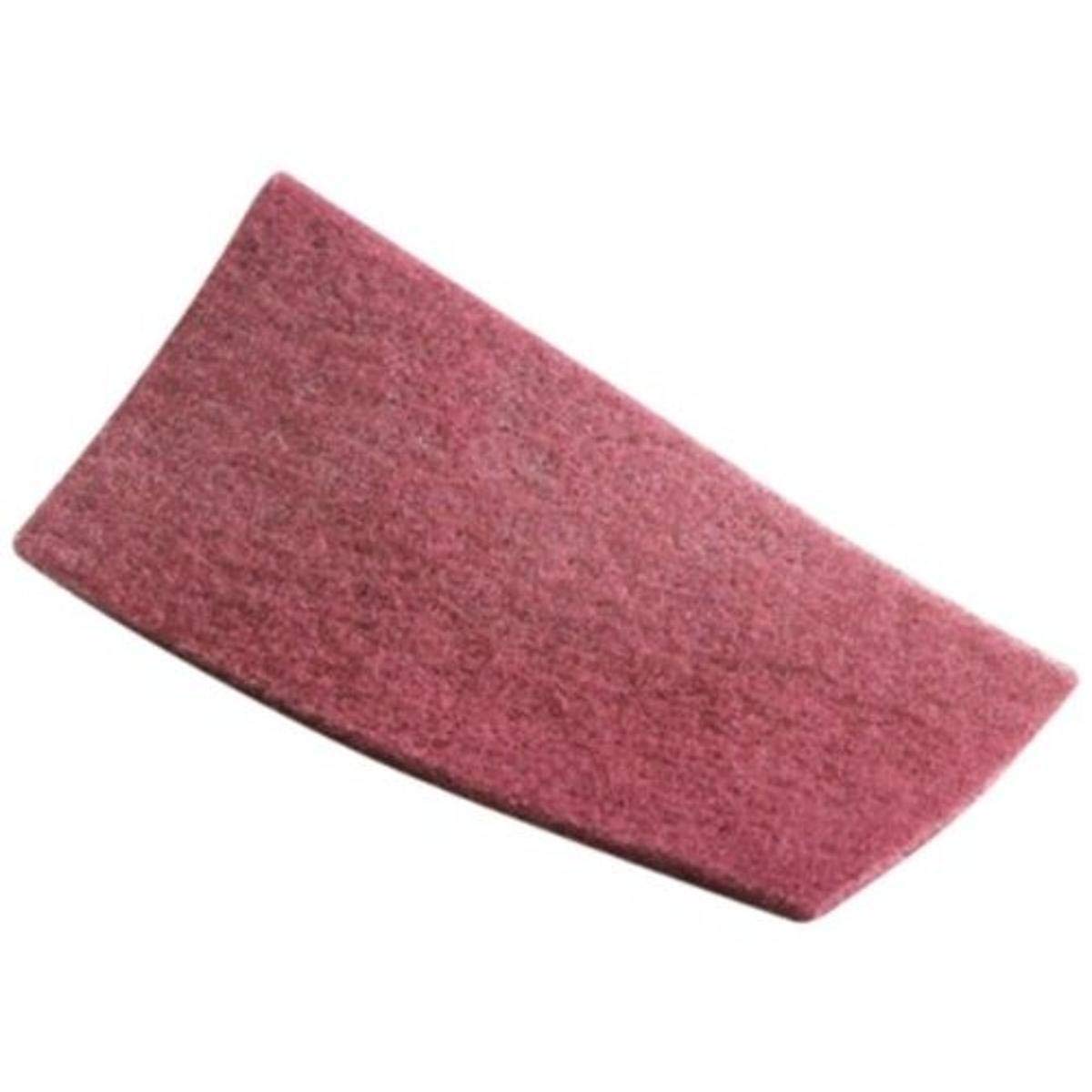
Color-coded: Maroon (fine), gray (superfine), white (polish). Low speed (3,000-6,000 RPM) prevents heat buildup, which warps the passive layer.
Hand pads for small jobs; discs for power tools. Wipe clean between colors to avoid re-scratching.
💡 Tips:
- •Use light pressure—let abrasive do the work.
⚠️ Warnings:
- •High speed burns metal, dulling shine.
Step 6: Finish with Polishing for Mirror Shine
After abrasives, use diamond or aluminum oxide compounds on buffing wheels. Wet polishing reduces dust.
Result: Mirror finish reflects like glass. Optional: Electropolish for industrial perfection.
▸Pro Tips
- •Always sand across welds first, then with grain for seamless look.
- •Use marker dye on surface to track scratch removal.
- •Light oil or water mist prevents clogging and heat.
- •Work in shaded area—sun hides defects.
- •Store abrasives dry to maintain sharpness.
- •Practice on 304-grade stainless (most common).
- •Combine with [link to degreaser guide] for prep.
▸Common Mistakes to Avoid
- •Using iron-based tools: Causes rust; avoid by checking 'SS-safe' labels.
- •Skipping grit steps: Leaves scratches; always double grit numbers.
- •High tool speed: Burns metal; keep under 6,000 RPM.
- •Heavy pressure: Gouges surface; use feather-light touch.
- •Dirty workspace: Contaminates finish; wipe with alcohol first.
▸Troubleshooting
Problem: Orange rust spots appear after finishing
Solution: Iron contamination—strip with 120-grit and restart with SS-safe abrasives. Passivate with nitric acid solution.
Problem: Uneven brushed pattern
Solution: Inconsistent pressure/speed; maintain steady motion and clean pad often.
Problem: Finish dulls quickly
Solution: Heat damage or residue; cool workpiece and clean thoroughly.
Problem: Abrasives load up fast
Solution: Use lubricant or switch to non-woven; shake off dust periodically.
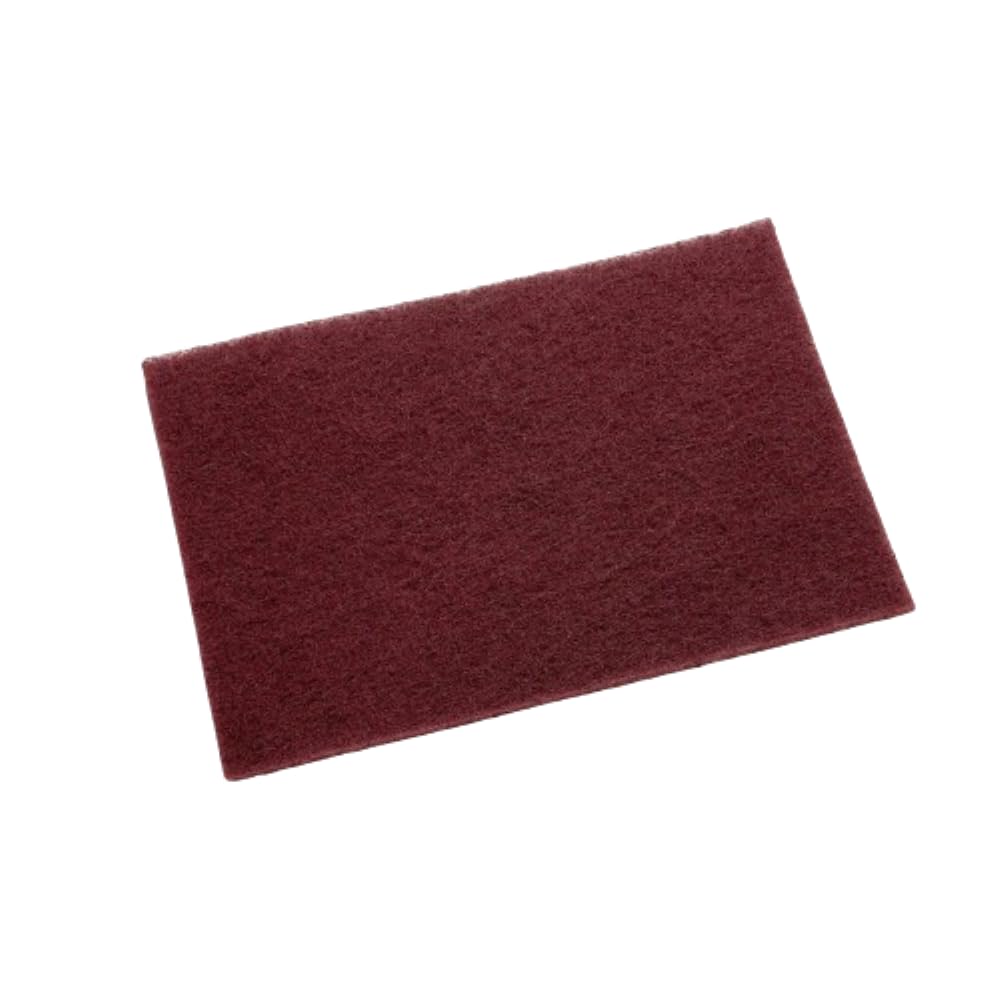
3M Scotch-Brite 7447 Maroon Surface Conditioning Pad
Iron-free non-woven abrasive perfect for satin finishes without gouging stainless.
Best for: Hand finishing or low-speed blending on sheets/tubes.
Price Range: $10-15 for 6-pack
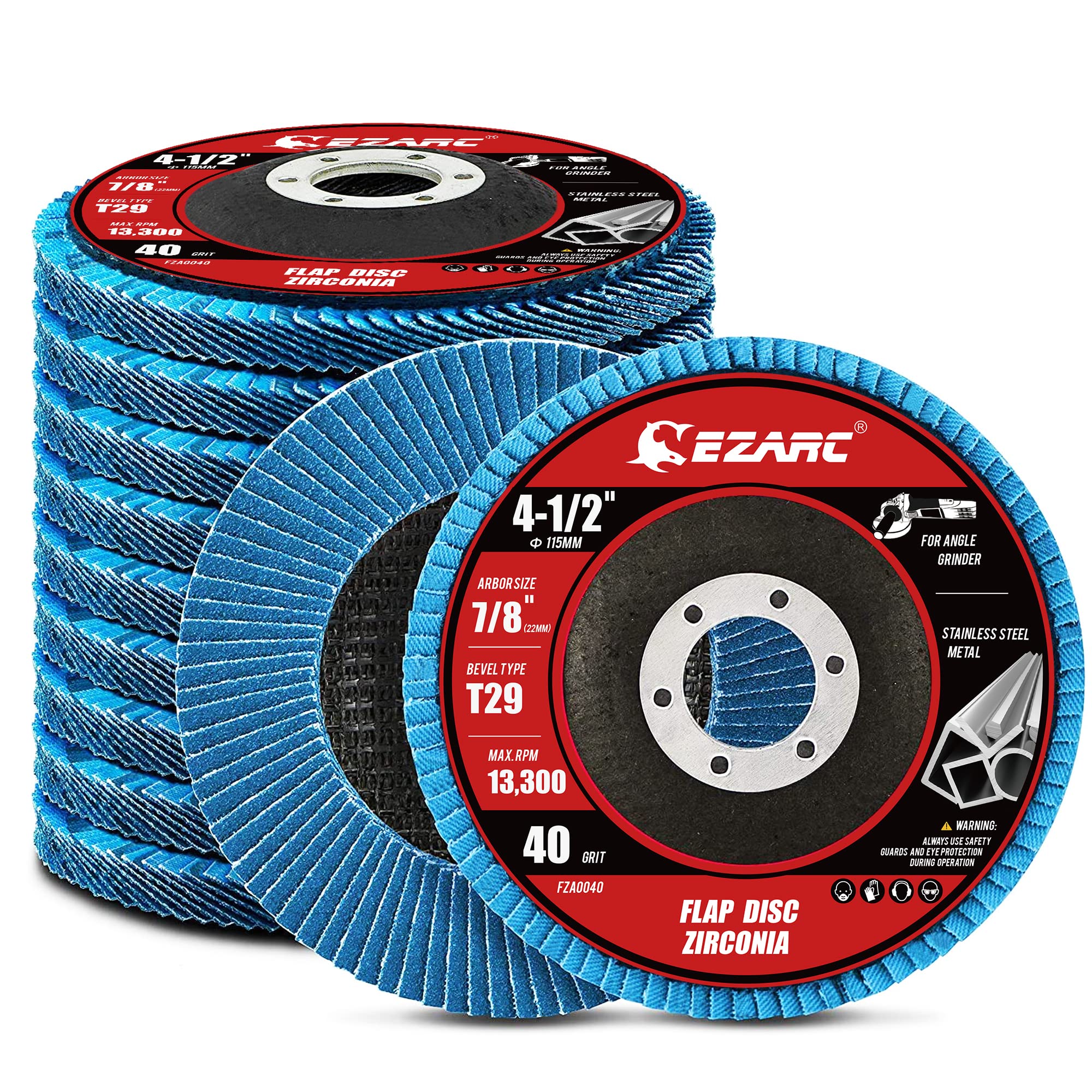
Forney 51445 Stainless Steel Finishing Flap Disc (40 Grit)
Zirconia flaps remove welds fast yet safely on stainless, long-lasting.
Best for: Initial stock removal on angle grinder for larger surfaces.
Price Range: $15-20
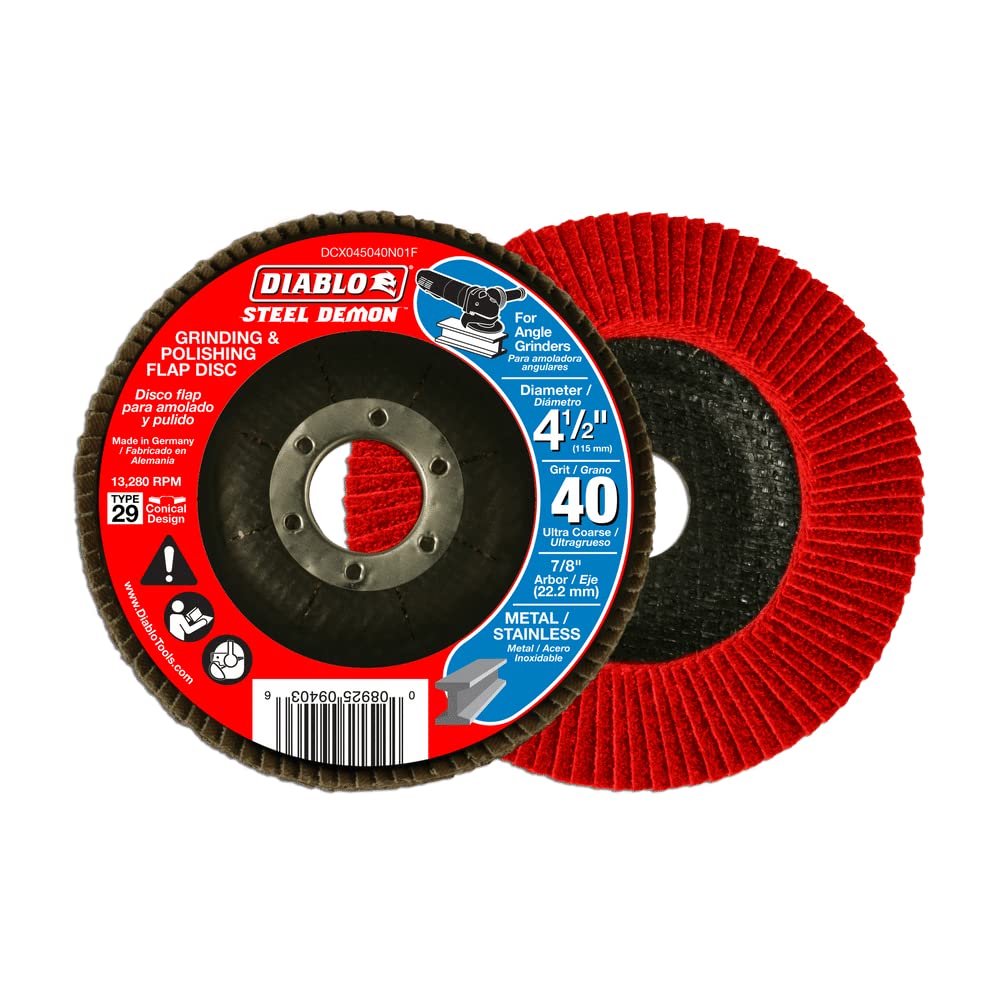
Diablo DFLFS04504040H 4-1/2" Stainless Flap Disc
High-density flaps for consistent finish, SS-specific to prevent contamination.
Best for: Weld blending and pre-polish on grinders.
Price Range: $12-18
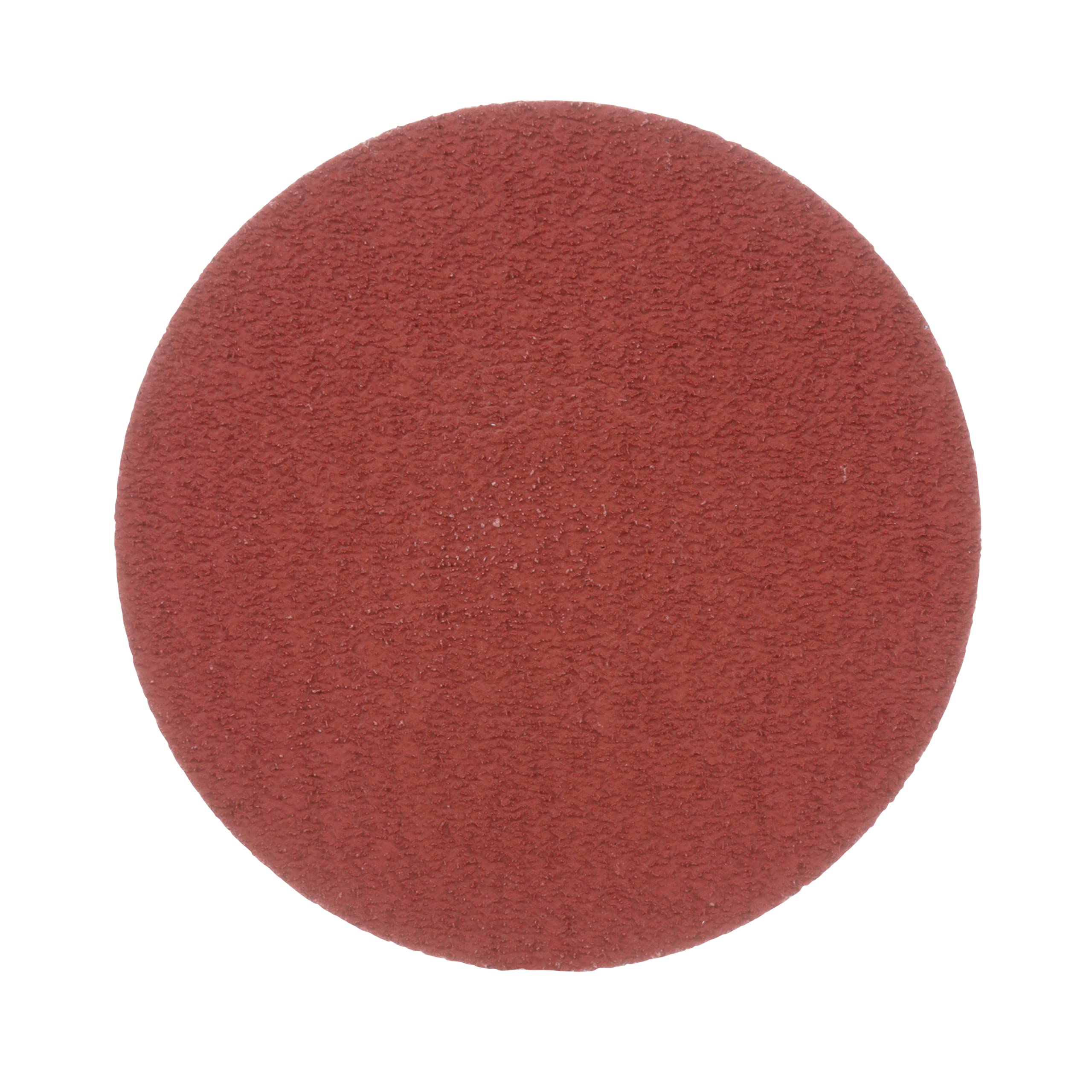
3M Cubitron II 984F Sanding Disc (320 Grit)
Precision-shaped ceramic grains cut fast, stay cool for flawless progression.
Best for: Orbital sander for medium blending before non-woven.
Price Range: $25-35 for 10-pack
Norton Bear-Tex Hand Roloc Disc (Maroon)
Scotch-Brite alternative with uniform fibers for pro brushed look.
Best for: Drill-mounted for contours and tight spots.
Price Range: $20-30 for 10-pack