
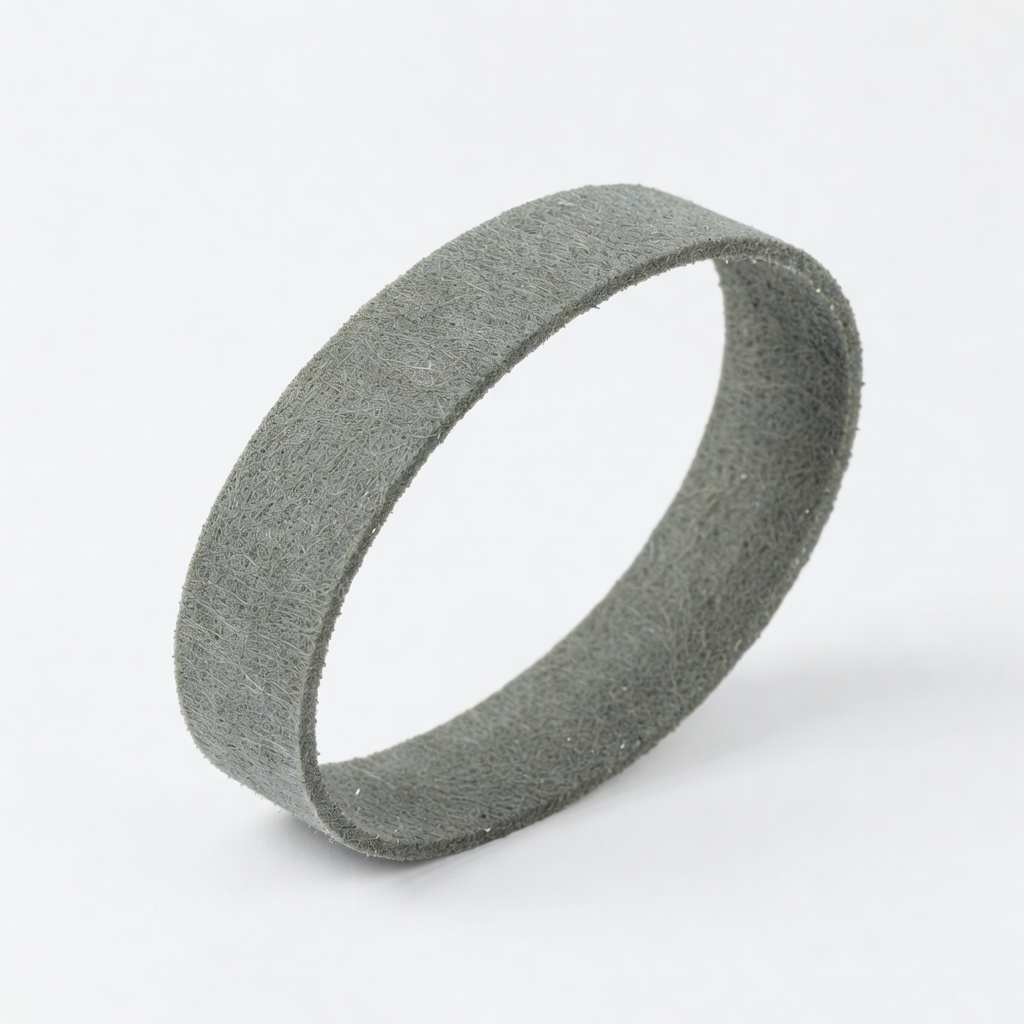
3M Scotch-Brite 7447 Surface Conditioning Belt
Pre-polish on steel/aluminum with belt sander.
$40-$60
3M Scotch-Brite 7447 Surface Conditioning Belt Non-woven maroon abrasive excels at blending scratches before polish; long-lasting and low-heat.
Get the App
Better experience on mobile
Unlock the best abrasive finishing products for a mirror-like metal shine, explained step-by-step for intermediate polishers.
Ever stared at a dull, scratched metal surface on tools, bike frames, or automotive parts wishing for that showroom gleam? Polishing metal transforms rough stock into professional finishes, but choosing the right abrasives is key to avoiding swirls, burns, or endless labor.
In this guide, you'll learn the types of abrasive finishing products that excel at metal polishing—from non-woven pads to diamond compounds. We'll break down grit progressions, application methods, and why certain abrasives outperform others. Expect clear analogies, real-world examples, and actionable insights for intermediate users—no beginner basics, but not pro-level jargon.
By the end, you'll confidently select and use abrasives for everything from aluminum wheels to stainless steel knives. Reading time: 20 minutes; hands-on practice: 1-2 hours.
Estimated Time: 20-30 minutes to read; 1-2 hours for practice Difficulty: intermediate
Abrasives are rated by grit: lower numbers (e.g., 80) cut aggressively like coarse sandpaper; higher (2000+) refine like baby powder. Polishing metal requires progressing from coarse (scratch removal) to ultra-fine (mirror shine).
Think of it as climbing a ladder: skip rungs, and you'll see scratches. Start at 120-220 grit for most metals, halve the grit number each step (e.g., 220 → 400 → 800). Expect visible smoothing after 3-5 stages.
Why it matters: Proper progression prevents holograms (micro-scratches) and saves time.
💡 Tips:
⚠️ Warnings:
Coated abrasives like aluminum oxide or zirconia discs remove heavy scratches on steel or aluminum. Use flap discs on angle grinders for curved surfaces—they flex and last longer than flat discs.
Apply light pressure at 2000-4000 RPM; wet sanding reduces heat/clogging. Expect orange peel texture after 180-400 grit, ready for finer work.
Analogy: Like filing nails before buffing—essential prep.
💡 Tips:
Scotch-Brite-style pads (maroon, gray) blend abrasives in a web for uniform scratch blending. Maroon (ANSI A-VFN) is medium; gray (A-FIN) is super-fine for pre-polish.
Hook-and-loop discs for polishers work best. No heavy cutting—focus on haze removal. Metals like stainless emerge satin-smooth.
Why: Safer than belts, less aggressive for intermediates.
💡 Tips:
⚠️ Warnings:
For titanium or hardened steel, diamond-embedded laps or discs (1-50 micron) cut precisely without loading. Hand lapping or low-speed rotary.
Analogy: Diamond knife through butter vs. dull blade. Expect glassy flatness post-3 micron.
Ideal for flat surfaces like blades.
💡 Tips:
Tripoli (brown) cuts; white rouge polishes non-ferrous metals. Apply to sisal (cutting) or cotton (color) wheels at 3000 RPM.
Compound melts from friction, carrying abrasive particles. Final shine: mirror on aluminum, satin on steel.
Why last: Compounds refine without deep scratches.
💡 Tips:
⚠️ Warnings:
Colloidal silica (0.05 micron) or Flitz paste for final haze removal. Hand-rub or felt bob.
Chemical-mechanical like Autosol mildly abrades + protects. Inspect under LED light for perfection.
Result: Reflection test passes—no distortion.
💡 Tips:
Glove-test for smoothness; cross-light for swirls. Seal with wax or cerium oxide slurry.
Why: Prevents re-oxidation. Maintain quarterly for tools.
💡 Tips:
Problem: Swirl marks or holograms
Solution: Step back to coarser grit (400-600); use orbital motion.
Problem: Burn marks or discoloration
Solution: Cool with water; lower RPM/speed. Sand out with 220 grit.
Problem: Abrasives clogging fast
Solution: Switch to lubricant; use open-coat abrasives.
Problem: Uneven shine
Solution: Consistent pressure/direction; check workpiece flatness.
Non-woven maroon abrasive excels at blending scratches before polish; long-lasting and low-heat.
Best for: Pre-polish on steel/aluminum with belt sander.
Price Range: $40-$60
Zirconia flaps for aggressive to fine cutting; versatile for angle grinders.
Best for: Initial stock removal to smoothing on large surfaces.
Price Range: $20-$30
Classic cutting compound for buffs; removes light oxidation fast.
Best for: Buffing wheels on bench grinder for aluminum/ brass.
Price Range: $10-$15
Micro-abrasive paste for final mirror finish; also protects.
Best for: Hand or rotary polishing soft metals like chrome.
Price Range: $12-$18
Precise diamond abrasive for flat, hard metals; no loading.
Best for: Lapping knife edges or flat stock.
Price Range: $50-$70
Pre-polish on steel/aluminum with belt sander.
3M Scotch-Brite 7447 Surface Conditioning Belt Non-woven maroon abrasive excels at blending scratches before polish; long-lasting and low-heat.
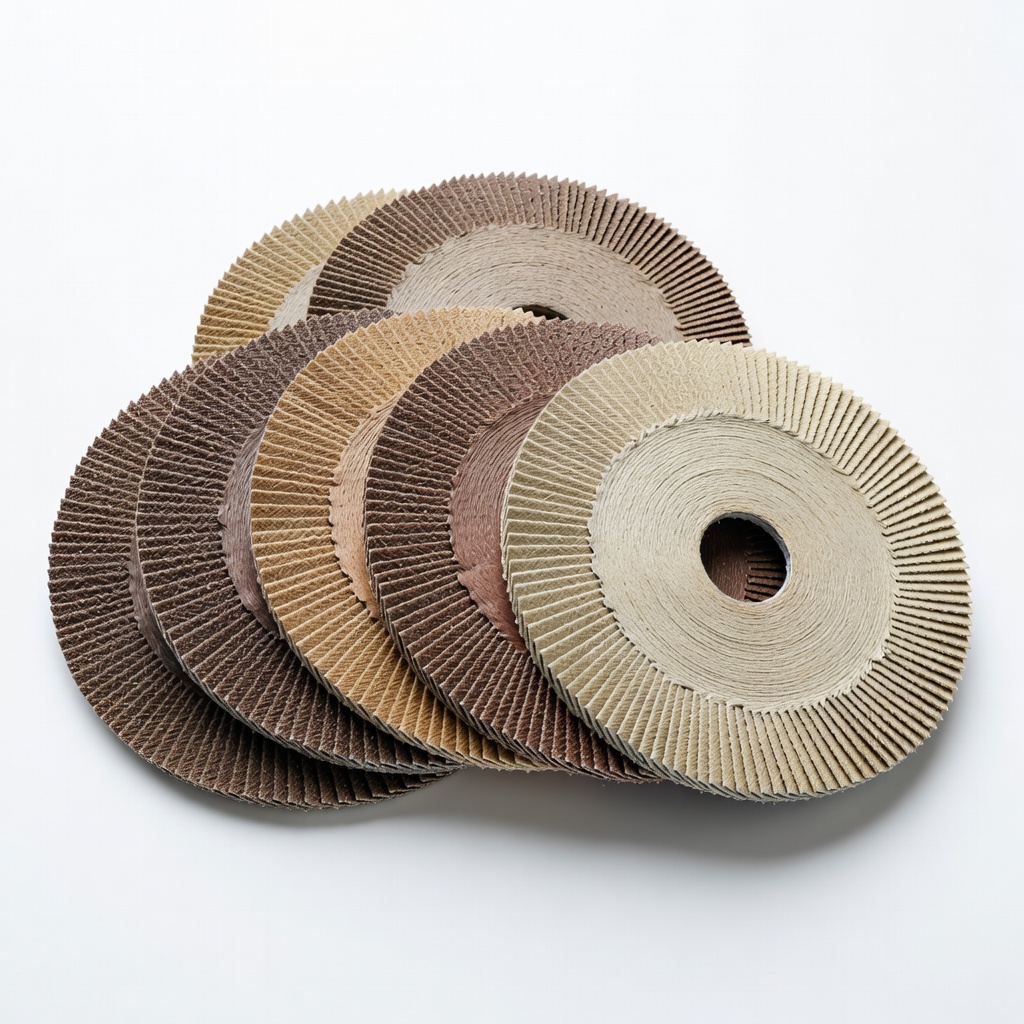
Initial stock removal to smoothing on large surfaces.
WORKPRO 4.5" Flap Disc 80-400 Grit Set Zirconia flaps for aggressive to fine cutting; versatile for angle grinders.
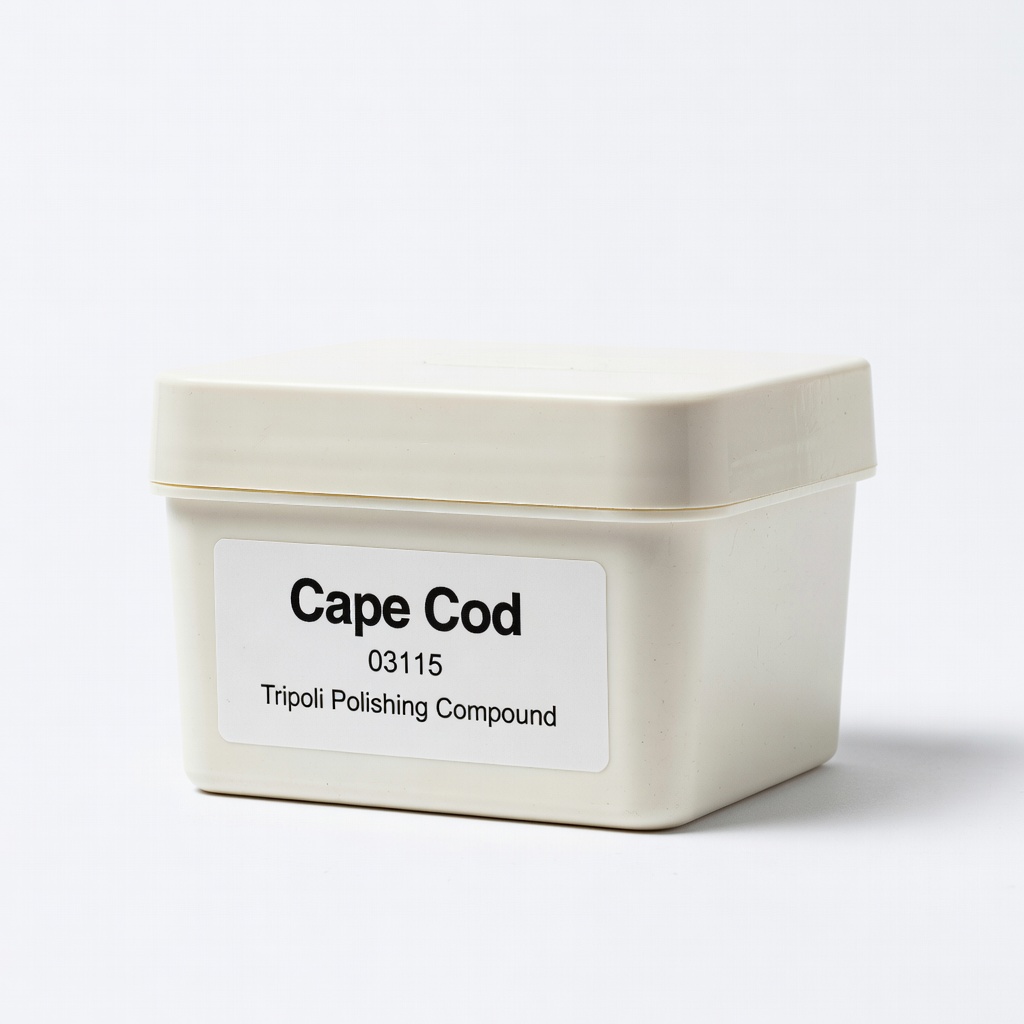
Buffing wheels on bench grinder for aluminum/ brass.
Cape Cod 03115 Tripoli Polishing Compound Classic cutting compound for buffs; removes light oxidation fast.
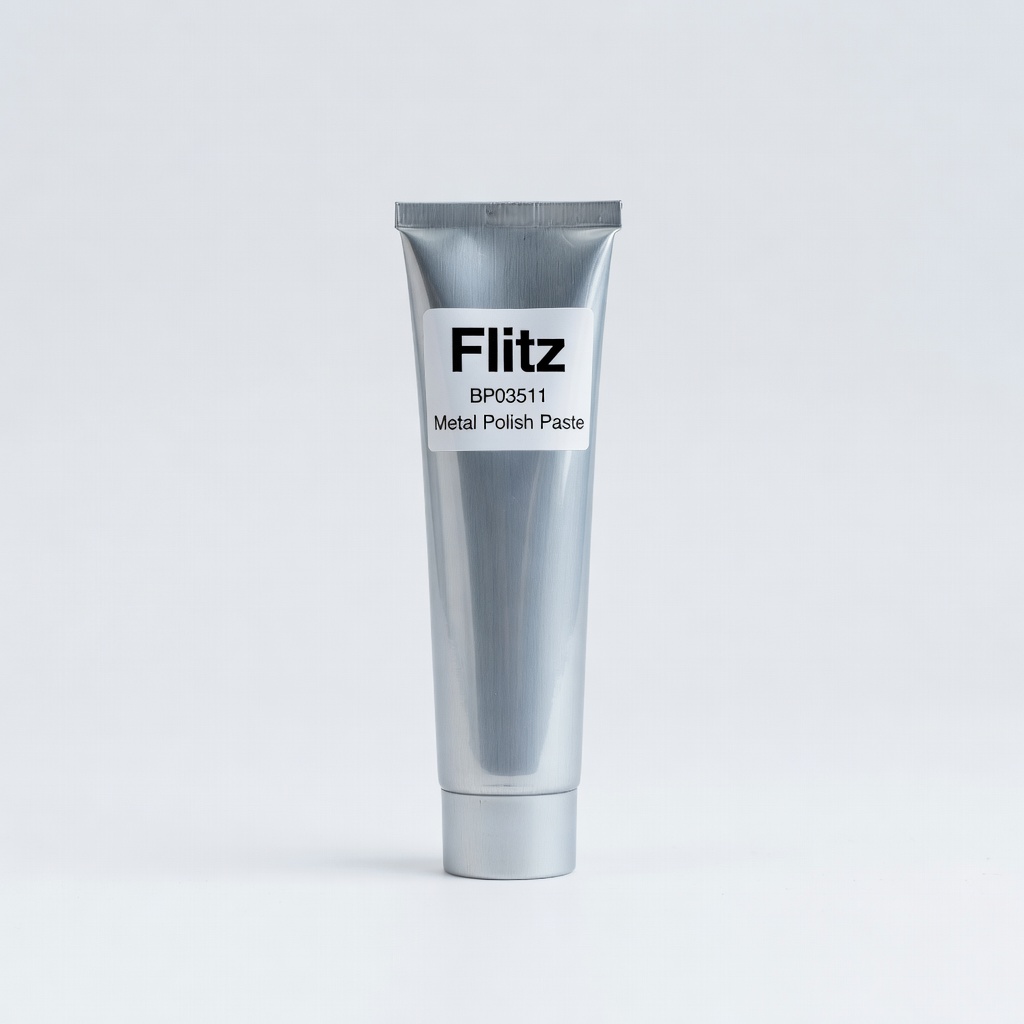
Hand or rotary polishing soft metals like chrome.
Flitz BP03511 Metal Polish Paste Micro-abrasive paste for final mirror finish; also protects.
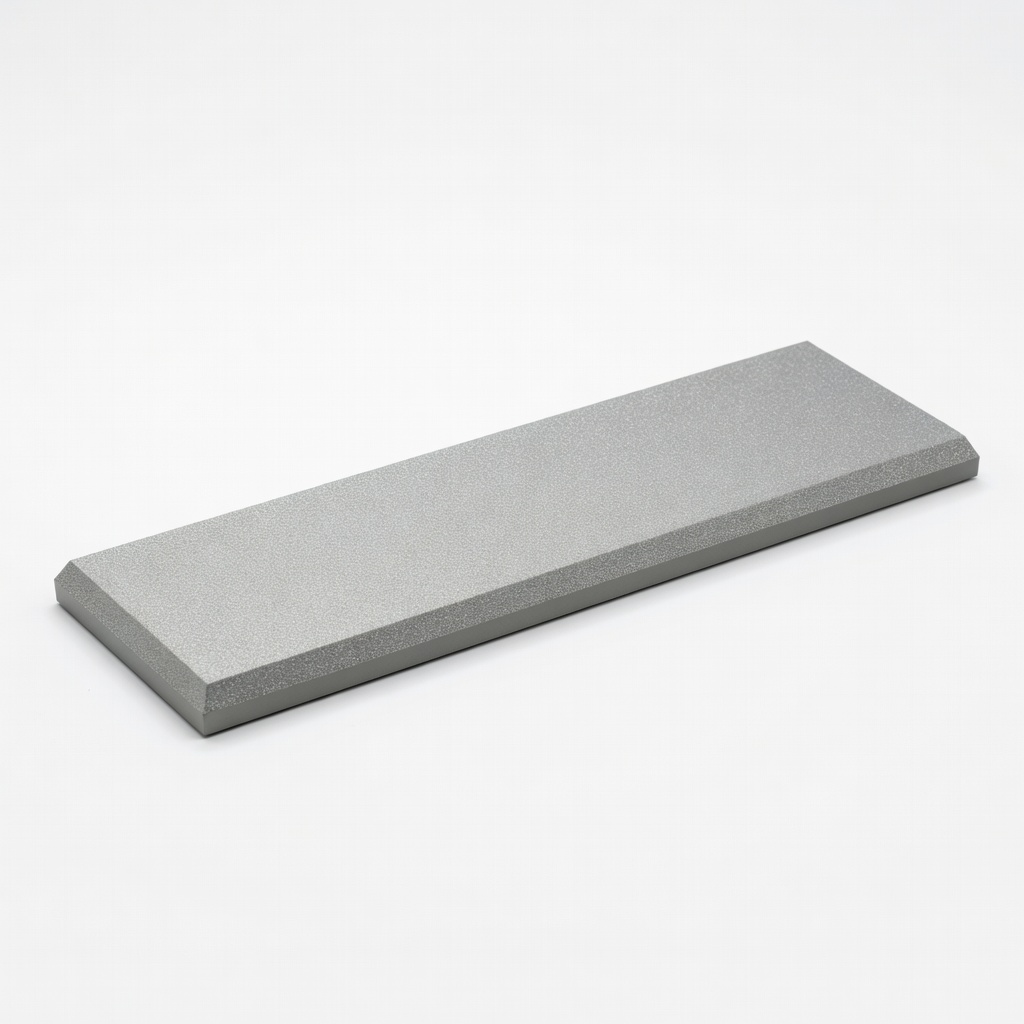
Lapping knife edges or flat stock.
DMT Dia-Sharp 6" Diamond Stone 1200 Grit Precise diamond abrasive for flat, hard metals; no loading.