
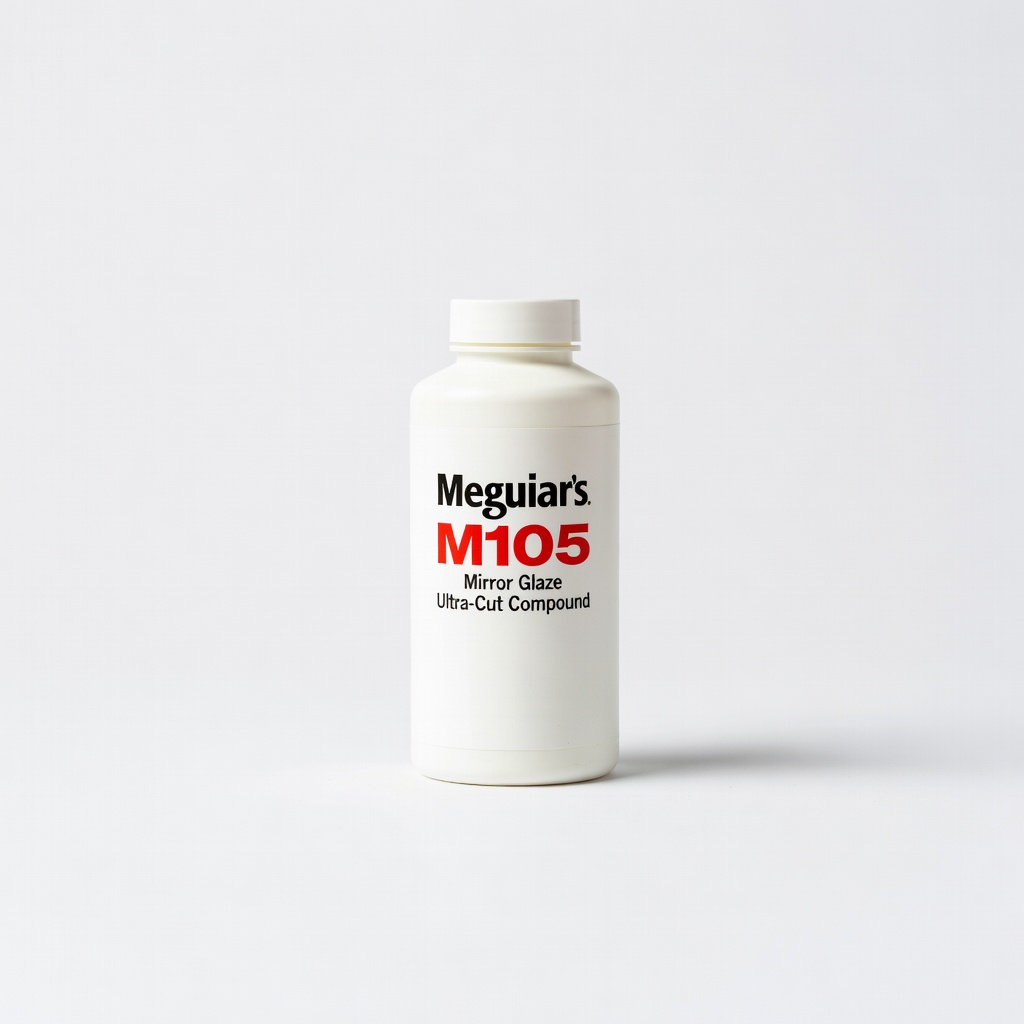
Meguiar's M105 Mirror Glaze Ultra-Cut Compound
Initial swirl/scratch removal on oxidized paint.
$25-$30
Meguiar's M105 Mirror Glaze Ultra-Cut Compound Aggressive cut for heavy defects with minimal dust; proven on DA/rotary.
Get the App
Better experience on mobile
Master abrasive selection for flawless automotive paint correction with grit guides, comparisons, and pro recommendations for advanced detailers.
Achieving a show-car shine on automotive paint requires precise abrasive finishing products to remove defects like swirls, scratches, and oxidation without damaging clear coat. For advanced detailers, choosing the wrong abrasive can lead to holograms, holograms, or burn-through, wasting hours of work.
This guide breaks down abrasive types, grit progressions, and application strategies you'll learn to select and use products effectively. Expect to understand defect-specific matching, pad-compound pairings, and safety protocols in 45-60 minutes of reading, plus hands-on testing time.
We'll cover everything from sanding sheets to one-step polishes, empowering you to tackle heavy correction on modern clear coats.
Estimated Time: 45-60 minutes to study + 2-4 hours for initial application testing Difficulty: advanced
Abrasives for automotive paint finishing work by mechanically leveling the clear coat surface. They range from aggressive cutting compounds (remove heavy defects) to ultra-fine finishing polishes (refine gloss). Cut level is determined by particle size: coarse (10-25 microns) for scratches, fine (1-5 microns) for swirls.
Why it matters: Modern paints have thin clear coats (1.5-3 mils), so over-aggressive abrasives cause burn-through. Expect a mirror finish after proper progression.
Analogy: Like sanding wood before staining—start coarse, end fine.
💡 Tips:
⚠️ Warnings:
Wet sanding with P1500-P3000 grit sheets or discs removes deep scratches and orange peel. Use premium brands like 3M Wetordry for consistent cutting without clogging.
Prime with 70% IPA wipe-down, sand wet with light pressure using a block for flatness. Why: Provides level base for compounding. Expect milky residue that buffs out.
Progress: P1500 → P2000 → P3000.
💡 Tips:
⚠️ Warnings:
Heavy-cut compounds (e.g., 8-15 micron) like Meguiar's M105 pair with wool or coarse foam pads on DA polishers. Apply 4 pea-sized dots, work at 4-5 speed, light pressure.
Why it matters: Quickly flattens surface without sanding. Expect fast defect removal but holograms if not followed by medium cut.
Comparison: Rotary faster but riskier than DA.
💡 Tips:
⚠️ Warnings:
Medium abrasives (4-8 microns), such as 3M Perfect-It, refine cutting compound trails. Use hex-logic foam pads.
Process: Wipe with IPA, apply in 2x2 ft sections. Why: Bridges heavy cut to polish. Expect smoother surface with reduced marring.
Analogy: Like medium-grit sandpaper after coarse.
💡 Tips:
⚠️ Warnings:
Ultra-fine polishes (0.5-2 microns) like Menzerna SF4000 create wet-look shine. Soft foam pads, low speed (3-4).
Final step after IPA wipe. Why: Seals gloss, removes any remaining haze. Inspect under 250W halogen light.
Expect: Defect-free, candy-like reflection.
💡 Tips:
⚠️ Warnings:
Always progress: Heavy cut → Medium → Fine → Polish (e.g., 1500 grit → M105 → Perfect-It → SF4000). Match to defects: scratches=heavy/wet sand, swirls=medium, haze=finishing.
Why: Prevents stepping defects. Test on inconspicuous area first.
Chart example: Scratches (P1500 + heavy), Oxidation (medium + polish).
💡 Tips:
Pads control cut: Wool=aggressive, foam=refined. DA safer for beginners, rotary for pros.
Pairings: Heavy compound=wool/DA6, Polish=ultra-soft/DA3. Clean pads with brush/IPA between steps.
Why it matters: Wrong pad diminishes product efficacy or causes sling.
💡 Tips:
Problem: Holograms or marring after polishing
Solution: Revert to medium compound with twisted wool pad; follow with polish.
Problem: Paint burning or dull spots
Solution: Stop immediately, cool with water; switch to finer grit and low speed.
Problem: Swirls not removing
Solution: Upgrade to heavier cut or wet sand; check pad cleanliness.
Problem: Product drying too fast
Solution: Mist water lightly or use in cooler temps; smaller sections.
Aggressive cut for heavy defects with minimal dust; proven on DA/rotary.
Best for: Initial swirl/scratch removal on oxidized paint.
Price Range: $25-$30
Balanced medium cut refines sanding marks quickly without holograms.
Best for: Post-wet sanding leveling on all paint types.
Price Range: $30-$40
Versatile finishing polish for gloss on clear coats; easy wipe-off.
Best for: Final holograms removal and protection prep.
Price Range: $20-$25
Premium waterproof sheets for precise wet sanding without loading.
Best for: Heavy defect leveling before compounding.
Price Range: $15-$25
Foam pad collapses debris for clean, aggressive cut on DA polishers.
Best for: Pairing with heavy compounds like M105.
Price Range: $10-$15 each
Initial swirl/scratch removal on oxidized paint.
Meguiar's M105 Mirror Glaze Ultra-Cut Compound Aggressive cut for heavy defects with minimal dust; proven on DA/rotary.
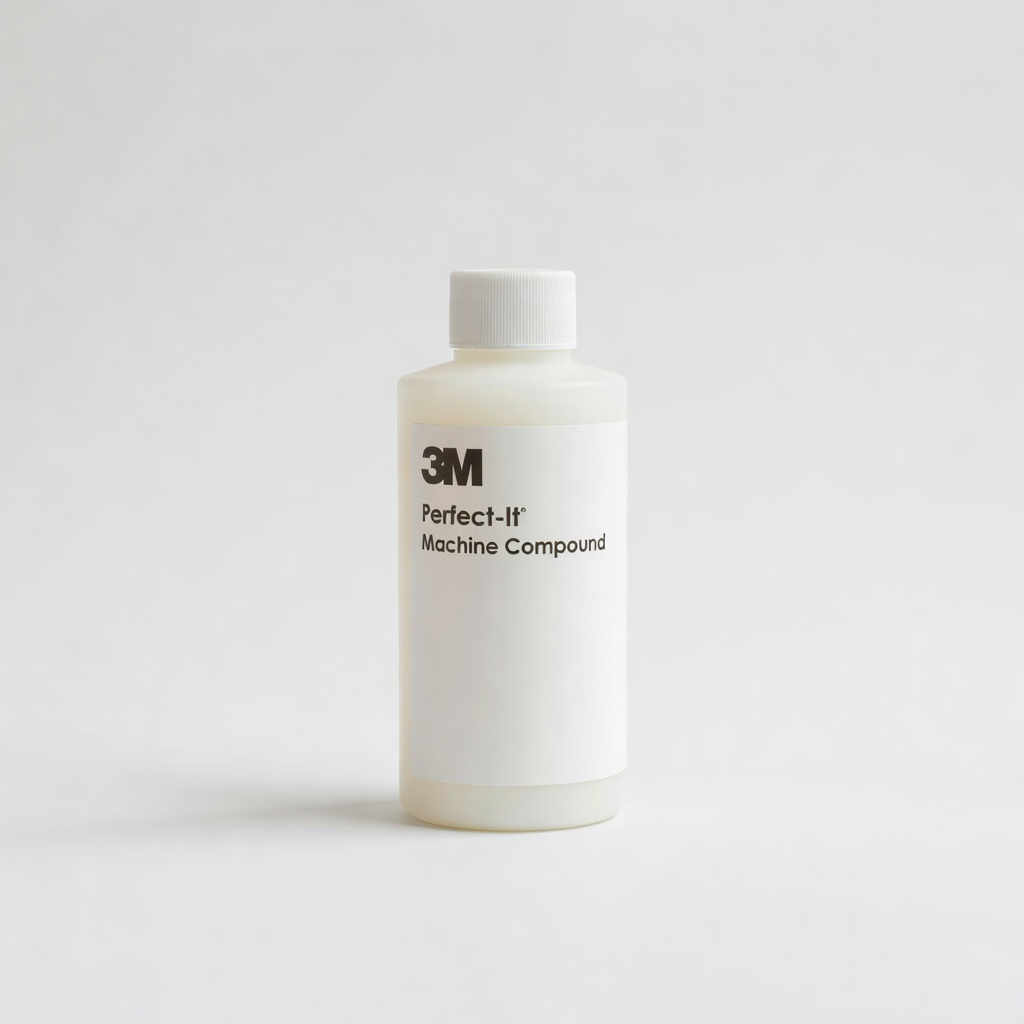
Post-wet sanding leveling on all paint types.
3M Perfect-It Machine Compound Balanced medium cut refines sanding marks quickly without holograms.
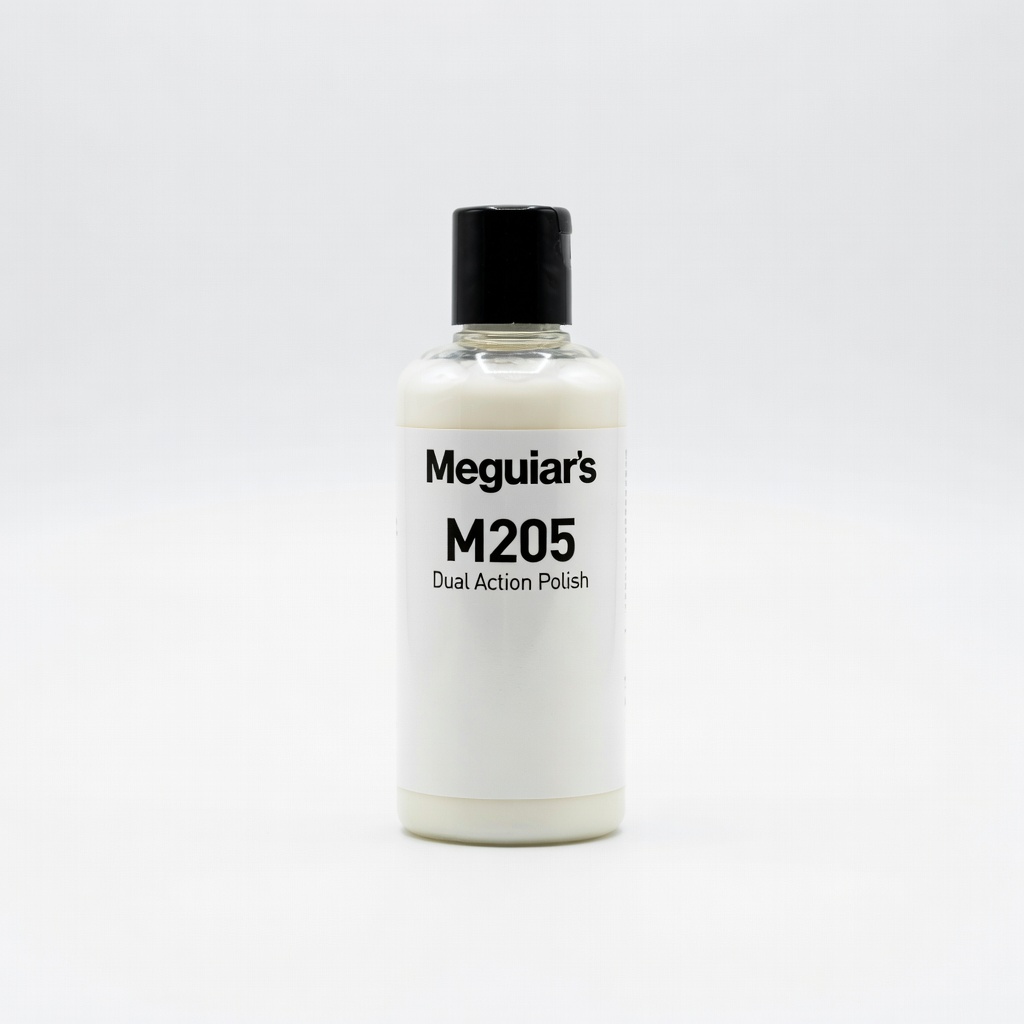
Final holograms removal and protection prep.
Meguiar's M205 Dual Action Polish Versatile finishing polish for gloss on clear coats; easy wipe-off.
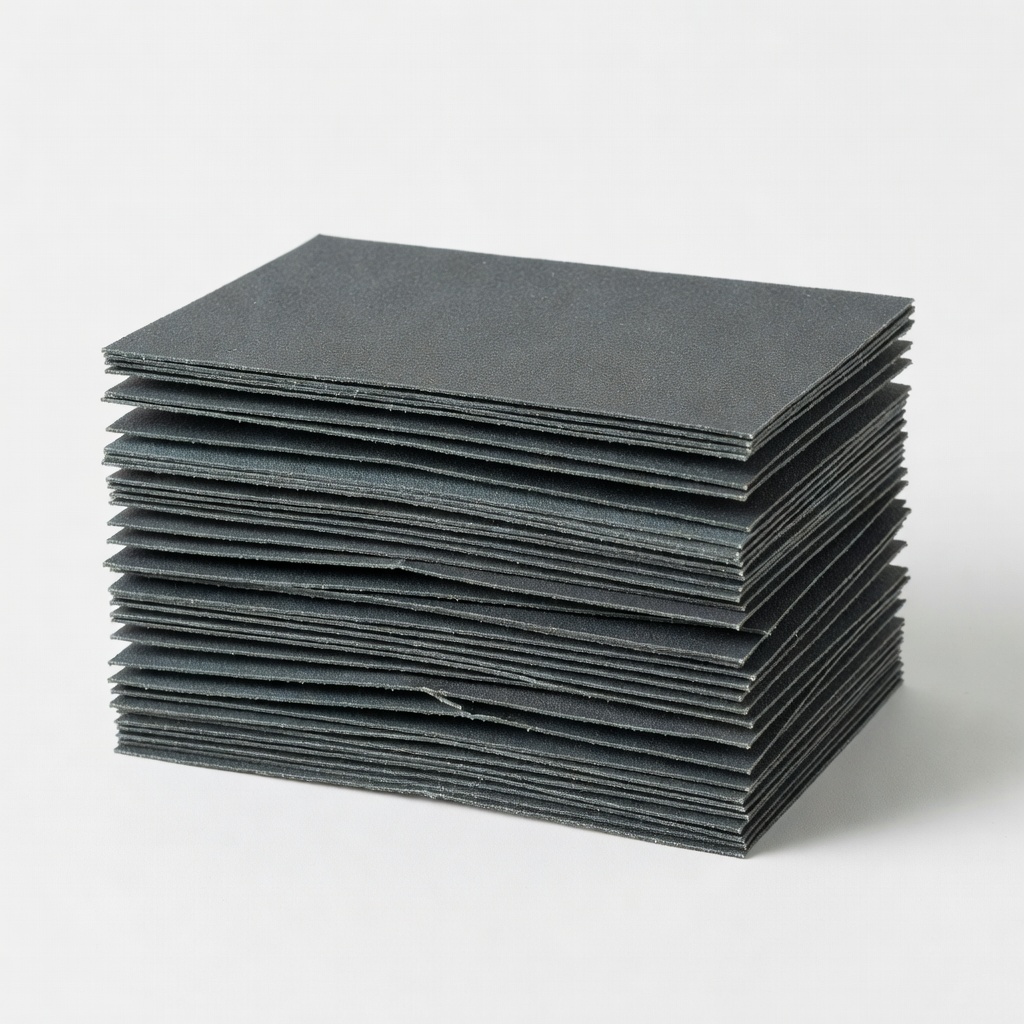
Heavy defect leveling before compounding.
3M Wetordry Sandpaper Sheets 1500-3000 Grit Assortment Premium waterproof sheets for precise wet sanding without loading.
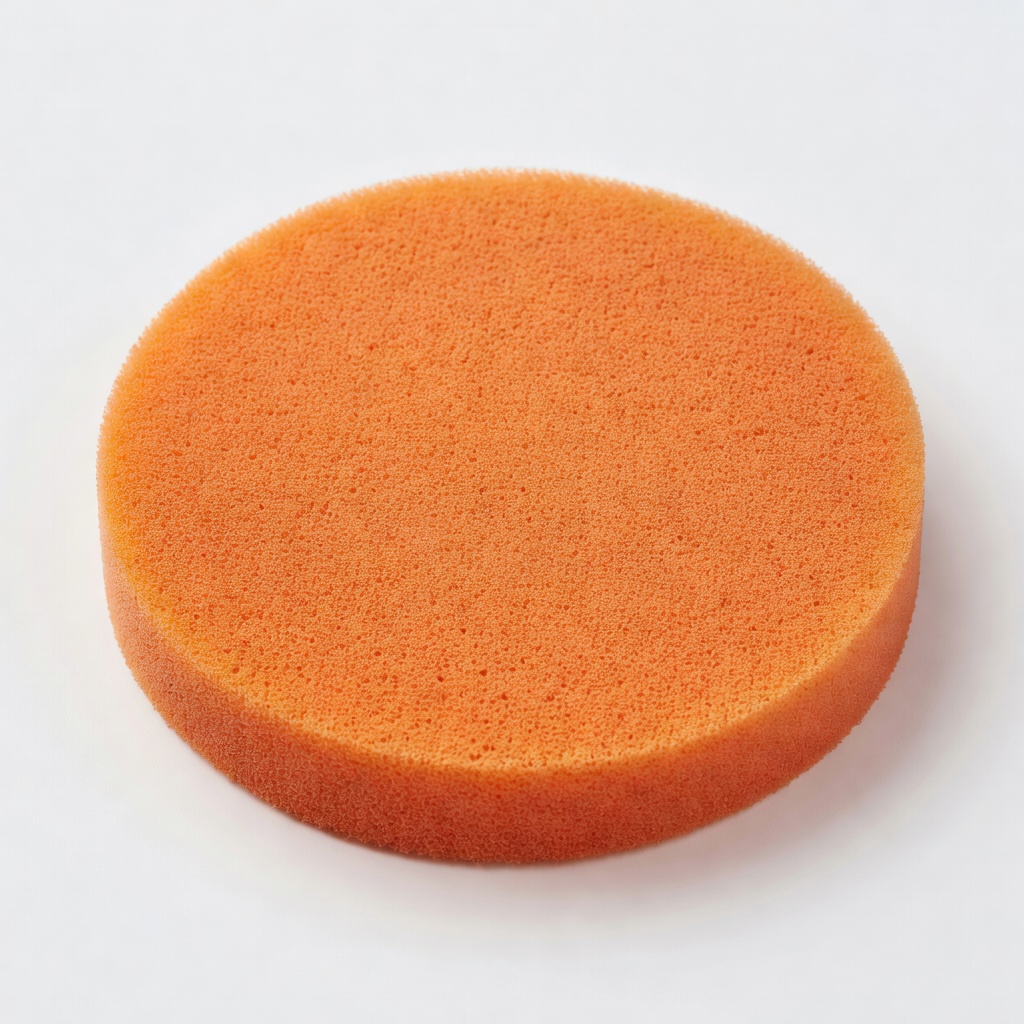
Pairing with heavy compounds like M105.
Lake Country CCS Orange Heavy Cutting Pad Foam pad collapses debris for clean, aggressive cut on DA polishers.