Ever popped AA batteries into your digital camera or RC toy only to have them die after minutes? High-drain devices demand more power than everyday remotes or clocks, and cheap alkalines just can't keep up, leading to frustration and wasted money.
In this guide, you'll understand battery chemistries, key specs like capacity under load, and how to pick winners for high-drain use. We'll break it down with examples, analogies, and real tests—no jargon overload. Expect to grasp the concepts in 15 minutes, then confidently choose batteries that last.
By the end, you'll know why lithium primaries or premium NiMH rechargeables rule high-drain scenarios and avoid common pitfalls.
▸What You'll Need
- •High-drain device (e.g., digital camera, flashlight, or motorized toy)
- •Multimeter (optional, for voltage testing)
- •Timer or stopwatch
- •Assorted AA batteries for comparison (alkaline, NiMH, lithium)
Estimated Time: 15-20 minutes
Difficulty: intermediate
▸Step-by-Step Instructions
Step 1: Identify High-Drain Devices
High-drain devices pull 1-10 amps or more continuously, unlike low-drain ones (under 100mA) like TV remotes. Examples: digital cameras (flash burst), gaming controllers, airsoft guns, or LED strobe lights.
Analogy: Think of batteries as water tanks. Low-drain is a slow drip; high-drain is a firehose—weak tanks empty fast.
Why it matters: Mismatched batteries cause voltage sag (power drop), dim lights, or device shutdowns. Expect 5-10x shorter life vs. standard use.
💡 Tips:
- •List your devices' power draw from manuals (mA rating).
Step 2: Understand Battery Chemistries
AA batteries come in three main types for high-drain:
- •Alkaline: Cheap, 1.5V nominal, ~2500mAh. Good for low-drain but voltage drops quickly under load (to 1V fast).
- •NiMH Rechargeable: 1.2V, 2000-2800mAh. Better sustained power; recharge 1000x.
- •Lithium Primary (non-rechargeable): 1.5V steady, 3000mAh+. Minimal sag; best for extreme drain.
Example: Alkaline might last 30min in a camera; lithium 2+ hours.
⚠️ Warnings:
- •Don't recharge alkalines or lithium primaries—explosion risk.
Step 3: Key Specs: Capacity and Discharge Rate
mAh rating is lab-tested at low drain (e.g., 0.1A). For high-drain, check high-drain rating (e.g., 5A discharge mAh).
Premium NiMH like Eneloop list 1900mAh low-drain but retain 80% at 1A. Lithium holds 1.5V until nearly empty.
Why it matters: Real-world tests show standard NiMH sag to 0.9V quick; LSD (Low Self-Discharge) versions don't.
💡 Tips:
- •Look for 'high-drain' or 'Pro' labels on packaging.
Step 4: Voltage Stability Under Load
High-drain needs steady voltage. Alkalines drop fast; lithium flatlines at 1.5V.
Test it: Use multimeter on device—good batteries stay >1.2V after 5min load.
Analogy: Like a steady river vs. flash flood—devices need consistent flow.
Step 5: Rechargeable vs. Disposable Tradeoffs
NiMH: Cost-effective long-term (500+ cycles), but initial 1.2V lower—some devices picky.
Lithium: Ultimate single-use power, lighter, -40°F cold-proof.
Real-world: Toys favor NiMH; pro cameras lithium.
💡 Tips:
- •Pre-charge NiMH before first high-drain use.
Step 6: Home Testing Method
- •Fully charge NiMH or use fresh disposables.
- •Time runtime in device until shutdown.
- •Measure voltage pre/post.
Expect lithium 2-3x alkaline life.
⚠️ Warnings:
- •Monitor heat—overheating signals poor match.
Step 7: Top Performers Summary
Best overall: Lithium for disposables, Eneloop Pro NiMH for rechargeables. Avoid bargain alkalines.
▸Pro Tips
- •Store batteries at room temp; cold boosts lithium performance.
- •Match battery voltage to device—use boosters for 1.2V NiMH if needed.
- •Buy LSD NiMH to avoid self-discharge over months.
- •Test in YOUR device—ratings vary.
- •Bulk buy lithium for infrequent high-drain needs.
- •Cycle NiMH fully before storage.
- •Label batteries with install date.
▸Common Mistakes to Avoid
- •Using standard alkalines—voltage sags, halving life; switch to lithium.
- •Mixing old/new batteries—imbalanced drain kills them fast; use matched sets.
- •Ignoring self-discharge—cheap NiMH die in storage; pick LSD types.
- •Overlooking device min voltage—fails prematurely; check specs.
- •Recharging primaries—safety hazard; use only rechargeables.
▸Troubleshooting
Problem: Device powers off despite 'full' batteries
Solution: Voltage sag—replace with high-drain lithium or premium NiMH. Test voltage under load.
Problem: Batteries leak or overheat
Solution: Poor quality or mismatch—discard, clean contacts, use reputable brands.
Problem: Short runtime on rechargeables
Solution: Not fully charged or memory effect—use smart charger, cycle 3x.
Problem: NiMH read low on tester
Solution: Normal 1.2V vs. 1.5V scale—ignore if performs well.
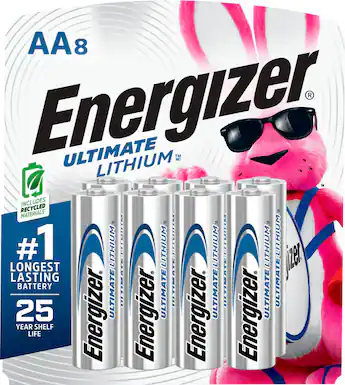
Energizer Ultimate Lithium AA Batteries, 8 Count
Top voltage stability and capacity under high drain; lasts 9x longer than alkaline in cameras.
Best for: Extreme high-drain like flashlights or medical devices; non-rechargeable.
Price Range: $15-$20
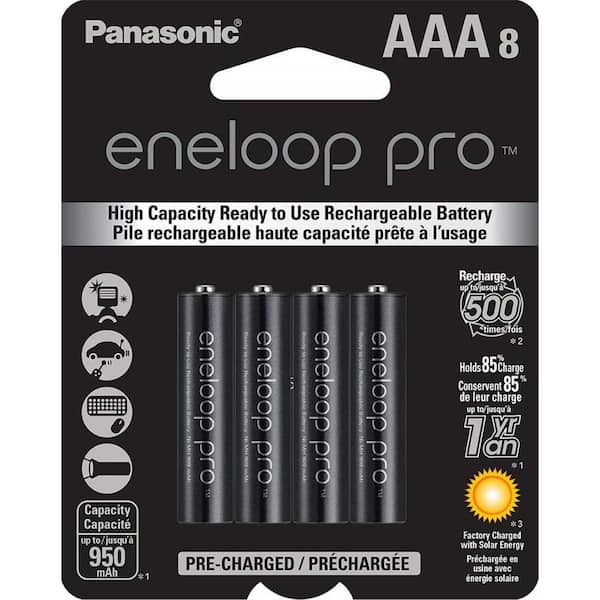
Panasonic Eneloop Pro AA Rechargeable Batteries, 8 Pack (2800mAh)
High-drain optimized NiMH with low self-discharge; 500 cycles.
Best for: Daily rechargeables for toys, controllers; great value long-term.
Price Range: $30-$35
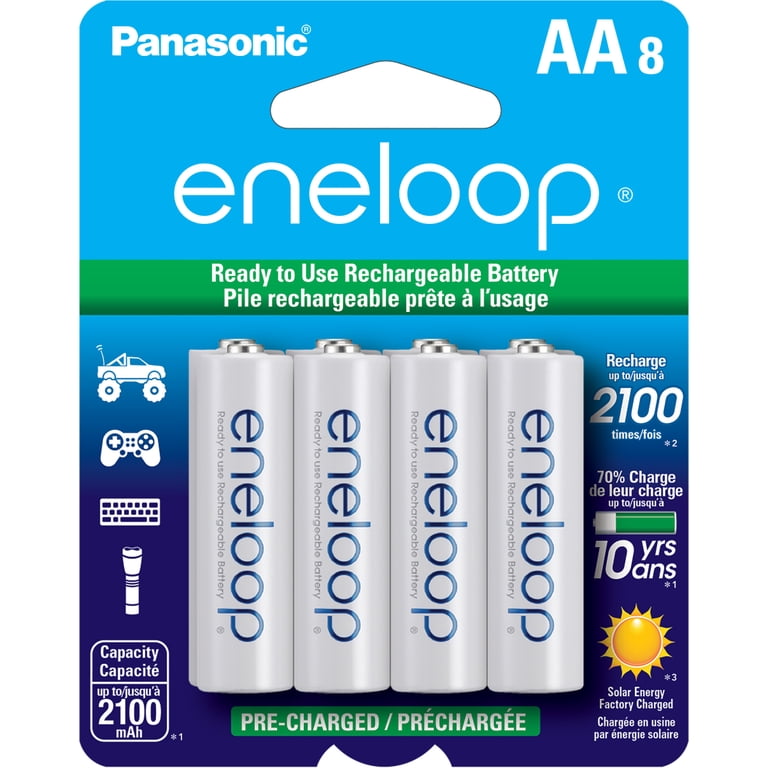
Panasonic Eneloop Standard AA Rechargeable, 8 Pack (1900mAh)
Reliable LSD tech for moderate high-drain; 2100-cycle life.
Best for: Budget rechargeables for cameras, less extreme drain.
Price Range: $25-$30
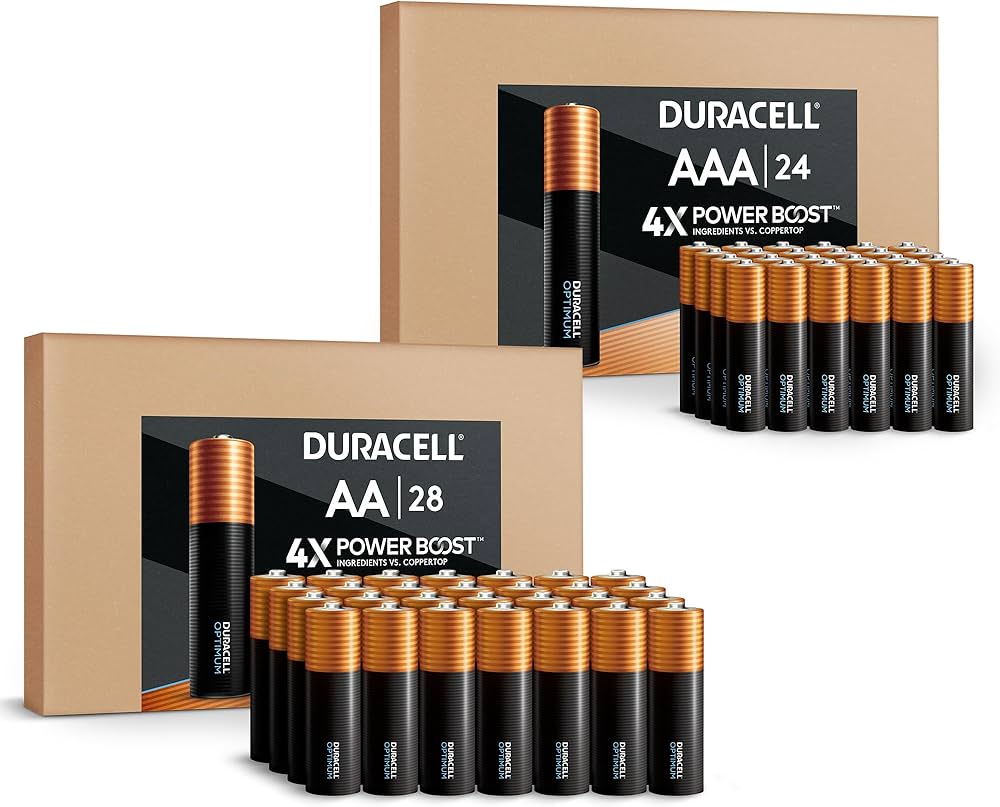
Duracell Optimum AA Batteries, 24 Count
Premium alkaline with better high-drain performance than basics.
Best for: Disposable upgrade for occasional use; bridges to lithium.
Price Range: $20-$25