Nothing kills a guitar solo faster than a pedal dying mid-performance because its 9V battery crapped out. Guitar pedals draw varying amounts of current (typically 10-100mA), and not all 9V batteries handle this high-drain scenario equally. Picking the wrong one means frequent swaps, wasted cash, and gig frustration.
In this guide, you'll discover the battery chemistries that excel in pedals, key factors like capacity and voltage stability, results from independent tests, and top recommendations. Whether you're a gigging musician or home player, you'll learn how to choose batteries that last 2-3x longer than standard alkalines. Expect a straightforward breakdown—no fluff, just actionable insights for intermediate players.
Reading and applying this will take 10-15 minutes, with optional testing steps for your setup.
▸What You'll Need
- •Guitar pedal (for testing)
- •Multimeter (optional, for measuring current draw and voltage)
- •Assorted 9V batteries (alkaline, lithium, NiMH for comparison)
- •Basic knowledge of guitar pedal power requirements
Estimated Time: 10-15 minutes to read; 1-2 hours for hands-on testing
Difficulty: intermediate
▸Step-by-Step Instructions
Step 1: Understand Why Battery Life Varies in Pedals
Pedals aren't low-drain devices like remotes—they guzzle power, especially digital ones like delays or modulations (20-50mA+). Battery life depends on current draw: a low-draw overdrive (10mA) lasts longer than a high-draw fuzz (80mA).
Standard 9V alkalines sag voltage quickly under load, dropping from 9V to 6V fast, causing tone loss or dropout. Lithium types hold steady longer. Expect 4-10 hours from alkalines vs. 10-30+ from lithium in typical pedals.
This matters because sag affects tone—pedals sound dull or cut out below 7-8V.
💡 Tips:
- •Measure your pedal's mA draw with a multimeter in series for precise estimates.
Step 2: Know the Main 9V Battery Chemistries
Alkaline (e.g., Duracell Coppertop): ~500-600mAh capacity, cheap ($1-2), good for low drain but fade fast in pedals.
Lithium primary (non-rechargeable, e.g., Energizer Ultimate): 1200-1500mAh, maintain 8V+ under load, ideal for pedals—last 2-3x alkalines.
NiMH rechargeable: 200-300mAh, cheaper long-term but shorter per-charge life; need charger.
Carbon-zinc: Avoid—short life (~200mAh), voltage crashes immediately.
⚠️ Warnings:
- •Never mix battery types in multi-battery setups.
Step 3: Factor in Capacity (mAh) and Real-World Drain
mAh rating is theoretical—divide by pedal's mA draw for hours (e.g., 600mAh / 30mA = 20 hours). But efficiency drops 20-30% due to voltage sag.
Pedals like Boss DD-8 draw 55mA: alkalines ~8-10 hours, lithium ~25 hours. Analog pedals (e.g., Tube Screamer) extend life further.
Analogy: Like fuel tanks—lithium has double the gas and burns cleaner under stress.
💡 Tips:
- •Check pedal manual for mA rating; test multiple for averages.
Step 4: Review Independent Test Results
Tests from sites like PedalPCB and Reddit (r/guitarpedals) show:
- •Energizer Ultimate Lithium: 25-35 hours in 30mA pedals.
- •Duracell Ultra Alkaline: 12-18 hours.
- •Rayovac High Energy Alkaline: 10-15 hours.
- •NiMH (EBL 250mAh): 6-8 hours per charge.
Cold weather favors lithium (less internal resistance). Store at room temp for max life.
Step 5: Measure and Test in Your Pedals
Hook multimeter in series: pedal off, measure mA; on, note voltage.
Install fresh battery, play at volume for 30min intervals, log voltage drop. Repeat across types.
Pro tip: Use a timer pedal or app to simulate gig use. This confirms lab data for your rig.
💡 Tips:
- •Test at gig volume—cranked gain draws more.
⚠️ Warnings:
- •Don't leave multimeter in too long; it drains batteries.
Step 6: Pick Winners: Lithium Tops for Longevity
Lithium primaries win for longest life without recharging hassle. For 100+ gigs/year, buy in bulk.
Rechargeables shine if you have a good charger and low-draw pedals. Avoid for high-drain.
Transition to DC adapters for pros, but batteries are backups.
▸Pro Tips
- •Buy lithium in 8-packs for gigs—always have spares.
- •Label batteries with install date to rotate stock.
- •Store extras in fridge (not freezer) for 20% longer shelf life.
- •Use low-power pedals or true-bypass to extend life.
- •For rechargeables, match capacity to draw—overcharge kills them.
- •Test voltage before gigs: toss below 8V.
- •Bulk buy name brands; generics underperform 20-30%.
▸Common Mistakes to Avoid
- •Using cheap carbon-zinc batteries—crash voltage in 2-4 hours; stick to alkaline/lithium.
- •Ignoring pedal draw—assuming all pedals are low-drain; always check specs.
- •Storing batteries in hot cars—heat kills capacity; room temp only.
- •Reusing 'dead' alkalines—they leak and corrode pedal jacks.
- •Overlooking rechargeables for primaries—great for practice, not gigs.
▸Troubleshooting
Problem: Pedal powers intermittently
Solution: Check battery voltage (>7.5V); clean jacks; try fresh lithium.
Problem: Short runtime despite new battery
Solution: Verify mA draw; faulty pedal? Use adapter to test.
Problem: Battery leaks and damages pedal
Solution: Remove immediately, clean with isopropyl; switch to lithium (leak-proof).
Energizer Ultimate Lithium 9V Batteries (L91), 2-Pack
Highest capacity (1500mAh) and voltage stability—lasts 2-3x longer than alkalines in high-drain pedals per tests.
Best for: Gigging musicians needing reliable backups for 20-30+ hours runtime.
Price Range: $11-13
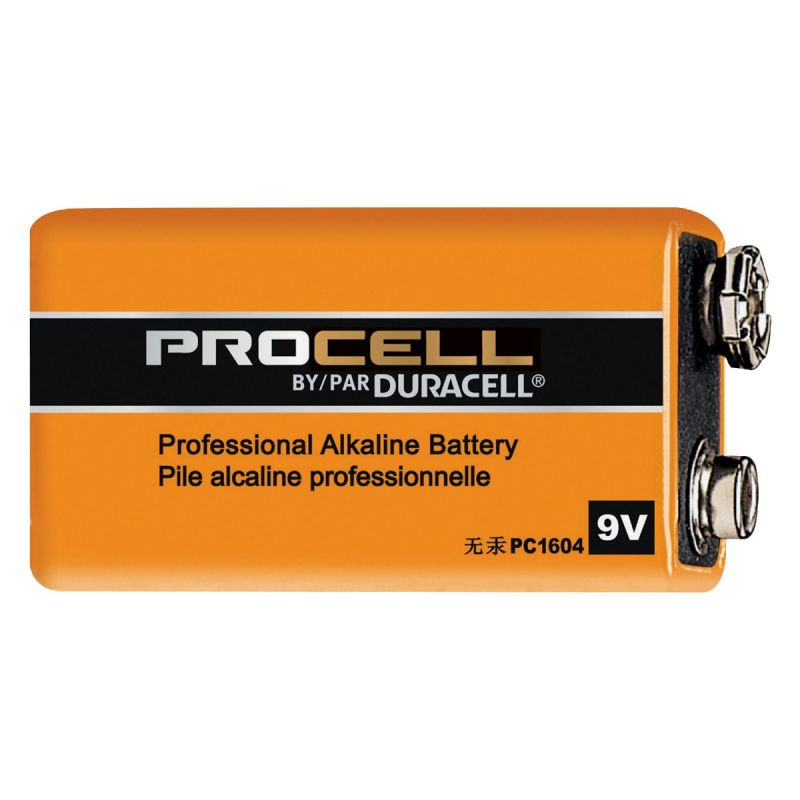
Duracell Procell Professional 9V Alkaline Batteries, 10-Pack
Premium alkaline with 600mAh+; better than consumer versions, solid 12-18 hours in pedals.
Best for: Budget-conscious players wanting reliability without lithium premium.
Price Range: $25-30
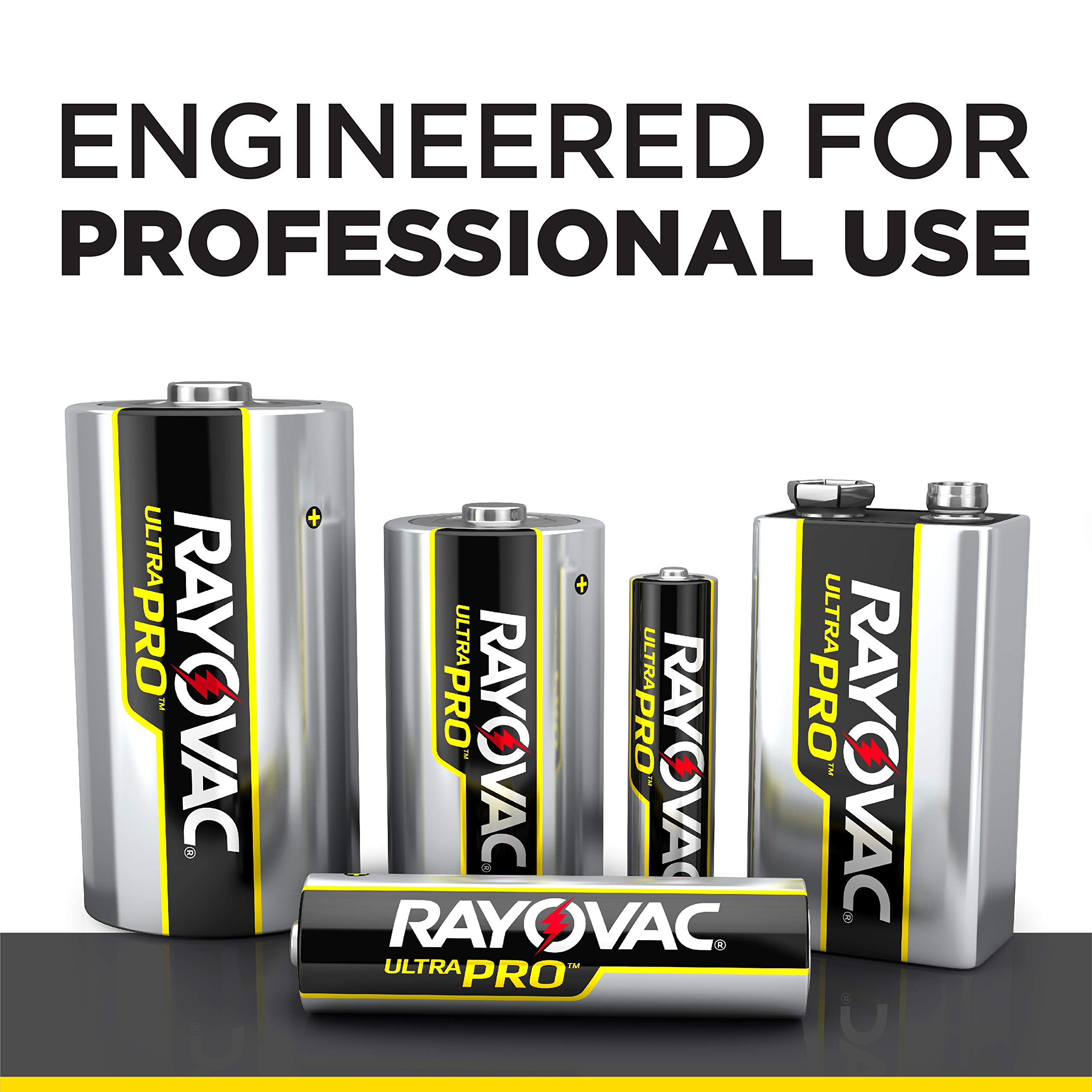
Rayovac UltraPro Alkaline 9V Batteries, 4-Pack
Excellent value alkaline (550mAh) with low self-discharge; outperforms generics in pedal tests.
Best for: Studio/home use for moderate drain pedals.
Price Range: $8-10
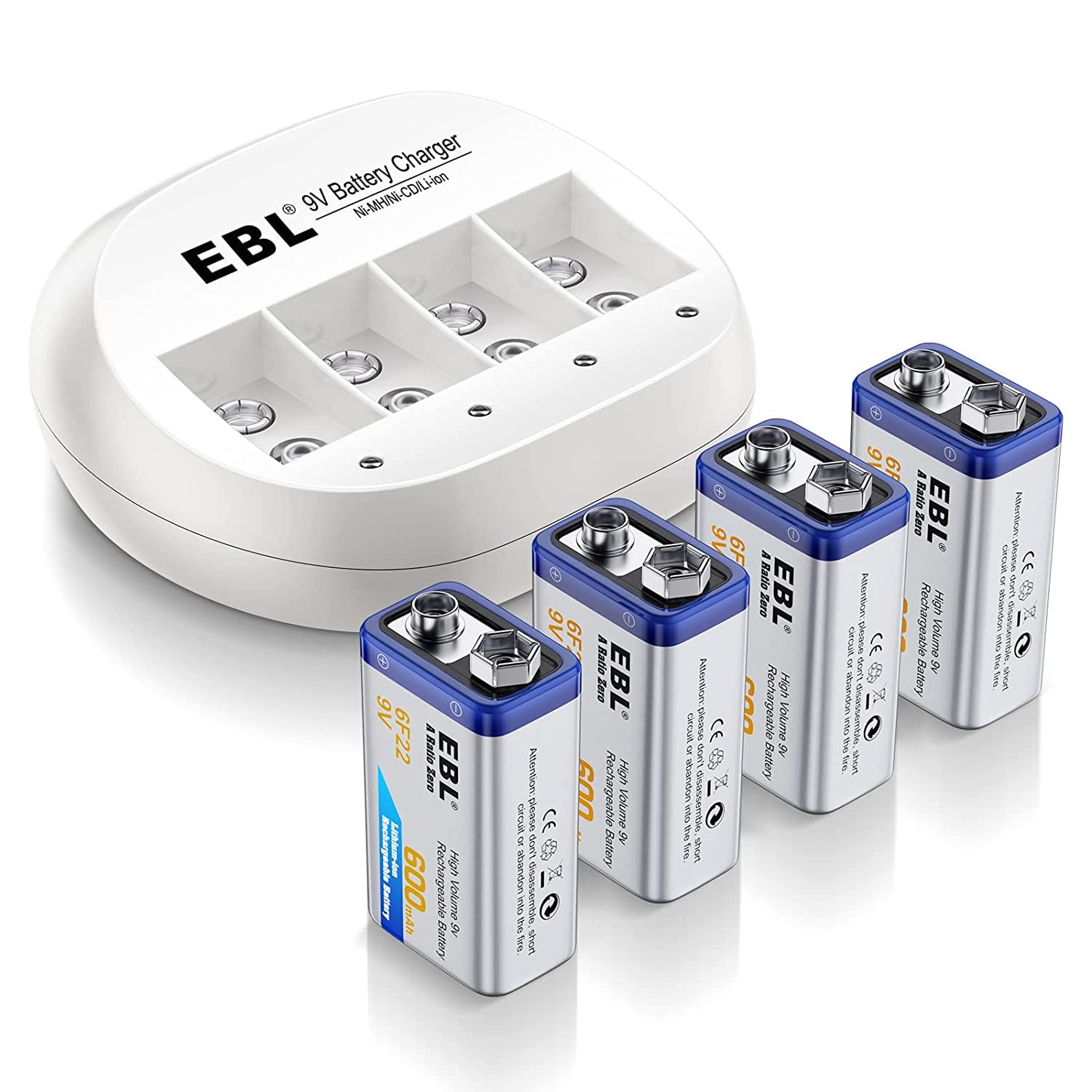
EBL 9V NiMH Rechargeable Batteries, 4-Pack + Charger
250mAh rechargeables for eco-friendly, cost-saving option; 500+ cycles if matched to low-draw.
Best for: Practice rigs or low-power pedals to avoid constant buying.
Price Range: $20-25
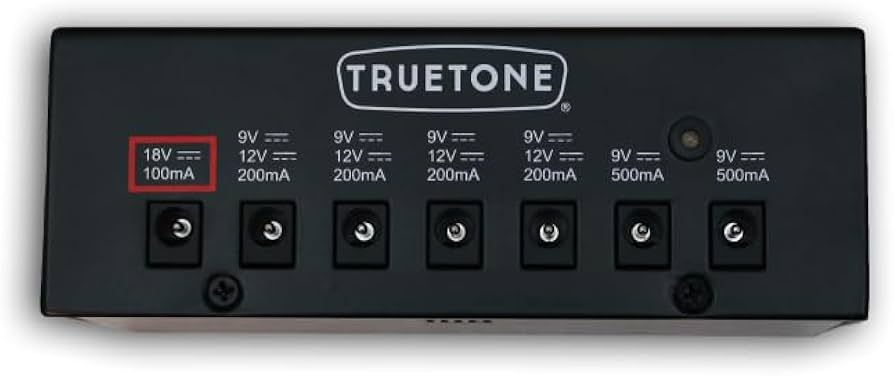
Truetone 1 SPOT CS7 9V Power Supply
Not a battery, but eliminates them entirely—unlimited 'life' for plugged-in setups.
Best for: Pedalboards where batteries are just backups.
Price Range: $20-25