Tired of your golf cart dying halfway through the course or before finishing yard work? Range is the top concern for 48V golf cart owners, and choosing the right battery can double your playtime or work efficiency. Poor battery selection leads to frequent recharges and frustration.
In this guide, you'll discover the factors that determine range, compare popular battery types like lead-acid and lithium-ion, evaluate top models based on real-world performance, and calculate expected mileage. By the end, you'll know exactly which 48V battery offers the best range for your needs—no guesswork required.
This explainer takes 10-15 minutes to read. It's designed for intermediate users familiar with basic golf cart maintenance but new to battery deep-dives.
▸What You'll Need
- •Your golf cart's specs (model, weight, terrain type)
- •Basic knowledge of volts and amp-hours (Ah)
- •Optional: Voltmeter or battery tester for verification
- •Access to online battery spec sheets
Estimated Time: 10-15 minutes
Difficulty: intermediate
▸Step-by-Step Instructions
Step 1: Grasp What Determines Golf Cart Range
Range isn't just about battery size—it's how far your cart travels on a full charge. Key factors include battery capacity (in amp-hours, Ah), efficiency of discharge, cart weight, terrain, speed, and accessories like lights or radios.
Analogy: Think of it like a car's gas tank. A bigger tank (higher Ah) means more miles, but driving uphill or with a heavy load burns fuel faster. For 48V systems, expect 20-50 miles from lead-acid vs. 40-80+ from lithium under ideal conditions.
Expect to note your cart's average load; this baseline helps later comparisons.
💡 Tips:
- •Weigh your cart fully loaded for accurate estimates.
- •Track current range with a GPS app for personalization.
Step 2: Compare Battery Chemistries: Lead-Acid vs. Lithium
Lead-acid batteries (flooded, AGM) are affordable but heavy and less efficient—usable capacity is only 50% before damage. Lithium (LiFePO4) batteries offer 80-100% usable capacity, weigh 50-70% less, and discharge evenly for superior range.
Example: A 200Ah lead-acid might give 25 miles; the same Ah lithium could hit 45+ miles due to higher efficiency.
Lithium wins for range but costs more upfront. Why it matters: Mismatched chemistry leads to underwhelming performance.
⚠️ Warnings:
- •Avoid deep-discharging lead-acid below 50% to prevent sulfation.
Step 3: Decode Key Specs for Maximum Range
Focus on Ah rating (total energy), C-rating (discharge speed), cycle life (>2000 for lithium), and BMS (battery management system) for safety.
Higher Ah = longer range, but pair with your cart's controller (typically 300-500A). Formula preview: Range (miles) ≈ (Ah × Volts × Efficiency × 0.75) / (Watt-hours per mile).
Expect lithium's BMS to optimize range by preventing over-discharge.
💡 Tips:
- •Look for 100Ah+ for 40+ mile range.
- •Verify drop-in replacement for your cart (e.g., Club Car, EZ-GO).
Step 4: Evaluate Top Lead-Acid 48V Batteries
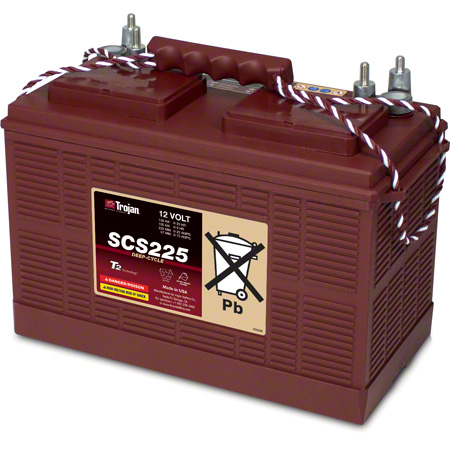
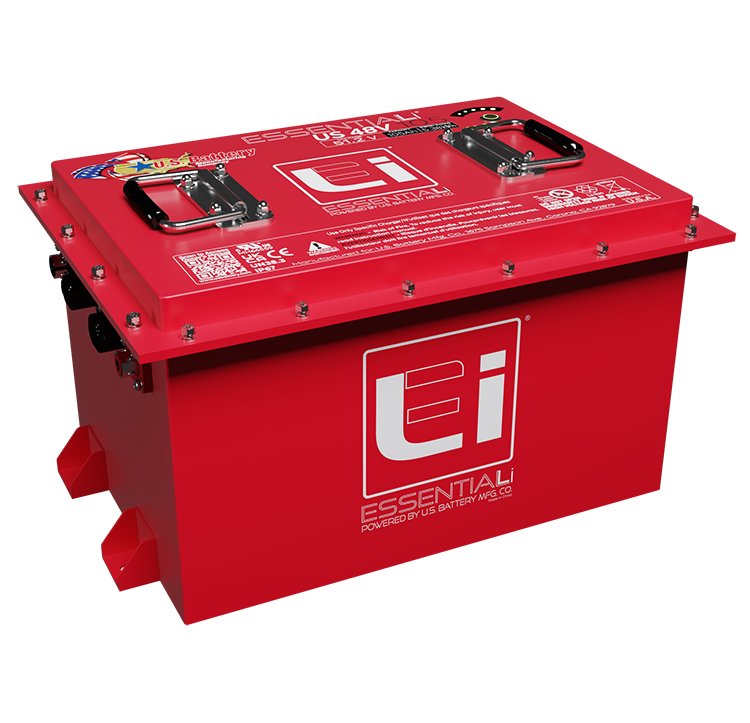
For budget range (20-35 miles), consider Trojan SCS225 AGM (225Ah effective) or US Battery 48VGC-HC. They're reliable for light use but require watering (flooded types).
Real-world: Users report 25-30 miles on flat courses. Why include? Great starter if lithium budget is tight.
Heavier (300+ lbs per pack), so range drops on hills.
Step 5: Spotlight Best Lithium 48V Batteries for Range
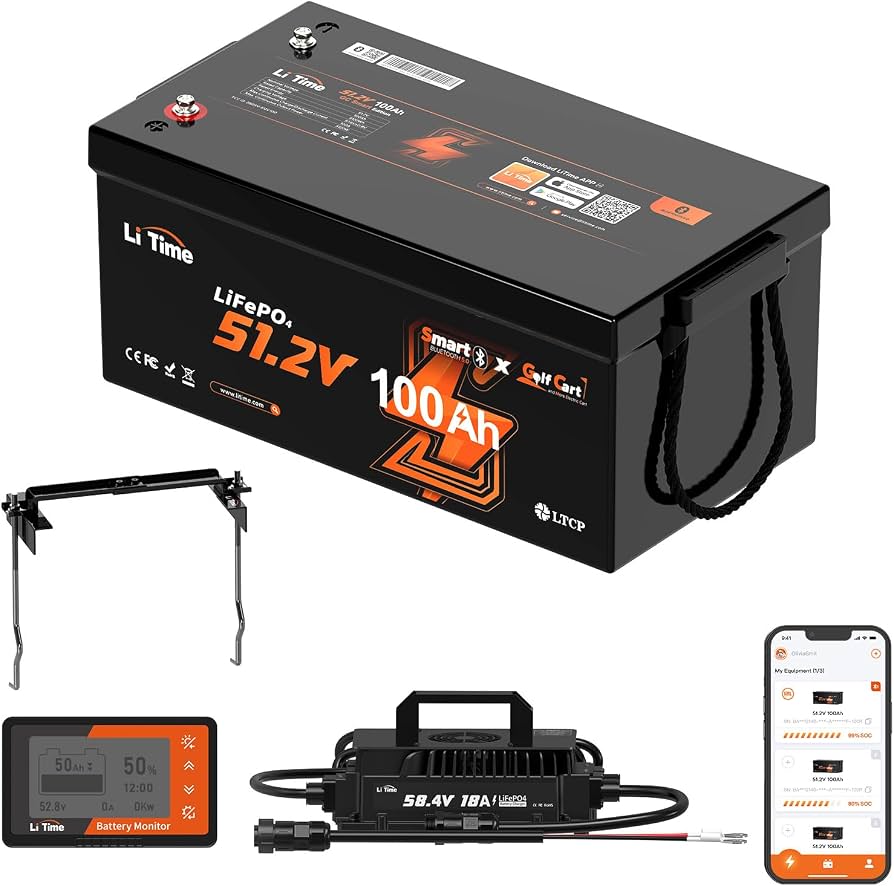
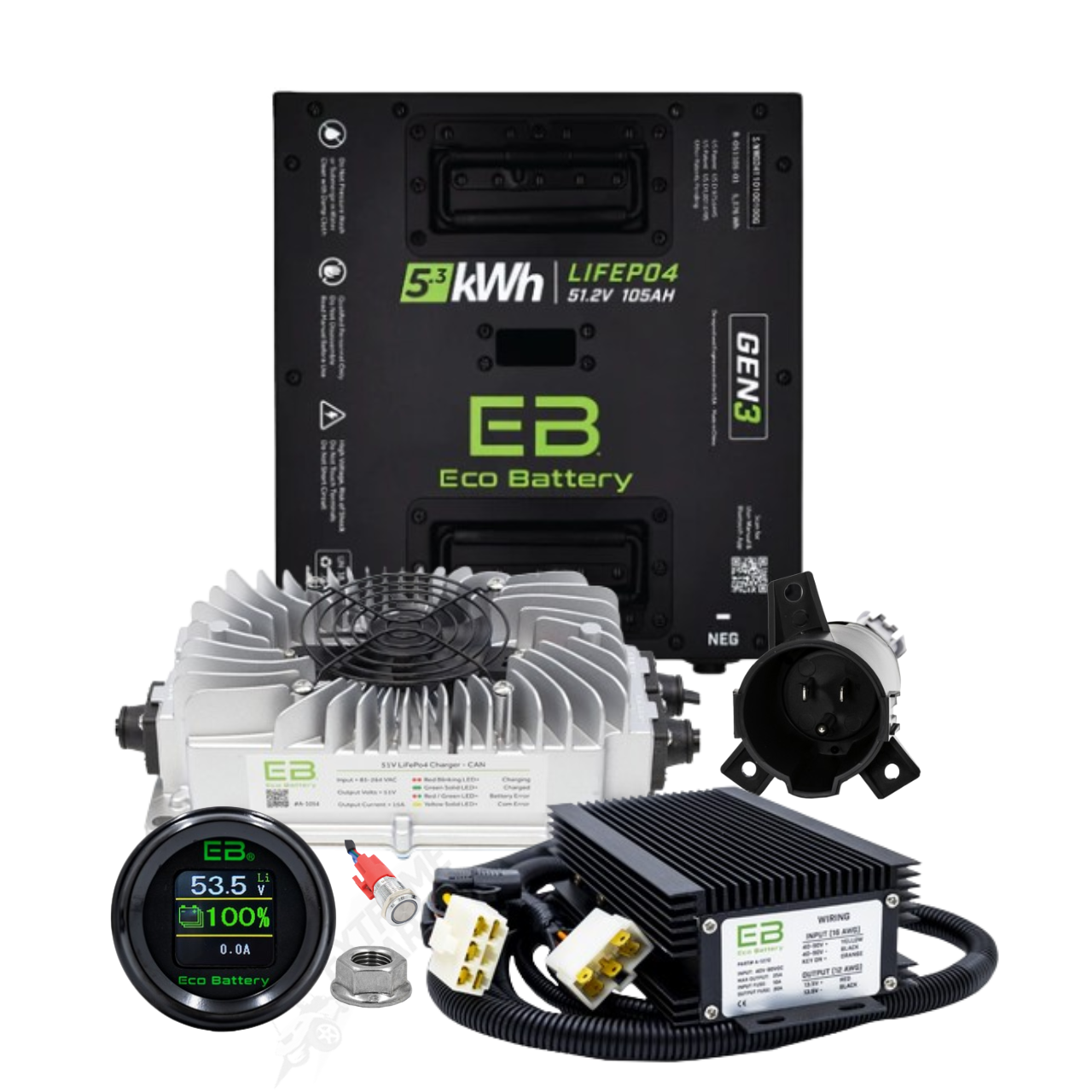
Lithium shines: LiTime 48V 100Ah (up to 60 miles), Eco Battery 48V 105Ah (70+ miles with Bluetooth monitoring). Lighter weight preserves motor efficiency.
Example: Replace 6x8V lead-acid with one 48V lithium for 2x range. BMS protects cells for consistent power.
Top for daily use—charge faster (2-4 hours).
💡 Tips:
- •Choose IP67 waterproof for outdoor carts.
Step 6: Calculate Your Expected Range
Use this: Range = (Battery Wh × Usable %) / Wh per mile. Wh = 48V × Ah. Wh/mile ≈ 25-40 (light cart) to 50+ (loaded).
Example: 48V 100Ah lithium (4800Wh × 0.95) / 30Wh/mile = 152 miles theoretical, realistic 50-60.
Test post-install: Full charge, standard loop.
⚠️ Warnings:
- •Overestimate at your peril—factor 20% buffer.
Step 7: Account for Real-World Range Killers
Tires (low pressure = 10% loss), old charger, hills, or regen braking affect output. Maintain tires at 18-22 PSI.
Analogy: Like a leaky bucket—fix leaks for full range. Lithium resists these better.
Monitor voltage sag under load.
▸Pro Tips
- •Upgrade to lithium gradually—one pack at a time if budget-limited.
- •Use a smart charger matching battery type to preserve capacity.
- •Balance load: Remove unnecessary accessories for 5-10% range boost.
- •Store at 50-70% charge in off-season for longevity.
- •Track range in a log to predict maintenance needs.
- •Opt for Bluetooth BMS batteries for real-time range estimates.
- •Pair with efficient motor controller for extra miles.
▸Common Mistakes to Avoid
- •Ignoring cart weight—overloads kill range; lighten up first.
- •Mixing battery types/ages—causes imbalance and 20% loss.
- •Cheap no-name brands—fake Ah ratings lead to short range.
- •Skipping maintenance—dirty terminals drop voltage 10%.
- •Overlooking warranty—lithium needs certified install.
▸Troubleshooting
Problem: Range suddenly drops 30%
Solution: Check connections, water levels (lead-acid), or BMS error (lithium). Full recharge and test.
Problem: Battery won't hold charge
Solution: Desulfate lead-acid or cycle lithium 3x. Replace if <80% capacity.
Problem: Uneven power delivery
Solution: Balance cells via charger. Seek pro if DIY fails.
Problem: Short range on hills
Solution: Reduce speed, check tire pressure. Upgrade to higher C-rate battery.
LiTime 48V 100Ah Golf Cart LiFePO4 Battery
Offers 50-60 mile range with 100% usable capacity, lightweight (66 lbs), and built-in BMS for safety.
Best for: Daily golfing or neighborhood cruising needing long range.
Price Range: $799-$899
Eco Battery 48V 105Ah Premium Lithium
Bluetooth monitoring tracks real range/SOC, 70+ mile potential, 5000+ cycles.
Best for: Pro users wanting data-driven maintenance and max range.
Price Range: $1,200-$1,400
Trojan SCS225 48V AGM Battery
Reliable 25-35 mile range, maintenance-free, budget-friendly for upgrades.
Best for: Casual users transitioning from flooded lead-acid.
Price Range: $500-$600
US Battery US-48VGC-HC 48V Pack
Deep-cycle design for hilly terrain, consistent 30-mile range.
Best for: Heavy-duty yard work or rentals.
Price Range: $550-$650
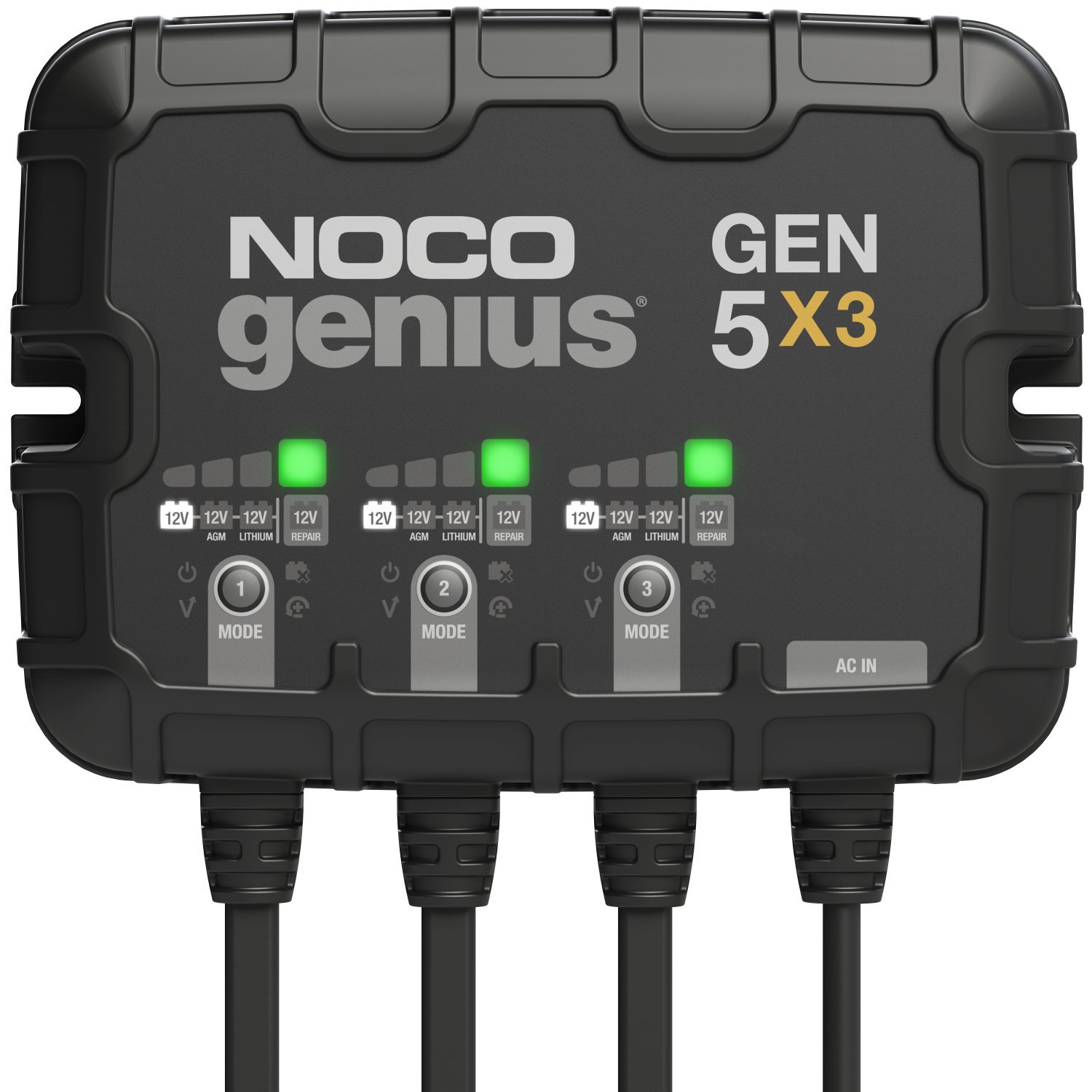
NOCO Genius GEN5X3 Charger
Smart 48V charger optimizes charge for full capacity, extending range life.
Best for: All batteries to maintain peak performance.
Price Range: $150-$200