

Battle Born BB10012 100Ah 12V LiFePO4 Battery
Full-time off-grid with solar; build 400Ah bank.
$800-$900
Battle Born BB10012 100Ah 12V LiFePO4 Battery Top-rated for RVs with 3,000+ cycles, lightweight, and built-in BMS for safety.
Get the App
Better experience on mobile
Learn the top 12V battery types for reliable off-grid RV power, compare pros/cons, and select the best for your boondocking adventures.
Imagine pulling into a remote campsite with no hookups, confident your lights, fridge, and fans will run for days without a generator's roar. Off-grid RVing offers ultimate freedom, but it hinges on the right 12V battery setup. Many RVers struggle with dead batteries mid-trip due to mismatched types or poor sizing.
In this guide, you'll discover the main 12V battery technologies powering off-grid RVs—flooded lead-acid, AGM, gel, and lithium (LiFePO4)—with clear comparisons, sizing tips, and real-world advice. Whether upgrading from stock batteries or starting fresh, you'll learn how to choose and maintain batteries for 3-7+ days of self-sufficiency. Expect intermediate concepts like amp-hour calculations; no hands-on install needed here, just 25-35 minutes to master the essentials.
Estimated Time: 25-35 minutes Difficulty: intermediate
Start by listing all 12V DC appliances (lights, fridge, pumps) and AC loads via inverter (microwave, coffee maker). Note their wattage and daily runtime hours. Multiply watts by hours for watt-hours (Wh), then divide by 12V for amp-hours (Ah) needed.
This baseline ensures your battery bank matches usage—e.g., a fridge (50W, 24hrs) needs ~100Ah/day. Undersizing leads to blackouts; oversizing wastes money.
Example: LED lights (10W, 5hrs) + fan (30W, 8hrs) + fridge = ~200Ah daily draw.
💡 Tips:
⚠️ Warnings:
These affordable, heavy batteries use liquid electrolyte and are common in entry-level RVs. They deliver 50% usable capacity (e.g., 100Ah battery gives 50Ah before damage).
Pros: Cheap ($100-200/100Ah), high surge power for starters. Cons: Require venting, weekly watering, and can't discharge below 50% without sulfation.
Best for budget boondockers with shore power access most times.
💡 Tips:
⚠️ Warnings:
Sealed AGM batteries absorb electrolyte in glass mats, making them spill-proof and maintenance-free. Usable to 50-80% discharge with 400-600 cycles.
Pros: Vibration-resistant for RV travel, faster charging, no venting needed. Cons: Still heavy, moderate cost ($200-350/100Ah).
Ideal upgrade for weekend warriors wanting reliability without fuss.
💡 Tips:
⚠️ Warnings:
Gel batteries gel-ify the electrolyte for deep-cycle use, tolerant to 80% discharge but slower charging.
Pros: Excellent for hot climates, long life (500+ cycles), fully sealed. Cons: Pricey for capacity ($250-400/100Ah), sensitive to overvoltage.
Suited for solar-heavy setups in deserts.
💡 Tips:
⚠️ Warnings:
Lithium iron phosphate (LiFePO4) batteries dominate off-grid RVs with 100% usable capacity, 3,000-5,000 cycles, and lightweight design (half lead-acid weight).
Pros: Fast charge (1-2hrs), operate in -4°F to 140°F, built-in BMS for safety. Cons: High upfront cost ($700-1,000/100Ah).
Game-changer for full-timers—powers 5-7 days easily.
💡 Tips:
⚠️ Warnings:
Key metrics: Lead-acid (50% DoD, 300 cycles, 60lbs/100Ah), AGM (80% DoD, 500 cycles, 65lbs), Gel (80% DoD, 700 cycles, 70lbs), Lithium (100% DoD, 4000 cycles, 30lbs).
Lithium wins for longevity/weight; lead-acid for budget. Match to budget, weight limits, and runtime goals.
💡 Tips:
Multiply daily Ah by desired days (e.g., 200Ah/day x 3 days = 600Ah). Divide by usable DoD (e.g., /0.5 for lead-acid = 1,200Ah total). Wire in parallel for capacity.
Add 20% buffer for solar variability.
💡 Tips:
⚠️ Warnings:
Off-grid needs alternator, solar (200-400W panels), or generator. Lithium charges 5x faster from solar.
Size charger to battery Ah (e.g., 30A for 200Ah bank).
💡 Tips:
Problem: Battery won't hold charge
Solution: Check connections, sulfation (equalize lead-acid), or bad cells (replace). Test with load tester.
Problem: Rapid voltage drop under load
Solution: Undersized bank or aged cells; measure Ah capacity and upgrade.
Problem: BMS shutting down lithium battery
Solution: Overheat or low temp; let cool/warm, check charger voltage (14.4V max).
Problem: Slow solar charging
Solution: Dirty panels or wrong MPPT settings; clean and reprogram controller.
Top-rated for RVs with 3,000+ cycles, lightweight, and built-in BMS for safety.
Best for: Full-time off-grid with solar; build 400Ah bank.
Price Range: $800-$900
Reliable, maintenance-free upgrade from flooded; vibration-proof for travel.
Best for: Weekend boondocking on budget.
Price Range: $220-$280
High capacity at AGM price; excellent surge for inverters.
Best for: Heavy AC loads like CPAP or microwave.
Price Range: $300-$350
Budget lithium alternative with Grade A cells and 4,000 cycles.
Best for: Cost-conscious full-timers needing longevity.
Price Range: $300-$400
Cheap flooded option for starters; familiar SLA tech.
Best for: Temporary or low-use setups.
Price Range: $100-$150
Full-time off-grid with solar; build 400Ah bank.
Battle Born BB10012 100Ah 12V LiFePO4 Battery Top-rated for RVs with 3,000+ cycles, lightweight, and built-in BMS for safety.
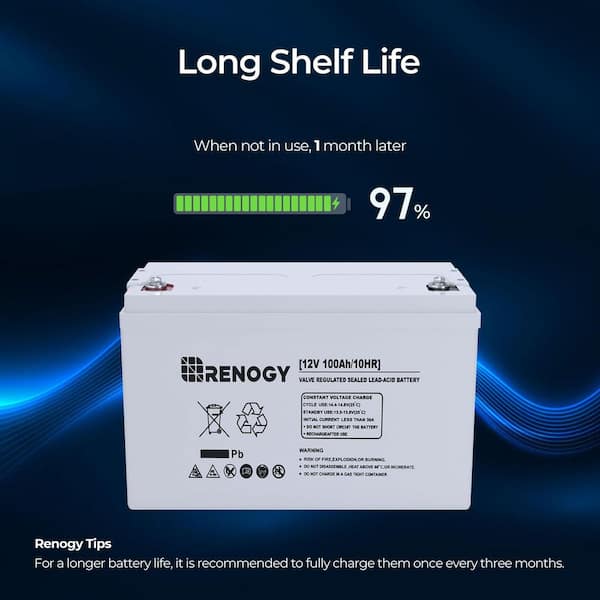
Weekend boondocking on budget.
Renogy 12V 100Ah AGM Deep Cycle Battery Reliable, maintenance-free upgrade from flooded; vibration-proof for travel.
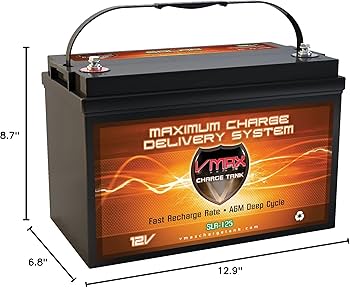
Heavy AC loads like CPAP or microwave.
VMAXTANKS VMAX SLR125 12V 125Ah AGM Battery High capacity at AGM price; excellent surge for inverters.
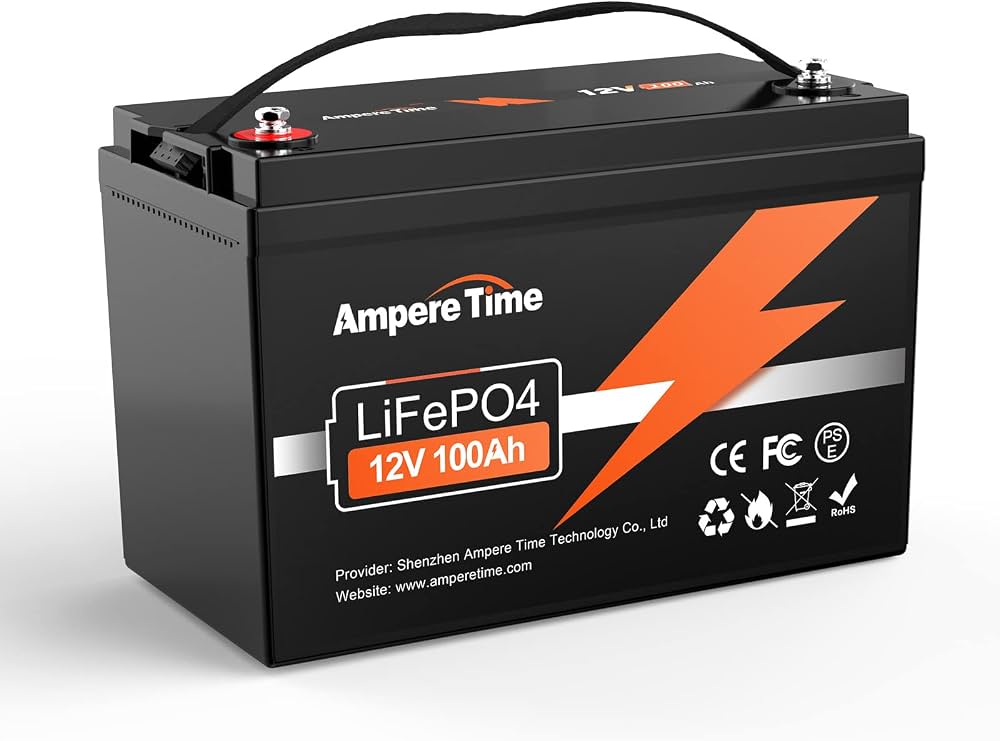
Cost-conscious full-timers needing longevity.
Ampere Time 12V 100Ah LiFePO4 Battery Budget lithium alternative with Grade A cells and 4,000 cycles.
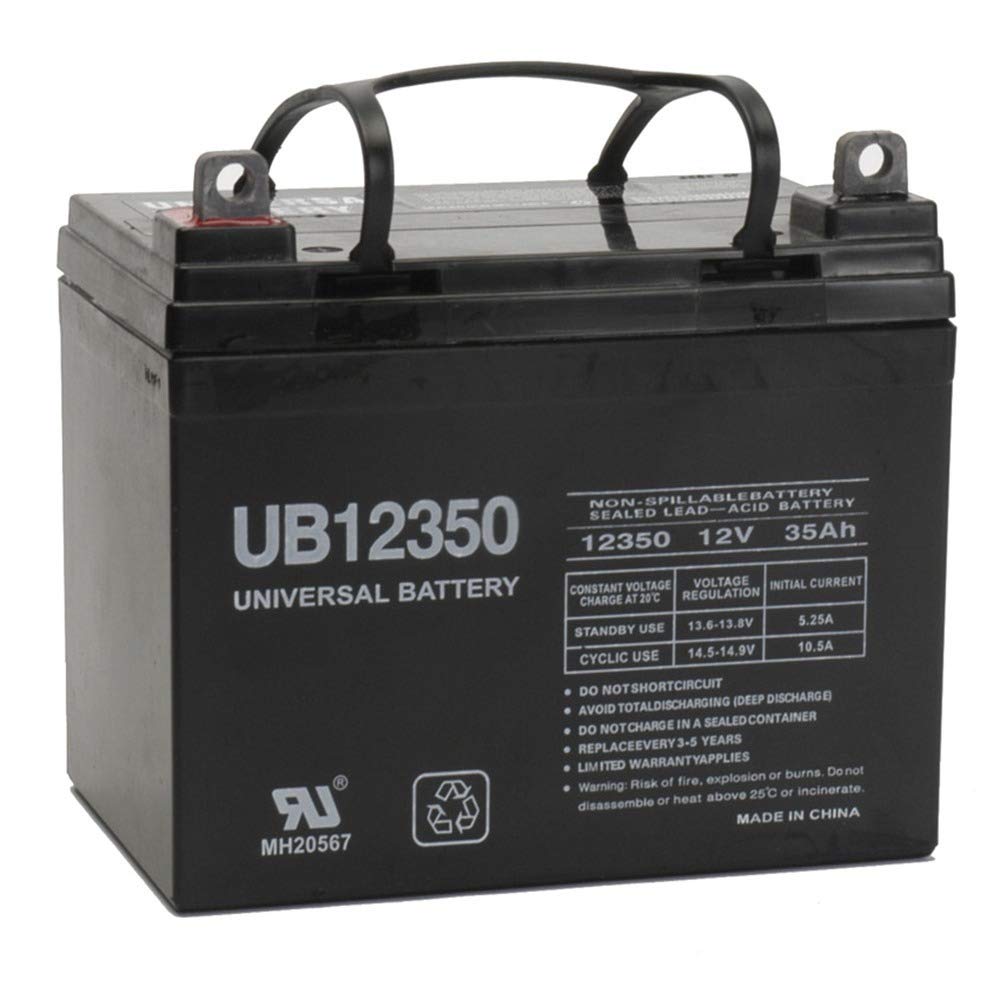
Temporary or low-use setups.
Universal Power Group UB12350 Universal Battery Cheap flooded option for starters; familiar SLA tech.