

Klein Tools MM325 Digital Multimeter
Testing individual and series voltages before solar integration.
$29.99
Klein Tools MM325 Digital Multimeter Accurate DC voltage/continuity for precise balancing in advanced solar wiring.
Get the App
Better experience on mobile
Master connecting 6V deep-cycle batteries in series to boost voltage for reliable off-grid solar systems, with pro tips for advanced setups.
In solar projects, achieving the right voltage is crucial for efficiency, especially when using popular 6V deep-cycle batteries like those from golf carts or RVs. Wiring them in series adds voltages (e.g., two 6V batteries make 12V) while keeping capacity the same, powering inverters, controllers, and loads effectively. But mismatches or poor connections can lead to imbalances, reduced lifespan, or fires—common pitfalls for advanced DIYers scaling up off-grid systems.
This guide teaches you to safely wire multiple 6V batteries in series for solar applications, ensuring balanced charging and maximum performance. You'll learn precise steps, from inspection to integration with your solar charge controller. Expect 20-30 minutes for a 2-4 battery bank, assuming advanced skills like voltage balancing and terminal torquing.
By the end, you'll have a tested series string ready for your MPPT controller, delivering stable higher voltage without guesswork.
Estimated Time: 20-30 minutes for 4-battery bank Difficulty: advanced
Choose a well-ventilated, non-flammable area away from sparks or flames. Disconnect all batteries from any loads or chargers. Don safety glasses, insulated gloves, and have a Class C fire extinguisher nearby. Why? 6V flooded batteries contain sulfuric acid and can produce hydrogen gas during charging, risking explosion.
Lay batteries on wooden blocks or non-conductive surfaces to prevent shorting. Label positive (+) and negative (-) terminals clearly with tape if faded.
💡 Tips:
⚠️ Warnings:
Visually check each 6V battery for cracks, leaks, bulging, or corrosion. Clean terminals with a wire brush and baking soda solution (1:1 with water), then rinse and dry. Match batteries by model, capacity (e.g., all 220Ah), and age—series wiring amplifies weaknesses, causing imbalances in solar charging.
Record specs: Ensure all are flooded or AGM type for solar deep-cycle use.
💡 Tips:
⚠️ Warnings:
Set multimeter to DC volts (20V range). Touch red probe to positive (+), black to negative (-) on each battery. Fully charged 6V batteries read 6.3-6.4V; discharged ~5.8V. All should be within 0.1V of each other for balance.
Charge individually if needed to equalize. Success: Consistent readings indicate a healthy string.
💡 Tips:
⚠️ Warnings:
Take battery 1 and 2. Connect positive (+) terminal of battery 1 to negative (-) of battery 2 using interconnect cable. Tighten with torque wrench to 8-10 Nm. Apply dielectric grease to prevent corrosion.
Why series? Voltages add (12V total), ideal for 12V solar controllers. Expect no sparks if voltages match.
💡 Tips:
⚠️ Warnings:
For 3+ batteries, connect + of previous to - of next (e.g., +2 to -3). Continue until all chained. The free ends are total bank's + (from first battery) and - (from last). Keep cables short (<2 ft) to minimize voltage drop in solar current flow.
Visually confirm a daisy-chain: no parallel crosses.
💡 Tips:
Measure across the entire bank's + and - terminals. Expect 6V x number (e.g., 24V for 4). Check continuity between chained terminals (0 ohms) and isolate others (infinite). No heat or voltage sag means success.
Why test? Confirms no opens/shorts before solar hookup.
💡 Tips:
⚠️ Warnings:
Cap unused terminals, strap batteries securely. Connect bank's + to solar controller's battery +, - to -. Program controller for series voltage (e.g., 24V). Monitor first charge cycle for balance.
Success: Stable voltage under load, even charging via MPPT.
💡 Tips:
Problem: Total voltage lower than expected
Solution: Check connections for looseness/corrosion; re-measure individuals. Unequal? Rotate or replace outlier.
Problem: Bank heats up or smells
Solution: Immediate disconnect—short or imbalance. Inspect cables, retry with meter.
Problem: Uneven charging in solar
Solution: Add active balancer; equalize charge. Monitor with shunt.
Problem: Sparks on connect
Solution: Polarity reversed or live load—confirm off, retry.
Accurate DC voltage/continuity for precise balancing in advanced solar wiring.
Best for: Testing individual and series voltages before solar integration.
Price Range: $29.99
Heavy-duty tinned copper minimizes resistance/drop in high-amp solar banks.
Best for: Linking 6V batteries for 24V/48V strings.
Price Range: $19.99 per pair
Precise 8-10 Nm for secure terminals without stripping, pro standard.
Best for: Tightening series connections safely.
Price Range: $24.99
Solar-optimized, vibration-resistant for reliable series strings.
Best for: Building matched banks for off-grid projects.
Price Range: $250-$300
Distributes current evenly for multi-battery solar setups.
Best for: Final +/− terminals to controller/inverter.
Price Range: $15.99
Testing individual and series voltages before solar integration.
Klein Tools MM325 Digital Multimeter Accurate DC voltage/continuity for precise balancing in advanced solar wiring.
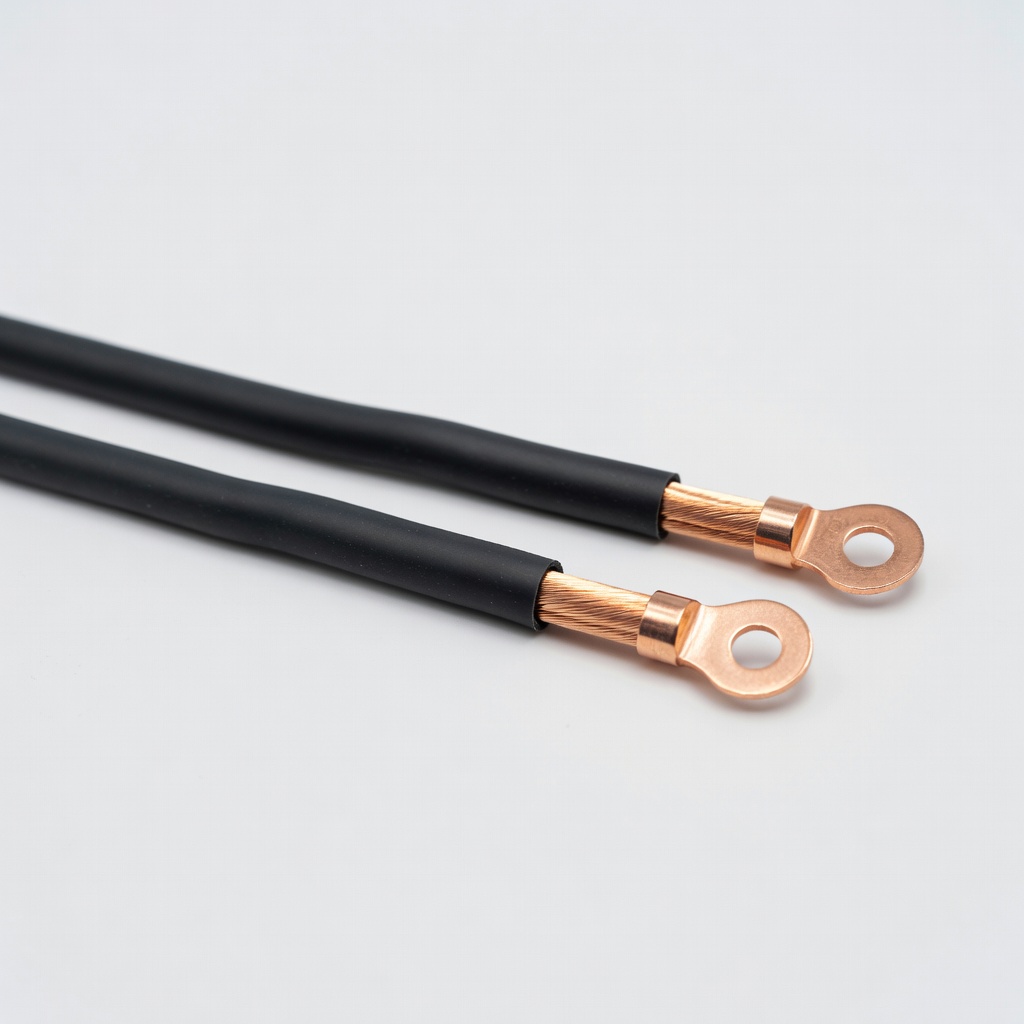
Linking 6V batteries for 24V/48V strings.
WindyNation 4/0 AWG Battery Interconnect Cables (10 inch) Heavy-duty tinned copper minimizes resistance/drop in high-amp solar banks.

Tightening series connections safely.
ACDelco ARM601-3 Heavy Duty Torque Wrench Precise 8-10 Nm for secure terminals without stripping, pro standard.
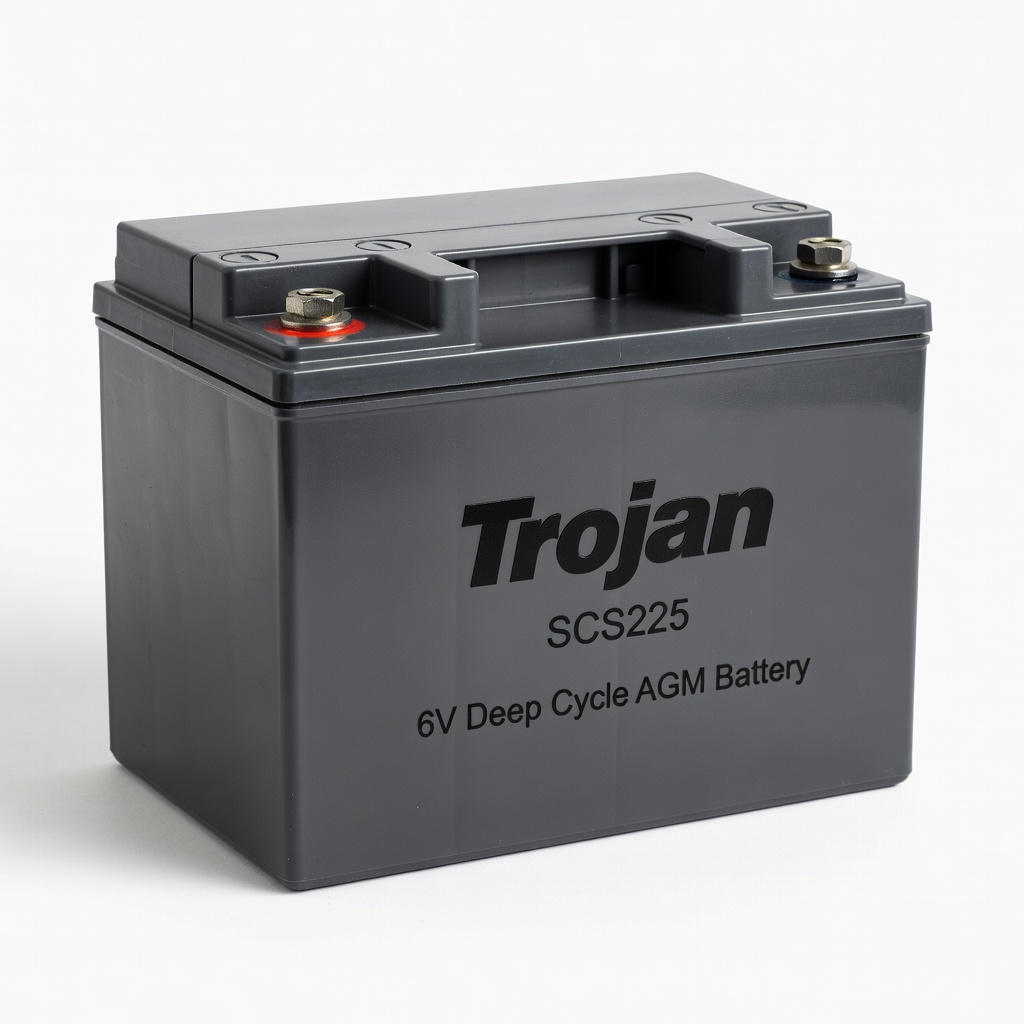
Building matched banks for off-grid projects.
Trojan SCS225 6V Deep Cycle AGM Battery Solar-optimized, vibration-resistant for reliable series strings.
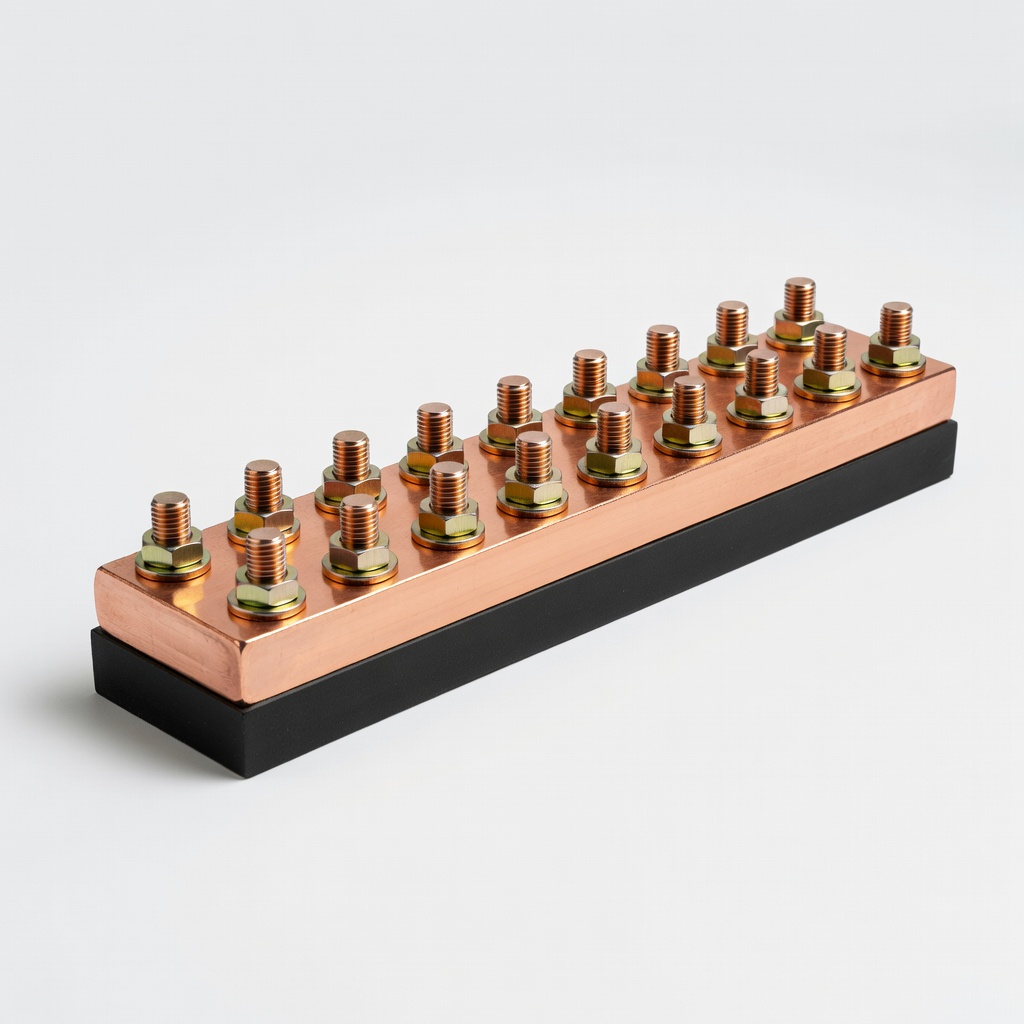
Final +/− terminals to controller/inverter.
YAECCC 400A Battery Bus Bar Distributes current evenly for multi-battery solar setups.