Antique clocks are not just timepieces; they're cherished heirlooms that tell stories of craftsmanship and history. However, improper winding or storage can lead to mechanical failure, rust, or loss of value—common pitfalls for collectors who end up with silent, damaged pieces. If you've ever watched your grandfather clock grind to a halt or found dust caking your mantel clock, you're not alone. This guide addresses these pain points by teaching you reliable methods to keep your collection alive and pristine.
In this comprehensive how-to, you'll learn the step-by-step process for safely winding various antique clock types, from spring-driven mantel clocks to weight-driven grandfather models, and the best storage practices to protect against environmental threats. We'll cover everything from preparation to post-winding care, empowering you to handle your antiques with confidence. Expect this to take 20-40 minutes per clock, depending on its size and type—perfect for intermediate collectors with some basic mechanical familiarity.
By the end, your clocks will run smoothly, and you'll know how to store them securely during off-seasons or moves, preserving their beauty and functionality for years to come.
▸What You'll Need
- •Clock-specific winding key (required; match to your clock's arbor size, e.g., #8 or #00 for small mantel clocks)
- •Soft microfiber cloth (required for cleaning)
- •Clock oil or lubricant (optional but recommended for squeaky mechanisms)
- •Stable, flat workspace (required; avoid vibrations)
- •Humidity-controlled storage box or case (optional for long-term storage)
- •Gloves (optional to prevent oils from hands on metal parts)
Estimated Time: 20-40 minutes per clock, plus 10 minutes for storage setup
Difficulty: intermediate
▸Step-by-Step Instructions
Step 1: Identify Your Clock Type
Before winding, determine if your antique clock is spring-driven (common in mantel or wall clocks) or weight-driven (like grandfather clocks). Examine the mechanism: springs use a key-turned arbor, while weights hang on chains or cables. This step is crucial because using the wrong method can damage delicate gears.
Consult your clock's manual if available, or look for hallmarks like the maker's name (e.g., Seth Thomas or Hermle). Success here looks like knowing exactly how to access the winding points— no guesswork.
Why it matters: Antique clocks from the 18th-20th centuries vary widely; misidentification leads to over-winding or improper tension, shortening the clock's life.
💡 Tips:
- •Take photos of the mechanism for reference if you're unsure.
- •Search online for your clock model using the maker's name for quick confirmation.
⚠️ Warnings:
- •Avoid forcing any parts; if unclear, consult a professional horologist.
Step 2: Prepare Your Workspace
Set up a clean, well-lit area on a stable table covered with a soft cloth to prevent scratches. Remove any nearby heat sources or drafts, as temperature fluctuations can affect the mechanism. For weight-driven clocks, ensure chains or cables are untangled and weights are positioned safely.
Gather your tools and wear gloves if handling brass parts to avoid fingerprints. This preparation ensures a smooth process and minimizes risks to the clock's finish.
Expect a calm, organized space where the clock feels secure—success is feeling ready without rushing.
💡 Tips:
- •Work during daylight or use a magnifying light for intricate details.
⚠️ Warnings:
- •Never wind on an uneven surface; vibrations can misalign gears.
Step 3: Clean the Exterior Gently
Before winding, dust the clock case with a soft microfiber cloth. For wooden cases, use a slightly damp cloth followed by dry wiping; avoid chemicals on antiques. This removes grime that could transfer to mechanisms and ensures the clock's aesthetic value remains intact.
For metal parts, a gentle polish with a cloth is fine, but skip if the patina is original. You'll notice the clock looking brighter and more vibrant, signaling it's ready for internal care.
Why it matters: Dirt buildup can cause friction during winding, leading to wear on antique components.
💡 Tips:
- •Test any cleaner on a hidden spot first.
⚠️ Warnings:
- •Do not submerge any part in water; antiques aren't waterproof.
Step 4: Wind the Spring Mechanism
Insert the correct winding key onto the arbor (the square post on the dial or backplate). Turn clockwise gently for most right-hand winders—never force it. Wind until resistance builds but stops short of full tightness; aim for 3/4 full to avoid overwinding.
Listen for smooth clicks; jerky motion means stop and check. Success: The spring feels evenly tensioned, and the clock's hands advance steadily when released.
For multiple springs (e.g., time and strike), wind each separately. This keeps the clock running 7-8 days without strain.
💡 Tips:
- •Wind in short bursts, pausing to check progress.
⚠️ Warnings:
- •Overwinding can snap springs—err on the side of under-winding.
Step 5: Handle Weight-Driven Clocks
For grandfather or similar clocks, lift the weights carefully using the provided handles or chains. Raise them to the top of the case without letting them drop, then secure if needed. Ensure pulleys turn freely.
This replenishes gravitational energy for the escapement. Expect the weights to sit evenly, with no twisting in cables— a sign of proper setup.
Why it matters: Improper handling can fray chains or damage the going barrel.
💡 Tips:
- •Have a helper for tall clocks to avoid tipping.
⚠️ Warnings:
- •Never lift by the weights themselves; use chains to prevent bends.
Step 6: Apply Lubrication if Needed
If the clock squeaks or runs unevenly, apply a drop of clock oil to pivot points using a fine applicator. Avoid over-oiling, as it attracts dust. For antiques, use synthetic oils suited for brass gears.
Post-lubrication, run the clock briefly to distribute. Success: Smoother ticking without residue buildup.
This step extends mechanism life but is optional for routine winding.
💡 Tips:
- •Oil every 3-5 years or as per manufacturer guidelines.
⚠️ Warnings:
- •Household oils like WD-40 damage antiques—use only horological lubricants.
Step 7: Test the Clock's Operation
Set the clock to the correct time and let it run for 10-15 minutes. Observe for steady ticking, proper chimes (if applicable), and no unusual noises. Adjust the pendulum if the clock gains or loses time.
If it stops immediately, rewind gently. Expect consistent movement—your clock should keep accurate time within a few minutes per day.
Why it matters: This verifies the winding was successful and catches issues early.
💡 Tips:
- •Compare against a modern clock for accuracy.
⚠️ Warnings:
- •Don't set time while the pendulum swings; it can stop the mechanism.
Step 8: Store the Clock Safely
For non-running periods, place in a padded case or box in a cool, dry room (45-55% humidity, 60-70°F). Remove weights and springs if storing long-term, wrapping parts individually in acid-free tissue.
Elevate off the floor to avoid dampness. Success: Clock remains dust-free and stable, ready for future use without corrosion.
This prevents environmental damage, preserving value.
💡 Tips:
- •Use silica gel packets in storage for humidity control.
⚠️ Warnings:
- •Avoid attics or basements; extreme temps warp wood and rust metal.
▸Pro Tips
- •Wind clocks at the same time weekly to build a routine and catch issues early.
- •Keep a log of winding dates and any observations for tracking maintenance needs.
- •For travel, transport clocks face-up to prevent oil migration in mechanisms.
- •Use a clock stand for display storage to reduce vibration from shelves.
- •If your clock has a beat adjustment, tweak it slightly for better timekeeping.
- •Invest in a hygrometer to monitor storage conditions precisely.
- •Gently tap the case if the clock hesitates starting post-winding.
▸Common Mistakes to Avoid
- •Overwinding springs, which snaps delicate parts—avoid by stopping at firm resistance.
- •Storing in humid areas, leading to rust—always check environment with a hygrometer.
- •Using wrong key size, stripping arbors—measure precisely before buying.
- •Ignoring cleaning, causing dust to gum up gears—dust regularly but gently.
- •Setting time during operation, jamming the movement—wait for stillness.
▸Troubleshooting
Problem: Clock stops shortly after winding
Solution: Check for overwinding or tangles; rewind gently or consult a professional if gears seem stuck.
Problem: Erratic ticking or chiming
Solution: Clean and lubricate pivots; adjust pendulum length for balance. Seek horologist if persists.
Problem: Weights slip or chains fray
Solution: Inspect and replace chains; wind slowly to avoid twists. Professional repair for severe wear.
Problem: Condensation or rust during storage
Solution: Move to drier area and use dehumidifiers; unwrap and air out periodically.
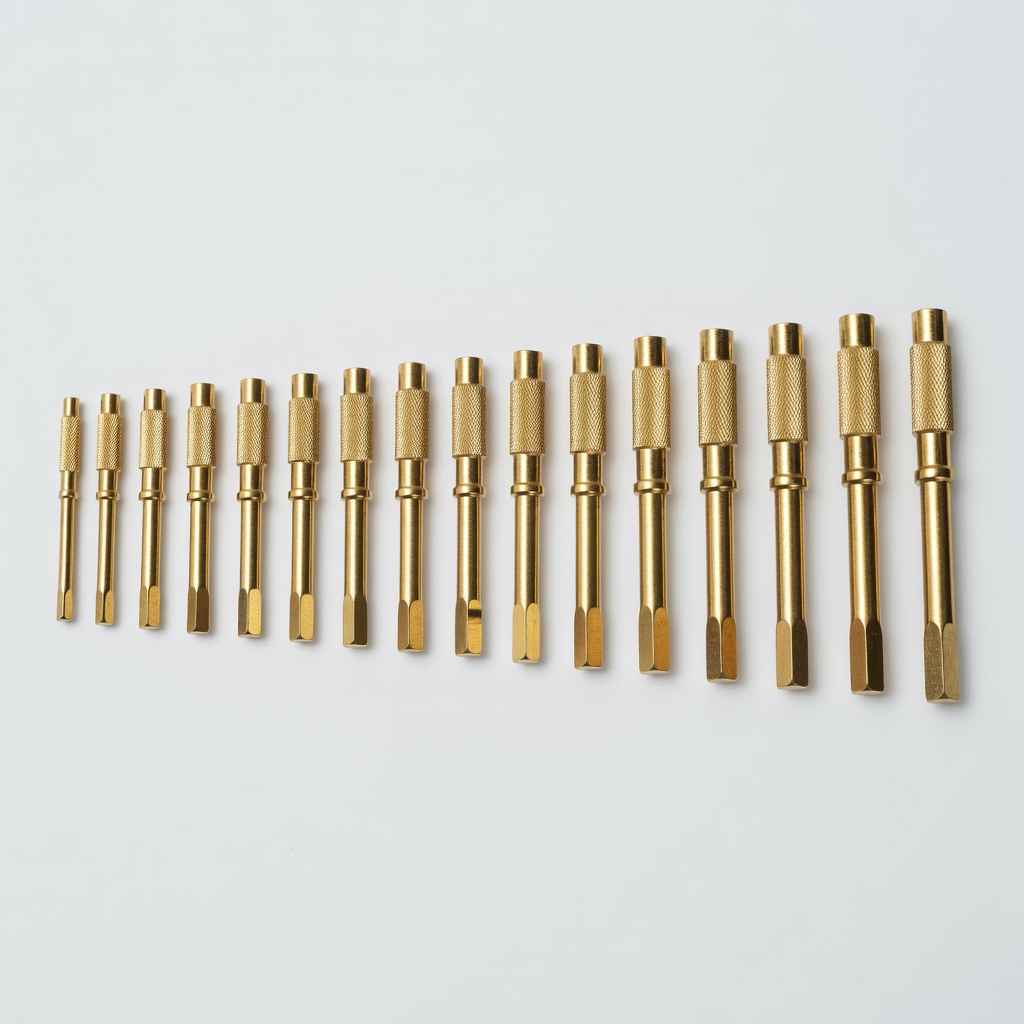
U.T.S 000 to 16 Clock Winding Key Assortment
This set includes keys for various arbor sizes, essential for different antique clock types without needing multiple purchases.
Best for: Use when winding spring-driven clocks to ensure a perfect fit and prevent damage to the arbor.
Price Range: $12.99
Schaefer Tools 1010 Synton Synthetic Clock Oil
High-quality, non-gumming oil designed for antique mechanisms, extending gear life without attracting dust.
Best for: Apply sparingly during maintenance for squeaky or slow-running clocks.
Price Range: $19.95
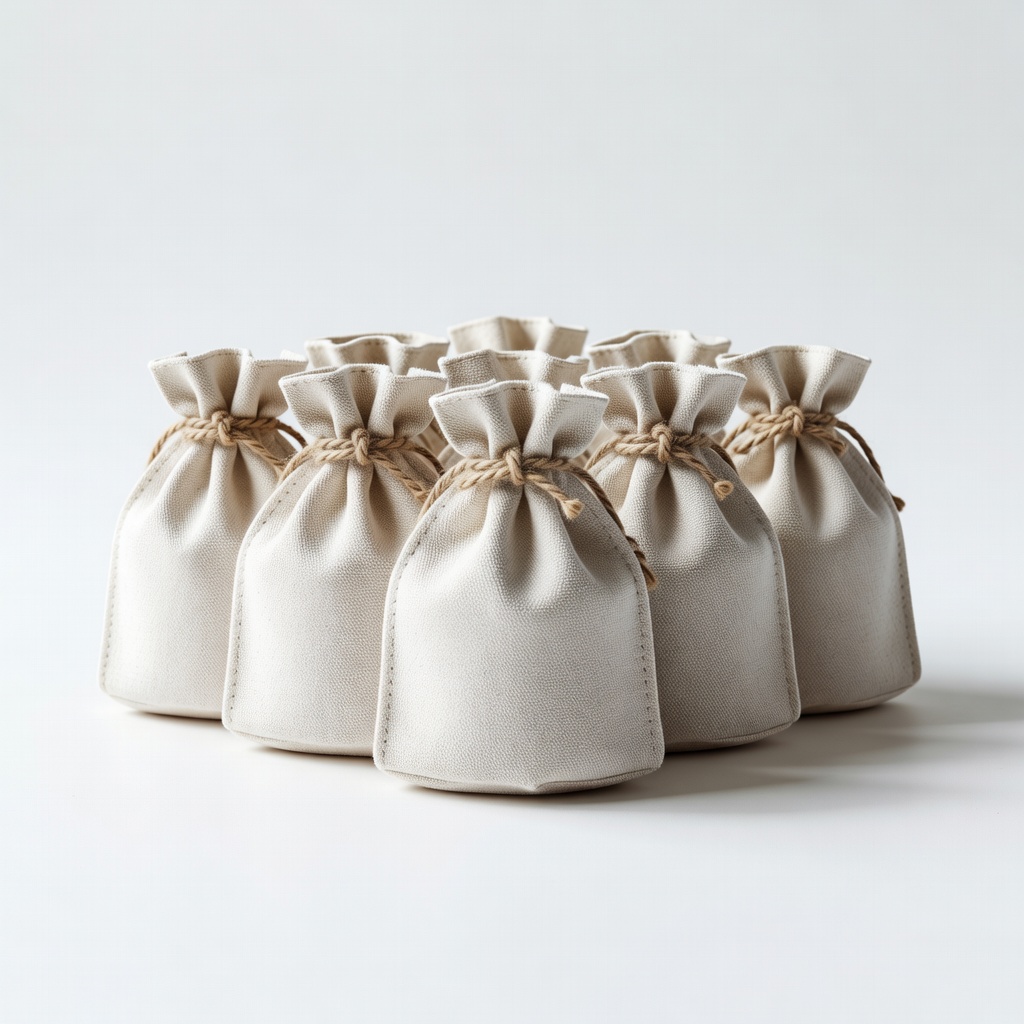
Hermle Clock Weight Pouches
Protective fabric pouches prevent dents and scratches on weights during storage or transport.
Best for: Ideal for weight-driven clocks when removing parts for safe off-season storage.
Price Range: $8.99 for set of 3
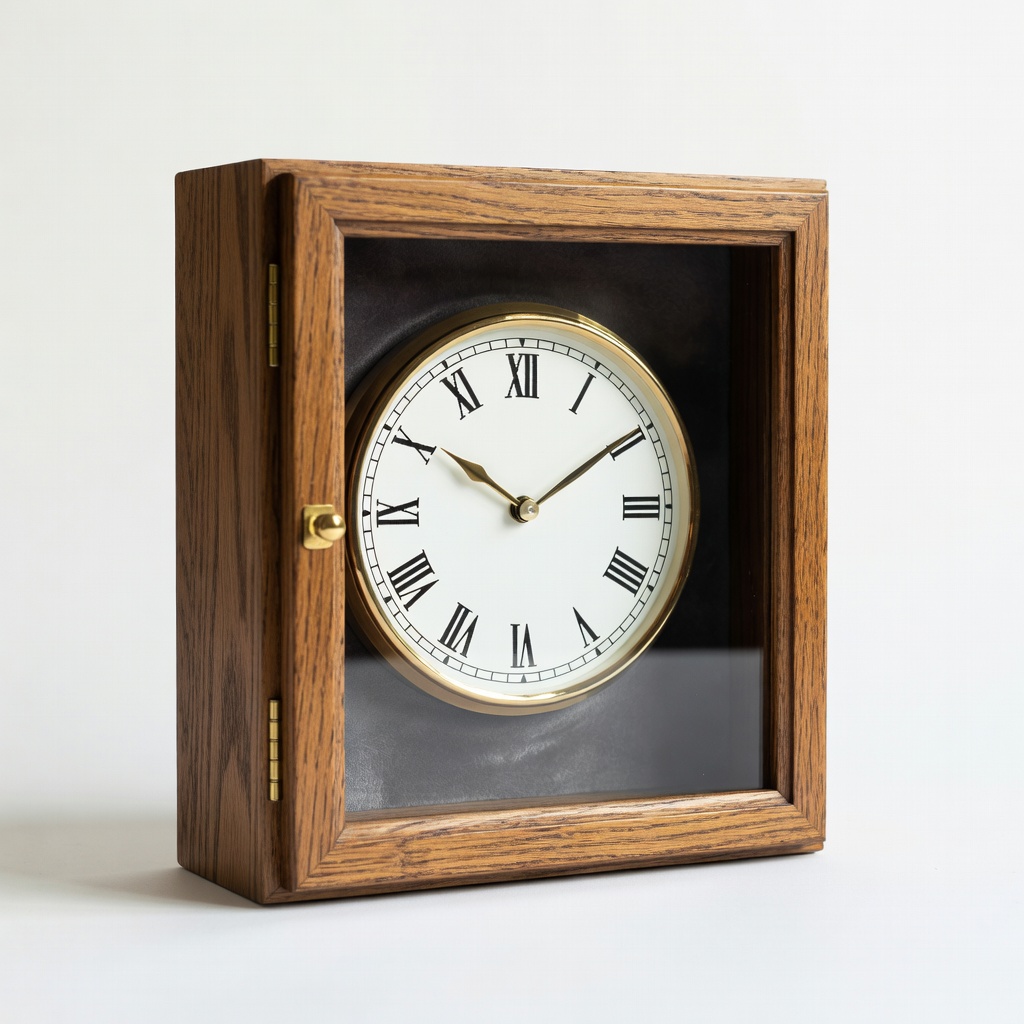
Intercity Products Wooden Clock Display Case
Humidity-stable wood case with glass front keeps dust out while allowing viewing, perfect for collectibles.
Best for: Store mantel clocks on display without direct environmental exposure.
Price Range: $45-60
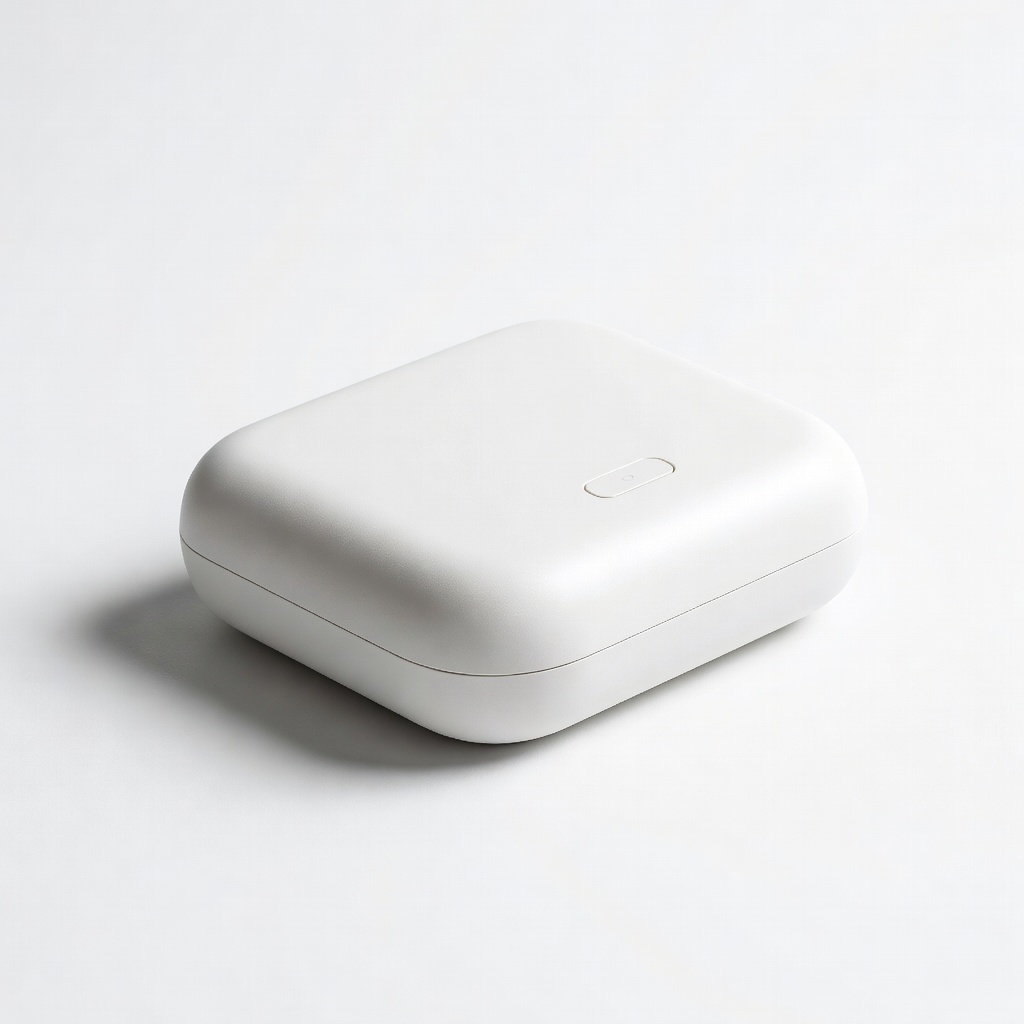
Eva-Dry Wireless Mini Dehumidifier
Compact, rechargeable unit maintains optimal humidity in storage areas, preventing rust on metal parts.
Best for: Place in storage box for long-term preservation of sensitive antiques.
Price Range: $24.99