
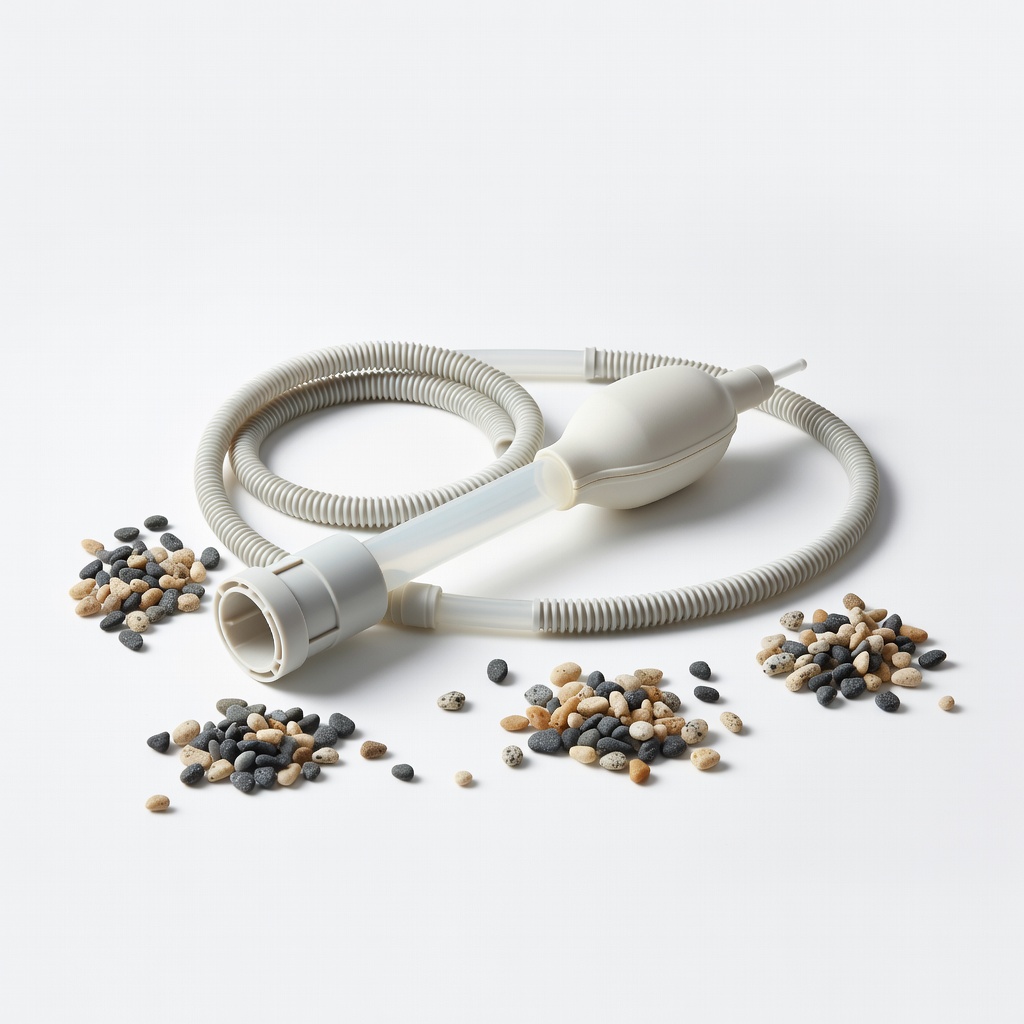
Aqueon Aquarium Gravel Cleaner Kit
Standard tanks 10-30 gallons; easy manual priming.
$12.99-$15.99
Aqueon Aquarium Gravel Cleaner Kit Affordable, beginner-friendly siphon with adjustable tube for precise control.
Get the App
Better experience on mobile
Master gravel maintenance with a simple siphon vacuum to keep your aquarium clean, fish healthy, and water crystal clear in under 30 minutes.
Dirty aquarium gravel is a common culprit for cloudy water, bad odors, and stressed fish. Mulm, fish waste, and uneaten food build up quickly, harming water quality and your aquatic pets' health. Regular gravel vacuuming removes this debris without disturbing beneficial bacteria.
In this beginner-friendly guide, you'll learn a step-by-step process to use a gravel vacuum effectively during routine water changes. No advanced tools or skills needed—just a few minutes weekly keeps your tank thriving.
Expect 20-30 minutes for a standard 20-55 gallon tank. It's straightforward, safe, and transformative for new aquarists facing murky substrates.
Estimated Time: 20-30 minutes for 20-55 gallon tank Difficulty: beginner
Gather all tools in one spot near your aquarium. Fill your bucket with some tank water if needed for priming. Unplug the filter, heater, and lights to avoid electrical hazards and fish stress.
Why it matters: Safety first—wet equipment can shock you or damage gear. Expect a quiet, powered-down tank ready for cleaning.
Pro tip: Test your dechlorinator dose on a small water sample.
💡 Tips:
⚠️ Warnings:
Place the bucket lower than the tank (e.g., on the floor). Submerge the rigid tube end into the tank near the gravel, keeping the hose end over the bucket.
Prime the siphon: Swing the hose in an arc or use airline tubing to suck water through until it flows steadily into the bucket. Why? Gravity pulls dirty water out, capturing debris.
Success looks like: Clear flow of water with gravel debris visible in the tube.
💡 Tips:
⚠️ Warnings:
Divide your tank into 4-6 sections mentally. Hover the tube 1-2 inches above gravel, then press lightly to lift substrate 1/4 inch. Move slowly in lines or circles to suck up waste.
Why it matters: Targets mulm pockets without removing too much gravel or bacteria. Expect murky water in the hose— that's success!
Work front-to-back to avoid kicking debris forward.
💡 Tips:
⚠️ Warnings:
Keep an eye on the tank water level—remove no more than 25-30% total. When bucket is 3/4 full, lift tube out of water to stop flow, empty bucket into drain or use for plants.
Why? Prevents shocking fish with big water changes. Resume vacuuming other sections.
Success: Steady debris removal, stable water level.
💡 Tips:
⚠️ Warnings:
After vacuuming, add fresh, dechlorinated water matched to tank temp (use thermometer). Pour slowly over a plate to avoid disturbing gravel.
Why it matters: Replaces lost volume, dilutes toxins. Expect clearer water immediately.
Dose conditioner per instructions—stir gently.
💡 Tips:
⚠️ Warnings:
Rinse vacuum tube and hose with hot water (no soap). Hang to dry. Wipe spills.
Why? Prevents bacterial growth or clogs next time.
Inspect for wear—replace if cracked.
💡 Tips:
⚠️ Warnings:
Plug in filter, heater, lights. Add bacteria booster if desired. Watch fish for 15 mins—no gasping?
Success: Fish active, gravel cleaner, water clearer.
Test water params tomorrow.
💡 Tips:
⚠️ Warnings:
Problem: Siphon won't start
Solution: Re-submerge tube fully, use mouth/airline to prime, ensure no kinks in hose.
Problem: Water cloudy after vacuuming
Solution: Run filter 24-48 hours; add bacteria starter. Avoid overfeeding.
Problem: Suction too weak
Solution: Clean tube of clogs; check hose diameter matches kit.
Problem: Fish stressed/panting
Solution: Stop immediately, add airstone for oxygen, smaller changes next time.
Affordable, beginner-friendly siphon with adjustable tube for precise control.
Best for: Standard tanks 10-30 gallons; easy manual priming.
Price Range: $12.99-$15.99
Gravity-fed with faucet adapter—no priming hassle, handles large volumes efficiently.
Best for: Big tanks 30+ gallons; direct to drain option.
Price Range: $35-$45
Battery-powered option for strong suction without siphoning struggles.
Best for: Quick spot cleans or no-drain setups.
Price Range: $25-$30
Essential dechlorinator removes chlorine/ammonia instantly for safe water changes.
Best for: Every water addition; multi-tank households.
Price Range: $10-$15 (500ml)
Standard tanks 10-30 gallons; easy manual priming.
Aqueon Aquarium Gravel Cleaner Kit Affordable, beginner-friendly siphon with adjustable tube for precise control.
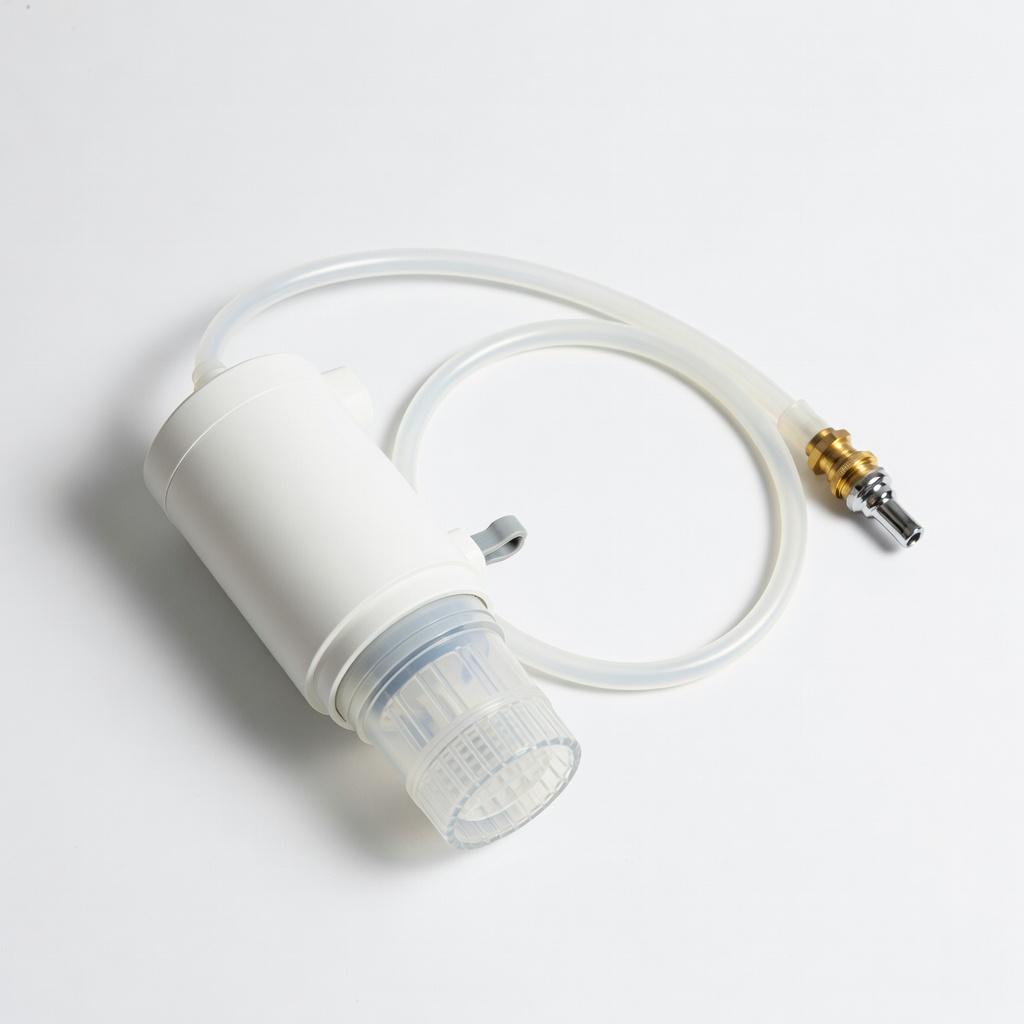
Big tanks 30+ gallons; direct to drain option.
Python No Spill Clean and Fill Aquarium Water Changer Gravity-fed with faucet adapter—no priming hassle, handles large volumes efficiently.
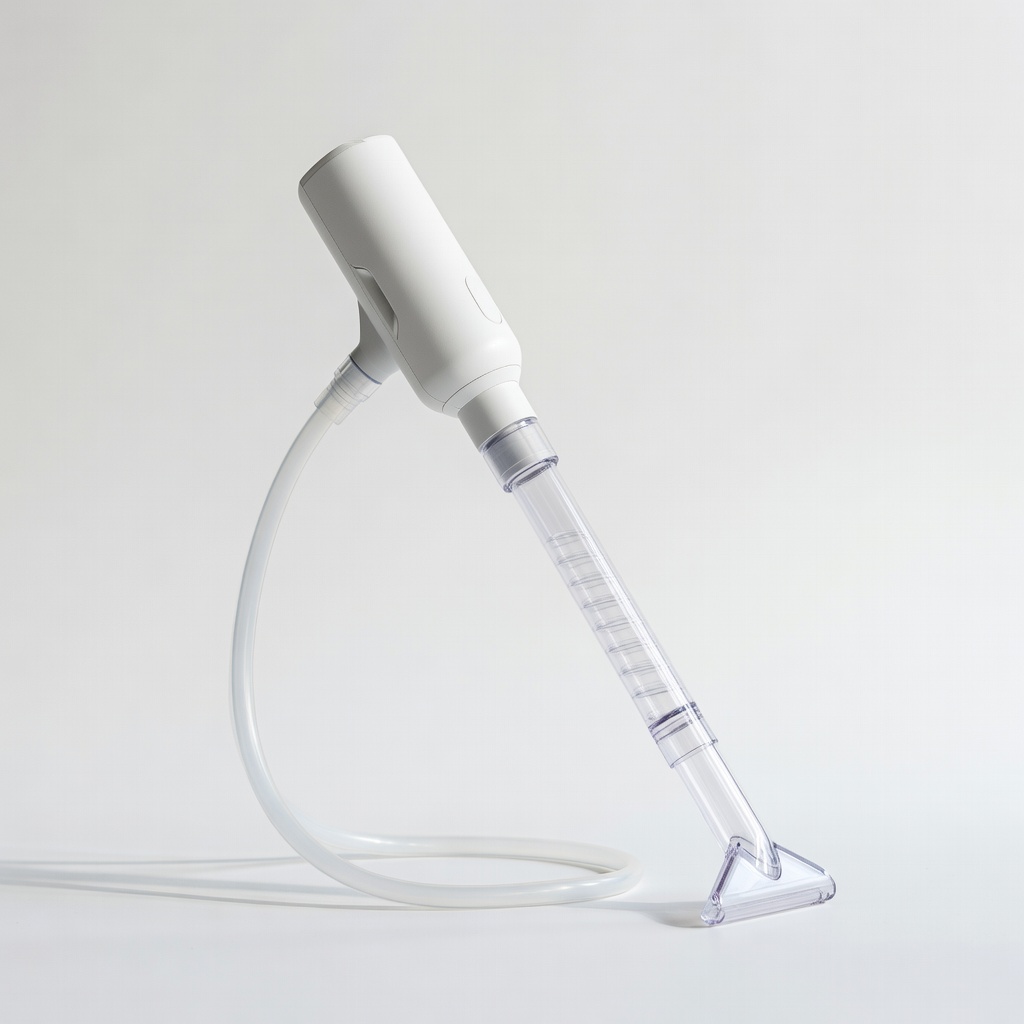
Quick spot cleans or no-drain setups.
hygger Aquarium Gravel Vacuum Cleaner Battery-powered option for strong suction without siphoning struggles.
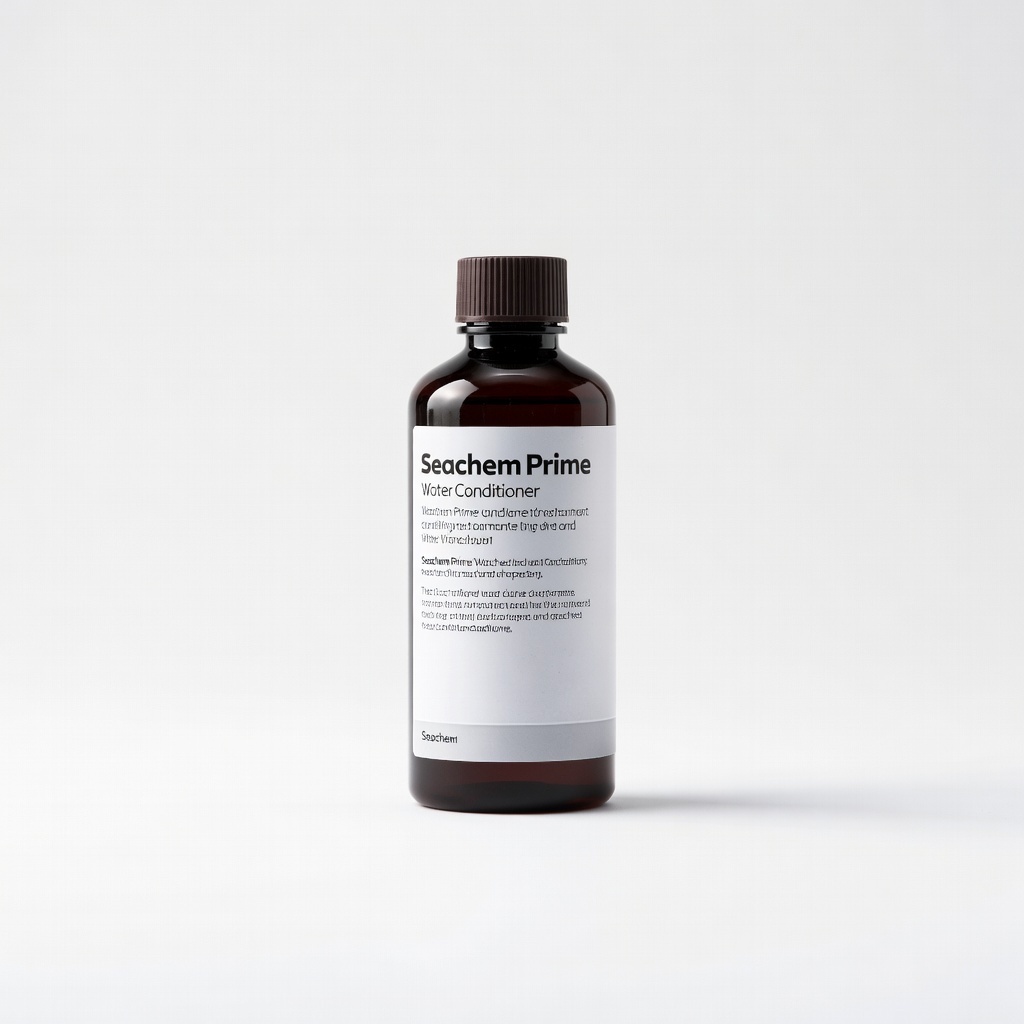
Every water addition; multi-tank households.
Seachem Prime Water Conditioner Essential dechlorinator removes chlorine/ammonia instantly for safe water changes.