
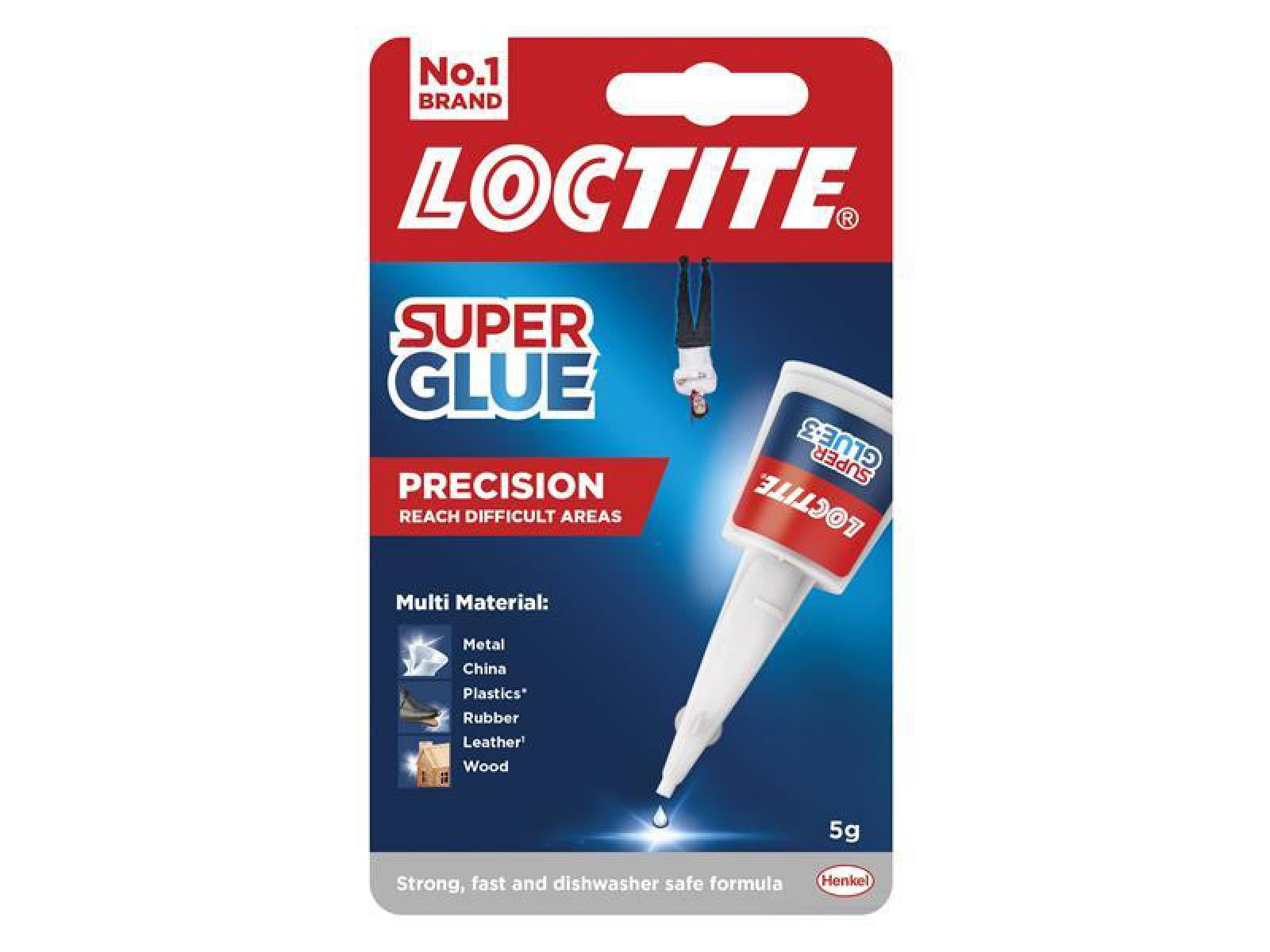
Loctite Super Glue Liquid Precision
General household repairs on ceramics, plastics, rubber, and metals.
$4 - $8
Loctite Super Glue Liquid Precision Trusted brand with a precision tip for controlled application, reducing excess glue and fumes.
Get the App
Better experience on mobile
Learn to safely use cyanoacrylate adhesives by ensuring adequate airflow to prevent fume inhalation and irritation.
Super glue—also known as cyanoacrylate adhesive—creates incredibly strong, fast bonds on a variety of materials. However, its powerful fumes can irritate your eyes, nose, and throat, especially in enclosed spaces. Proper ventilation is not just a suggestion; it's a critical safety measure that protects your respiratory health and makes your project more comfortable.
In this guide, you'll learn how to set up a well-ventilated workspace, choose the right protective gear, apply super glue safely, and clean up without spreading fumes. Whether you're repairing a ceramic mug, fixing a plastic toy, or bonding metal parts, these steps will help you get a strong bond without the headaches (literally) from inhaling fumes.
The process takes only 10-15 minutes per project, requires no special skills, and can save you from long-term respiratory issues. Let's dive into safe super gluing.
Estimated Time: 10-15 minutes per project Difficulty: beginner
Select a location with good airflow, ideally outdoors. If you must work indoors, place your workbench near an open window or door. Avoid closets, small bathrooms, or any room without windows. Remember that glue fumes are heavier than air and can pool on surfaces, so cross-ventilation is best.
Why this matters: Even brief exposure to cyanoacrylate fumes can cause eye irritation, nasal discomfort, and throat burning. Good ventilation dramatically reduces the concentration of fumes you inhale.
💡 Tips:
⚠️ Warnings:
Place a portable fan on your work surface or on the floor, aimed so that it directs fumes away from your breathing zone. Ideally, position the fan to blow across your workpiece and out the window. If you have a ceiling fan, turn it on to help disperse fumes.
Test the airflow: hold a tissue near the glue area while the fan is running; it should move away from you. Adjust the fan angle until you feel a steady draft carrying fumes away.
💡 Tips:
⚠️ Warnings:
Put on safety glasses or goggles to shield your eyes from accidental splashes and fumes. Wear nitrile gloves to prevent skin contact—super glue bonds skin instantly and can cause burns. If you have a respirator mask with organic vapor cartridges, wear it; otherwise, an N95 mask will block some particulate but not all vapors. For short tasks (under 2 minutes) with good ventilation, a mask may be optional, but for extended glue work, always mask up.
Why this matters: Skin contact leads to painful bonding; eye contact can cause serious irritation. Inhalation of fumes over time can lead to respiratory sensitization.
💡 Tips:
⚠️ Warnings:
Cover your work area with cardboard, wax paper, or a silicone mat to catch drips. Have your parts ready: clean, dry, and fit together without glue. For porous materials like wood, sand the surface lightly beforehand to improve adhesion. For plastics, lightly roughen with fine-grit sandpaper.
Apply a small amount of glue to one surface only—less than a drop is often enough for a 1-inch area. Use a cotton swab or toothpick to spread it thin. The thinner the glue layer, the faster and stronger the bond.
💡 Tips:
⚠️ Warnings:
Hold the glue nozzle close to the surface and squeeze gently—a single drop is usually sufficient. Avoid squeezing the bottle hard; cyanoacrylate is low viscosity and can squirt out unexpectedly. If you need a larger bond area, use multiple drops spaced apart rather than one big blob. For vertical surfaces, use gel-formula super glue which is thicker and less likely to run.
Quickly press the two surfaces together and hold firmly for 15-30 seconds. The bond will set in seconds, but full cure may take 24 hours. If you accidentally apply too much, use a paper towel to quickly blot the excess before it sets.
💡 Tips:
⚠️ Warnings:
Keep the fan running and maintain good airflow for the entire curing period. Hold the parts together until the bond feels solid—usually about 30 seconds for most materials. Avoid moving or disturbing the joint for at least 2 minutes. For maximum strength, let the bond cure undisturbed for 24 hours in the ventilated area.
Do not blow on the glue to speed drying; this pushes fumes back at you. If you need faster cure, use a cyanoacrylate accelerator spray (but ensure proper ventilation as well).
💡 Tips:
⚠️ Warnings:
Remove your gloves carefully by turning them inside out to avoid touching glue residue. Wash your hands with soap and water. Clean any excess glue from surfaces using acetone or super glue debonder on a cloth. For skin spills, soak the area in warm soapy water and gently peel the glue off (do not force it).
Immediately cap the glue bottle tightly—cyanoacrylate thickens and hardens when exposed to moisture in the air. Store the bottle upright in a cool, dry place. If the nozzle clogs, replace it or use a pin to clear the dried glue. Dispose of used paper towels and applicators in a sealed bag to prevent fume release.
💡 Tips:
⚠️ Warnings:
Problem: I accidentally glued my fingers together.
Solution: Soak the bonded area in warm, soapy water. Gently roll or peel the skin apart (do not pull). Apply acetone (nail polish remover) to dissolve the bond faster. Avoid cutting the skin.
Problem: The glue nozzle is clogged and won't dispense.
Solution: Squeeze the bottle gently to see if the clog pushes out. If not, insert a thin pin or wire into the nozzle to break the dried plug. Alternatively, replace the nozzle if the glue comes with spares.
Problem: The bond is weak and parts separate easily.
Solution: Ensure surfaces were clean, dry, and roughened if non-porous. You may have used too little glue or moved the parts before the bond set. Reapply with a thin, even layer and hold for 30 seconds without moving.
Problem: I smell strong fumes even with a fan running.
Solution: The fan may not be positioned correctly. Redirect it to blow fumes away from you and out a window. Consider wearing a respirator mask with organic vapor cartridges for added protection.
Trusted brand with a precision tip for controlled application, reducing excess glue and fumes.
Best for: General household repairs on ceramics, plastics, rubber, and metals.
Price Range: $4 - $8
Provides excellent protection against organic vapors including cyanoacrylate fumes when used with 6000-series cartridges.
Best for: Extended DIY projects, frequent glue use, or working with larger amounts of adhesive.
Price Range: $20 - $35
Thick, durable nitrile gloves that resist glue adhesion and provide good dexterity.
Best for: Any gluing task to protect skin from bonding and chemical irritation.
Price Range: $10 - $20 per box
Affordable, high-airflow fan ideal for exhausting fumes out a window or moving air across a workspace.
Best for: Creating cross-ventilation in a room or directing fumes outdoors.
Price Range: $25 - $40
Specifically formulated to dissolve cured super glue from skin, fabrics, and surfaces safely.
Best for: Accidental spills, skin bonding, and clean-up of mistakes.
Price Range: $5 - $10
General household repairs on ceramics, plastics, rubber, and metals.
Loctite Super Glue Liquid Precision Trusted brand with a precision tip for controlled application, reducing excess glue and fumes.

Extended DIY projects, frequent glue use, or working with larger amounts of adhesive.
3M Half Facepiece Reusable Respirator 6200 Provides excellent protection against organic vapors including cyanoacrylate fumes when used with 6000-series cartridges.
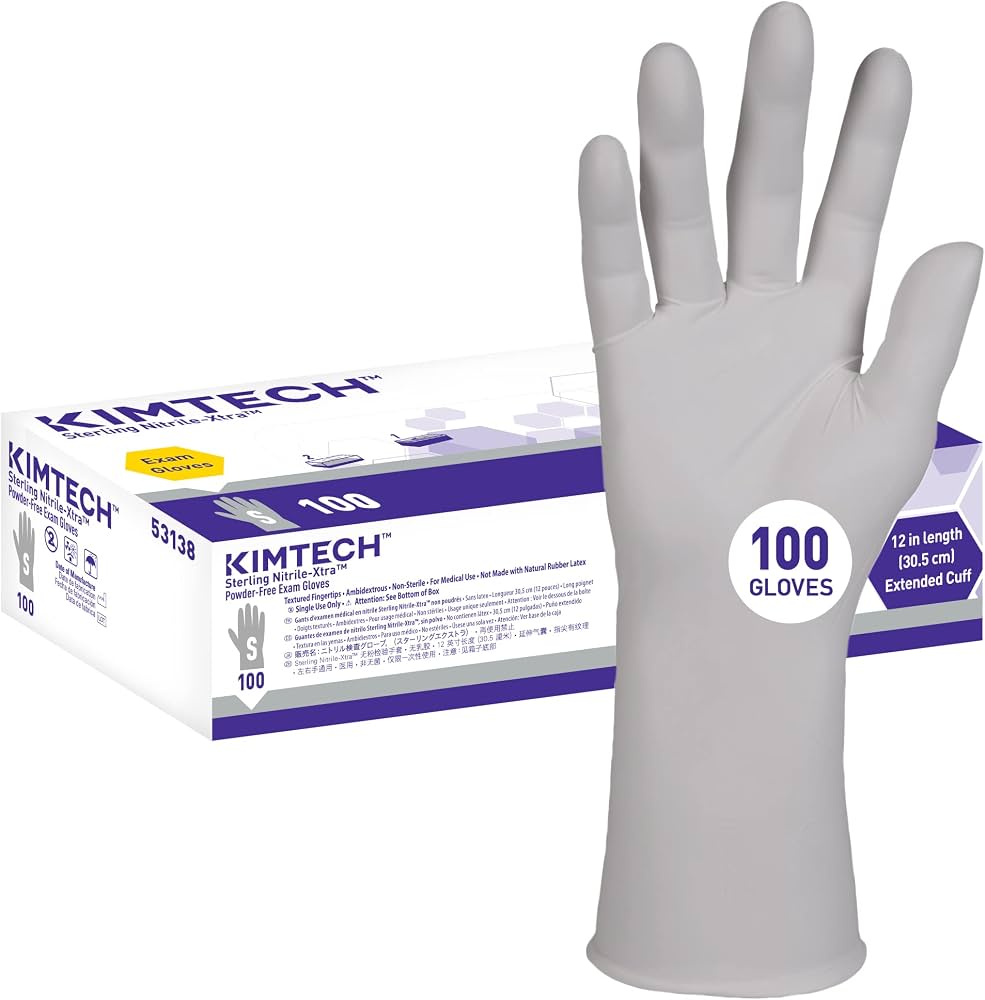
Any gluing task to protect skin from bonding and chemical irritation.
Kimtech Nitrile Gloves Thick, durable nitrile gloves that resist glue adhesion and provide good dexterity.
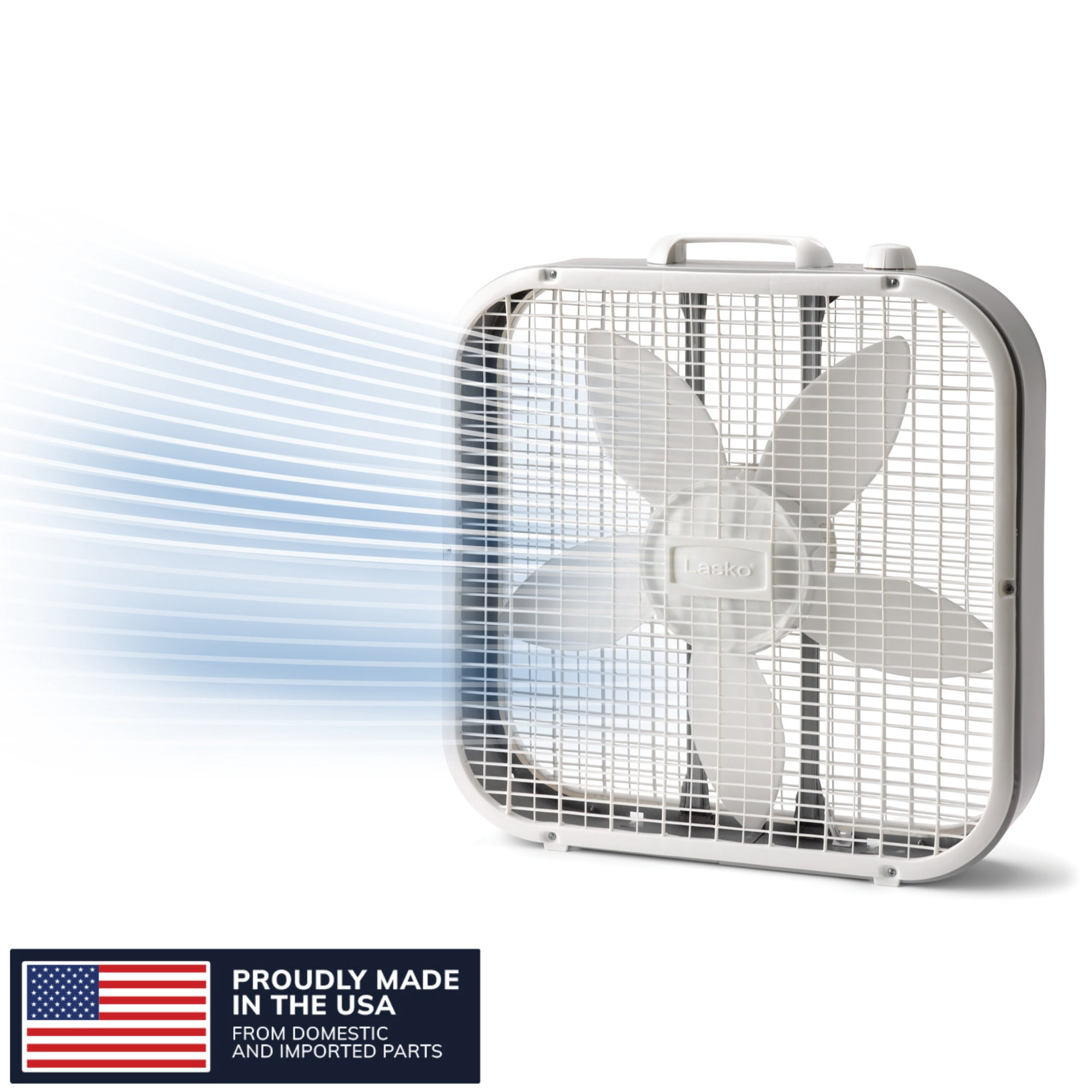
Creating cross-ventilation in a room or directing fumes outdoors.
Lasko 20" Box Fan Affordable, high-airflow fan ideal for exhausting fumes out a window or moving air across a workspace.
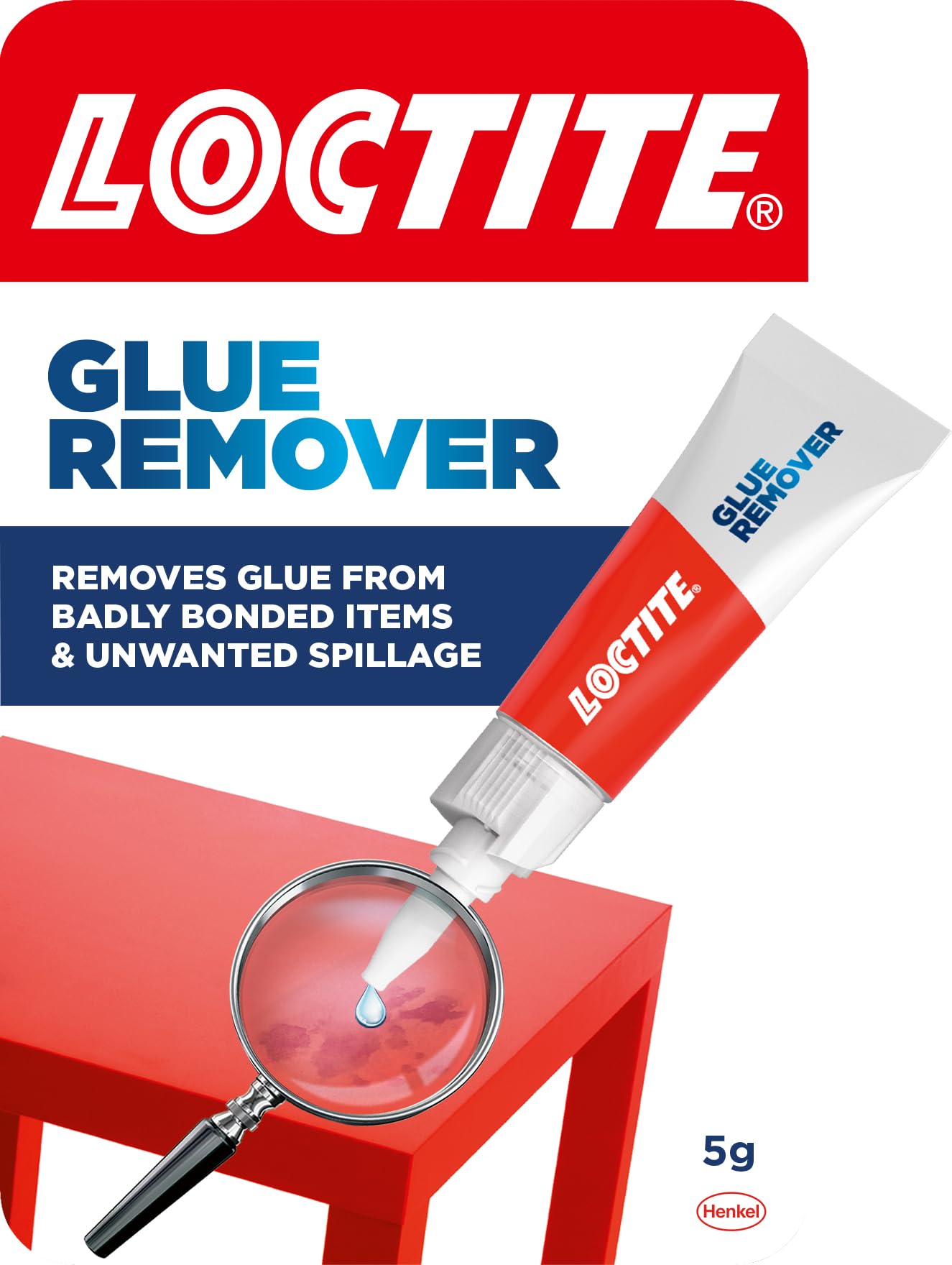
Accidental spills, skin bonding, and clean-up of mistakes.
Loctite Super Glue Debonder Specifically formulated to dissolve cured super glue from skin, fabrics, and surfaces safely.