
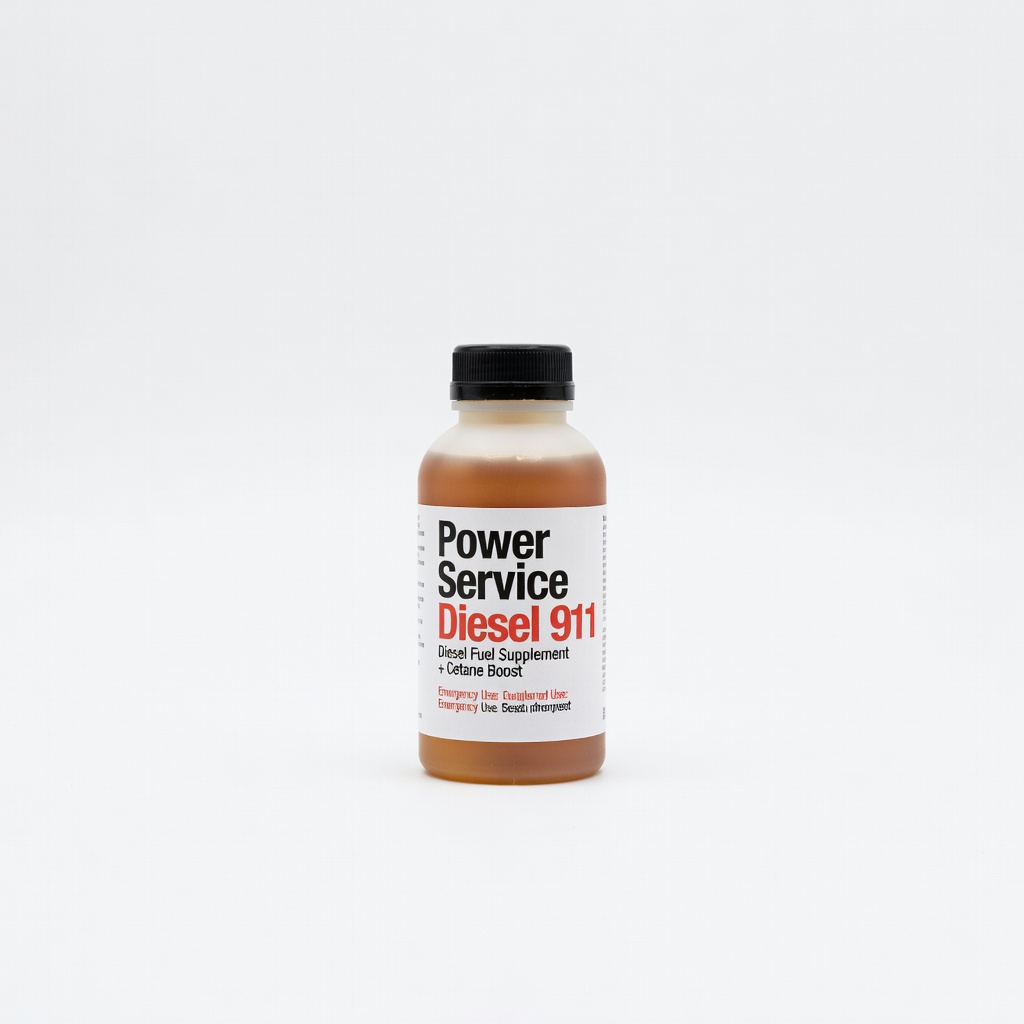
Power Service Diesel 911
Everyday winter use for trucks and generators.
$12.99-$15.99
Power Service Diesel 911 Top-rated anti-gel prevents gelling down to -10°F, cleans injectors, boosts cetane.
Get the App
Better experience on mobile
Master winter diesel maintenance to prevent fuel gelling, ensure easy starts, and protect your engine in cold weather.
Winter poses serious challenges for diesel vehicle owners. As temperatures drop below 20°F (7°C), paraffin wax in diesel fuel can crystallize and gel, clogging filters and fuel lines, leaving you stranded with a no-start condition. This common pain point affects trucks, generators, and heavy equipment alike, but using the right diesel additives can lower the fuel's cold filter plugging point (CFPP) and keep things flowing smoothly.
In this guide, you'll learn how to select, dose, and apply winter diesel additives step-by-step. Whether you're prepping for sub-zero temps or maintaining year-round, these instructions will save you time and costly repairs. The process takes just 15-30 minutes per treatment and is ideal for intermediate DIYers familiar with basic vehicle maintenance.
Expect straightforward actions with safety in mind—no special tools needed beyond a funnel. By the end, your diesel will handle winter like a champ.
Estimated Time: 15-30 minutes per treatment Difficulty: intermediate
Start by selecting an additive specifically formulated for winter conditions. Look for products that lower the pour point, prevent gelling, and boost cetane for better cold starts. Check compatibility with your fuel type (e.g., ULSD) and ASTM standards like D975.
Read labels for treat rates—typically 1:500 to 1:1000 dilution. Why it matters: Wrong additives can cause injector damage or incomplete protection. Expect to spend 5 minutes researching or referencing our product recs below.
Pro tip: Treat new fuel purchases, not old tanks.
💡 Tips:
⚠️ Warnings:
Forecast temps 48 hours ahead using a weather app. If below your fuel's cloud point (usually 15-25°F), treat proactively. Inspect fuel gauge and note tank capacity from your manual.
Why it matters: Proactive addition prevents gelling before it starts. You'll see current fuel level and calculate needs accurately. This step takes 2-3 minutes.
Drain water separators if equipped—water exacerbates gelling.
💡 Tips:
Park your vehicle or equipment on flat ground with the engine off and cooled. Open the fuel filler cap and clean the area with a rag to avoid dirt contamination.
Wear gloves and glasses. Insert funnel securely.
Why it matters: Level surface ensures even mixing; cleanliness prevents clogs. Expect a clean workspace ready in 2 minutes.
⚠️ Warnings:
Use the bottle's ratio (e.g., 16 oz treats 125 gal). For partial tanks: Dosage = (Current gallons) x (Treat rate).
Measure precisely with a cup or syringe.
Why it matters: Under-dosing fails to protect; over-dosing wastes product or harms seals. Success: Exact amount in a clear container.
💡 Tips:
Pour measured additive through the funnel slowly into the tank. For large tanks, add to fresh fuel during fill-up at the pump.
Why it matters: Direct addition ensures distribution. Pour over 1-2 minutes to avoid spills. You'll hear/see it go in cleanly.
⚠️ Warnings:
Remove funnel, wipe clean, and tightly replace cap. Start engine and let idle 5 minutes, or drive 10 miles.
Why it matters: Agitation mixes additive fully. Expect smooth idle—no knocks.
💡 Tips:
Track performance over next fills—treat every tank or 500 miles. Change fuel filter if gelling suspected.
Why it matters: Ongoing use sustains protection. Success: Reliable starts down to rated temps.
⚠️ Warnings:
Problem: Engine hard-starts after treatment
Solution: Check dosage—too much? Drain partial tank. Run fuel system cleaner.
Problem: Filter clogs despite additive
Solution: Replace filter, verify treat rate, check for water contamination.
Problem: Additive separates in tank
Solution: Drive more miles or circulate pump. Use warmer-rated product.
Problem: No improvement in extreme cold
Solution: Switch to lower pour-point fuel or professional fuel blending. Seek mechanic.
Top-rated anti-gel prevents gelling down to -10°F, cleans injectors, boosts cetane.
Best for: Everyday winter use for trucks and generators.
Price Range: $12.99-$15.99
Trusted OEM formula, emulsifies water, lowers CFPP to -25°F effectively.
Best for: Harsh winters or high-moisture areas.
Price Range: $14.99-$18.99
Multi-functional: anti-gel, de-icer, cetane boost up to 7 points for reliable starts.
Best for: Severe cold (-40°F) and biodiesel compatibility.
Price Range: $24.97-$29.99
Affordable, lubricates pumps, prevents wax to -30°F without alcohol.
Best for: Budget fleets or older engines needing lubricity.
Price Range: $14.99-$19.99
Everyday winter use for trucks and generators.
Power Service Diesel 911 Top-rated anti-gel prevents gelling down to -10°F, cleans injectors, boosts cetane.
Harsh winters or high-moisture areas.
Stanadyne Winter Diesel Fuel Additive Trusted OEM formula, emulsifies water, lowers CFPP to -25°F effectively.
Severe cold (-40°F) and biodiesel compatibility.
Hot Shot's Secret Diesel Winter Anti-Gel DEACF Multi-functional: anti-gel, de-icer, cetane boost up to 7 points for reliable starts.
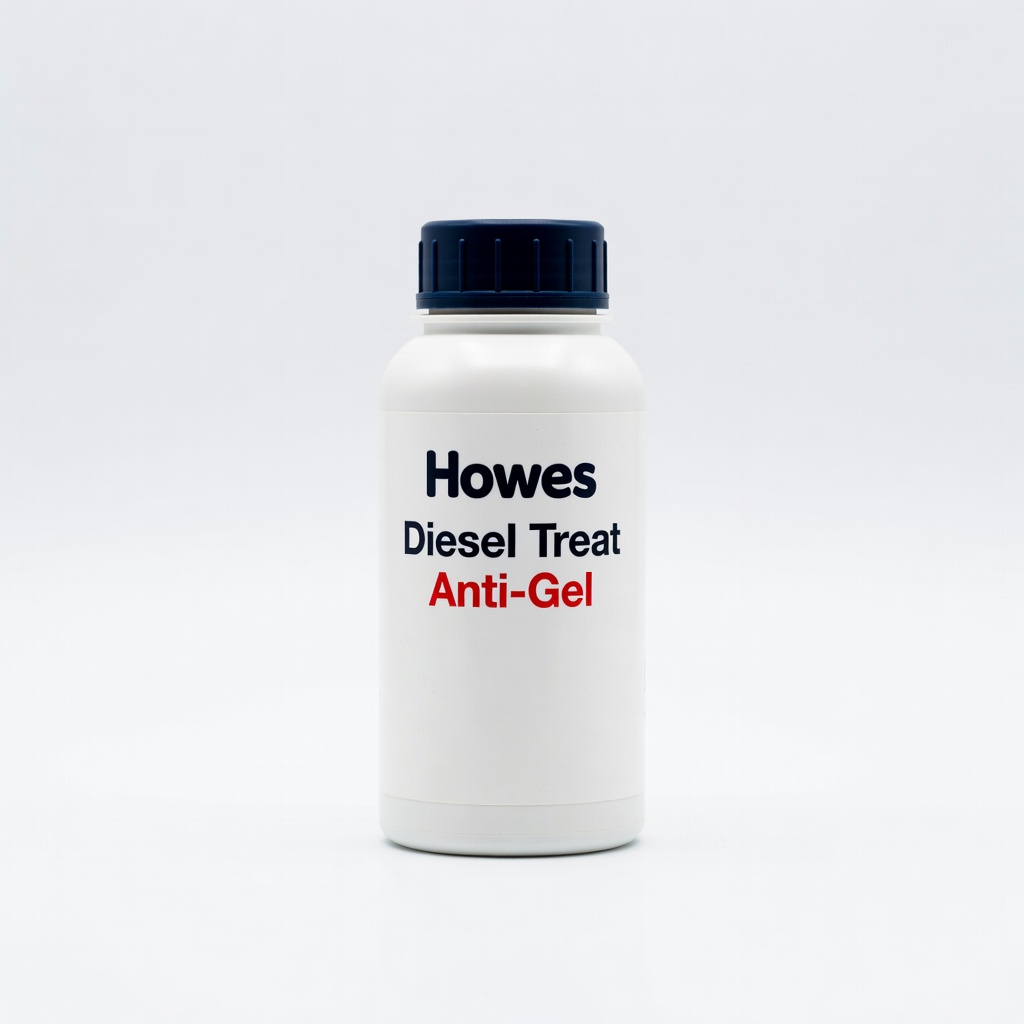
Budget fleets or older engines needing lubricity.
Howes Diesel Treat Anti-Gel Affordable, lubricates pumps, prevents wax to -30°F without alcohol.