
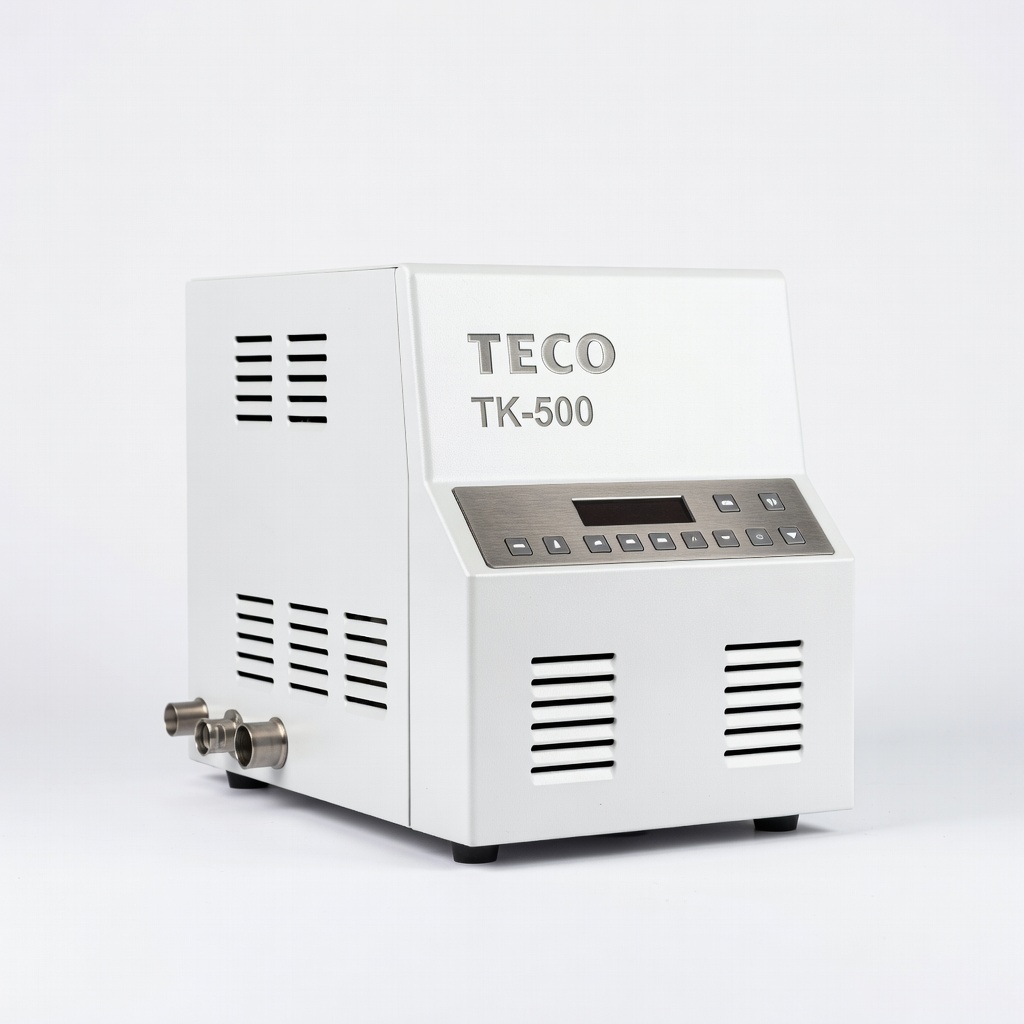
TECO TK-500 Titanium Aquarium Chiller
Mid-size SPS-dominated tanks needing 1/10 HP.
$599.99
TECO TK-500 Titanium Aquarium Chiller Reliable drop-in cooling for 100-300 gal reefs with titanium exchanger for corrosion resistance.
Get the App
Better experience on mobile
Master advanced chiller setup to keep your reef tank temperature steady at 76-78°F, preventing coral bleaching and livestock stress.
In reef aquariums, temperature swings as little as 2°F can trigger coral bleaching, algae blooms, or fish stress—common killers for advanced setups with high bioloads and powerful lights. Without precise cooling, summer heat or equipment failure turns your dream reef into a disaster.
This guide teaches you how to calculate cooling needs, install a chiller, integrate controllers, and maintain stability for thriving SPS corals and fish. You'll achieve rock-solid temps year-round.
Expect 2-4 hours for initial setup (depending on tank size), plus 15 minutes weekly maintenance. Perfect for experienced reefers ready to level up stability.
Estimated Time: 2-4 hours initial setup + 15 min weekly Difficulty: advanced
Determine your tank's heat load to size the chiller correctly. Measure total system volume (display + sump) and factor in lights (e.g., 200W LED = ~200 BTU/hr), pumps, room temp (>80°F adds load), and livestock.
Use formula: Required HP = (Tank gallons × 2 BTU/gal rise) / 12,000 BTU/HP, adjusted for ambient delta-T. For a 100-gal system with 5°F rise needed: ~1/10 HP. Online calculators like Bulk Reef Supply's help refine.
Success: Chiller runs <50% duty cycle for efficiency. Expect 15-30 min computation.
💡 Tips:
⚠️ Warnings:
Select a titanium heat exchanger chiller for saltwater safety (avoid copper). Place in a cool, shaded spot near sump (within 10ft for minimal head loss), elevated for drainage, with 6in clearance all sides.
Mount on vibration-dampening feet. Ensure <10ft vertical lift to sump.
Success: Chiller intakes cool air; exhaust vents freely. No direct sunlight.
💡 Tips:
Install inline on return or sump flow: Pump → Chiller intake → Chiller out → sump/refugium. Use unions at chiller ports for easy removal. Apply Teflon tape to threads; cement PVC joints.
Add ball valves before/after for isolation. Flow rate: Match pump to chiller specs (e.g., 300-500 GPH for 1/10 HP).
Success: No leaks; smooth flow without cavitation.
⚠️ Warnings:
Wire safely: Controller senses probe in high-flow area (return chamber), controls pump relay or chiller outlet.
Set hysteresis: On at 78°F, off at 76°F. Probe in protective well. Power chiller via controller outlet.
Success: Auto-cycles without manual intervention.
💡 Tips:
Fill lines slowly; run pump sans chiller to bleed air. Power on: Monitor for leaks (24hrs dry run). Ramp temp 2°F above setpoint; verify cooldown to 76°F in 1-2hrs.
Log duty cycle.
Success: Stable temp ±0.5°F; quiet operation.
⚠️ Warnings:
Track temps hourly first week via app/logger. Adjust setpoint if corals show stress (e.g., 77°F optimal). Clean strainers weekly.
Success: <1% variance daily; corals polyp-extended.
💡 Tips:
Monthly: Clean coils with vinegar, inspect belts. Quarterly: Full descale. Annual: Service by pro.
Success: Chiller lasts 5+ years.
⚠️ Warnings:
Problem: Chiller not cooling below 80°F
Solution: Check refrigerant (pro recharge), clean coils, verify flow >300GPH. Ambient >85°F? Upgrade size.
Problem: Noisy operation or short-cycling
Solution: Bleed air, widen hysteresis to 2°F, check pump head loss.
Problem: Leaks at fittings
Solution: Tighten with Teflon; replace if corroded. Dry system fully.
Problem: Controller false readings
Solution: Relocate probe from dead zones; calibrate against secondary thermometer.
Problem: High electric bill
Solution: Duty cycle >60%? Improve insulation or downsize heat sources.
Reliable drop-in cooling for 100-300 gal reefs with titanium exchanger for corrosion resistance.
Best for: Mid-size SPS-dominated tanks needing 1/10 HP.
Price Range: $599.99
Precise ±0.1°F control with dual relay for chiller/heater automation.
Best for: Any reef setup for hands-off stability.
Price Range: $34.99
Quiet, variable DC pump handles chiller head pressure efficiently.
Best for: Plumbing loops requiring 792 GPH max flow.
Price Range: $199.99
Compact, affordable entry for smaller reefs with digital display.
Best for: Nano/50-150 gal systems on budget.
Price Range: $349.99
Lab-grade accuracy for Apex-integrated monitoring.
Best for: Pro setups with controller ecosystems.
Price Range: $89.99
Mid-size SPS-dominated tanks needing 1/10 HP.
TECO TK-500 Titanium Aquarium Chiller Reliable drop-in cooling for 100-300 gal reefs with titanium exchanger for corrosion resistance.
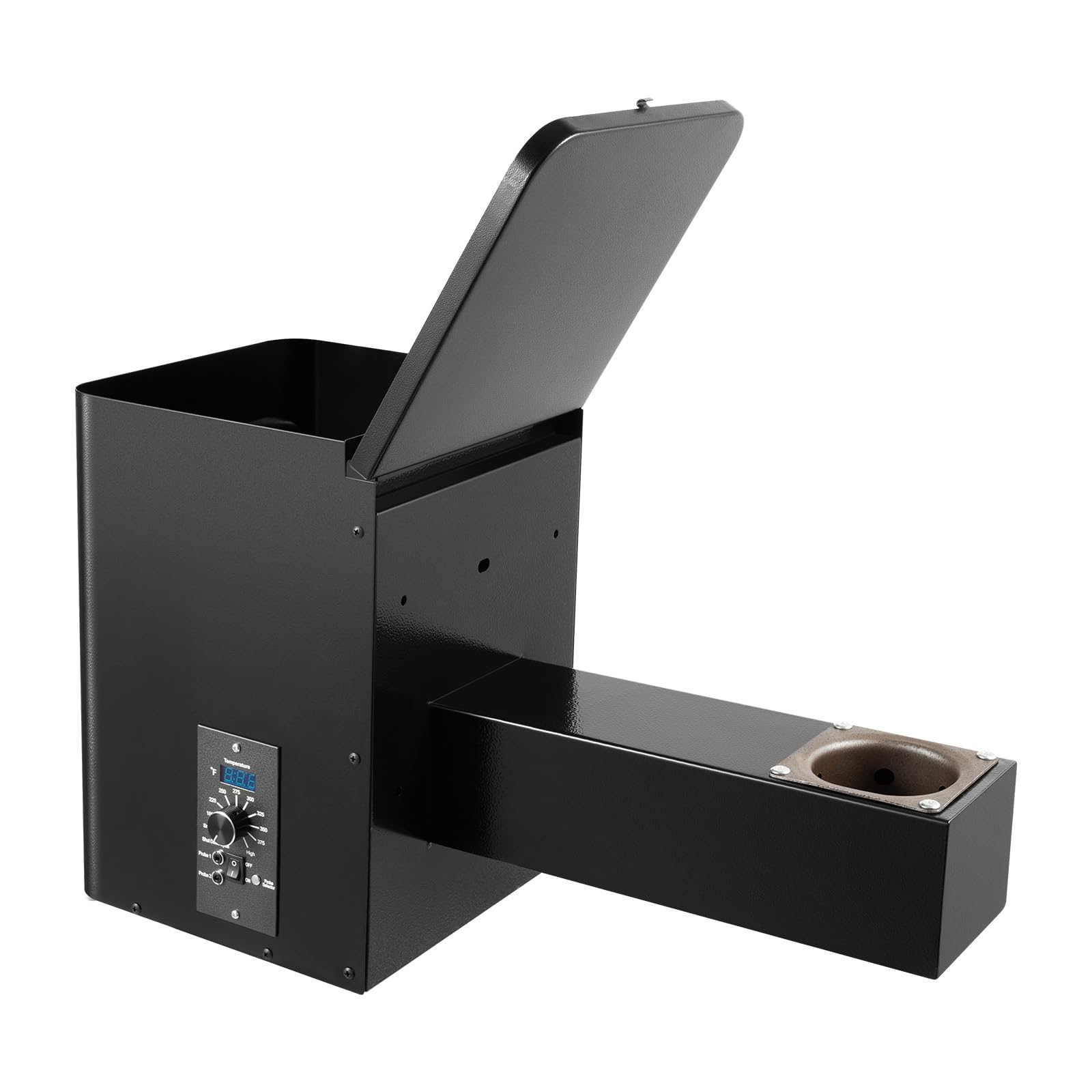
Any reef setup for hands-off stability.
Inkbird ITC-308 Digital Temperature Controller Precise ±0.1°F control with dual relay for chiller/heater automation.
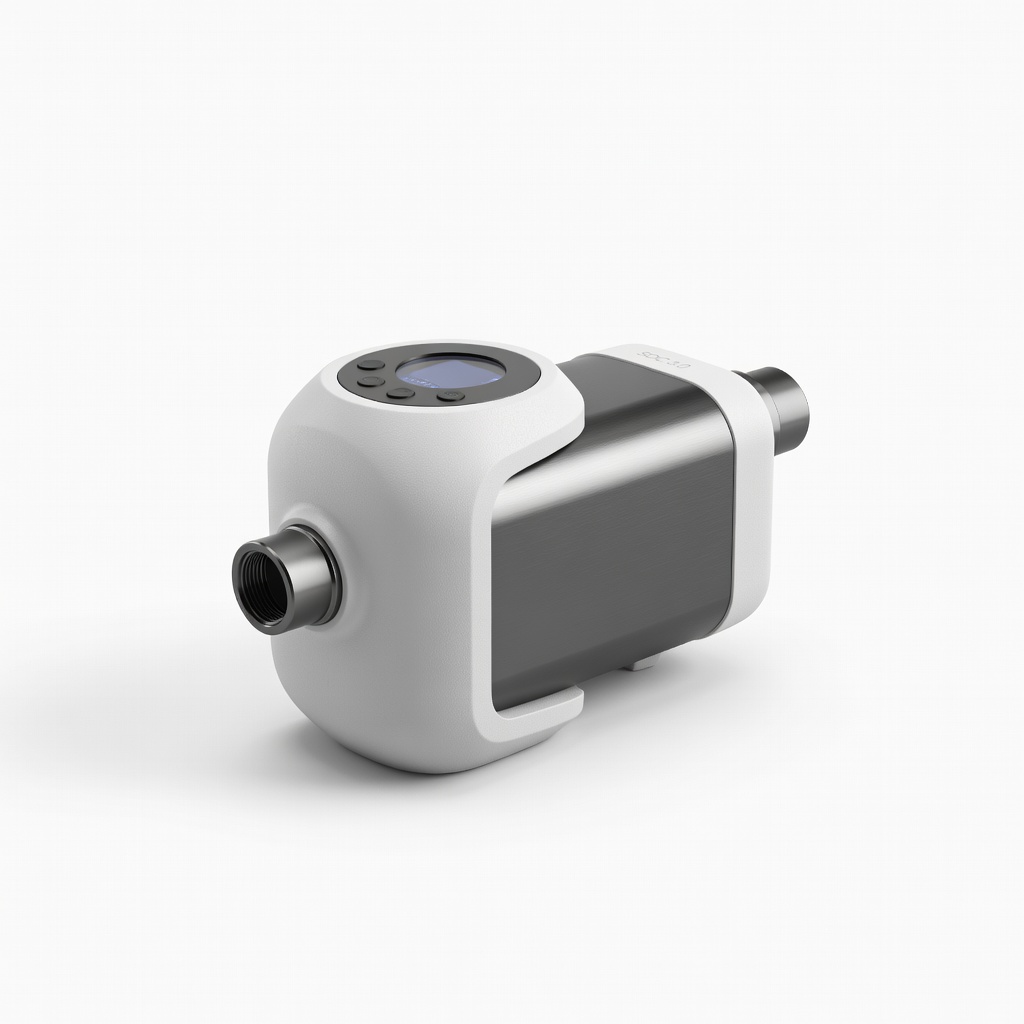
Plumbing loops requiring 792 GPH max flow.
Sicce Syncra SDC 3.0 Pump Quiet, variable DC pump handles chiller head pressure efficiently.
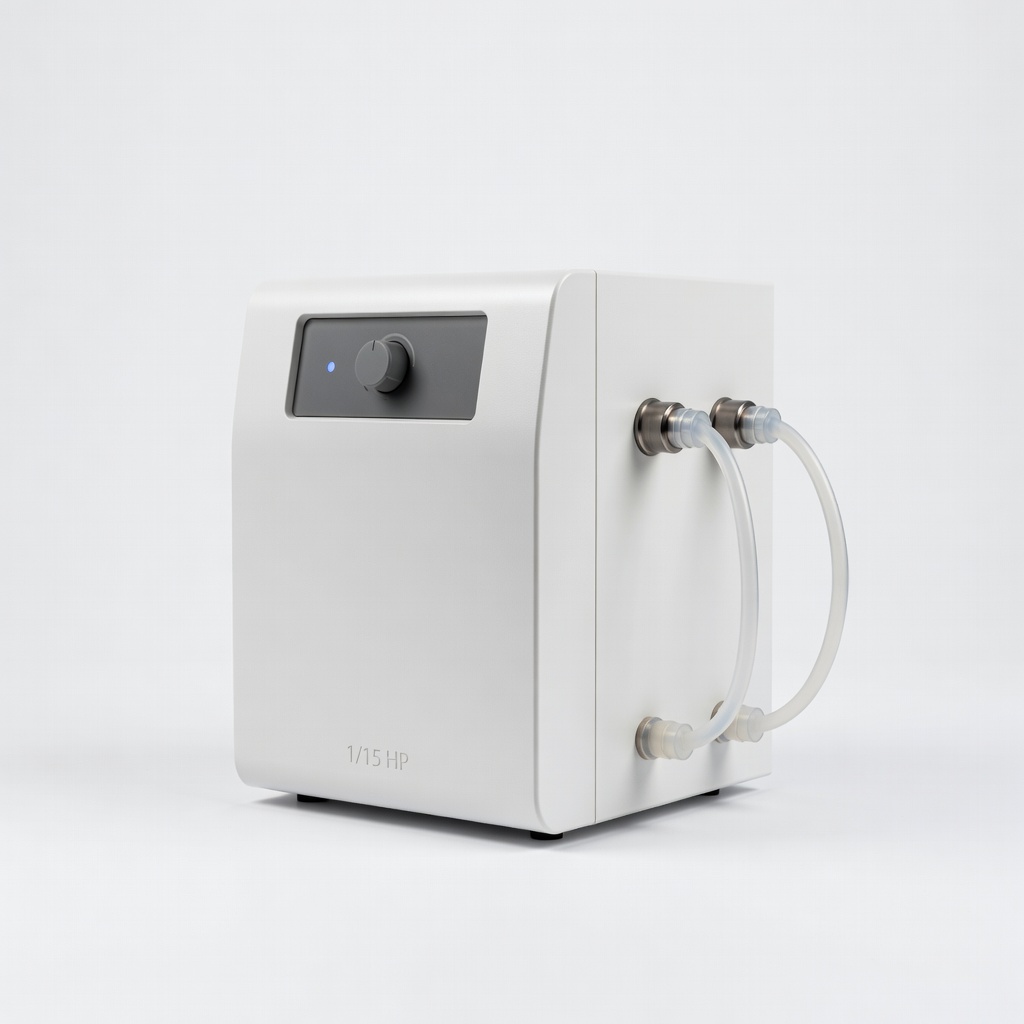
Nano/50-150 gal systems on budget.
Current USA eChill 1/15 HP Chiller Compact, affordable entry for smaller reefs with digital display.
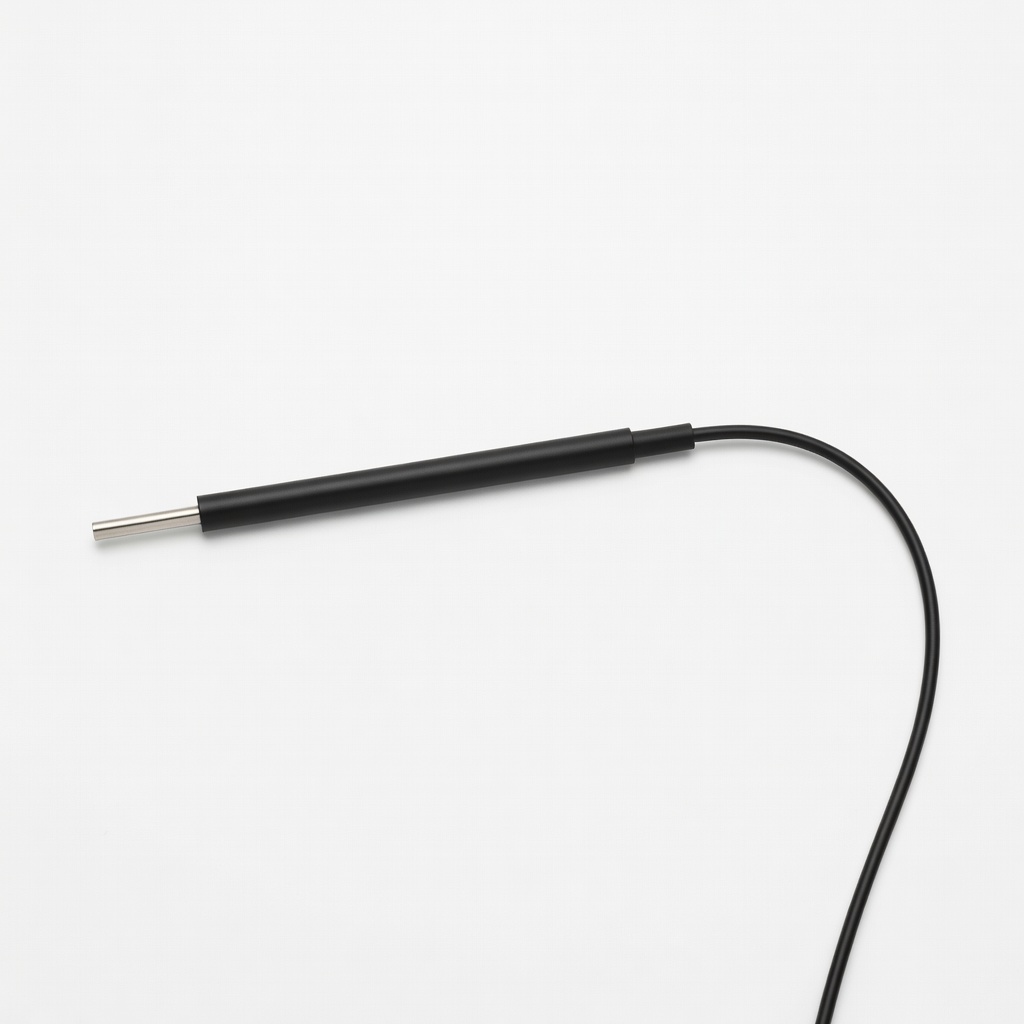
Pro setups with controller ecosystems.
Neptune Systems Apex Temperature Probe Lab-grade accuracy for Apex-integrated monitoring.