
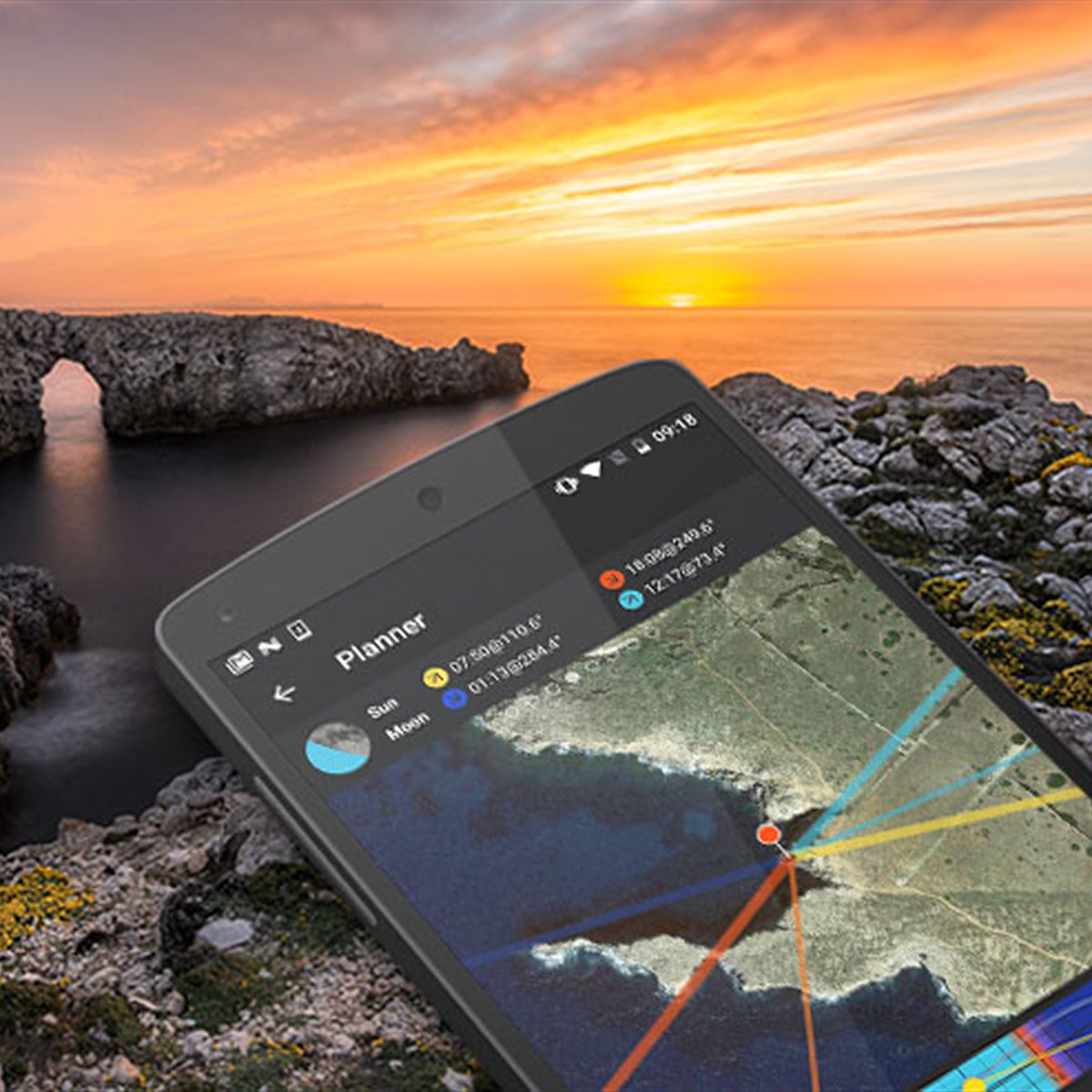
PhotoPills App
Overlay moon phases on breeding dates for nocturnal shoots like owls.
$9.99
PhotoPills App Augments animal calendars with precise sun, moon, and Milky Way planning, critical for timing wildlife activity peaks.
Get the App
Better experience on mobile
Master wildlife photography planning with animal calendars to time perfect shots of migrations, breeding, and behaviors effortlessly.
Ever missed the perfect shot of a wolf pack on the move or a bald eagle fledging because you didn't know the exact timing? Wildlife photography demands precision, and poor planning leads to empty memory cards and frustration. Animal calendars solve this by mapping out species-specific activity peaks, migrations, and behaviors.
In this guide, you'll learn to decode animal calendars, integrate them with weather and location data, and build a foolproof shooting schedule. Whether chasing birds, mammals, or marine life, you'll achieve pro-level results. Expect to spend 45-60 minutes creating your first plan—intermediate skills in photography and basic research assumed.
We'll cover selecting calendars, reading key data, cross-referencing tools, and executing shoots, with tips to avoid common pitfalls.
Estimated Time: 45-60 minutes for initial planning; 1-2 hours for detailed multi-month schedules Difficulty: intermediate
Start by selecting an animal calendar tailored to your target species and region. Look for ones detailing breeding seasons, migrations, rutting periods, and peak activity windows. Physical wall calendars like those from National Wildlife Federation provide visual overviews, while apps like PhotoPills offer interactive data.
Why it matters: Generic calendars miss species-specific details, leading to off-timing shoots. Success looks like a calendar covering 80% of your target animals with monthly/weekly breakdowns.
Scan reviews for accuracy based on recent wildlife reports.
💡 Tips:
⚠️ Warnings:
Familiarize yourself with icons: arrows for migrations, peaks for breeding, shaded areas for high activity. Note lunar influences (full moons boost nocturnal activity) and seasonal notes.
Why it matters: Misreading means showing up too early/late. Expect to list 5-10 key events per species. Use a highlighter for quick reference.
Pro success: Create a glossary of your calendar's unique symbols.
💡 Tips:
Pick 3-5 species based on calendar peaks matching your skill level and gear (e.g., telephoto for shy mammals). Match to nearby hotspots using apps like AllTrails.
Why it matters: Focus prevents overwhelm. Success: A table with species, dates, and GPS coords.
Log historical success rates from your past shoots.
💡 Tips:
⚠️ Warnings:
Overlay calendar dates with forecasts: Calm, overcast days ideal for shy animals. Use PhotoPills for moonrise/set aligning with activity peaks.
Why it matters: Weather derails 50% of shoots. Expect refined dates narrowing to 2-3 days per event.
Input into planner: Date | Species | Location | Weather Expect | Moon Phase.
💡 Tips:
Transfer data to a planner: Block dates, arrival times (2 hours early), backup dates. Include travel, permits, and gear checklists.
Why it matters: Organizes chaos. Success: Printable schedule with contingencies.
Color-code: Green=prime, Yellow=backup.
💡 Tips:
Research access: National parks need permits; private lands vary. Budget fuel, lodging.
Why it matters: Legal issues ruin trips. Expect full itinerary ready.
Check apps for fees.
⚠️ Warnings:
Week before: Check updates via wildlife cams or forums. Adjust for anomalies like storms.
Why it matters: Real-time data trumps static calendars. Success: Flexible plan.
💡 Tips:
Arrive early, observe quietly, shoot ethically. Post-shoot: Note hits/misses vs. calendar accuracy.
Why it matters: Feedback loop improves future plans. Success: Portfolio shots + updated calendar notes.
💡 Tips:
Problem: Calendar data inaccurate due to climate change
Solution: Supplement with real-time apps like eBird or ranger reports; adjust by 1-2 weeks.
Problem: Bad weather cancels prime dates
Solution: Have 2-3 backups; monitor extended forecasts.
Problem: No animals at predicted spot
Solution: Scout trails pre-visit; note wind direction affecting behavior.
Problem: Overwhelmed by data
Solution: Start with 1-2 species; scale up after first success.
Augments animal calendars with precise sun, moon, and Milky Way planning, critical for timing wildlife activity peaks.
Best for: Overlay moon phases on breeding dates for nocturnal shoots like owls.
Price Range: $9.99
Visual monthly layouts of U.S. wildlife events, migrations, and behaviors—perfect starter physical calendar.
Best for: Daily planning for local parks and refuges.
Price Range: $14.99-$19.99
Real-time sightings and migration maps to validate calendar predictions for birds.
Best for: Cross-check flyway peaks before travel.
Price Range: Free app / $4.99 Pro unlock
Detailed species behaviors and regional events from trusted ornithology source.
Best for: Bird-focused planning with photo inspiration.
Price Range: $15.99
Hyper-local forecasts and wind patterns to predict animal movement tied to calendars.
Best for: Avoid windy days when birds shelter.
Price Range: Free / $20/year premium
Overlay moon phases on breeding dates for nocturnal shoots like owls.
PhotoPills App Augments animal calendars with precise sun, moon, and Milky Way planning, critical for timing wildlife activity peaks.
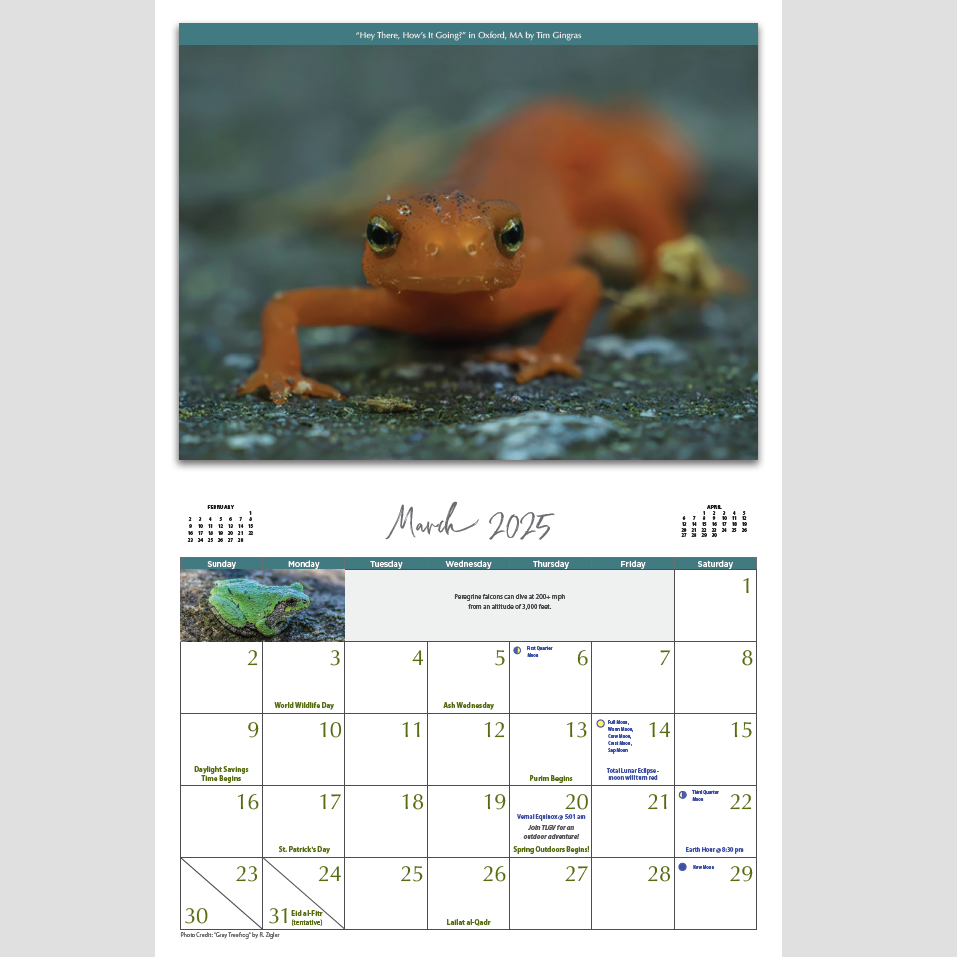
Daily planning for local parks and refuges.
National Wildlife Federation 2025 Wall Calendar Visual monthly layouts of U.S. wildlife events, migrations, and behaviors—perfect starter physical calendar.
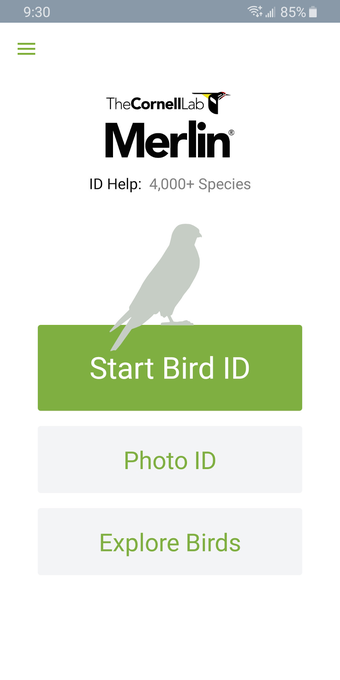
Cross-check flyway peaks before travel.
Cornell Lab Merlin Bird ID App (Pro Version) Real-time sightings and migration maps to validate calendar predictions for birds.
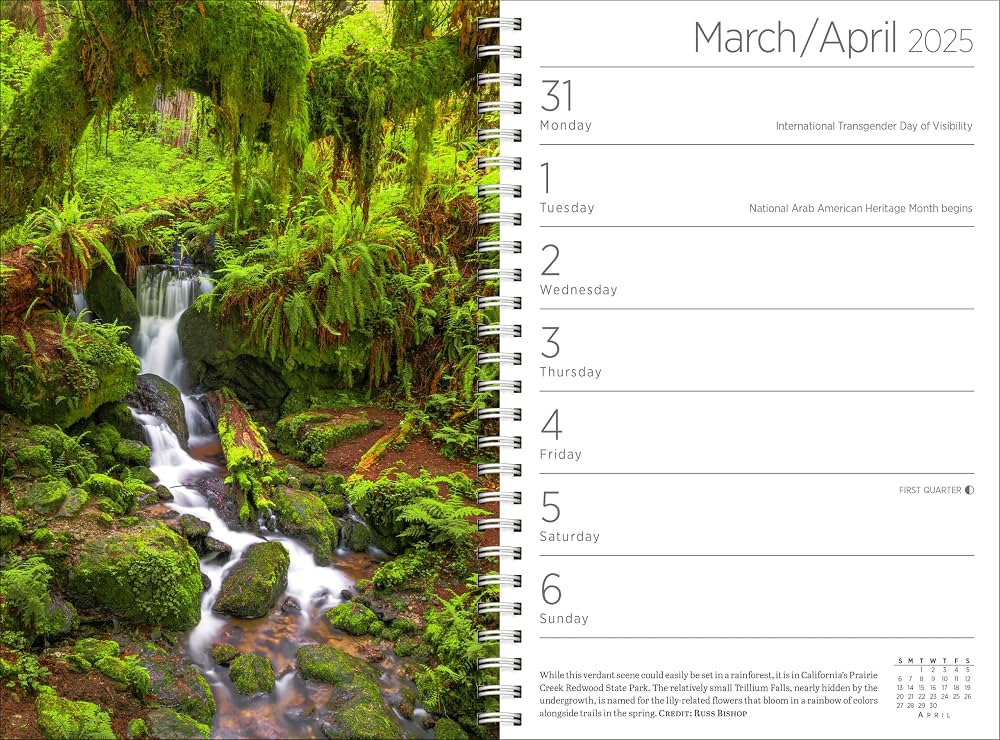
Bird-focused planning with photo inspiration.
Audubon 2025 Nature Calendar Detailed species behaviors and regional events from trusted ornithology source.
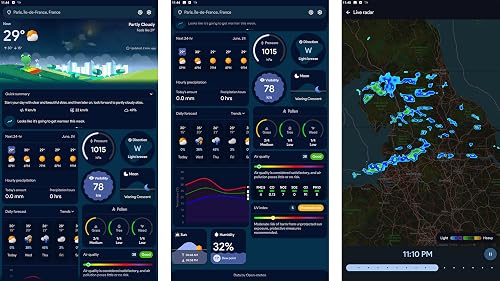
Avoid windy days when birds shelter.
Windy Weather & Radar App Hyper-local forecasts and wind patterns to predict animal movement tied to calendars.