

Melissa & Doug Geometric Stacker Toddler Toy
Use alongside the cube for extended shape play.
$15-$20
Melissa & Doug Geometric Stacker Toddler Toy Great for shape sorting and stacking, complements an activity cube.
Get the App
Better experience on mobile
A step-by-step guide for parents on choosing and using an activity cube to boost baby's motor skills, senses, and problem-solving.
Activity cubes are a classic toy that grows with your baby, offering a world of sensory exploration and skill-building. In this guide, you'll learn how to pick the right cube, introduce it at the right age, and use specific activities to target different developmental milestones. Whether your baby is 6 months or 18 months, we'll show you how to get the most out of this versatile toy. Expect to spend about 10-15 minutes reading and implementing these tips—then watch your baby's curiosity bloom!
Estimated Time: 10-15 minutes to read and set up; ongoing play sessions of 5-20 minutes each Difficulty: beginner
Select a cube that matches your baby's current developmental stage. For babies 6-12 months, look for cubes with large, easy-to-grasp pieces, bright colors, and contrasting patterns to stimulate vision. For toddlers 12-24 months, choose cubes with more complex features like shape sorters, bead mazes, gears, and doors that open. Safety is key—ensure the cube is made of non-toxic materials, has no sharp edges, and is sturdy enough to not tip over. Check the recommended age range on the packaging.
💡 Tips:
⚠️ Warnings:
Place the activity cube on the floor or a low table where your baby can easily access it while sitting or standing. Let them explore at their own pace—don't immediately demonstrate everything. Babies learn through trial and error. Your role is to be a supportive observer, offering encouragement and simple narration. For example, say, "Look, you turned the wheel! It makes a funny noise." This builds language skills alongside motor development.
💡 Tips:
Most activity cubes include a shape sorter. Show your baby how to pick up a shape, match it to the correct hole, and drop it inside. For younger babies (6-9 months), simply let them explore the shapes and the holes—they may not be ready to match yet. Around 12 months, start demonstrating matching. Celebrate every attempt, even if they don't succeed. To make it easier, you can hold the cube so the holes are facing upward. This activity builds hand-eye coordination, spatial awareness, and persistence.
💡 Tips:
⚠️ Warnings:
Many activity cubes have a bead maze or spinning wheels on top or sides. Guide your baby's hand along the maze wires to slide beads from one side to the other. Describe the colors and sounds: "The blue bead is going up! Now it's sliding down." Spinners and gears teach cause and effect. This activity strengthens fine motor control and visual tracking. As your baby grows, they will learn to coordinate both hands—one to stabilize the cube, the other to move the beads.
💡 Tips:
⚠️ Warnings:
Use the activity cube as a tool for social interaction. Sit opposite your baby and take turns spinning a wheel or opening a door. Say things like, "Mommy's turn: I spin the wheel. Now your turn!" This teaches turn-taking, a foundational social skill. Also, describe actions in simple sentences: "You pushed the button and a puppy popped out!" This builds vocabulary and comprehension. Over time, your baby will start imitating sounds and words.
💡 Tips:
Once your baby is pulling to stand (around 9-12 months), the activity cube can serve as a sturdy support. Place the cube against a wall or heavy furniture to prevent sliding. Encourage your baby to hold the top edge while standing and reaching for activities. This builds leg strength and balance. As they become more confident, they may start taking small steps while holding the cube—a prelude to walking.
💡 Tips:
⚠️ Warnings:
To prevent boredom, change how you present the cube. For example, one day focus on the shape sorter, another day on the bead maze. You can also hide small objects under the cube or behind doors and ask your baby to find them. As your baby grows (18-24 months), challenge them to sort shapes faster or count how many beads are on a wire. The activity cube adapts to your child's development, so keep observing and adjusting the play.
💡 Tips:
Babies explore with their mouths, so keeping the activity cube clean is essential. For wooden cubes, wipe with a damp cloth and mild soap, then dry immediately. For plastic cubes, you can use a mix of water and vinegar or a toy-safe disinfectant. Check for loose screws, splinters, or broken parts periodically. Store in a dry place to prevent mold. Proper maintenance ensures the cube stays safe and engaging for years.
💡 Tips:
⚠️ Warnings:
Problem: Baby seems frustrated or disinterested in the cube.
Solution: Take a break and try again later. Ensure the cube is age-appropriate. Sometimes a different activity side sparks interest. You can also demonstrate play to model how it works.
Problem: Cube tips over when baby uses it for support.
Solution: Use a non-slip mat underneath or place the cube against a heavy piece of furniture. Some cubes can be filled with sand or water in the base (if designed) to add stability.
Problem: Beads or shapes are stuck and won't move.
Solution: Check for debris or damage. For bead mazes, gently wiggle the bead free. If a shape is stuck inside the sorter, remove it by opening the cube (if accessible) or using tweezers.
Problem: Electronic sounds stop working.
Solution: Replace batteries (usually AA or AAA). Check for corrosion. If the cube uses a button cell, ensure the compartment is securely closed.
Great for shape sorting and stacking, complements an activity cube.
Best for: Use alongside the cube for extended shape play.
Price Range: $15-$20
Classic wooden cube with multiple activities including bead maze and shape sorter.
Best for: All-in-one cube for babies 12 months and up.
Price Range: $35-$45
Electronic cube with lights, sounds, and 5 sides of play, great for sensory learning.
Best for: For babies who respond well to auditory and visual stimulation.
Price Range: $20-$30
Eco-friendly wood with animal themes, encourages imaginative play.
Best for: Best for toddlers who love animals and storytelling.
Price Range: $40-$55
Features 4 sides of play with smart stages learning, bilingual options.
Best for: Great for babies 6 months+ with interactive songs and phrases.
Price Range: $25-$35
Use alongside the cube for extended shape play.
Melissa & Doug Geometric Stacker Toddler Toy Great for shape sorting and stacking, complements an activity cube.
All-in-one cube for babies 12 months and up.
Battat – Wooden Activity Cube – Bead Maze Shape Sorter Classic wooden cube with multiple activities including bead maze and shape sorter.
For babies who respond well to auditory and visual stimulation.
VTech Busy Learners Activity Cube (Purple/Green) Electronic cube with lights, sounds, and 5 sides of play, great for sensory learning.
Best for toddlers who love animals and storytelling.
Hape Jungle Animals Activity Cube Eco-friendly wood with animal themes, encourages imaginative play.
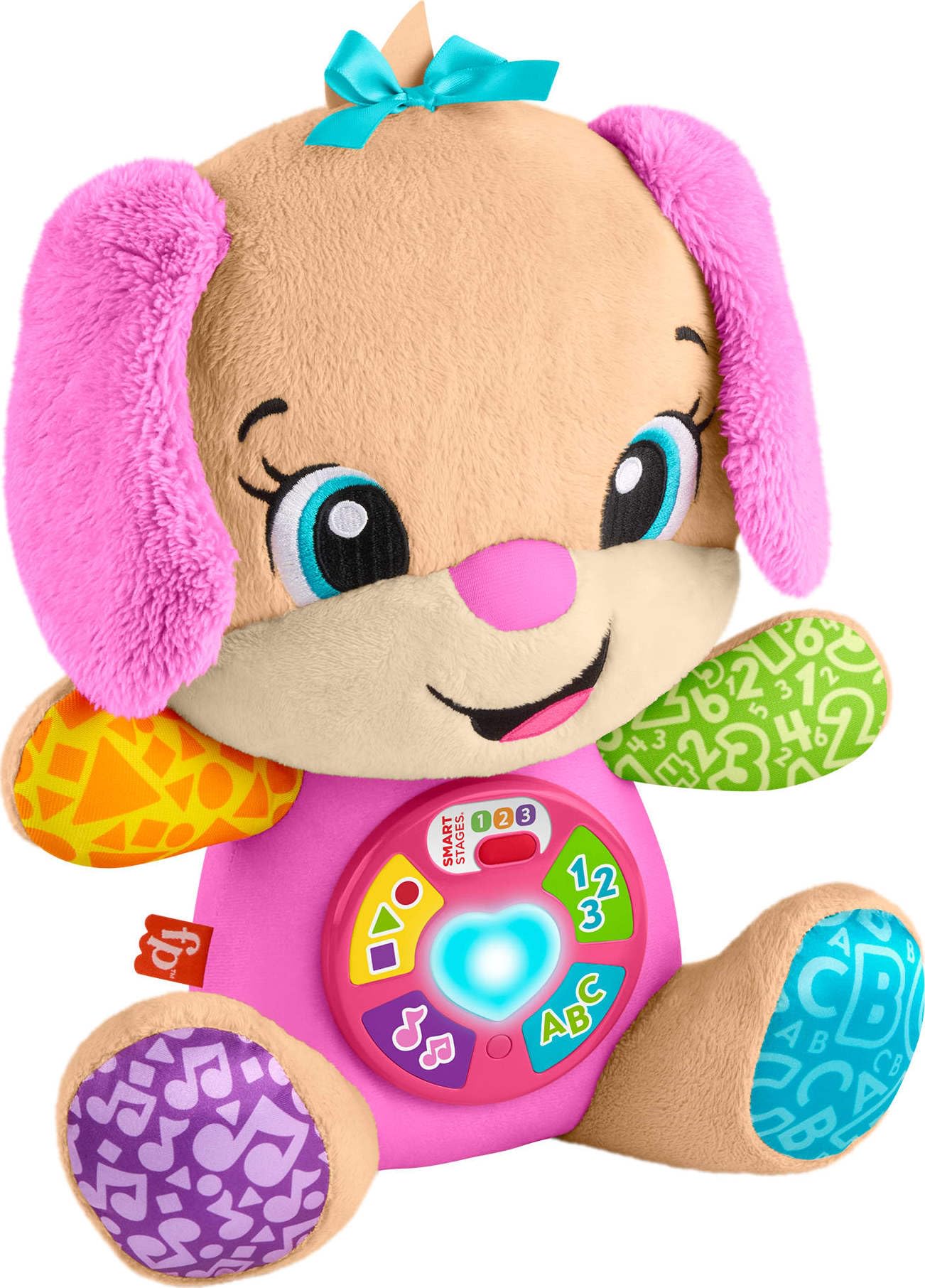
Great for babies 6 months+ with interactive songs and phrases.
Fisher-Price Activity Cube (Laugh & Learn) Features 4 sides of play with smart stages learning, bilingual options.