
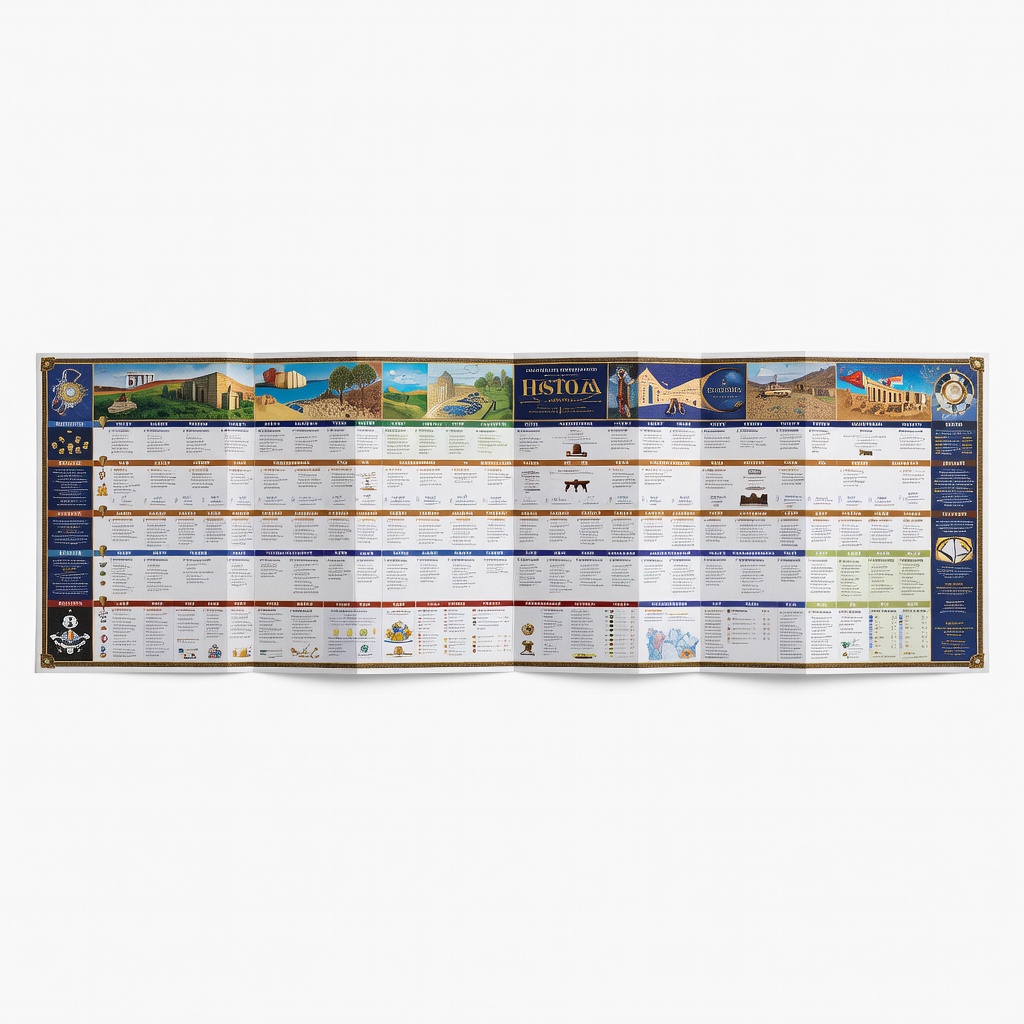
Carson Dellosa Education History Timeline Chart
Base for physical timelines—add your events on top
$3.99
Carson Dellosa Education History Timeline Chart Pre-printed eras and dates save setup time; durable laminated for daily use
Get the App
Better experience on mobile
Learn to create visual timelines that make U.S. history engaging and memorable for your kids, perfect for beginners.
Homeschooling American history can feel overwhelming with endless dates, events, and figures to memorize. Many parents struggle to keep kids engaged beyond rote facts. Timelines solve this by turning abstract history into a visual story, helping children see cause-and-effect and chronological flow.
In this guide, you'll learn how to build and use customizable American history timelines step-by-step. Whether physical or digital, these tools boost retention by 50-70% through visualization. Expect 45-60 minutes for initial setup and 15-20 minutes weekly integration—ideal for beginners with no prior experience.
By the end, you'll have a hands-on timeline ready for lessons on everything from the Revolution to Civil Rights, transforming history time into a fun family activity.
Estimated Time: 45-60 minutes for initial setup, 15-20 minutes per weekly lesson Difficulty: beginner
Start by selecting 10-20 major events tailored to your child's grade level. For beginners (K-5), focus on milestones like Columbus' voyage (1492), Declaration of Independence (1776), Civil War (1861-1865), and Moon Landing (1969). Use reliable sources like Khan Academy or free PDFs from the Library of Congress.
Why it matters: This keeps the timeline focused and age-appropriate, preventing overwhelm. Expect a list of events with dates, short descriptions, and key figures. Success looks like a bullet-point cheat sheet on one page.
Tip: Divide into eras (Colonial, Revolution, Civil War, Modern) for easier organization.
💡 Tips:
⚠️ Warnings:
Decide between physical (paper-based, tactile for kids) or digital (apps like Canva or Timeline JS). Physical is best for beginners—hands-on drawing aids memory. Digital suits tech-savvy families for easy edits.
Why it matters: Matches your homeschool style; physical fosters creativity. Success: A clear base ready for events (e.g., a 3-6 foot horizontal line marked with centuries).
Lay out a rough sketch: Label start (1400s) to present (2020s) with decades.
💡 Tips:
⚠️ Warnings:
Collect supplies: unroll butcher paper or use chart pads for a base. Print free timeline templates from TeachersPayTeachers (search 'American history timeline printable'). Test markers on paper.
Why it matters: Quality materials ensure durability. Expect a workspace with all items laid out. Success: Clean, erasable surface ready to draw.
💡 Tips:
On your paper or digital canvas, draw a straight horizontal line. Mark major eras with bold lines or colors: e.g., Colonial (1607-1775) in blue. Add date ticks every 10-50 years.
Why it matters: Provides the skeleton for events. Kids love seeing it grow. Success: A blank 'roadmap' of time spanning 4-6 feet.
💡 Tips:
Place events on the line with dates above, descriptions below. Use boxes or bubbles: e.g., '1776: Declaration of Independence - 13 colonies rebel.' Color-code (wars red, inventions green).
Why it matters: Visual placement shows progression. Expect kids to help here. Success: 10+ events neatly placed without crowding.
💡 Tips:
⚠️ Warnings:
Enhance with drawings, stickers, or printed images (e.g., Liberty Bell). Add side notes: 'Why it matters' or 'Key people.' Laminate sections for dry-erase additions.
Why it matters: Boosts engagement—visuals increase recall 65%. Success: Vibrant, story-like timeline.
💡 Tips:
Hang on wall or use as lapbook. During lessons, have kids add Post-its for new facts or quiz by covering sections.
Why it matters: Turns passive review into active learning. Success: Used in 1 lesson, kids referencing it naturally.
💡 Tips:
End each history lesson by adding 1-2 events. Monthly review: Discuss connections. Expand as you cover new eras.
Why it matters: Reinforces learning long-term. Success: Growing timeline reflecting full curriculum.
💡 Tips:
⚠️ Warnings:
Problem: Kids find it boring
Solution: Add hands-on elements like stickers or their drawings; gamify with quizzes
Problem: Timeline too crowded
Solution: Use multiple sheets or vertical format; prune to essentials
Problem: Dates inaccurate
Solution: Reference official sources like history.com; involve kids in fact-checking
Problem: Paper tears easily
Solution: Laminator or thicker cardstock; use dry-erase markers
Pre-printed eras and dates save setup time; durable laminated for daily use
Best for: Base for physical timelines—add your events on top
Price Range: $3.99
Endless length for full U.S. history span; writable with markers
Best for: Custom large-scale timelines for wall display
Price Range: $28.99
Kid-safe, vibrant colors won't bleed; washable for mess-free fun
Best for: Labeling events and drawing icons during family sessions
Price Range: $4.99
Makes timelines reusable and tear-proof for long-term homeschool use
Best for: Protect finished sections after adding events
Price Range: $24.99
Comprehensive event reference with visuals; sparks ideas for your timeline
Best for: Research accurate dates and lesser-known facts
Price Range: $24.95
Base for physical timelines—add your events on top
Carson Dellosa Education History Timeline Chart Pre-printed eras and dates save setup time; durable laminated for daily use
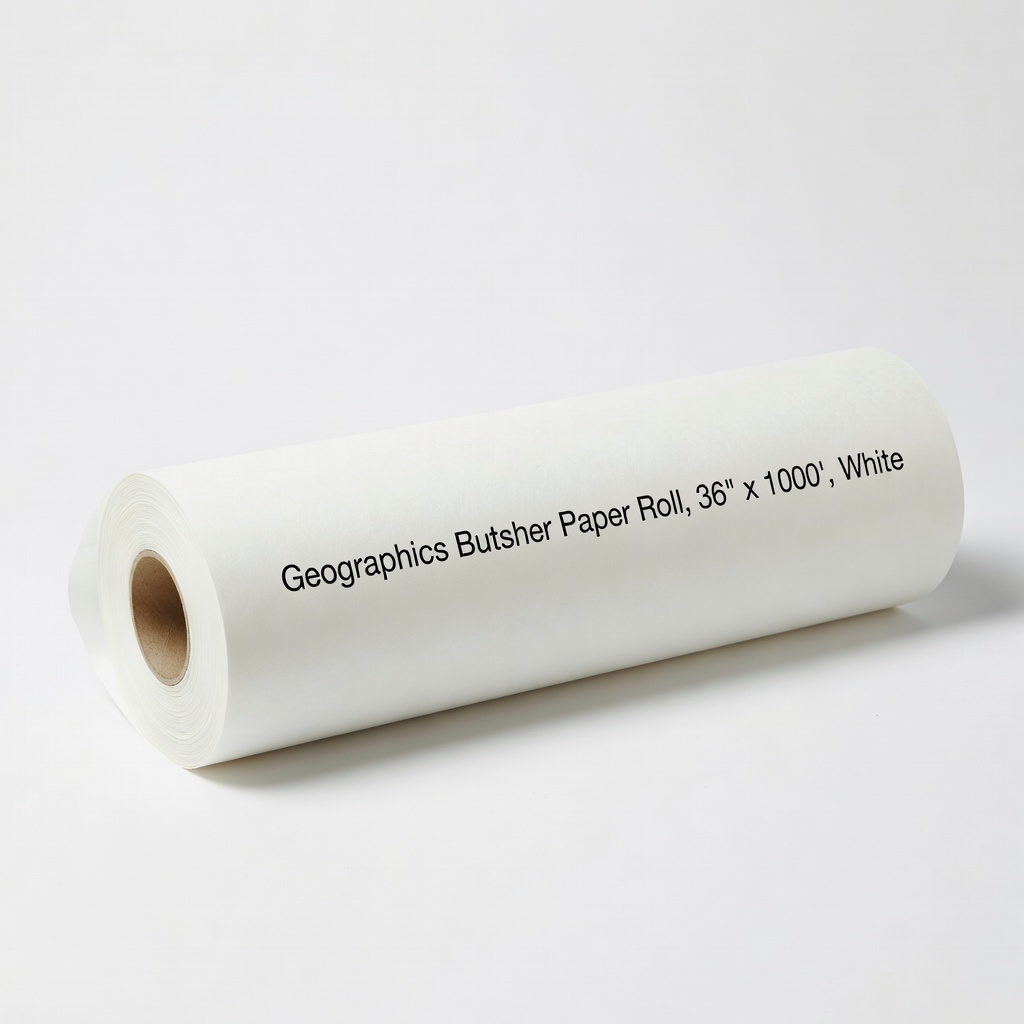
Custom large-scale timelines for wall display
Geographics Butcher Paper Roll, 36" x 1000', White Endless length for full U.S. history span; writable with markers
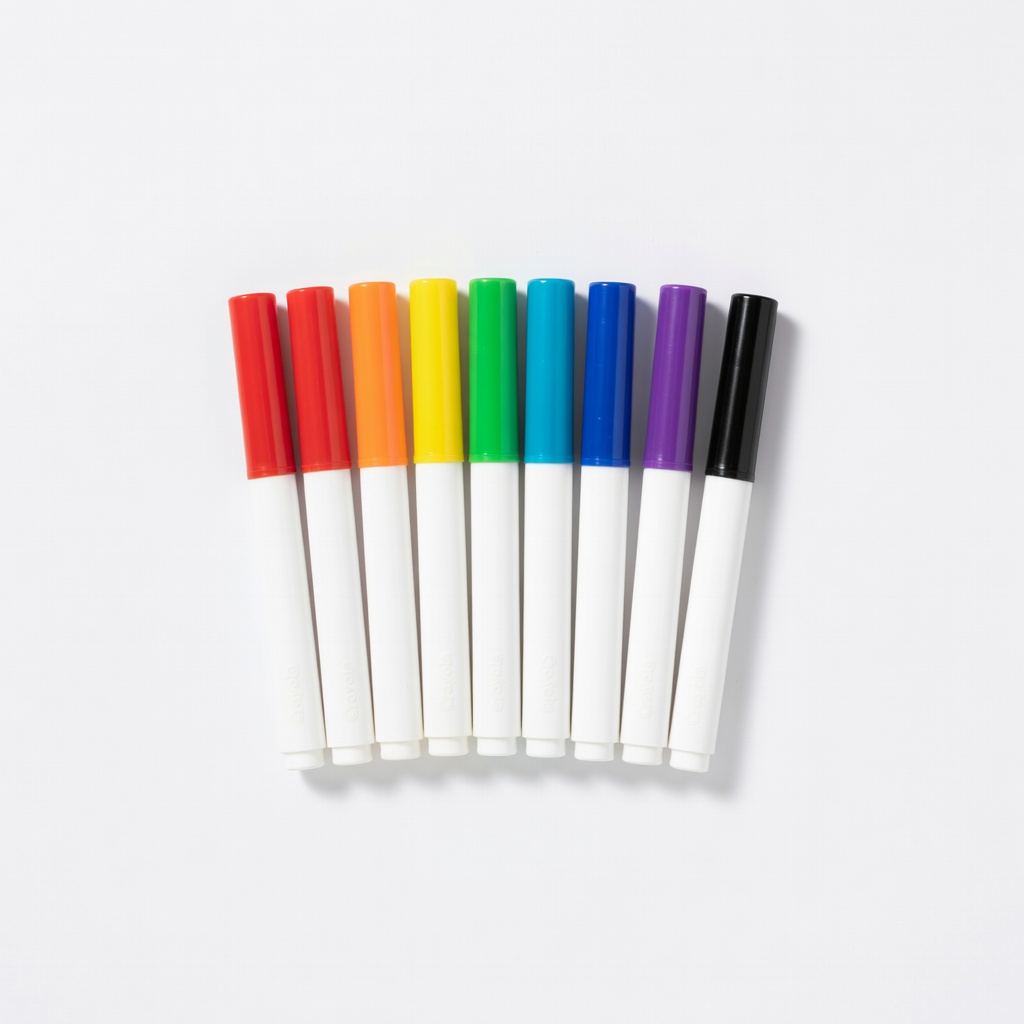
Labeling events and drawing icons during family sessions
Crayola Washable Markers, Broad Tip, 10 Count Kid-safe, vibrant colors won't bleed; washable for mess-free fun
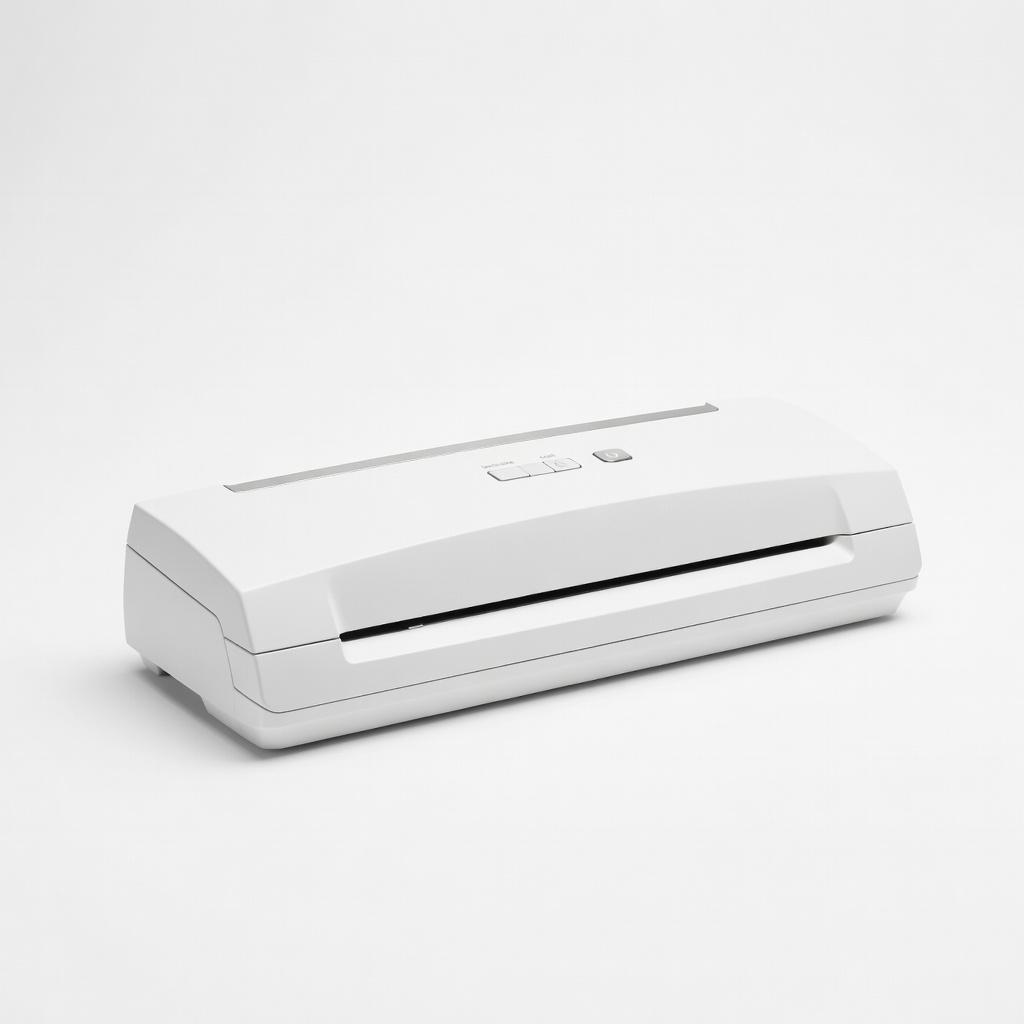
Protect finished sections after adding events
Scotch TL901X Thermal Laminator Makes timelines reusable and tear-proof for long-term homeschool use
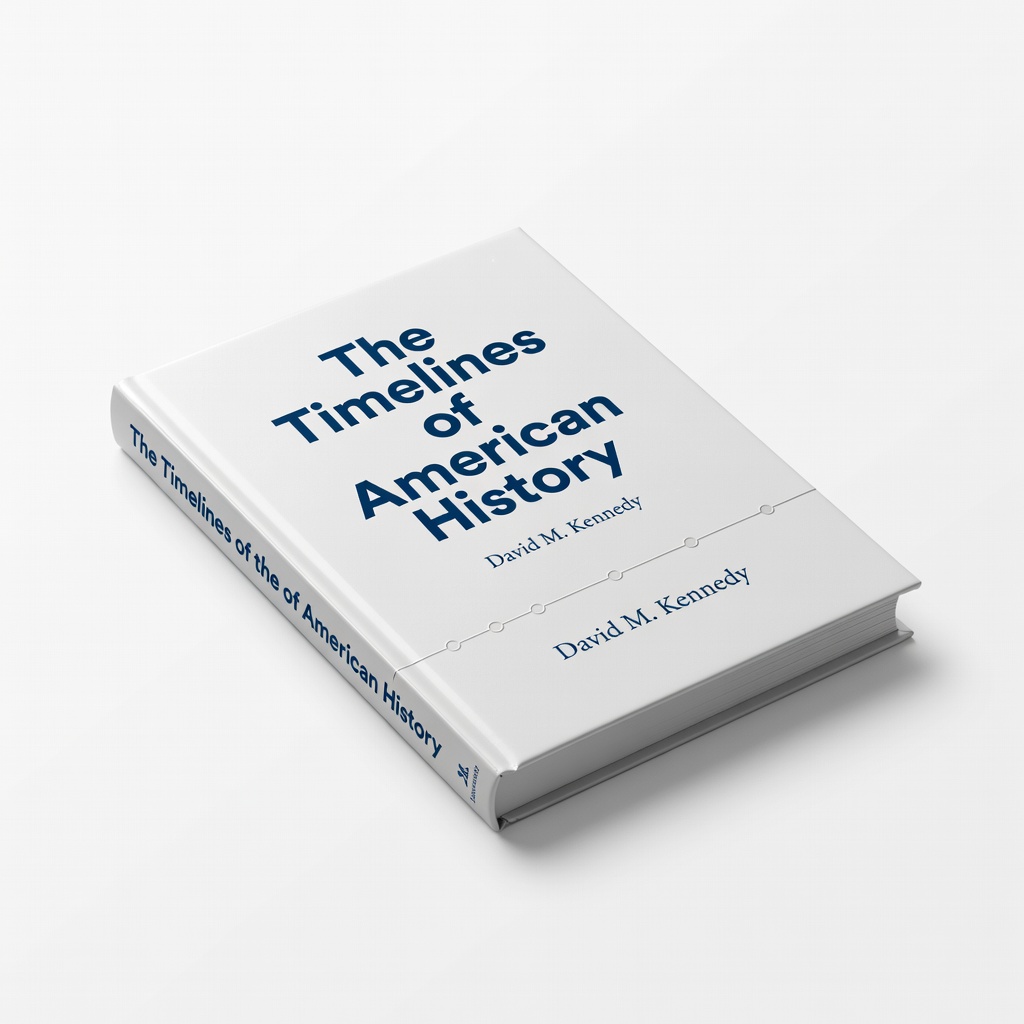
Research accurate dates and lesser-known facts
The Timelines of American History by David M. Kennedy Comprehensive event reference with visuals; sparks ideas for your timeline