
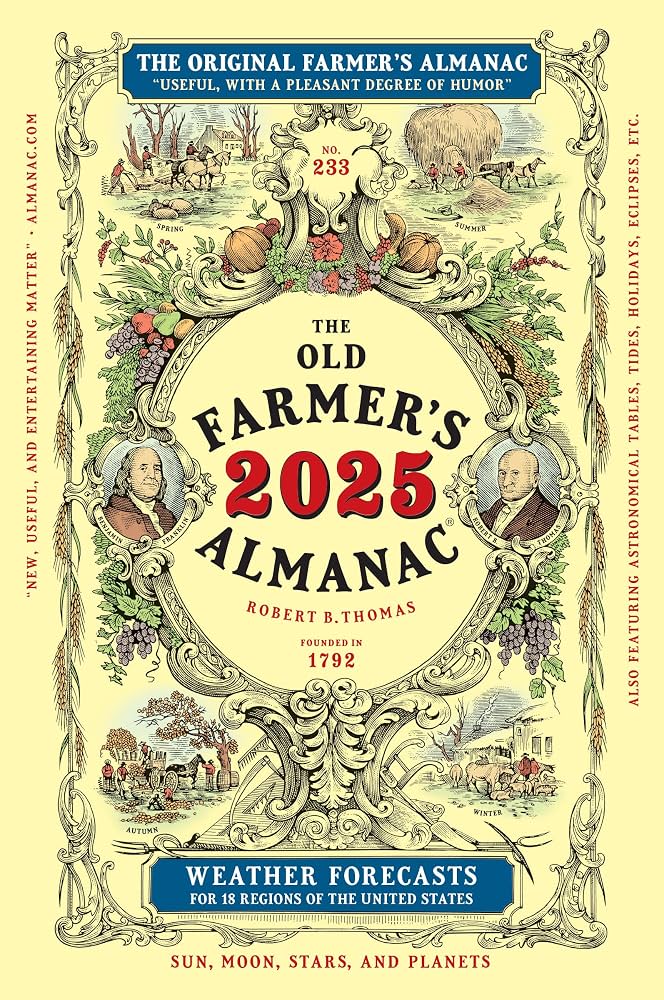
The Old Farmer's Almanac 2025
Daily reference for beginners planning veggies and flowers.
$9.99
The Old Farmer's Almanac 2025 Gold standard with detailed zone-specific planting tables and moon charts proven accurate for decades.
Get the App
Better experience on mobile
Master planting times, moon phases, and weather forecasts with almanacs to grow a thriving garden effortlessly as a beginner.
Ever planted seeds too early, only to watch them freeze, or missed the perfect harvest window? Traditional almanacs solve these frustrations by combining centuries-old astronomy, weather patterns, and folklore into reliable gardening predictions. They're a gardener's secret weapon for timing everything from sowing to weeding.
In this beginner-friendly guide, you'll learn to select, read, and apply an almanac to your garden step-by-step. By the end, you'll have a personalized planting calendar that boosts yields and reduces guesswork. No prior experience needed—just 20-30 minutes to get started, plus ongoing reference.
Expect simple language, real-world examples, and tips to blend almanac wisdom with modern tools for foolproof results.
Estimated Time: 20-30 minutes initial setup + 5-10 minutes weekly Difficulty: beginner
Start by selecting a reputable almanac tailored to gardening. Popular options like The Old Farmer's Almanac or Farmers' Almanac include dedicated sections on planting calendars, moon phases, and long-range weather forecasts based on solar cycles and historical data.
Why it matters: These predict regional conditions better than generic calendars. Flip through the gardening or vegetable tables to ensure it covers your crops. Success looks like having a book with color-coded charts for your hemisphere.
Purchase or download a 2025 edition for current predictions.
💡 Tips:
⚠️ Warnings:
Find your USDA Hardiness Zone or almanac-specific region using your ZIP code. Most almanacs have a lookup table or index at the front.
Action: Enter your ZIP on the almanac's website or app, or scan the zone map. Note your zone (e.g., 6b) and regional forecast area. This ensures predictions match your climate.
Expect a number or letter code—what success feels like: Knowing your frost dates (last spring frost, first fall frost).
💡 Tips:
Familiarize yourself with core sections: Best Days to Plant tables, moon phase calendars, and long-range weather outlooks.
Scan for vegetable-specific charts listing 'plant above ground' or 'root crops' by date. Why? These align activities with lunar gravity for better germination.
Mark these pages with sticky notes. Success: You can quickly find tomatoes listed for mid-April in Zone 7.
💡 Tips:
⚠️ Warnings:
Action: Cross-reference your zone with crop tables. For example, in Zone 5, plant peas March 15-30 if moon is waxing.
Why it matters: Avoids soggy soil or heat stress. List 5-10 crops in your journal with start/end dates.
Expect overlapping date ranges—pick the sweet spot. Success: A list like 'Lettuce: April 10-20'.
Locate the lunar calendar—plant above-ground crops during waxing moon (new to full), roots during waning.
Do this: Note phases for your dates (e.g., full moon May 12). Adjust plantings accordingly.
This boosts growth via tidal influences. Success: Calendar entries like 'Sow beans: Waxing moon, May 5'.
💡 Tips:
Read the 18-month weather predictions by region—'wet springs' or 'mild winters'.
Apply to prep: Mulch heavily if 'cold snap predicted'. Journal summaries.
Success: Proactive plan, like delaying transplants if 'rainy June forecasted'.
⚠️ Warnings:
Compile everything: Transfer dates to a calendar. Add reminders for weeding, fertilizing per almanac.
Review monthly. Success: A filled calendar ready for the season, reducing daily decisions.
💡 Tips:
As season progresses, note actual vs. predicted outcomes in your journal.
Adjust next year (e.g., 'Almanac early by 3 days'). This personalizes predictions.
Success: Data proving higher yields, like '90% accurate frosts'.
Problem: Predictions don't match local weather
Solution: Verify zone; blend 70% almanac + 30% apps like Weather Underground. Adjust microclimate notes.
Problem: Poor germination despite dates
Solution: Test soil pH/moisture; ensure seed quality. Retry on next moon window.
Problem: Overwhelmed by charts
Solution: Focus only on your crops; use almanac app for simplified views.
Gold standard with detailed zone-specific planting tables and moon charts proven accurate for decades.
Best for: Daily reference for beginners planning veggies and flowers.
Price Range: $9.99
Excellent long-range predictions and best days tables, budget-friendly.
Best for: Tracking weather impacts on garden tasks year-round.
Price Range: $8.99
Companion journal with almanac-friendly layouts for calendars and tracking.
Best for: Logging predictions vs. reality to improve future accuracy.
Price Range: $19.99
Deep dive into lunar gardening, perfect supplement.
Best for: Advanced moon-phase timing for organic growers.
Price Range: $12.99
Validates almanac forecasts with backyard data.
Best for: Real-time temp/humidity to fine-tune predictions.
Price Range: $50-$70
Daily reference for beginners planning veggies and flowers.
The Old Farmer's Almanac 2025 Gold standard with detailed zone-specific planting tables and moon charts proven accurate for decades.
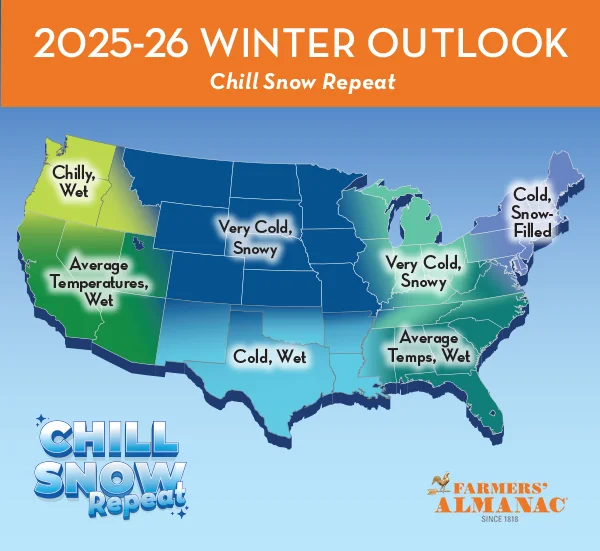
Tracking weather impacts on garden tasks year-round.
Farmers' Almanac 2025 Extended Weather Forecast Excellent long-range predictions and best days tables, budget-friendly.
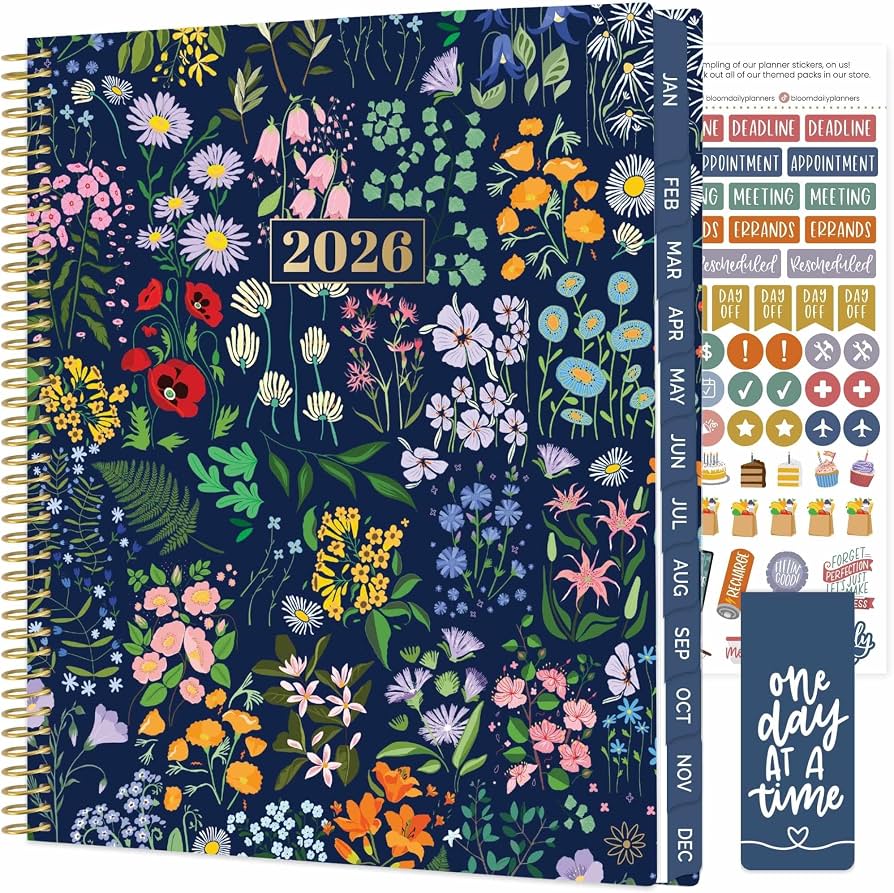
Logging predictions vs. reality to improve future accuracy.
Bloom Daily Planners The Garden Planner Companion journal with almanac-friendly layouts for calendars and tracking.
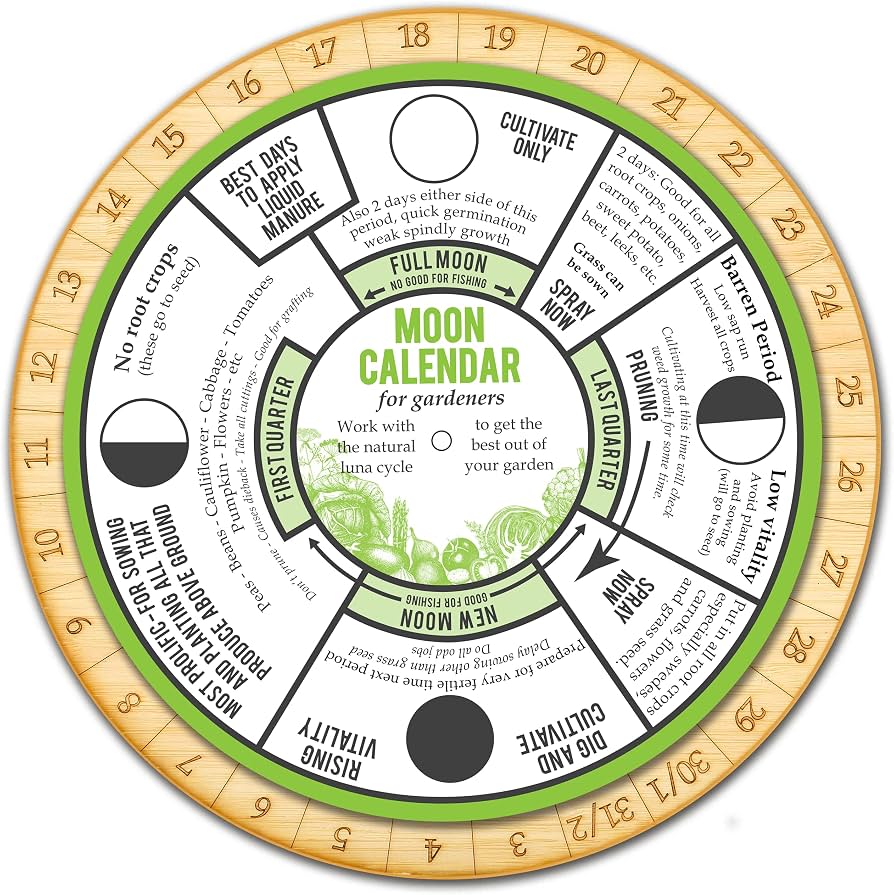
Advanced moon-phase timing for organic growers.
Planting by the Moon with the Farmers' Almanac Deep dive into lunar gardening, perfect supplement.
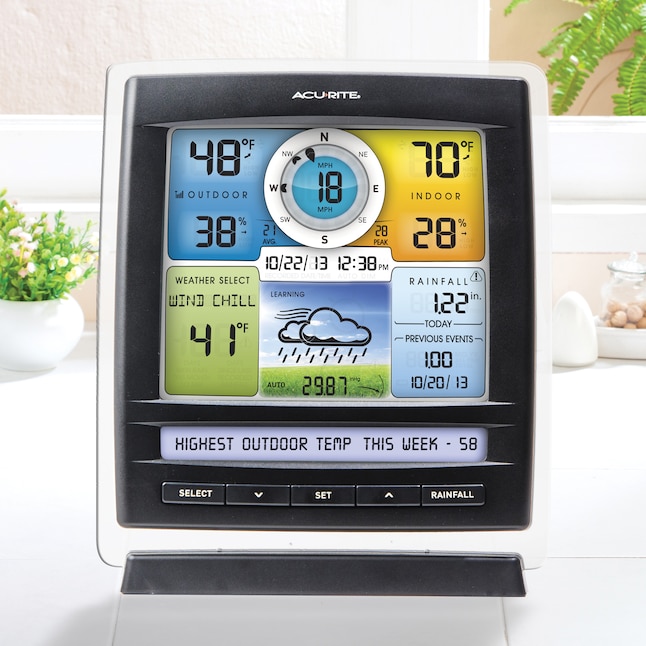
Real-time temp/humidity to fine-tune predictions.
AcuRite 01512 Wireless Weather Station Validates almanac forecasts with backyard data.