Tracing African ancestry often feels like piecing together a puzzle with missing pieces—slavery, colonialism, and oral traditions have erased many paper trails. But African history guides offer vital context, revealing migration patterns, tribal affiliations, and events that shaped your family's path. This guide empowers intermediate genealogists to bridge those gaps.
You'll learn a step-by-step process to select, analyze, and apply history guides to your research, turning vague family stories into verified lineages. Expect to spend time reading and cross-referencing, but the reward is deeper cultural connections.
The process takes 2-4 hours for initial setup, plus ongoing research. It's intermediate-level, assuming basic genealogy knowledge like using Ancestry or FamilySearch.
▸What You'll Need
- •Computer or tablet with internet access (required)
- •Genealogy software or account (e.g., Ancestry.com, FamilySearch.org) (required)
- •Notebook and pen for notes (required)
- •African history guides: 1-2 books or online resources (required; see recommendations)
- •DNA test results if available (optional but highly recommended)
- •Printer for maps/timelines (optional)
Estimated Time: 2-4 hours for initial research, 5-10 hours ongoing
Difficulty: intermediate
▸Step-by-Step Instructions
Step 1: Assess Your Current Genealogy Knowledge
Start by reviewing what you know: names, approximate birth/death dates, locations, and family stories about African origins. List 3-5 generations back, noting any mentions of tribes, countries, or migrations.
Why it matters: History guides are region-specific, so pinpointing your starting point (e.g., West Africa via slave trade) directs your focus. Expect a family chart with gaps—that's normal for African research.
Create a simple spreadsheet or use your genealogy software to organize this.
💡 Tips:
- •Interview elders first for oral histories.
- •Note rumored ethnic groups like Igbo or Yoruba.
⚠️ Warnings:
- •Don't assume stories are literal; verify with history.
Step 2: Identify Key Historical Periods for Your Lineage
Research broad African history relevant to your family's era, such as transatlantic slave trade (1500s-1800s), colonial partitions (1880s-1960s), or post-independence migrations.
Use free sites like Britannica or Wikipedia for overviews. Why? Events like the Scramble for Africa explain why records are in European languages or missing.
Success: A list of 5-10 events tied to your ancestors' timeline.
💡 Tips:
- •Focus on 2-3 countries first to avoid overwhelm.
Step 3: Select Relevant African History Guides
Choose guides covering your suspected region—e.g., 'A History of West Africa' for slave trade descendants. Prioritize those with timelines, maps, and genealogy tips.
Sources: Libraries, Amazon books, or sites like AfricanHistoryExtra.com. Why it matters: These provide context beyond vital records, like tribal naming conventions.
Download/print key sections. Success: 2-3 guides bookmarked.
💡 Tips:
- •Look for guides with bibliographies for deeper dives.
⚠️ Warnings:
- •Avoid outdated colonial-era texts; seek post-2000 publications.
Step 4: Build a Combined Historical-Family Timeline
Overlay your family dates with guide events: e.g., if an ancestor was enslaved in 1780s Virginia, note nearby slave ports from guides.
Use tools like TimelineJS or paper. Why? Visualizes connections, like how a famine drove migration.
Success: A timeline showing alignments, sparking hypotheses.
💡 Tips:
- •Color-code: blue for family, red for history.
Step 5: Map Migration Patterns Using Guides
Trace routes from guides: slave trade from Senegal to Americas, or colonial labor migrations. Match to your ancestors' locations.
Tools: Google Earth or historical atlases. Why it matters: Explains surname changes or lost origins.
Success: A map with pins linking Africa to your family's path.
💡 Tips:
- •Use guides' appendices for ethnic group maps.
⚠️ Warnings:
- •Migrations weren't linear; account for multiple routes.
Step 6: Cross-Reference Records with Historical Context
Search databases (Ancestry, FamilySearch) using guide insights: e.g., search 'plantation name' from colonial history.
Adjust for biases like 'freed slave' labels. Why? Guides reveal hidden records, like church missions.
Success: 2-3 new ancestors identified.
💡 Tips:
- •Search variant spellings from tribal naming.
Step 7: Incorporate Oral Histories and DNA Data
Validate stories against guides; compare DNA results (e.g., 40% Nigerian) to regions.
Why it matters: DNA + history narrows tribes. Success: Updated tree with sourced notes.
💡 Tips:
- •Cite guides in tree notes for credibility.
⚠️ Warnings:
- •DNA is probabilistic; use as clue, not proof.
Step 8: Document and Iterate Your Research
Add sources to your tree, noting guide influences. Plan next steps like specialist forums.
Why? Builds a defensible lineage. Success: Shareable family history report.
💡 Tips:
- •Join African ancestry Facebook groups.
▸Pro Tips
- •Start with free online guides from UNESCO or BBC African History before buying books.
- •Use Ctrl+F in PDFs to find keywords like your ancestor's origin country.
- •Combine with apps like MyHeritage for AI timeline suggestions.
- •Photograph old family Bibles; guides explain archaic terms.
- •Network on AfriGeneas.org for region-specific tips.
- •Break research into 30-min sessions to avoid burnout.
- •Export timelines to Canva for visual family books.
▸Common Mistakes to Avoid
- •Ignoring regional specificity: Using general African history for Zulu vs. Akan lines—avoid by narrowing to 1-2 countries.
- •Over-relying on family lore without guides: Leads to myths—cross-check with events.
- •Skipping maps: Misses spatial clues—always visualize.
- •Not citing sources: Makes tree unverifiable—log every guide page.
- •Expecting quick wins: African research is iterative—patience pays off.
▸Troubleshooting
Problem: Dead-end at 1800s with no African links
Solution: Consult slave voyage databases (slavevoyages.org) via history guides for port matches; test DNA.
Problem: Conflicting historical accounts
Solution: Prioritize peer-reviewed guides; note discrepancies in your tree.
Problem: Overwhelmed by info
Solution: Focus on one branch/region; set weekly goals.
Problem: No access to paid databases
Solution: Use library editions or free trials; leverage FamilySearch.
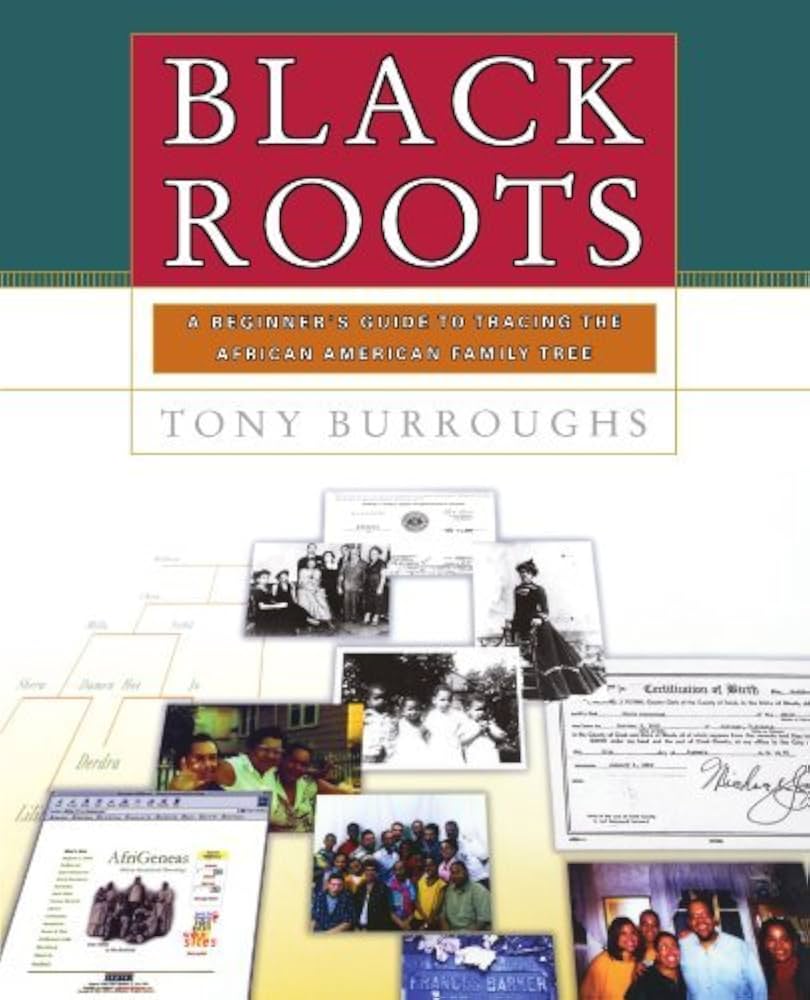
Black Roots: A Guide to Tracing African-American Ancestry by Tony Burroughs
Comprehensive guide with practical tips on using history for slave-era research.
Best for: Step 3: Selecting guides—ideal starter book with bibliographies.
Price Range: $15-$25
AncestryDNA Traits + Ethnicity Test Kit
Provides African region matches to validate history guide hypotheses.
Best for: Steps 5 & 7: Overlay DNA ethnicity with migration maps.
Price Range: $59-$99
Family Tree Maker 2019 Software
Integrates timelines, maps, and source citations seamlessly.
Best for: Steps 1, 4, 8: Building and documenting trees with history notes.
Price Range: $50-$80
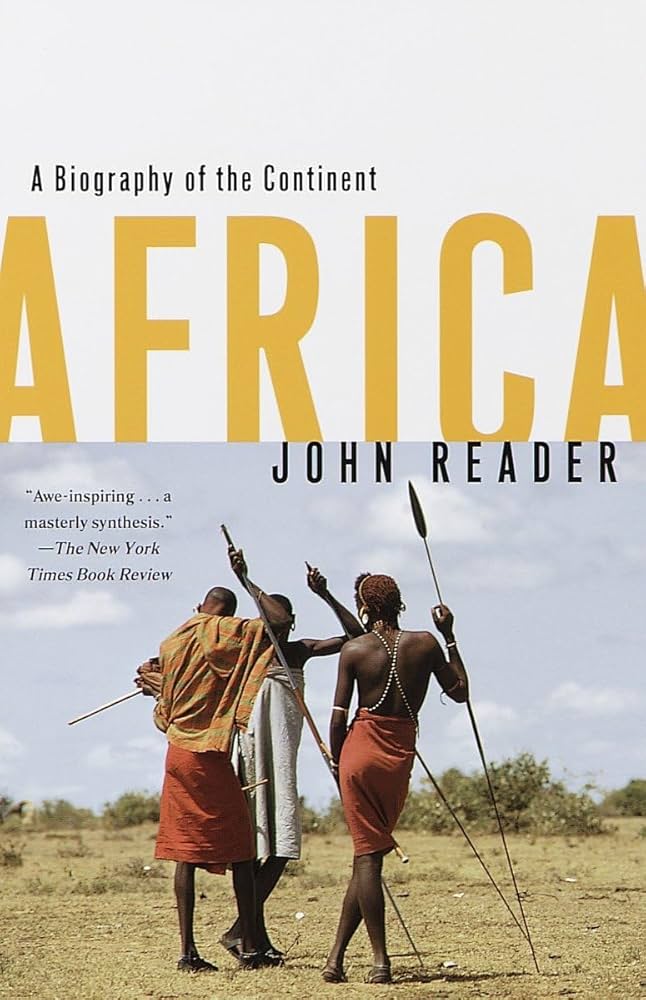
Africa: A Biography of the Continent by John Reader
Detailed regional histories with timelines for contextual depth.
Best for: Step 2: Identifying periods for non-US African lines.
Price Range: $20-$30
RootsMagic 9 Genealogy Software
Affordable alternative with excellent timeline and map features.
Best for: All steps: For budget-conscious researchers building visual histories.
Price Range: $30-$40